Top 25 Most Curious Animals (With Images)
Curiosity is a driving force for learning and survival across the animal kingdom. Many curious animals spend their days exploring surroundings, testing objects, and engaging with new environments. Studying curious animals gives researchers fascinating insights into non-human intelligence and behavior.
By observing how these species interact with novel objects, scientists can measure adaptability. Understanding the investigative habits of curious animals helps us preserve their natural habitats effectively. Every discovery offers a deeper appreciation for the cognitive diversity present in wildlife.
List of Most Curious Animals
Here is the complete list of all 25 curious animals mentioned in the article, organized in order:
- Octopus
- Cats
- Puppies
- Elephant
- African Grey Parrot
- Monkeys
- Meerkats
- Toothfish
- Foxes
- Bushbabies
- Gorilla
- Raccoon
- Penguins
- Dolphins
- Squirrel
- Otters
- Giraffes
- Axolotl
- Crows
- Platypus
- Hamster
- Spider
- Badger
- Kea Parrot
- Coconut Crab
Octopus
- Scientific name: Octopoda
- Class: Cephalopoda
- Diet: Carnivore
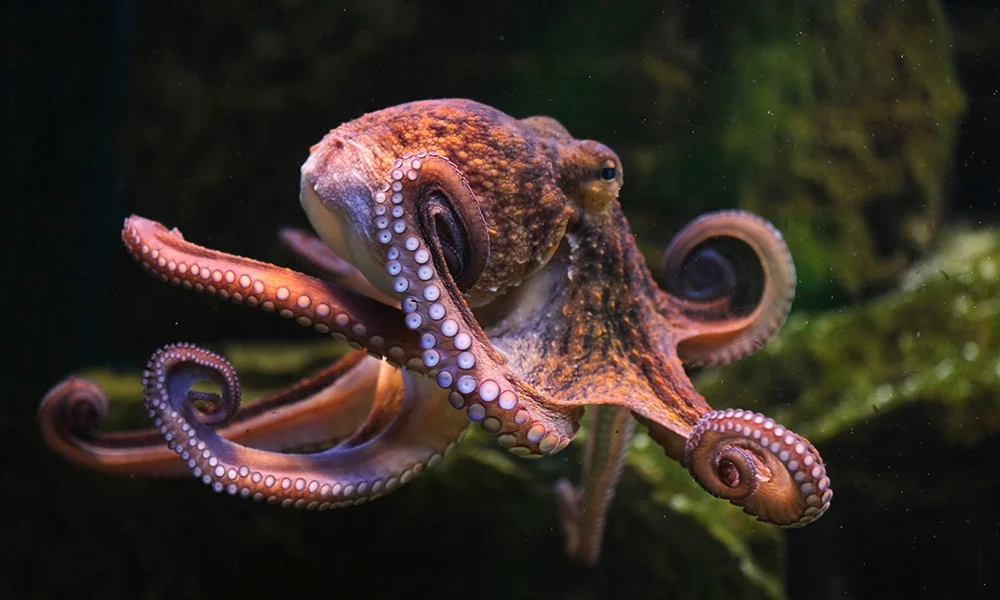
The octopus is renowned among curious animals for its remarkable problem-solving abilities and intelligence. These marine creatures frequently explore complex mazes and dismantle enclosure latches out of pure interest. Their playful tendencies solidify their spot near the top of any list of curious animals.
They utilize their flexible arms to touch, probe, and inspect every nook of their habitat. This constant environmental engagement keeps curious animals like the octopus highly stimulated and mentally active. Their unique behaviors continue to captivate marine biologists around the globe.
Cats
- Scientific name: Felis catus
- Class: Mammalia
- Diet: Carnivore
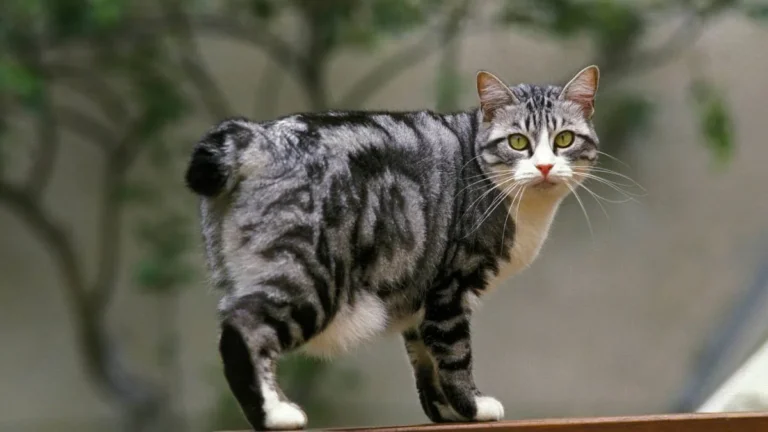
Felines are classic examples of curious animals that constantly inspect every new box or bag in a home. Their acute senses compel them to investigate subtle movements, sounds, and unfamiliar scents every day. As energetic predators, their innate drive makes them iconic curious animals. You can also explore most energetic animals in the world for similar lively behavior.
Their playful nature often leads them to stalk toy mice or gaze out windows for long periods. Domestic life rarely suppresses the natural instincts that make these curious animals perpetual explorers. Owners regularly enjoy witnessing their pets’ endless quests for lighthearted entertainment.
Puppies
- Scientific name: Canis lupus familiaris
- Class: Mammalia
- Diet: Omnivore

Young dogs are delightfully curious animals that use their mouths and paws to explore everything around them. Every object, leaf, or toy becomes a fascinating discovery during a puppy’s development. Their natural desire to learn and bond makes them quintessential curious animals.
As they grow, their eagerness to investigate new scents helps develop critical cognitive skills. Social interactions further fuel the natural drive seen in these lively, curious animals. Proper guidance during this developmental phase ensures they become well-adjusted adult dogs.
Elephant
- Scientific name: Elephantidae
- Class: Mammalia
- Diet: Herbivore
Elephants rank among the giant curious animals of the world, using their dexterous trunks to examine objects. They exhibit intense interest in their environment, tool use, and even the remains of deceased herd members. This deep investigative nature highlights why curious animals come in all sizes.
Their vast memory capacity allows them to remember specific landmarks and herd members for decades. Such detailed mental mapping is common among highly social, curious animals in complex wilderness settings. Their deep empathy further enriches their inquisitive social behavior.
African Grey Parrot
- Scientific name: Psittacus erithacus
- Class: Aves
- Diet: Herbivore
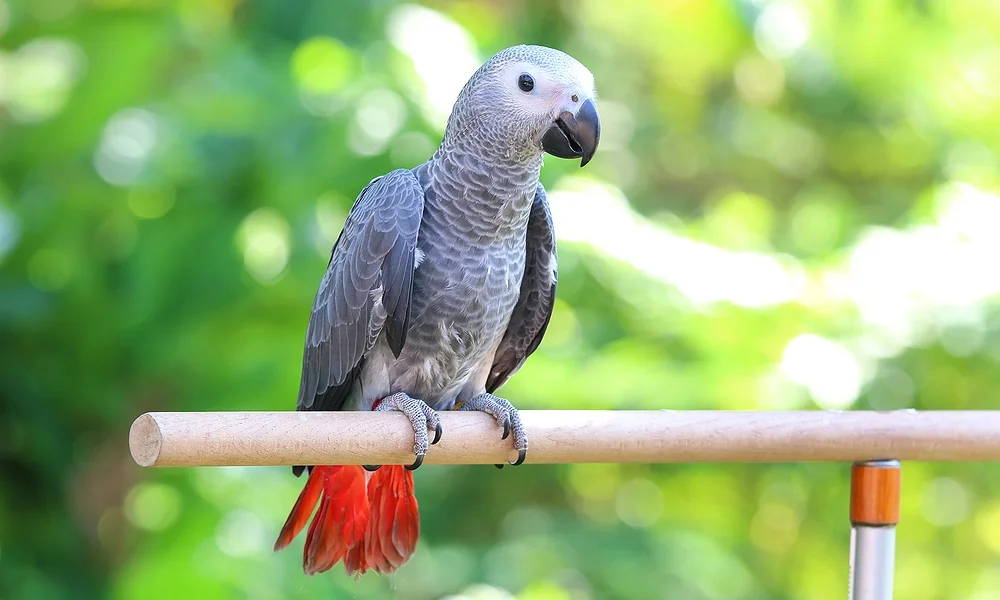
African Grey Parrots are remarkably curious animals capable of understanding complex vocal cues and concepts. Their high cognitive abilities push them to constantly test puzzles, mirrors, and interactive toys. Their inquisitive nature proves that avian curious animals possess incredible intellect.
In the wild, they forage in flocks while investigating diverse tree species for fruits and nuts. Maintaining mental stimulation is vital for these energetic, curious animals in human care. Their ability to mimic human speech stems directly from their active environmental observation.
Monkeys
- Scientific name: Simiiformes
- Class: Mammalia
- Diet: Omnivore
Monkeys are notoriously mischievous and curious animals that actively investigate human settlements and natural habitats alike. Their nimble hands allow them to inspect objects thoroughly and solve tricky obstacles. Check out our list of top mischievous animals to see how their curiosity translates into playful trouble.
Troop dynamics encourage young individuals to learn by watching elders manipulate forest resources. This active observation keeps curious animals adaptable to shifting seasonal food sources. Their quick learning skills make them fascinating subjects for behavioral researchers.
Meerkats
- Scientific name: Suricata suricatta
- Class: Mammalia
- Diet: Carnivore
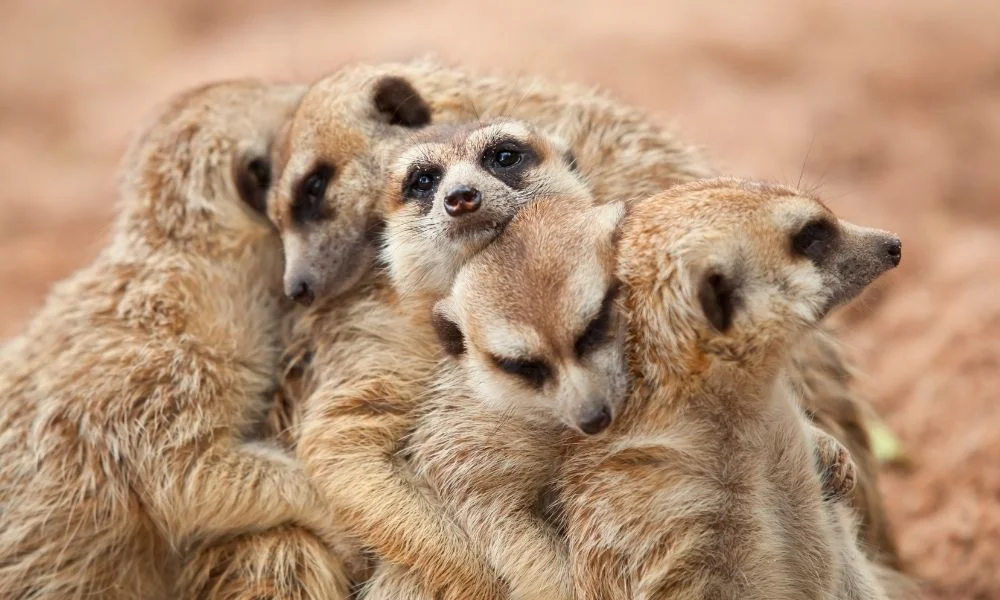
Meerkats are highly social and curious animals that scan their desert homes continuously for updates. Sentinels keep watch while others eagerly dig up unfamiliar ground to discover hidden insects or roots. Their collective awareness makes them stand out among curious animals in harsh climates.
Living in underground burrows requires constant cooperation and vigilant exploration of nearby terrain. Every clan member plays a crucial role in maintaining safety for these curious animals. Their organized mob dynamic allows them to thrive in unforgiving conditions.
Toothfish
- Scientific name: Dissostichus
- Class: Actinopterygii
- Diet: Carnivore
Deep-sea dwellers like the toothfish are surprisingly curious animals that investigate deep-sea submersibles and equipment. Living in extreme Antarctic waters, their interest in new stimuli helps them search for prey. They remain one of the most mysterious curious animals in ocean depths.
Navigating pitch-black depths requires specialized senses that pick up faint vibrations and light shifts. These sensory adaptations allow curious animals in the deep ocean to locate sparse prey. Their presence in extreme freezing waters fascinates marine researchers worldwide.
Foxes
- Scientific name: Vulpes
- Class: Mammalia
- Diet: Omnivore
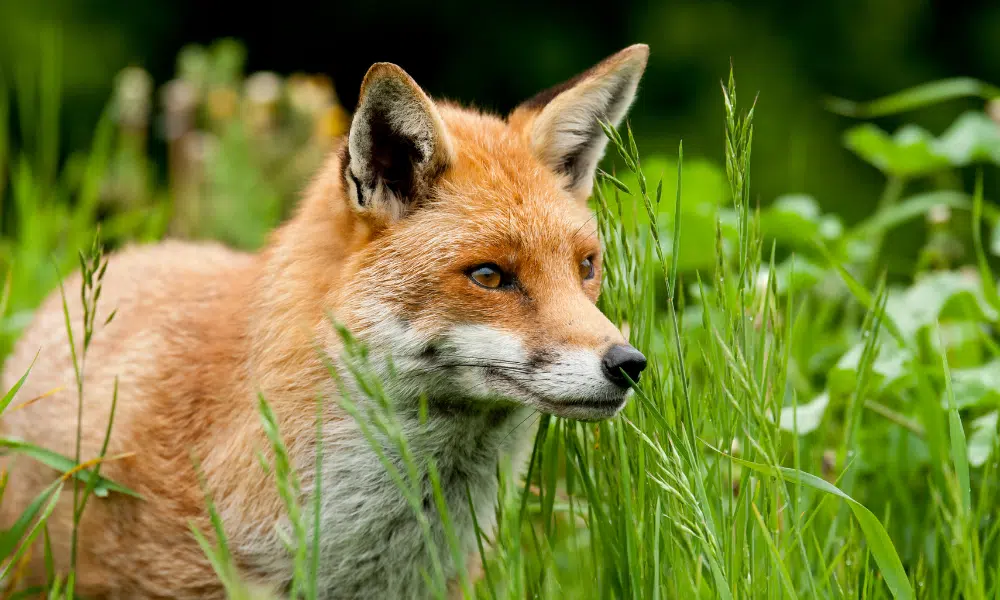
Foxes are clever and curious animals known to stalk backyard gardens and woods out of sheer intrigue. They frequently investigate human objects, outdoor toys, and strange sounds with quick agility. Their clever approach to exploration earns them a place among nature’s sharpest curious animals.
Their solitary hunting style relies heavily on keen listening and persistent environmental monitoring. When exploring suburban edges, these adaptable curious animals easily locate hidden food caches. Their cunning problem-solving skills allow them to flourish in varied environments.
Bushbabies
- Scientific name: Galagidae
- Class: Mammalia
- Diet: Omnivore
With huge round eyes, bushbabies are nocturnal curious animals that leap through forest canopies at night. They meticulously inspect branches, tree sap, and glowing insects in darkness with keen focus. Their boundless nocturnal energy showcases how active curious animals can be after dark.
Enormous ears allow them to pinpoint the faint rustle of insects in dense foliage. Moving through the night canopy demands agility from these energetic, curious animals. Their specialized leaping abilities make tree-dwelling navigation look effortless.
Gorilla
- Scientific name: Gorilla
- Class: Mammalia
- Diet: Herbivore
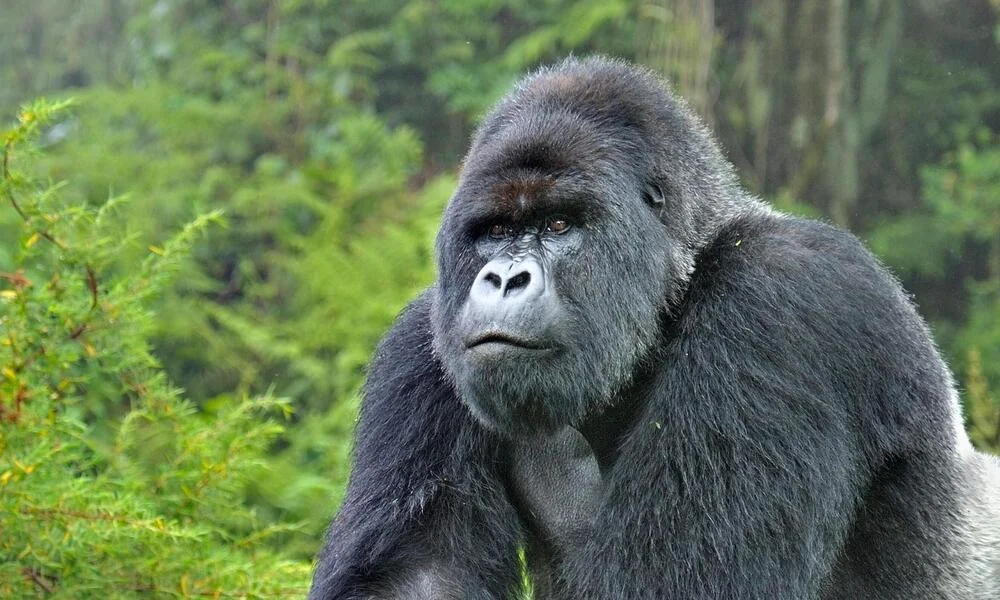
Gorillas are gentle yet highly curious animals that carefully analyze objects introduced into their space. They frequently examine leaves, twigs, and tools, showing intense focus while engaging with new challenges. Their methodical exploration makes them deeply intriguing curious animals to observe.
Silverbacks maintain order while encouraging younger group members to explore rainforest vegetation safely. These quiet observations demonstrate how thoughtful, curious animals interact within tight-knit family units. Their expressive eyes convey a profound level of emotional awareness.
Raccoon
- Scientific name: Procyon lotor
- Class: Mammalia
- Diet: Omnivore
Raccoons are adaptable curious animals equipped with sensitive front paws that feel every surface they find. Their persistent urge to open trash bins, containers, and doors makes them urban explorers. To read about hard-working creatures, check out hard working animals in the world.
Tactile sensation increases drastically when their paws are moistened in water sources. This heightened sense allows these clever, curious animals to navigate urban hazards successfully. Their nocturnal foraging habits keep city dwellers constantly on their toes.
Penguins
- Scientific name: Spheniscidae
- Class: Aves
- Diet: Carnivore
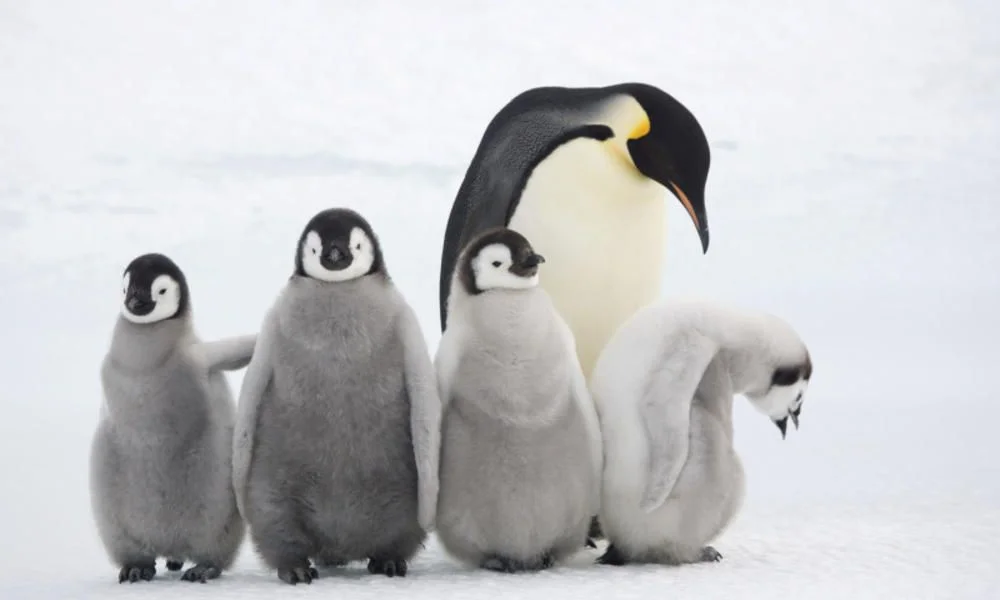
Penguins are delightfully curious animals that routinely approach human researchers and cameras on Antarctic ice. Unafraid of unusual land objects, they waddle forward to inspect new gear up close. Their cheerful, bold exploration earns them praise alongside the happiest animals in the world.
Gathering in large colonies provides safety while giving individuals opportunities to observe peer behaviors. These social habits reinforce the fearless nature typical of curious animals on frozen lands. Their sleek body shape allows them to glide effortlessly underwater.
Dolphins
- Scientific name: Delphinidae
- Class: Mammalia
- Diet: Carnivore
Dolphins are oceanic curious animals famous for riding boat wakes and swimming up to divers. Their advanced sonar allows them to investigate underwater features and objects with precision. Their playful intellect easily ranks them among the smartest curious animals in marine ecosystems.
Complex vocal whistles allow pods to coordinate hunting tactics and social games. Communicating underwater helps these intelligent, curious animals maintain close social bonds across vast distances. Their friendly interactions with humans have inspired countless marine studies.
Squirrel
- Scientific name: Sciuridae
- Class: Mammalia
- Diet: Omnivore
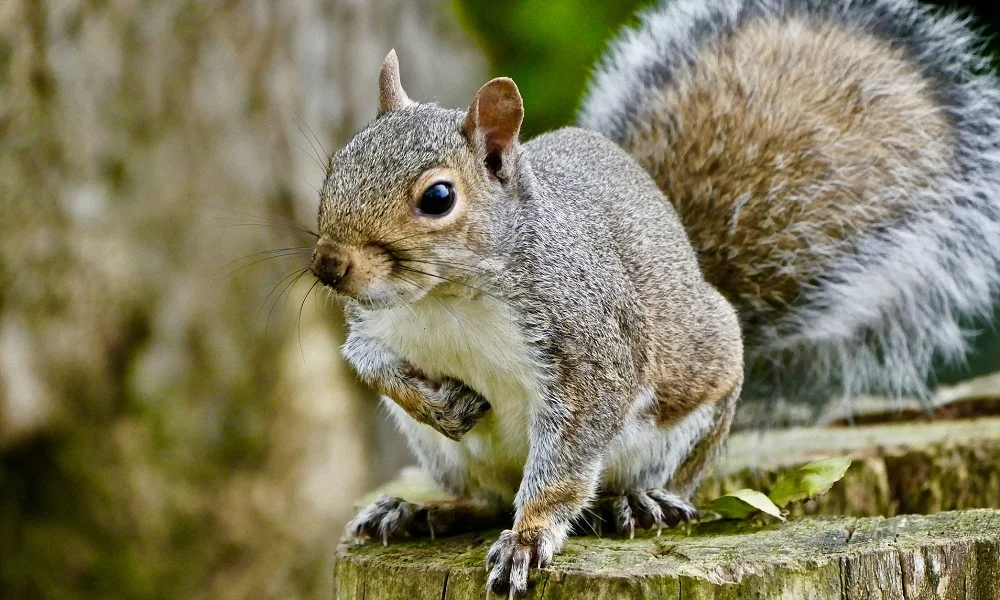
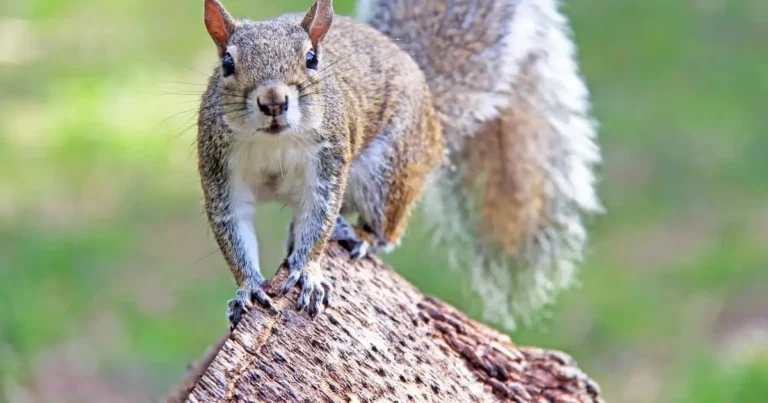
Squirrels are fast, curious animals that inspect every corner of yards and parks for food sources. They test feeder locks and leap onto tiny perches to figure out complex obstacles. While exploring, they must stay alert for predators, which you can learn about in animals that eat squirrels.
Hiding hundreds of nuts each autumn requires sharp spatial memory and relentless foraging behavior. Searching suburban trees keeps these restless, curious animals actively engaged with their surroundings. Their acrobatic jumps across tree branches display incredible physical balance.
Otters
- Scientific name: Lutrinae
- Class: Mammalia
- Diet: Carnivore
Otters are playful, curious animals that use stones and floating debris as interactive toys in rivers. Their extreme body flexibility lets them twist into tiny crevices while searching for hidden prey. Learn more about limber creatures in our article on flexible animals in the world.
Paws equipped with sensitive whiskers help them locate food hidden under riverbed stones. Constant play doubles as essential skill training for these active, curious animals. Their buoyant fur keeps them warm while swimming through freezing waters.
Giraffes
- Scientific name: Giraffa
- Class: Mammalia
- Diet: Herbivore
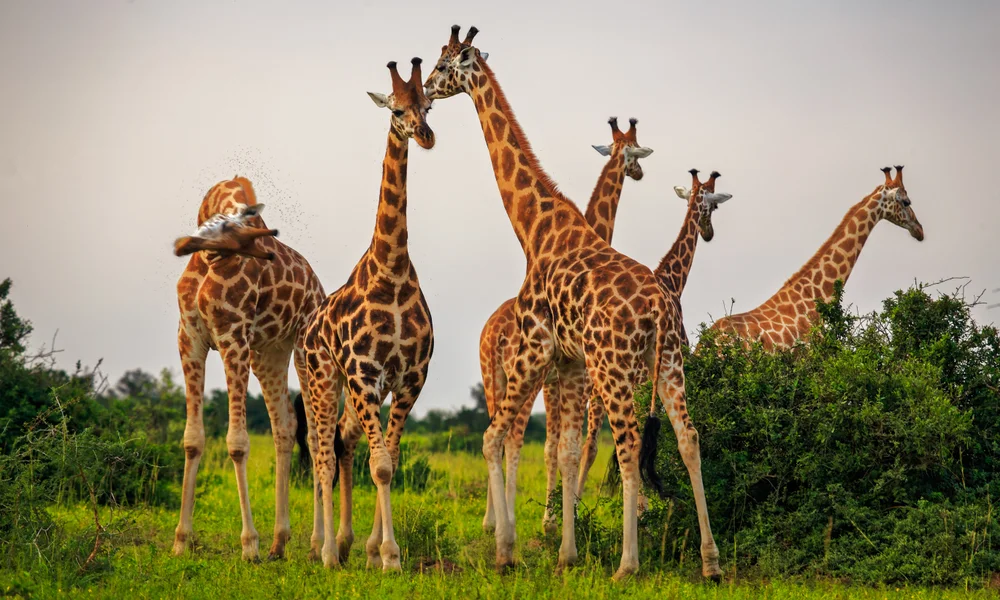
Giraffes are tall, curious animals that use their long necks and tongues to inspect high canopy foliage. Their high vantage point allows them to observe distant changes across open savannah landscapes. Despite their size, they explore desert trees like those in animals that eat cactus.
Prehensile tongues let them carefully strip leaves from thorny acacia branches without injury. Surveying wide open plains gives these majestic, curious animals an early warning against approaching predators. Their unique height provides a distinct perspective unmatched in wildlife.
Axolotl
- Scientific name: Ambystoma mexicanum
- Class: Amphibia
- Diet: Carnivore
Axolotls are unique, curious animals that swim up to aquarium walls to observe movement outside their tanks. They closely inspect live food and floating objects in their freshwater habitats with slow interest. Their calm attentiveness makes them fascinating curious animals among amphibians.
Regenerative abilities make them a prime focus for medical researchers and scientists worldwide. Remaining in a larval state throughout adulthood keeps these aquatic, curious animals looking youthful. Their feather-like external gills give them a distinct, enchanting appearance.
Crows
- Scientific name: Corvus
- Class: Aves
- Diet: Omnivore
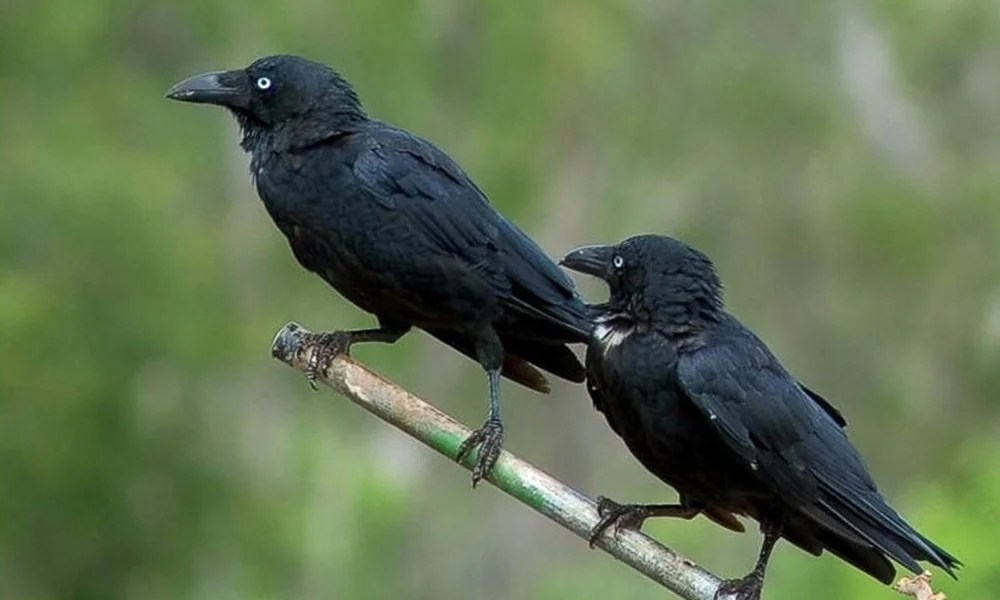
Crows are incredibly intelligent and curious animals known to pick up shiny objects and test tools. They memorize human faces, solve complex sequential puzzles, and observe human behavior closely. Their sharp problem-solving capabilities put them near the top of smart curious animals.
Crafting hooks from twigs to extract insects demonstrates advanced planning and tool modification. Passing learned knowledge down to younger generations keeps these clever, curious animals thriving everywhere. Their complex calls allow them to communicate detailed warnings across distances.
Platypus
- Scientific name: Ornithorhynchus anatinus
- Class: Mammalia
- Diet: Carnivore
The platypus is a fascinating curious animal that uses electrolocation in its bill to search dark riverbeds. They continuously probe underwater mud and rocks to discover small crustaceans and larvae. Their unique hunting method makes them extraordinary curious animals of the water.
Closing their eyes, ears, and nostrils underwater forces reliance on electrical impulse detection. This sensory setup allows these egg-laying, curious animals to hunt efficiently in murky creeks. Their unusual mammalian traits make them evolutionary marvels of nature.
Hamster
- Scientific name: Cricetinae
- Class: Mammalia
- Diet: Omnivore
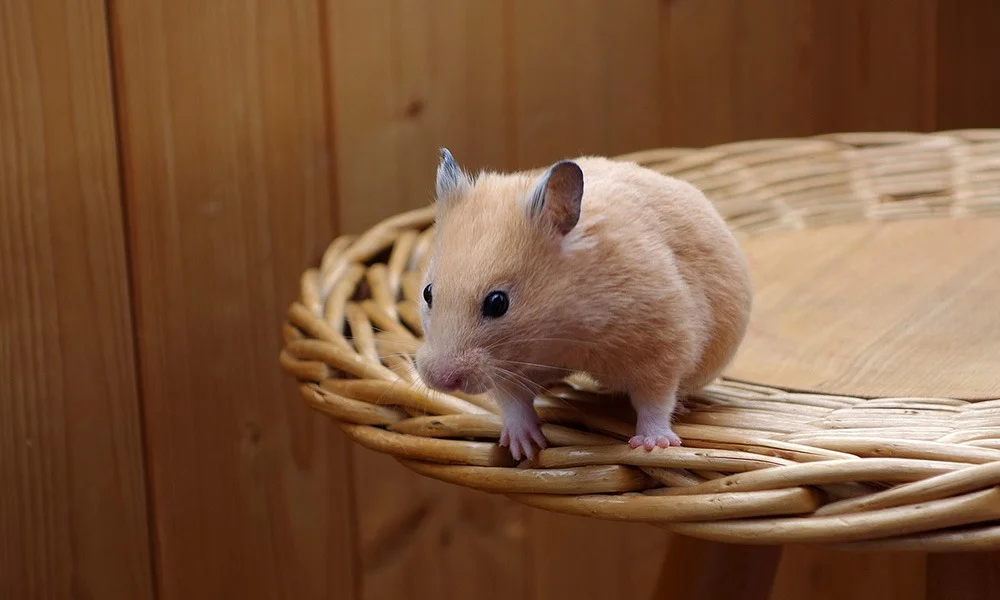
Hamsters are small curious animals that spend hours exploring underground tunnels and cage mazes. They sniff every new object, chew on fresh materials, and map out their living spaces carefully. Their tireless nocturnal activity keeps these tiny curious animals constantly engaged.
Spacious cheek pouches allow them to transport gathered food back to hidden storage chambers. Storing provisions satisfies the deep survival instincts present in these industrious, curious animals. Their energetic wheel running reflects an innate desire for constant movement.
Spider
- Scientific name: Araneae
- Class: Arachnida
- Diet: Carnivore
Jumping spiders are remarkably curious animals that actively track movement and stare at human fingers. Unlike many insects, they visually inspect their surroundings before deciding to jump or explore. Their keen awareness sets them apart from most small creeping creatures.
Multiple pairs of eyes give them excellent depth perception and wide-angle visual coverage. Spotting prey from inches away requires sharp spatial tracking from these tiny, curious animals. Their calculated leaps showcase precision engineering on a microscopic scale.
Badger
- Scientific name: Meles meles
- Class: Mammalia
- Diet: Omnivore
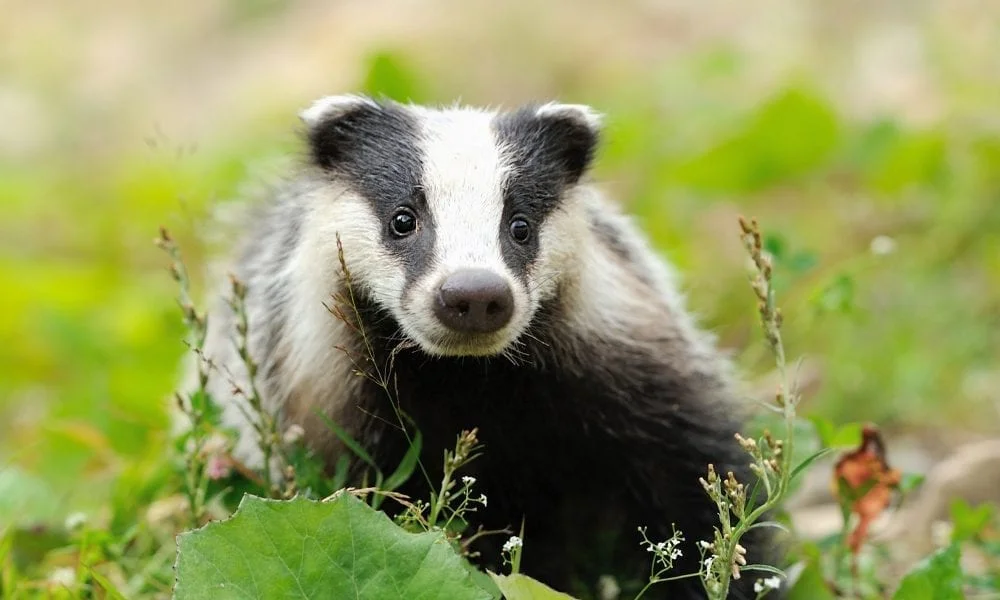
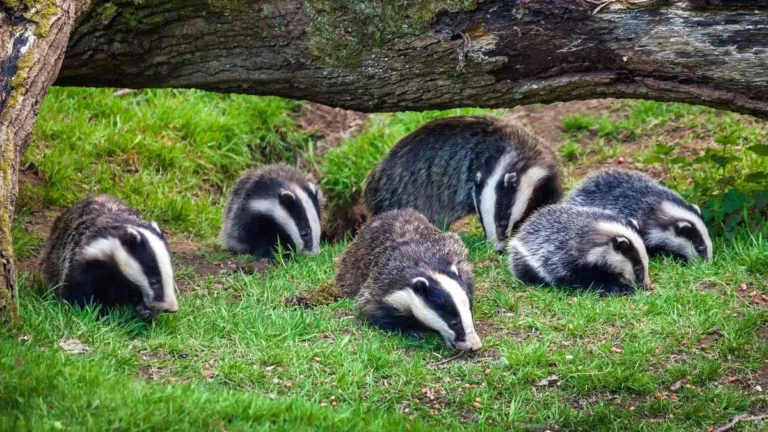
Badgers are tenacious, curious animals that dig extensive burrow systems to investigate subterranean environments. They actively follow scents and forage through leaf litter to uncover insects and small prey. Learn more about specific species in our guide on badgers in maine facts.
Powerful claws enable them to break through tough soil during nightly hunting excursions. Underground setts expanded over generations offer shelter for these persistent, curious animals. Their sturdy body build makes them formidable burrowers in dense woodlands.
Kea Parrot
- Scientific name: Nestor notabilis
- Class: Aves
- Diet: Omnivore
The alpine Kea parrot is renowned as one of the most dangerously curious animals in New Zealand. They inspect vehicles, pull rubber seals off windshields, and open tourists’ backpacks out of pure curiosity. Their bold, inquisitive nature makes them famous intelligent birds.
Thriving in harsh mountain snowfields requires persistent resourcefulness and collaborative problem-solving tactics. Working in pairs allows these clever, curious animals to dismantle tricky containers with ease. Their playful antics draw visitors from around the world.
Coconut Crab
- Scientific name: Birgus latro
- Class: Malacostraca
- Diet: Omnivore
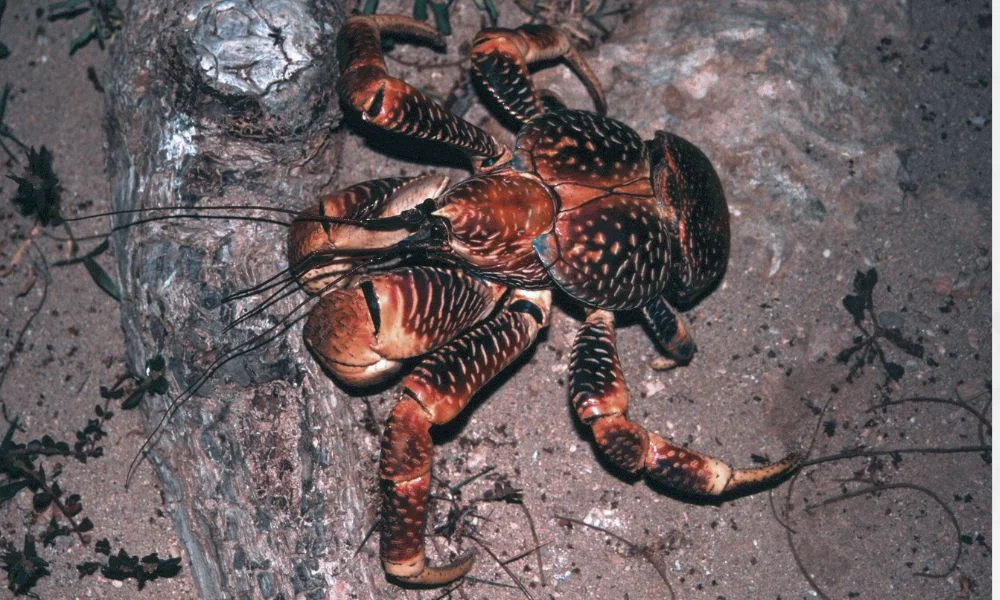
The coconut crab is a massive, curious animal that roams tropical islands searching for food sources. They inspect fallen fruit, trash containers, and campsite gear using powerful, curious claws. You can read more about fruit-eating wildlife in our guide on animals that eat coconuts.
An exceptional sense of smell guides them toward ripe fruits across long island distances. Cracking open tough shells showcases the immense power possessed by these giant, curious animals. Their nocturnal foraging habits help keep island ecosystems clean and balanced.
Conclusion
From the ocean depths to high canopy forests, curious animals demonstrate how investigative behavior drives survival and learning. Whether it is an octopus opening a jar or a parrot solving a puzzle, curiosity reveals cognitive strength. Observing these creatures reminds us of the shared connection across all living species on Earth.
Future scientific research will undoubtedly uncover more astonishing traits among these intelligent species. Protecting fragile wildlife habitats ensures these remarkable behaviors endure for future generations to study. Embracing environmental conservation helps protect the rich tapestry of life on Earth.
FAQs
What is The Most Curious Animal in The World?
The octopus, along with primates like chimpanzees and crows, is often considered among the most curious animals due to high problem-solving abilities.
Why are Animals Curious?
Curiosity helps animals discover new food sources, evaluate potential threats, adapt to environmental changes, and find safe shelter.
Can Curious Behavior in Animals be a Sign of High Intelligence?
Yes, high levels of curiosity are closely linked to advanced cognitive skills, tool use, and complex learning capabilities in animals.