Top 15 Animals That Eat Squirrels (With Images)
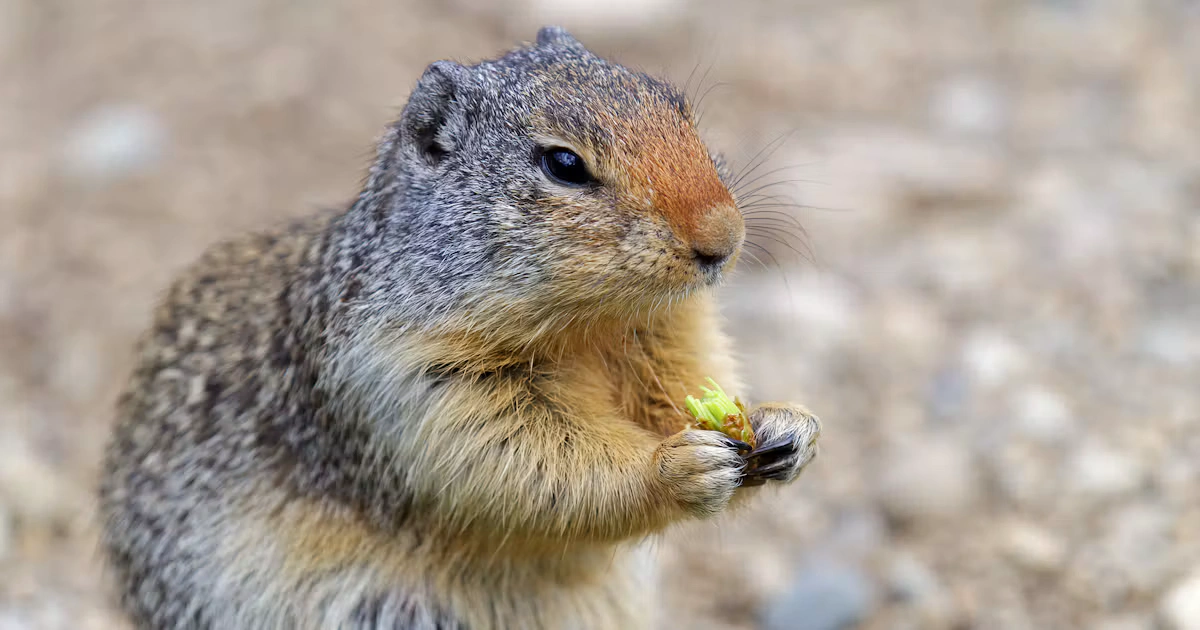
Squirrels are fast, agile, and clever rodents, but they still occupy a lower position on the food chain, making them frequent targets for various predators.
Understanding which creatures hunt these bushy-tailed rodents provides great insight into local ecosystem dynamics and food webs across diverse global habitats. Whether in dense pine forests, urban parks, or open grasslands, numerous species rely on these agile rodents as a vital source of daily nutrition.
List of Animals That Eat Squirrels (add 3 more animals)
Here is the clean list of all 15 animals:
- Hawk
- Raccoon
- Coyote
- Great Horned Owl
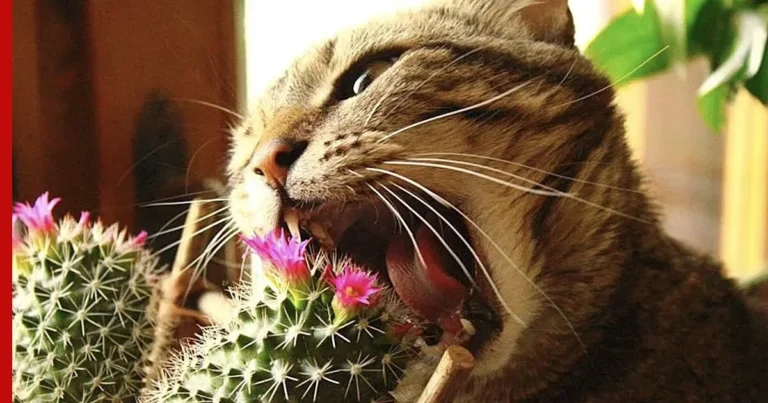
- Domestic Cat
- Eagle
- Alligator
- Snakes
- Gray Wolf
- Weasel
- Fox
- Bobcat
- Badger
- Marten
- Fisher
Hawk
- Scientific name: Buteo jamaicensis
- Class: Aves
- Diet: Carnivore
This majestic bird hunts from above with sharp vision. Many people compare its hunting agility to some animals with lowest IQ that lack survival instincts. It targets tree-dwelling rodents effortlessly every single day.
Soaring high above the tree canopy, this bird of prey uses acute eyesight to spot even the slightest movement below. Once a target is locked, it executes a rapid dive to secure its meal. Its mastery of open skies ensures that few arboreal creatures can escape its initial surveillance.
Raccoon
- Scientific name: Procyon lotor
- Class: Mammalia
- Diet: Omnivore
Clever paws allow this masked mammal to raid nests. You can find more foraging habits detailed under animals that eat cactus and similar guides. It grabs tiny prey while exploring dark forests.
Using its highly dexterous front paws, this nocturnal scavenger easily opens tree hollows and nests. It relies on its incredible adaptability to find food sources in both wild forests and suburban neighborhoods. Nighttime foraging expeditions frequently result in successful encounters with resting rodents.
Coyote
- Scientific name: Canis latrans
- Class: Mammalia
- Diet: Carnivore
As a versatile hunter, this canine catches fast creatures. Its survival tactics match the endurance seen in hard-working animals in the world. It patrols open fields looking for easy meals.
Thriving across diverse North American landscapes, this adaptable predator often seizes ground-foraging rodents by surprise. Working alone or in loose pairs, it uses speed and cunning to run down its quarry. Their opportunistic hunting style makes them highly efficient predators in brushlands.
Great Horned Owl
- Scientific name: Bubo virginianus
- Class: Aves
- Diet: Carnivore
Silent nocturnal flights help this bird capture resting wildlife. Its stealth hunting style mirrors unique traits found in flexible animals in the world. Darkness provides total cover for its nightly hunts.
Equipped with specialized feathers that muffle sound, this fierce hunter drops silently from branches onto unsuspecting targets. Its powerful talons and excellent night vision make it a formidable nighttime predator. Nestled high in tree hollows, nocturnal prey stands little chance against its silent approach.
Domestic Cat
- Scientific name: Felis catus
- Class: Mammalia
- Diet: Carnivore
Felines use unmatched stealth to stalk urban backyard wildlife. Their playful energy resembles traits of most energetic animals in the world. They hunt small creatures purely out of natural instinct.
Often acting on predatory instinct rather than hunger, house pets and feral cats frequently patrol gardens and parks. Their patient stalking skills allow them to catch agile rodents off guard near human settlements. Urban ecosystems often see high predation rates from free-roaming domestic felines.
Eagle
- Scientific name: Aquila chrysaetos
- Class: Aves
- Diet: Carnivore
Soaring high above, this raptor spots tiny moving targets. Its joyful soaring resembles behavior seen in happiest animals in the world. Powerful talons secure the prey during sudden dives.
Possessing immense size and unmatched aerial strength, this magnificent bird dominates open skies and mountainous regions. It swoops down with breathtaking speed to snatch up unwary creatures from the ground or low branches. High mountain peaks and deep valleys serve as their primary hunting domains.
Alligator
- Scientific name: Alligator mississippiensis
- Class: Reptilia
- Diet: Carnivore
Water banks become dangerous when this reptile waits patiently. Its feeding habits are as unique as diet choices of animals that eat coconuts. Careless drinkers near water edges face swift capture.
Ambush tactics define this ancient aquatic hunter as it lurks near riverbanks and swamp edges. When a thirsty mammal comes down to the water’s edge, the reptile strikes with explosive power. Submerged patience allows it to secure varied terrestrial meals effortlessly.
Snakes
- Scientific name: Serpentes
- Class: Reptilia
- Diet: Carnivore
Silent slithering lets these reptiles ambush unsuspecting tree climbers. Their slow movement contrasts sharply with most energetic animals in the world. They strike quickly when prey comes within reach.
Climbing branches or waiting on the forest floor, various constrictor and venomous serpent species specialize in unexpected strikes. They swallow their catch whole after subduing it through constriction or venom. Forest floors and low-hanging tree branches provide ideal ambush platforms.
Gray Wolf
- Scientific name: Canis lupus
- Class: Mammalia
- Diet: Carnivore
Pack leaders occasionally catch smaller food items when hungry. Their group coordination matches traits of hard-working animals in the world. Every member helps sustain the entire family unit.
While typically targeting large ungulates, these powerful social canids will opportunistically consume smaller fauna when larger prey is scarce. Their expansive territory covers dense forests where arboreal rodents frequently roam. Pack dynamics ensure that even minor food sources contribute to overall survival.
Weasel
- Scientific name: Mustela nivalis
- Class: Mammalia
- Diet: Carnivore
Slender bodies let these small hunters enter tight burrows. Their incredible bendability resembles traits of flexible animals in the world. Speed helps them overwhelm much larger forest dwellers.
Despite their diminutive size, these fierce carnivores exhibit remarkable bravery and high metabolism. They can easily pursue quarry deep into underground tunnels and tight tree cavities. Their relentless pursuit makes them feared hunters within small-mammal communities.
Fox
- Scientific name: Vulpes vulpes
- Class: Mammalia
- Diet: Omnivore
Cunning tricks help this orange predator catch elusive prey. Its clever problem-solving contrasts with animals with lowest IQ. Rural landscapes provide endless hunting opportunities for them.
Utilizing a specialized hunting technique that involves leaping high and plunging nose-first into snow or grass, this canine excels at catching hidden wildlife. Its opportunistic diet includes a wide variety of small woodland creatures. Fields and forest edges offer prime locations for their daily foraging.
Bobcat
- Scientific name: Lynx rufus
- Class: Mammalia
- Diet: Carnivore
Hidden brush gives this spotted hunter a perfect advantage. Its playful stalking moves resemble traits of happiest animals in the world. Quiet footsteps ensure successful woodland ambushes daily.
Solitary and elusive, this wild feline relies on camouflage and patience to ambush prey in thick underbrush. Its sharp retractable claws make quick work of any fast-moving arboreal target it encounters. Rocky outcrops and dense thickets provide perfect cover for daily hunts.
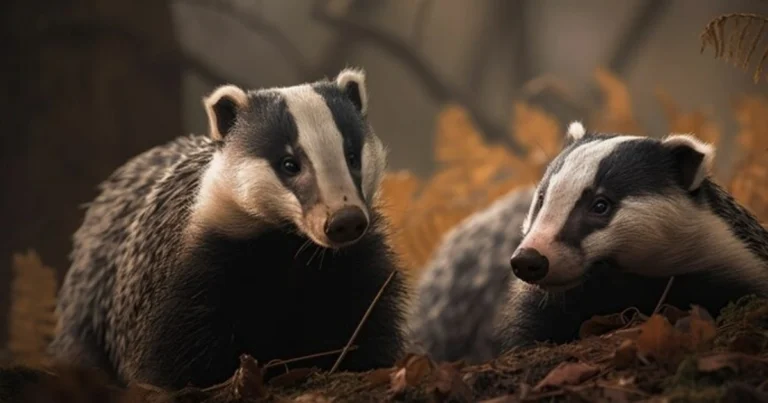
Badger
- Scientific name: Taxidea taxus
- Class: Mammalia
- Diet: Omnivore
Strong claws enable this mammal to dig out hidden nests. Its unique diet breadth matches creatures like animals that eat cactus. Ground burrows offer them a steady supply of meat.
Renowned for their exceptional digging proficiency, these stout mammals can excavate entire burrow systems to reach resting targets. Their tough skin and fierce disposition protect them during underground confrontations. Open grasslands and meadows are their favorite hunting grounds.
Marten
- Scientific name: Martes americana
- Class: Mammalia
- Diet: Carnivore
Agile tree climbing makes this predator an expert hunter. Its flexible spine mirrors features of flexible animals in the world. Thick pine forests serve as its primary hunting ground.
Native to northern coniferous woodlands, this slender hunter navigates treetops with grace that rivals the prey it chases. Its combination of speed and agility makes it a persistent threat in forest canopies. Pine branches provide a seamless highway for its predatory patrols.
Fisher
- Scientific name: Pekania pennanti
- Class: Mammalia
- Diet: Carnivore
Rare forest predators specialize in tackling fast arboreal runners. Their high stamina rivals the most energetic animals in the world. Dense canopies protect them while tracking down meals.
As one of the few specialized predators capable of hunting porcupines, this resilient mustelid easily captures swift tree-dwellers as well. It moves fluidly between forest floors and high branches in search of food. Deep forest habitats support their active lifestyle and high daily energy needs.
Final Words
Predation plays a crucial role in maintaining balanced natural ecosystems by keeping rodent populations in check. From birds of prey soaring above the canopy to stealthy ground mammals lurking in the brush, numerous species depend on these animals for survival.
Recognizing these ecological relationships helps us appreciate the intricate web of life operating just beyond our doorsteps.
FAQs
Q: Do Domestic Cats Hunt Squirrels Regularly?
A: Yes, outdoor and feral cats frequently stalk and catch small rodents as part of their natural predatory instincts.
Q: What Bird of Prey is Most Common for Hunting Squirrels?
A: Hawks and owls are the primary avian predators that actively target tree-dwelling rodents using sharp talons and acute vision.
Q: Are Squirrels at the Bottom of the Food Chain?
A: While they possess great agility and defensive tactics, they occupy a lower trophic level and serve as prey for many carnivores and omnivores.