Top 12 Animals That Eat Ants (With Images)
Ants are one of the most abundant insects on Earth, making them a primary food source for many predators. Many animals that eat ants rely on specialized claws, sticky tongues, and unique hunting tactics to feed on colony mounds. Learning about animals that eat ants highlights the fascinating ways species adapt to utilize abundant natural food sources.
Understanding these specialized diets reveals the balance within complex forest and desert ecosystems. Predators help control insect populations while deriving essential energy from densely populated ant nests. Every ecosystem relies on animals that eat ants to keep subterranean populations stable and healthy.
List of Animals That Eat Ants
Here is the complete list of all 12 animals that eat ants featured in the article:
- Giant Anteater
- Jumping Spider
- House Gecko
- Antlions
- Aardvark
- Wrens
- Horned Lizards
- Pangolins
- Orangutan
- Echidnas
- Fire Ants
- Numbats
Giant Anteater
- Scientific name:Myrmecophaga tridactyla
- Class: Mammalia
- Diet: Insectivore
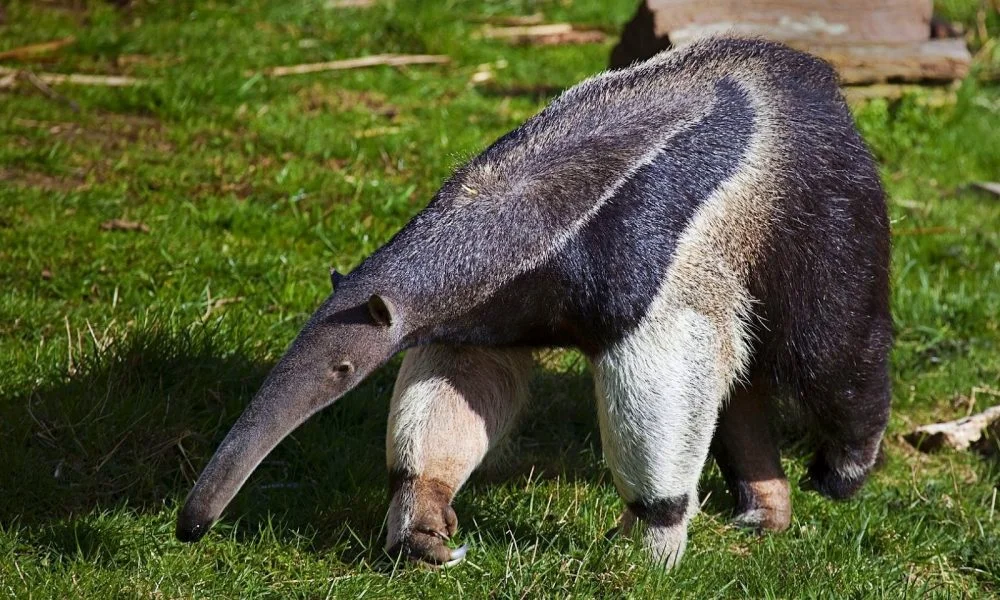
The giant anteater is among the most famous animals that eat ants, consuming thousands of insects every day. Equipped with a two-foot-long sticky tongue, it rapidly gathers prey from disturbed underground mounds. Its specialized anatomy makes it one of the most dedicated animals that eat ants in Central and South America.
Powerful front claws easily tear open rock-hard termite mounds and subterranean ant nests. Its long snout protects its eyes and face from defensive bites while feeding. You can learn about other active species in our article on most energetic animals in the world.
Jumping Spider
- Scientific name:Salticidae
- Class: Arachnida
- Diet: Carnivore
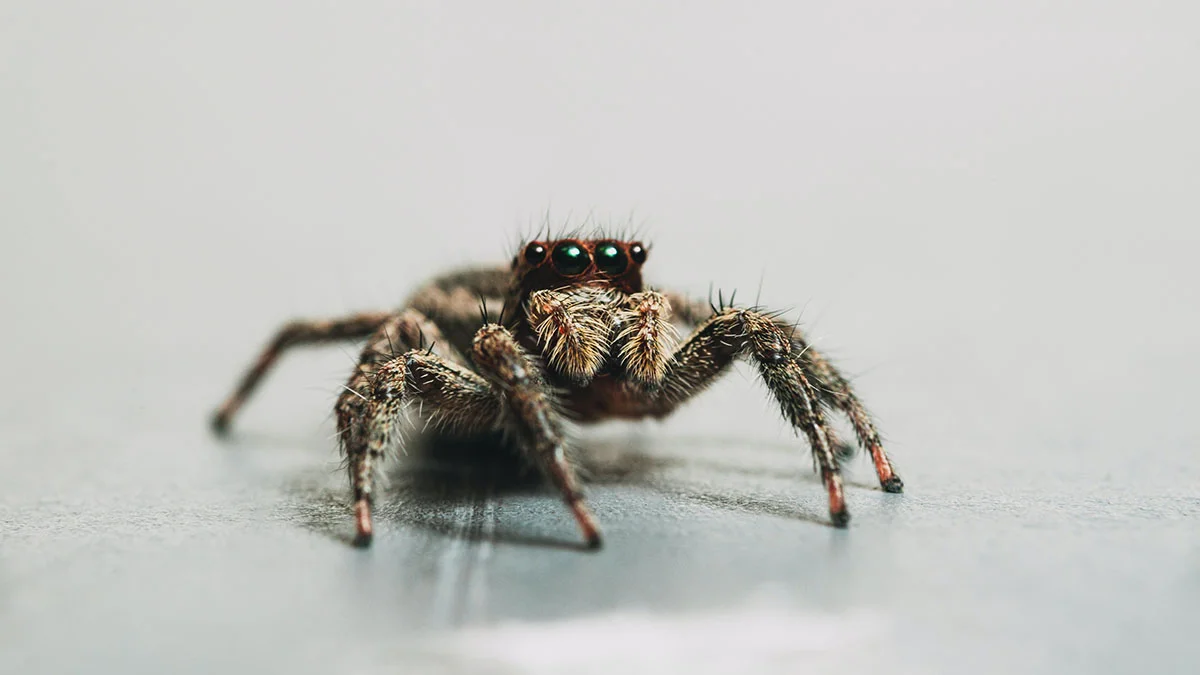
Jumping spiders are agile animals that eat ants using precise vision and calculated leaps to capture prey. Certain species mimic ant appearances to blend into colonies before striking individual workers without detection. Their opportunistic hunting style proves that even small animals that eat ants can be remarkably effective predators.
Their exceptional eyesight allows them to track fast-moving insects across tree bark and foliage. Their physical flexibility lets them twist and pounce instantly onto unsuspecting prey. Discover more nimble species in our breakdown of flexible animals in the world.
House Gecko
- Scientific name:Hemidactylus frenatus
- Class: Reptile
- Diet: Insectivore
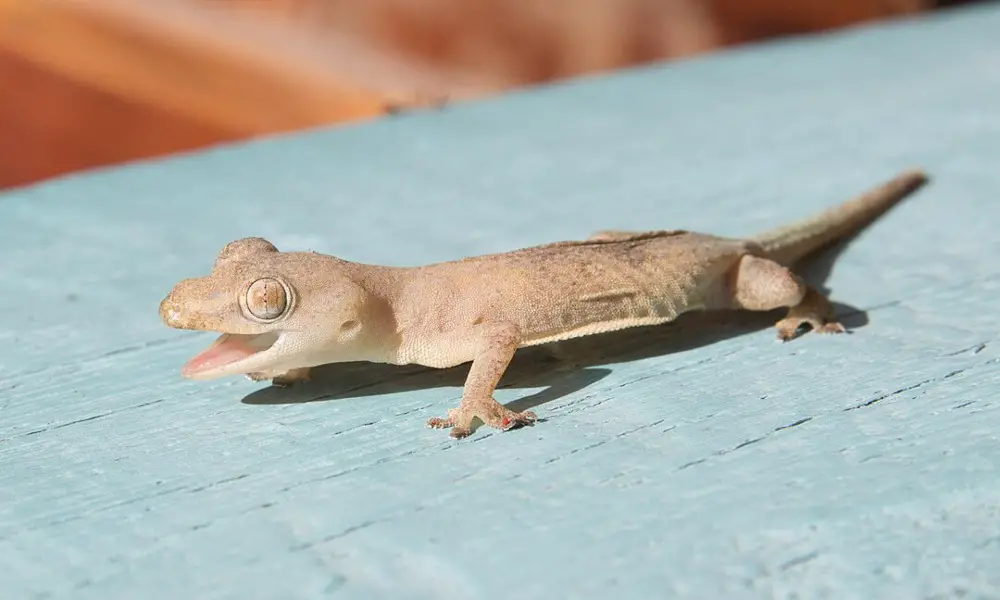
House geckos are common animals that eat ants around homes, gardens, and outdoor light fixtures at night. They wait near active foraging trails, snapping up passing worker ants with quick, decisive jaw movements. Their presence around human dwellings makes them reliable animals that eat ants in suburban landscapes.
Specialized toe pads enable them to scale vertical walls and ceilings in pursuit of crawling insects. Their active nighttime foraging helps keep domestic pest populations under control naturally. Observing these lizards demonstrates how suburban wildlife adapts to human environments.
Antlions
- Scientific name:Myrmeleontidae
- Class: Insecta
- Diet: Carnivore
Antlion larvae are fascinating animals that eat ants by building conical sand traps in dry soil regions. Unwary ants slip down the loose sandy slopes directly into the waiting jaws of the buried predator below. These clever insect larvae are classic examples of animals that eat ants using passive trap mechanics.
Shedding loose sand upward prevents struggling prey from escaping the steep walls of the pit. Their patience and persistent trap maintenance showcase incredible survival tactics in harsh sandy environments. Read about other industrious species in our guide on hard working animals in the world.
Aardvark
- Scientific name:Orycteropus afer
- Class: Mammalia
- Diet: Insectivore
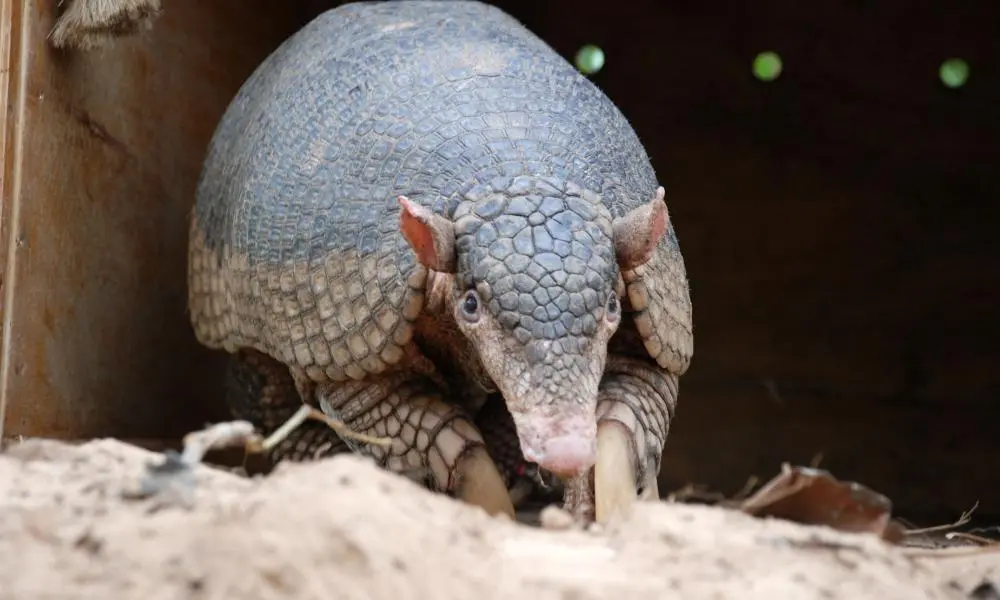
The aardvark is a powerful burrower among animals that eat ants, using sturdy limbs to excavate deep mounds. Its thick skin shields it from painful bites while its long tongue laps up subterranean insects at night. These nocturnal mammals represent essential animals that eat ants across African savannah environments.
Sharp claws break open hardened earth quickly, allowing rapid access to rich insect chambers. Thick nasal flaps keep dirt and insects from entering their airway during heavy digging. Their burrows often provide crucial shelter for other savannah wildlife later on.
Wrens
- Scientific name:Troglodytidae
- Class: Aves
- Diet: Insectivore
Wrens are energetic avian animals that eat ants while foraging through low bushes, leaf litter, and fallen bark. They peck systematically at soil and tree trunks to disturb and devour small insects along ground trails. These vocal songbirds are frequent animals that eat ants in North American woodlands and gardens.
While exploring low branches and fallen logs, they remain alert for larger woodland predators. Their foraging routes often overlap with areas where birds face threats, as discussed in animals that eat squirrels. Their quick hops allow them to cover large areas of garden soil efficiently.
Horned Lizards
- Scientific name:Phrynosoma
- Class: Reptile
- Diet: Insectivore
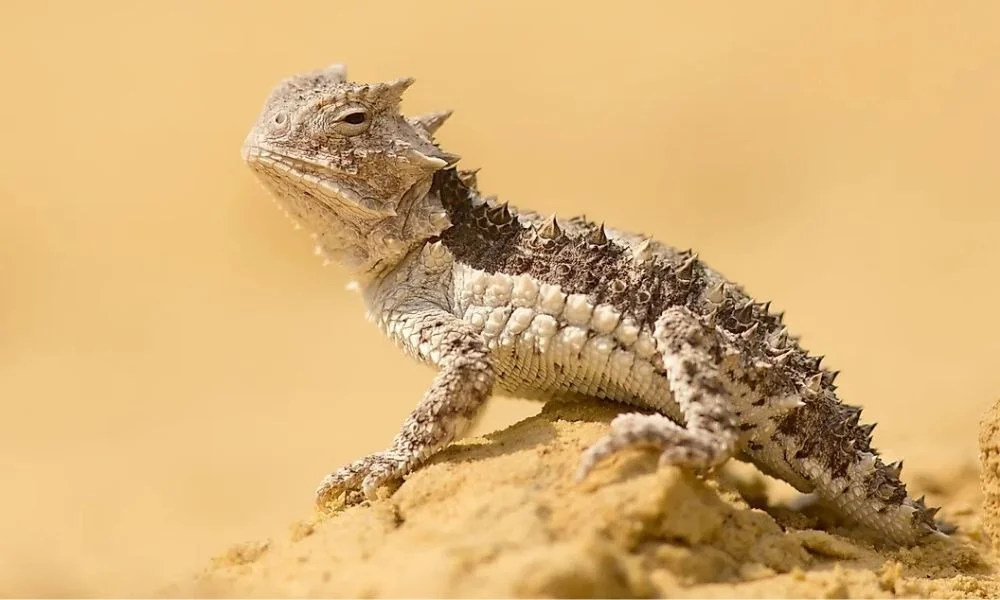
Horned lizards are specialized animals that eat ants, sitting motionlessly beside harvester ant trails to ambush prey. Their flattened bodies blend into desert sands, while specialized blood chemistry neutralizes ant venom safely. Their unique hunting adaptation solidifies their reputation among animals that eat ants in arid regions.
Spiny scales cover their bodies, providing excellent defense against larger desert predators. Their ability to thrive in dry environments mirrors creatures featured in animals that eat cactus. They can consume hundreds of harvester ants in a single feeding session.
Pangolins
- Scientific name:Pholidota
- Class: Mammalia
- Diet: Insectivore
Pangolins are scaled animals that eat ants using long, sticky tongues anchored deep inside their chest cavities. Lacking teeth entirely, they rely on powerful stomach walls to digest tough insect exoskeletons thoroughly. These unique armored creatures are extraordinary animals that eat ants in tropical forest habitats.
Keratin scales cover their entire bodies, providing protection against bites and environmental hazards. When threatened, they roll into tight, impenetrable balls to deter curious woodland predators. Learn about other curious forest dwellers in our list of top mischievous animals.
Orangutan
- Scientific name:Pongo
- Class: Mammalia
- Diet: Omnivore
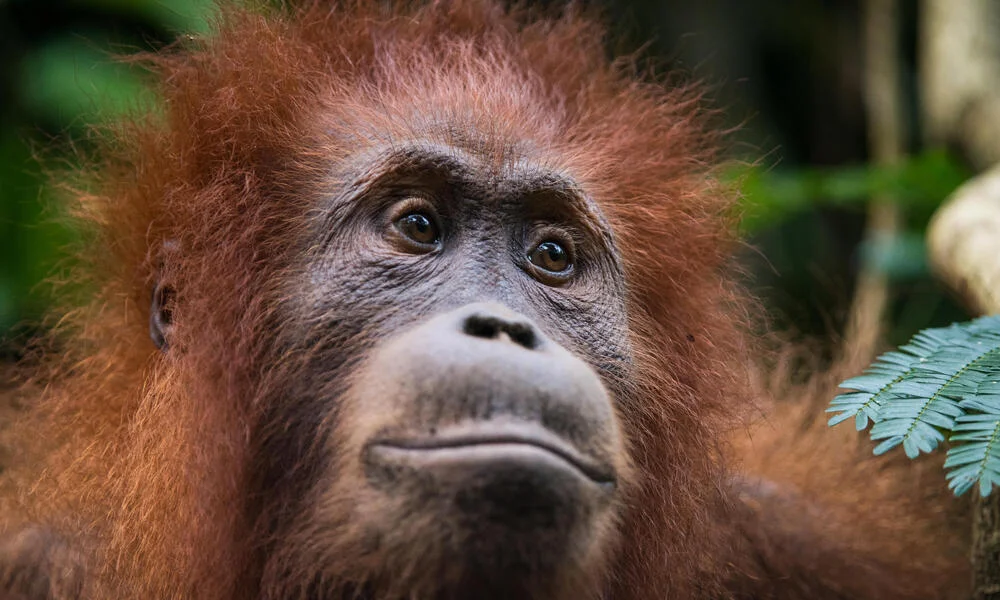
Orangutans are intelligent primates and surprising animals that eat ants by using sticks as rudimentary probing tools. They strip leaves from twigs, inserting them into tree hollows to extract defensive arboreal ant species. Their tool-assisted foraging proves that highly smart animals that eat ants exist in rainforest canopies.
High up in rainforest canopies, they gather fruits, leaves, and insect larvae during daily foraging trips. Their cheerful demeanor and playful nature often earn them recognition among the happiest animals in the world. Their deep forest knowledge allows them to locate nutrient-rich nests with ease.
Echidnas
- Scientific name:Tachyglossidae
- Class: Mammalia
- Diet: Insectivore
Echidnas are egg-laying spiny animals that eat ants by breaking apart rotting logs with powerful clawed feet. Their long snouts contain sensitive hyoid muscles that drive rapid sticky tongue movements underground. These unusual Australian monotremes are remarkable animals that eat ants across diverse forest landscapes.
Spines covering their backs offer formidable defense against predatory dingoes and large birds. Their slow locomotion and low metabolic rate help them conserve energy in dry habitats. Their distinct combination of mammalian and reptilian traits makes them biological wonders.
Fire Ants
- Scientific name:Solenopsis
- Class: Insecta
- Diet: Omnivore
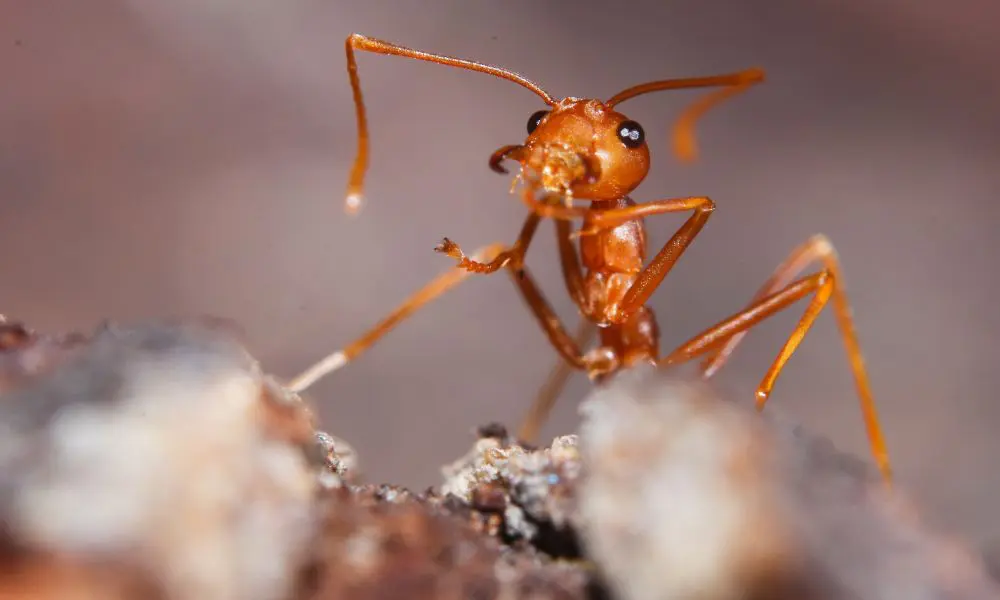
Fire ants themselves are territorial animals that eat ants from rival colonies during intense nest expansion wars. Raiding parties invade neighboring territories, consuming larvae and adult workers to eliminate local competition completely. These aggressive insects act as territorial animals that eat ants within their shared soil habitats.
Their painful venomous stings help them overpower larger prey and defend their queens effectively. Coordinated group communication allows thousands of workers to march together toward targeted resources. Their aggressive expansion tactics make them dominant invaders in warm climates worldwide.
Numbats
- Scientific name:Myrmecobius fasciatus
- Class: Mammalia
- Diet: Insectivore
The numbat is a diurnal marsupial among animals that eat ants, using its keen sense of smell to locate shallow galleries. Unlike nocturnal insectivores, it hunts exclusively during daylight hours when ants are actively moving. This specialized Western Australian mammal is a dedicated animal that eats ants exclusively in eucalyptus forests.
A sticky tongue extending up to four inches allows it to collect hundreds of insects quickly. Its striped coat provides camouflage among fallen timber, shielding it from overhead raptor attacks. For details on other specialized regional mammals, check out badgers in maine facts.
Final Thoughts
The wide variety of animals that eat ants shows how important insect control is for maintaining balanced environments. From mammals with sticky tongues to clever tool-using primates, predators have adapted remarkable strategies to hunt ants. Protecting these specialized creatures ensures natural insect management continues across ecosystems globally.
Preserving natural habitats protects the delicate relationships between these predators and their abundant prey. Continued conservation efforts allow these unique hunting behaviors to endure across changing landscapes. Every species on this list plays a vital role in maintaining ecosystem stability.
FAQs
Which Animal Eats the Most Ants Per Day?
The giant anteater can consume up to 30,000 ants and termites every single day using its long sticky tongue. Their rapid feeding pace allows them to gather thousands of insects before soldier ants can mount an effective defense. This high-volume diet provides the necessary calories to sustain their large body mass.
How do Animals Protect Themselves From Ant Bites While Eating?
Many animals that eat ants have thick skin, armored scales, or specialized blood chemistry that neutralizes venom and blocks stings. Burrowing species often close their nostrils and ears to prevent insects from crawling inside during feeding.
Do Birds Eat Ants?
Yes, many bird species, including wrens, woodpeckers, and flickers, actively feed on ants found on trees and ground soil. Birds frequently use their sharp beaks to probe bark crevices and dig into loose leaf litter for prey. Ants offer an abundant source of protein and essential nutrients for growing bird chicks.