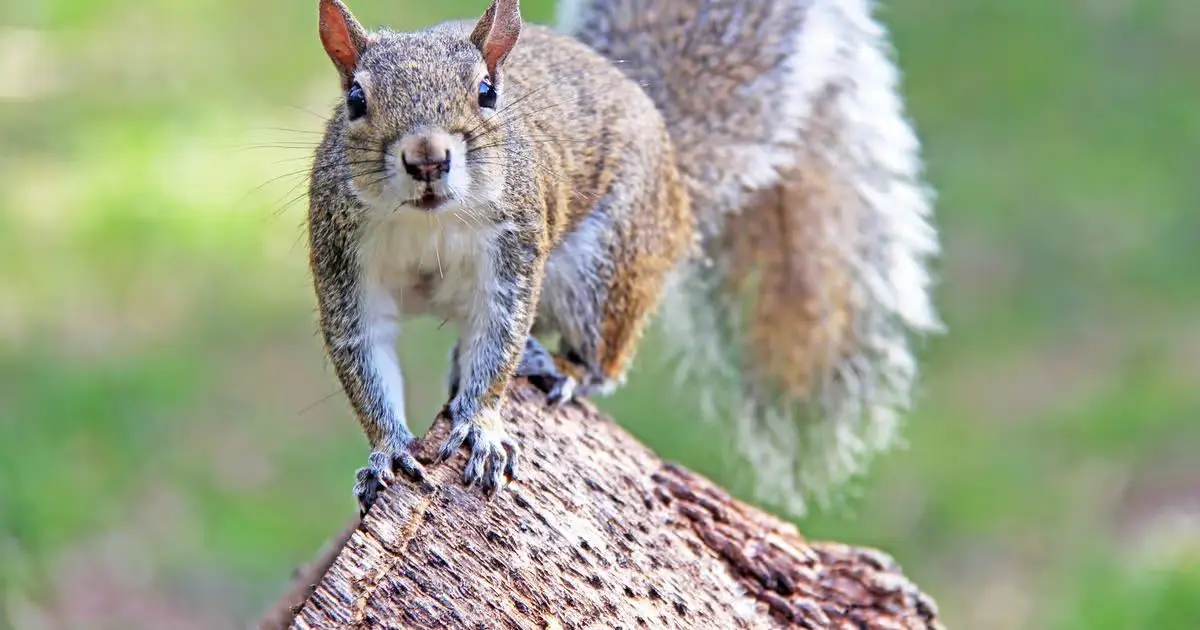
Top 20 Animals That Look Like Squirrels (With Pictures)
Many creatures across the globe share striking physical features with common tree squirrels. From bushy tails and rounded ears to sharp front incisors, these animals that look like squirrels often confuse observers in the wild.
In this comprehensive guide, we explore twenty different squirrel looking animals found in diverse habitats worldwide. Understanding their unique traits helps us appreciate the fascinating nature of wildlife evolution across continents.
List of Animals That Look Like Squirrels
- Groundhog
- Nutria
- Sugar Glider
- Anomalure
- Gundi
- Beaver
- Cameroon Scaly-Tail
- Chipmunk
- Chinchilla
- Jerboa
- Dormouse
- Hutia
- Gopher
- Agouti
- Laotian Rock Rat
- Muskrat
- Bushy-Tailed Woodrat
- Prairie Dog
- Flying Squirrel
- Tree Shrew
Groundhog
- Scientific Name: Marmota monax
- Class: Mammalia
- Diet: Herbivore
The groundhog is a stocky, heavy-bodied rodent that closely resembles an oversized squirrel. As one of the prominent animals that look like squirrels but bigger, it spends significant time burrowing deep underground to build complex tunnel networks.
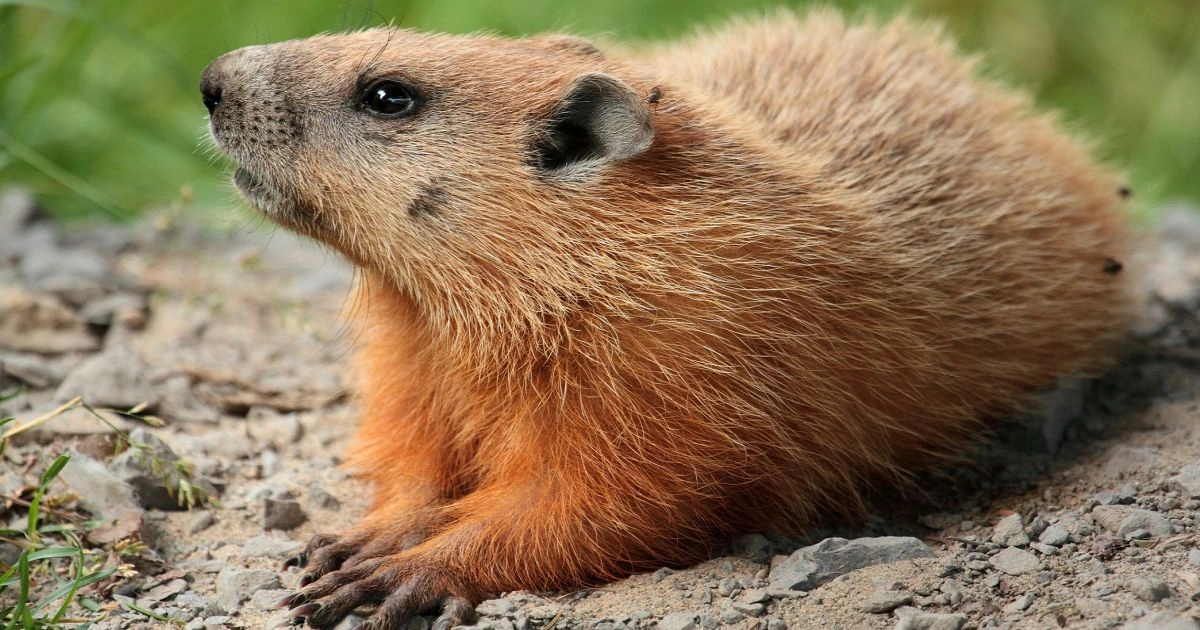
These heavy-bodied creatures belong to the marble family, making them true members of the squirrel group despite their bulky appearance. Their facial expressions, chewing habits, and sharp front teeth match those of their smaller tree-dwelling cousins.
When forage becomes scarce, these sturdy creatures graze on fields and garden produce. You can discover more about peculiar physical adaptations by reading about animals without tails in native ecosystems.
Nutria
- Scientific Name: Myocastor coypus
- Class: Mammalia
- Diet: Herbivore
The nutria is a large semi-aquatic rodent recognizable by its webbed hind feet and bright orange front teeth. It serves as an impressive example of an animal that looks like a squirrel but bigger roaming wetland environments.
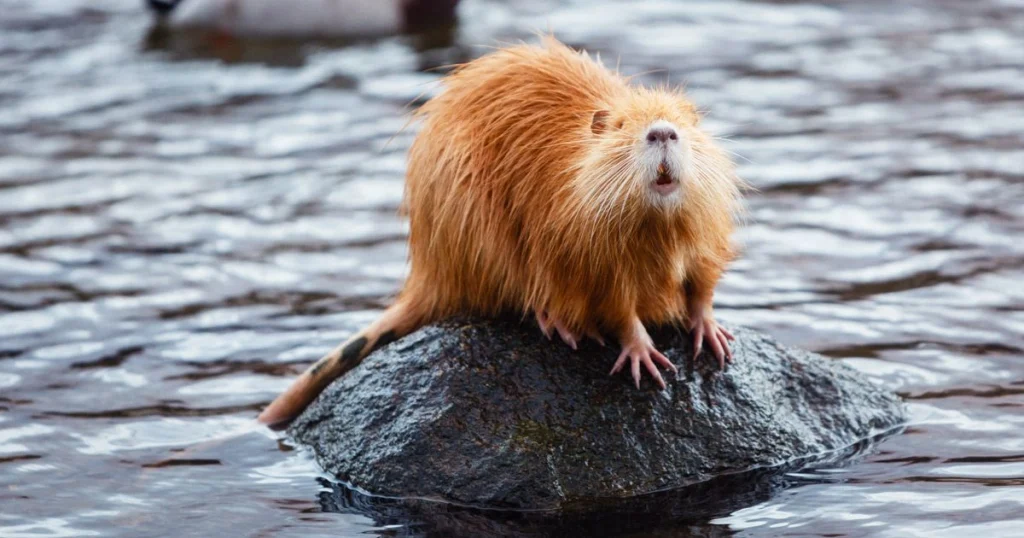
Native to South America, these creatures have adapted to living near riverbanks, marshes, and freshwater streams. They forage constantly along shoreline vegetation, using their powerful jaws to clear thick stems and roots daily.
These aquatic animals that gnaw their food can cause significant changes to local soil banks. You can explore other marsh inhabitants on our list of the dirtiest animals in the world to see how wetlands function.
Sugar Glider
- Scientific Name: Petaurus breviceps
- Class: Mammalia
- Diet: Omnivore
The sugar glider is a small marsupial that glides effortlessly between high forest branches. It stands out among animals that look like squirrels but smaller native to forests across Australia and New Guinea.
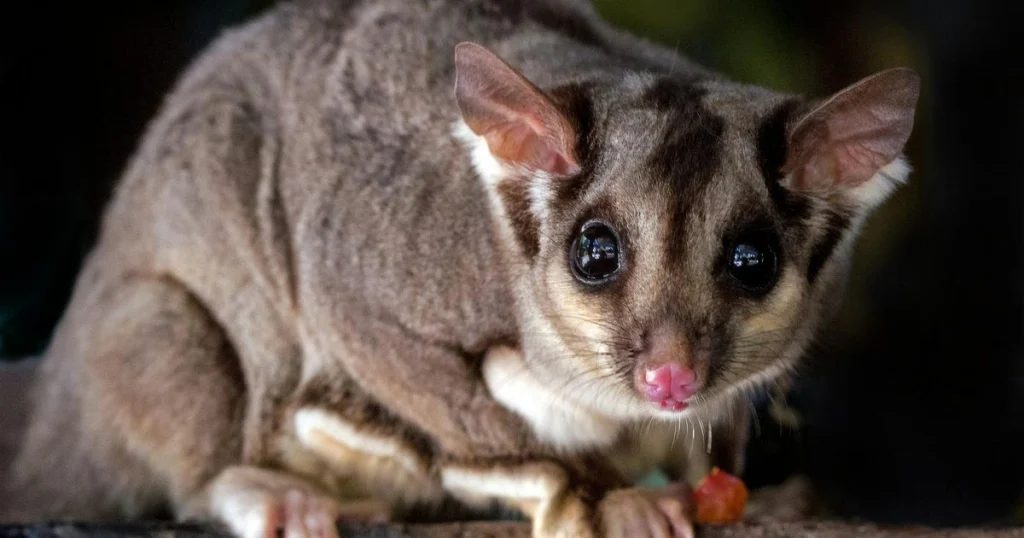
Equipped with a soft skin membrane stretching from wrist to ankle, these nocturnal squirrel like animals float silently through the night air. Their huge dark eyes allow them to navigate thick forest leaves while searching for food.
In addition to tree sap, they enjoy sugary nectar, insects, and small fruit bits. Their bushy tails help them balance gracefully during high leaps from trunk to trunk across the canopy.
Anomalure
- Scientific Name: Anomalurus
- Class: Mammalia
- Diet: Herbivore
Also widely known as the scaly-tailed squirrel, this arboreal rodent lives in tropical rainforests across West and Central Africa. These fascinating animals similar to squirrels use gliding membranes to travel between forest branches.
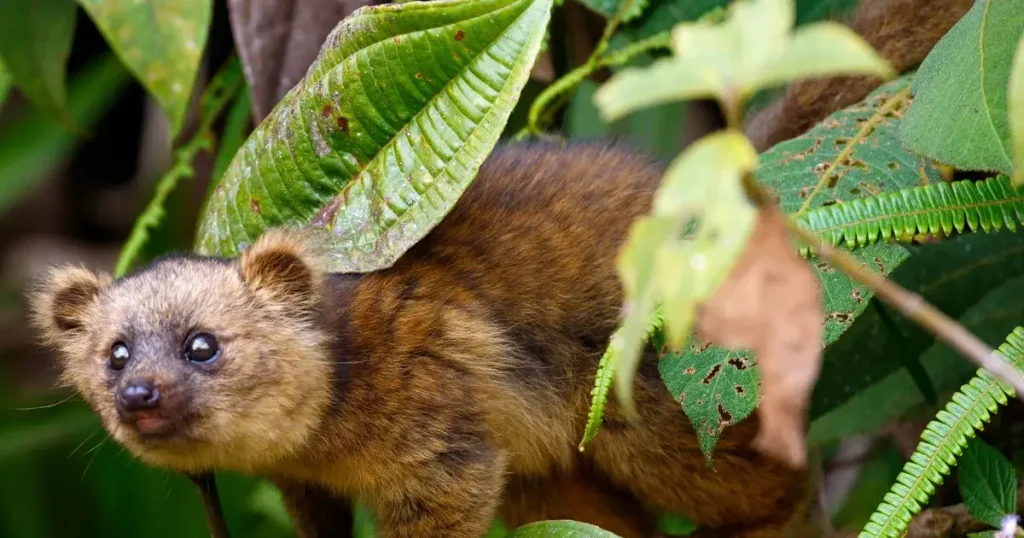
Although they look almost identical to tree squirrels, they belong to an entirely separate anatomical family. They feature unusual overlapping scales underneath the base of their tails that provide extra traction when scaling slippery bark.
During the daytime, these secretive animals that look like squirrels rest high up inside hollow tree trunks. They emerge at dusk to feed on bark, leaves, flowers, and fruit drops.
Gundi
- Scientific Name: Ctenodactylus gundi
- Class: Mammalia
- Diet: Herbivore
The gundi is a small, compact rodent native to the rocky desert regions of North Africa. These soft, fluffy animals like squirrels feature flat ears, large dark eyes, and short comb-like bristles on their hind feet.
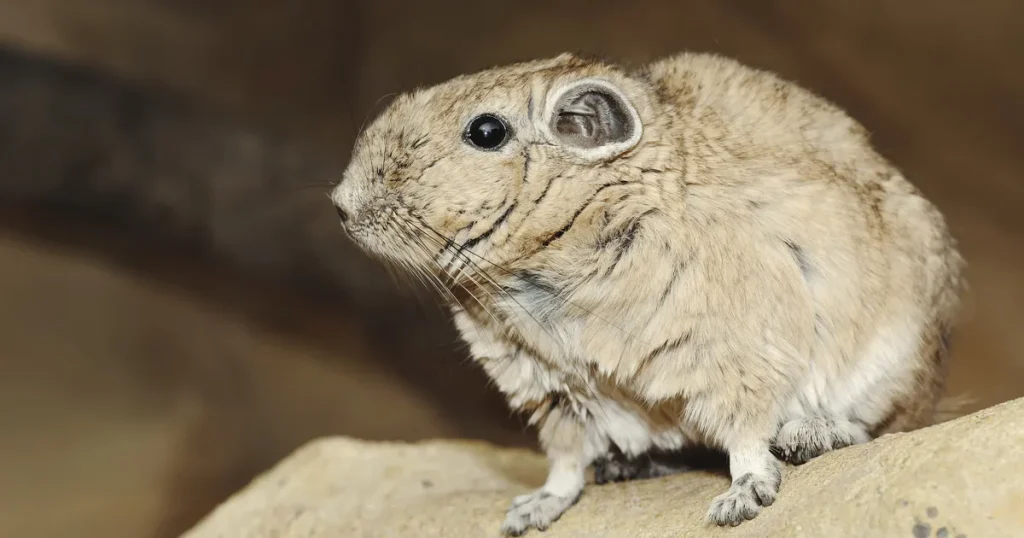
Instead of climbing tall trees, they spend their days scurrying across sun-baked rocks and hiding inside deep rock crevices. Their pale, sandy fur blends seamlessly into arid landscapes, helping them escape eagles and desert foxes.
As classic examples of squirrel looking animals, they do not drink water directly, deriving all necessary moisture from plants. They gather in colonies to bask under the warm desert morning sun together.
Beaver
- Scientific Name: Castor canadensis
- Class: Mammalia
- Diet: Herbivore
The beaver is an iconic rodent famous for constructing elaborate timber dams across forest rivers and ponds. It acts as another famous animal that looks like a squirrel but bigger, boasting dense waterproof fur and sharp incisors.
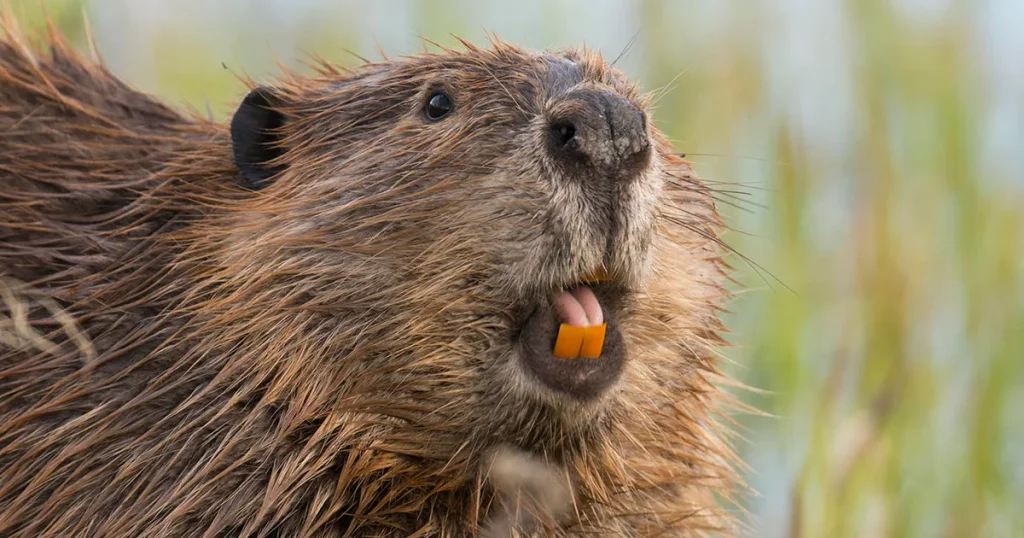
Equipped with strong jaw muscles, these impressive gnaw animals share their chisel-shaped front teeth with tree squirrels. They chew continuously on woody trees to keep their ever-growing teeth worn down to safe lengths.
While their broad flat tails differ from bushy tail fur, their facial profile matches that of large tree squirrels. They use their dexterous front paws to carry mud, stones, and branches across construction sites.
Cameroon Scaly-Tail
- Scientific Name: Zenkerella insignis
- Class: Mammalia
- Diet: Herbivore
This mysterious mammal is a secretive rodent inhabiting dense rainforests in West Africa. It is one of the rarest animals that look like squirrels but aren’t genuine members of the Sciuridae family.
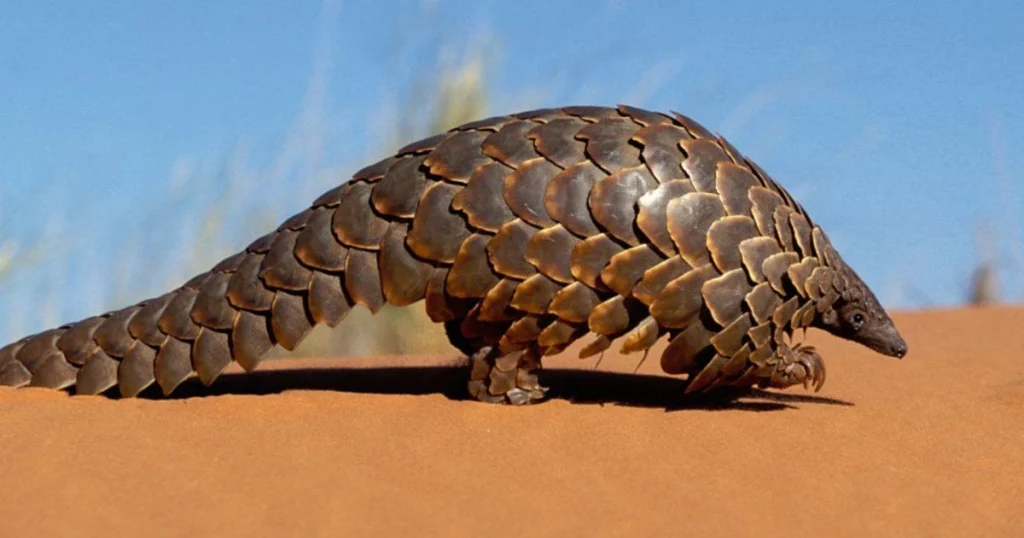
Unlike its gliding relatives, this species lacks a flight membrane and prefers running along thick branches. However, its bushy tail, rounded skull, and agile movement make it look remarkably like a standard tree squirrel.
Researchers rarely spot these secretive squirrel like animals because they remain hidden within the rainforest canopy. Their natural diet consists mainly of young tree shoots, forest seeds, and tough woody bark.
Chipmunk
- Scientific Name: Tamias
- Class: Mammalia
- Diet: Omnivore
The chipmunk is a energetic ground-dwelling rodent easily identified by its bold dorsal stripes. It is widely recognized as a classic animal like squirrel frequenting backyards, woodlands, and public parks.
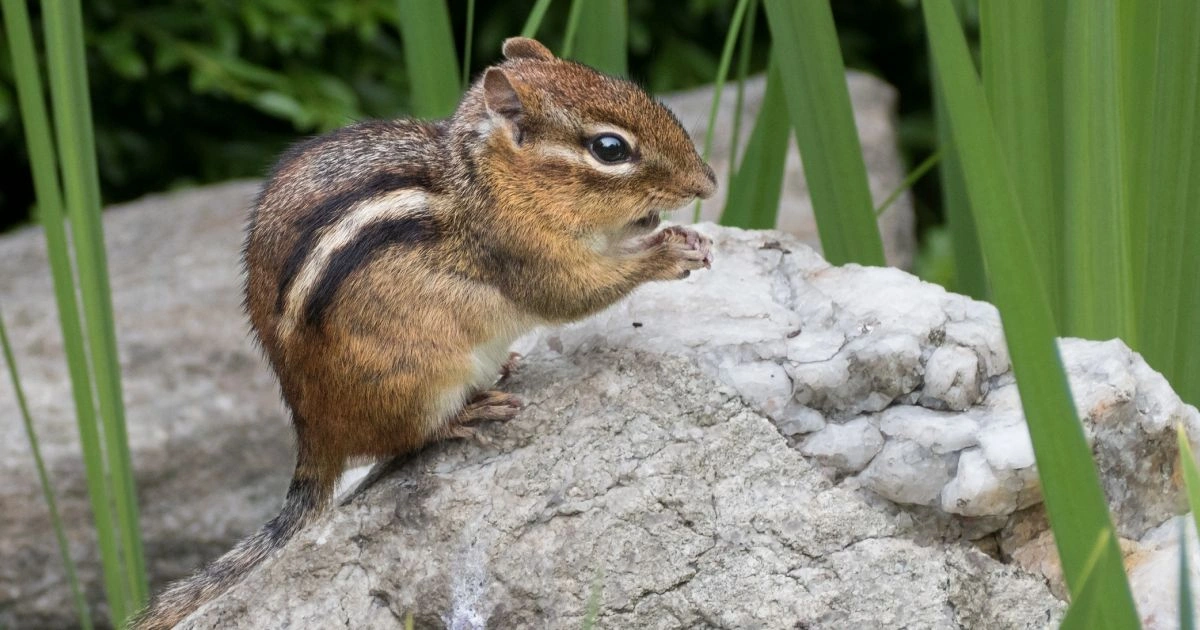
These small animals that look like squirrels but smaller feature expansive cheek pouches used to carry seeds. They spend autumn relentlessly gathering food reserves to survive cold winter months underground.
Their rapid darting movements and high-pitched alarm calls resemble tree squirrel behaviors closely. Their playful antics make them favorite sights for nature lovers and outdoor hikers across forests.
Chinchilla
- Scientific Name: Chinchilla lanigera
- Class: Mammalia
- Diet: Herbivore
Chinchillas are mountain rodents famous for possessing some of the densest and softest fur coats in the animal kingdom. These animals similar to squirrels thrive in the high, rocky Andes mountains of South America.
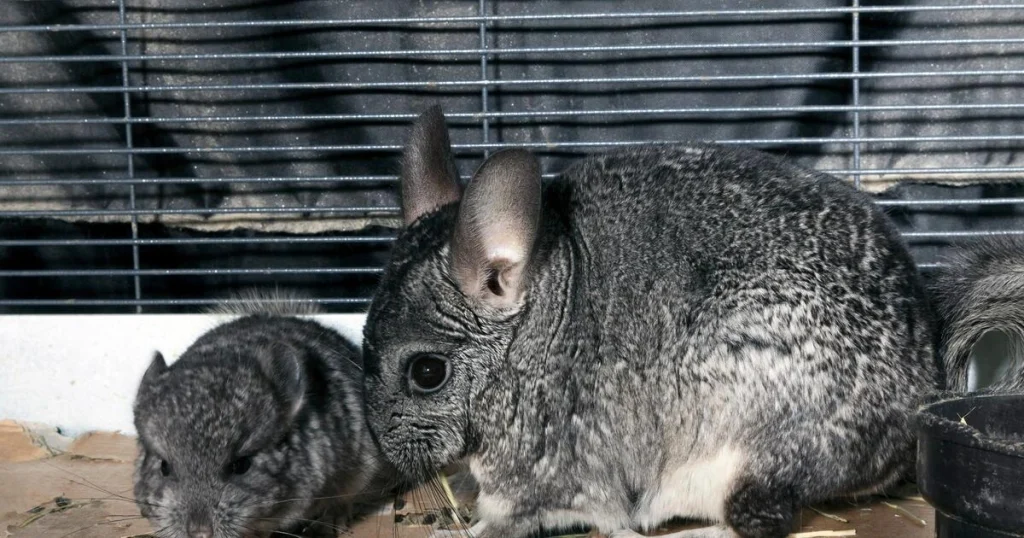
With their bushy tails, rounded ears, and twitching whiskers, these fluffy squirrel looking animals look adorably familiar. They use their strong hind legs to leap effortlessly between steep cliff ledges and rocky crevices.
They feed primarily on tough mountain grasses, seeds, and plant roots during cool twilight hours. To keep their luxurious coats clean and oil-free, they take frequent dust baths in fine volcanic ash.
Jerboa
- Scientific Name: Dipodidae
- Class: Mammalia
- Diet: Omnivore
The jerboa features extraordinarily long hind legs designed for jumping across harsh desert environments. These long-tailed animals that look like squirrels hop rapidly across sand dunes like miniature kangaroos.
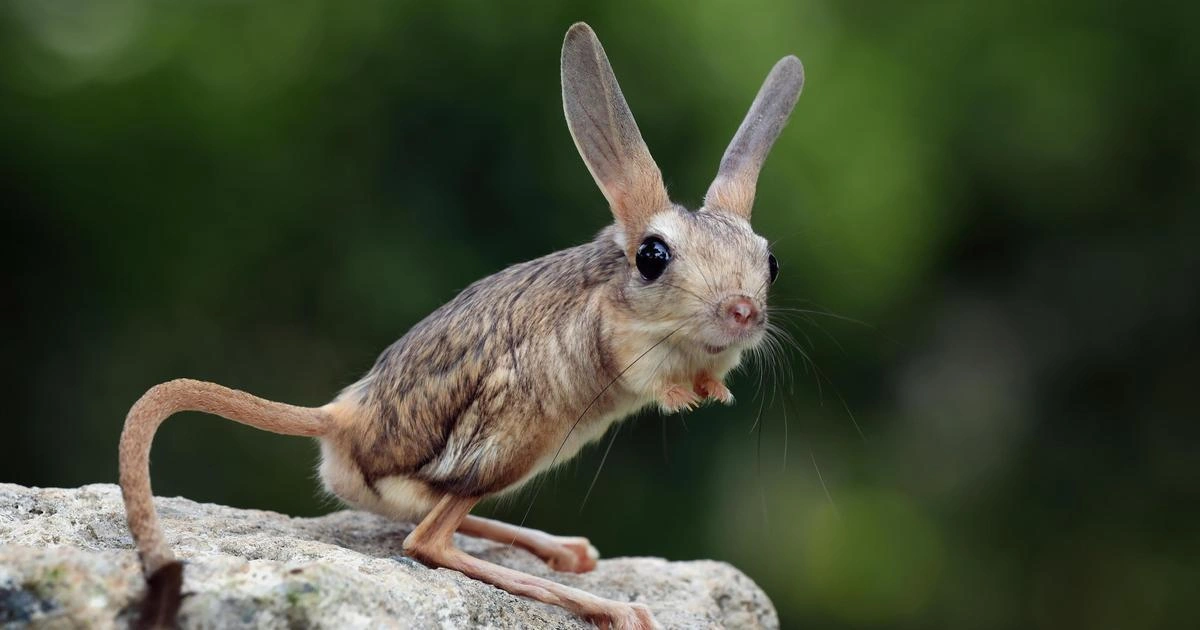
Their short front limbs, large round eyes, and tufted tails give them a distinct rodent-like appearance. When resting, their upright sitting posture mirrors a tree squirrel nibbling on a tree nut.
To learn more about unique terrestrial movement adaptations, explore our list of mammals that cant jump across terrestrial environments. These hopping desert dwellers demonstrate how specialized limbs help small mammals survive harsh terrain.
Dormouse
- Scientific Name: Gliridae
- Class: Mammalia
- Diet: Omnivore
The dormouse is a small arboreal rodent featuring a furry tail and bright, expressive dark eyes. It is a charming animal that looks like a squirrel found in dense woodlands across Europe and Asia.
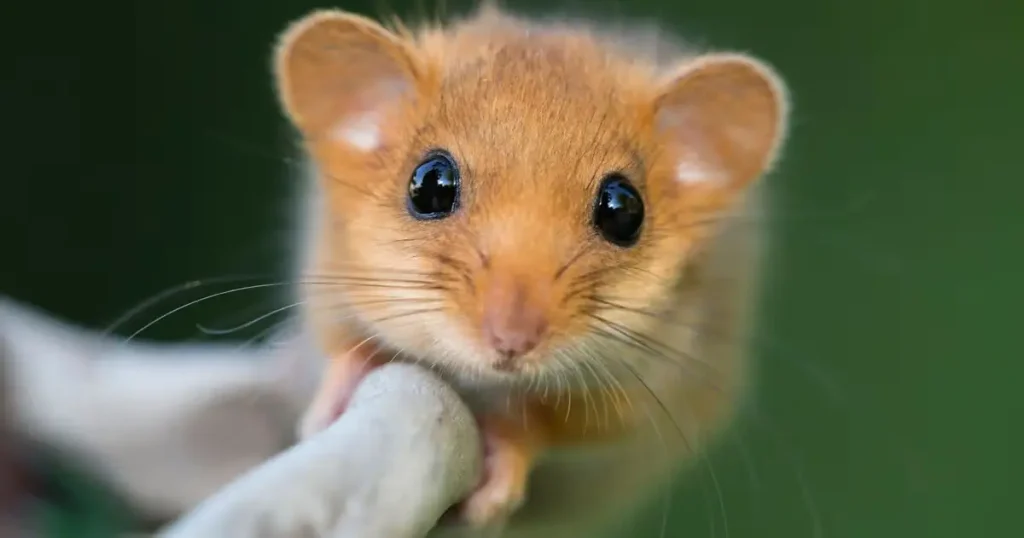
These nimble gnawing animals spend warm months scrambling through shrubs and tree branches searching for berries. They are famous for spending up to seven months of the year in deep winter hibernation.
Their ability to climb smooth branches and hang upside down matches tree squirrel agility perfectly. They build cozy round nests out of shredded moss, grass, and stripped tree bark inside tree hollows.
Hutia
- Scientific Name: Capromyidae
- Class: Mammalia
- Diet: Herbivore
Hutias are stout, heavily built rodents endemic to various island habitats across the Caribbean region. They are sturdy animals like squirrels that spend considerable time foraging up in tree branches and coastal mangroves.
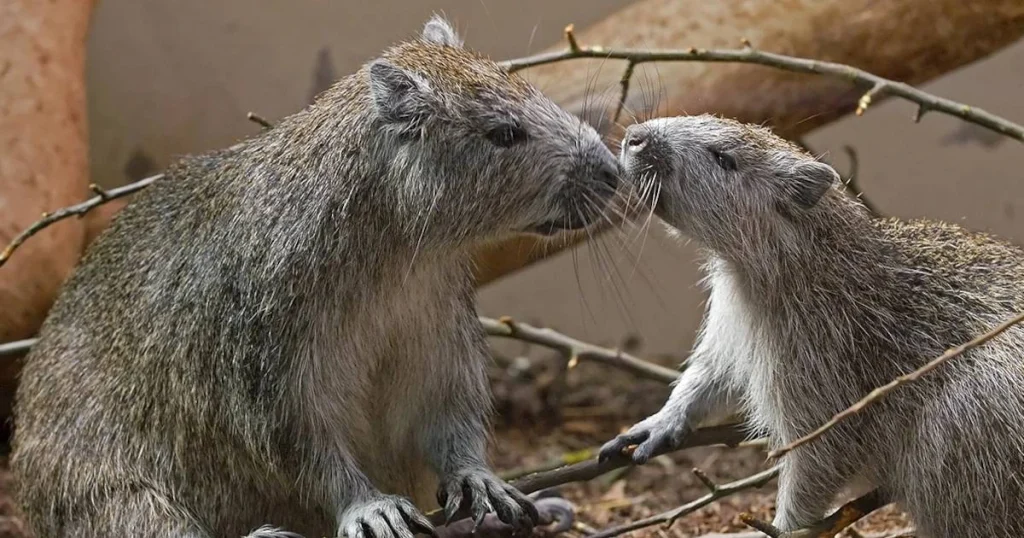
These bulky gnaw animals use their strong claws to grip rough bark while climbing upwards. Their thick fur coats, broad heads, and steady chewing habits resemble oversized ground squirrels or marmots.
Their diet consists primarily of fresh leaves, tree bark, fruit, and occasional small invertebrates. Because many species live on isolated islands, protection of their forest habitat remains vital for survival.
Gopher
- Scientific Name: Geomyidae
- Class: Mammalia
- Diet: Herbivore
Gophers are burrowing rodents equipped with large, fur-lined cheek pockets used for transporting gathered food. This underground animal that gnaw their food constructs expansive network tunnels beneath fields and lawns.
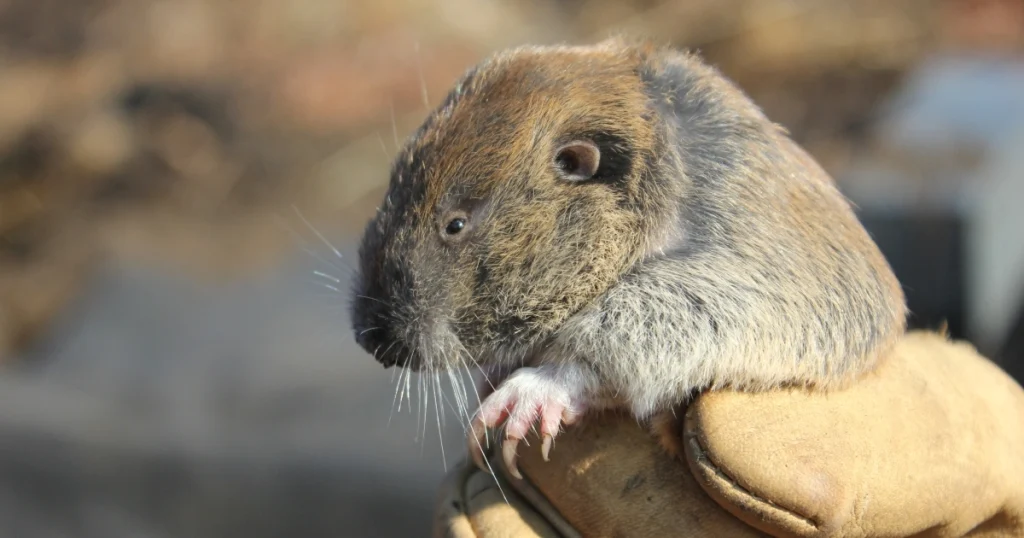
Although they spend most of their lives subterranean, they look like ground squirrels when emerging above ground. They stand upright on their hind feet to check their surroundings for potential danger before foraging.
Their broad front teeth and powerful shoulder muscles allow them to dig through tough soil easily. They feed mainly on plant roots, tubers, and fresh green shoots pulled down into their burrows.
Agouti
- Scientific Name: Dasyprocta
- Class: Mammalia
- Diet: Herbivore
The agouti is a tropical forest rodent with glossy, coarse fur and slender, athletic legs. It acts as an impressive animal that looks like a squirrel but bigger on forest floors across Central and South America.
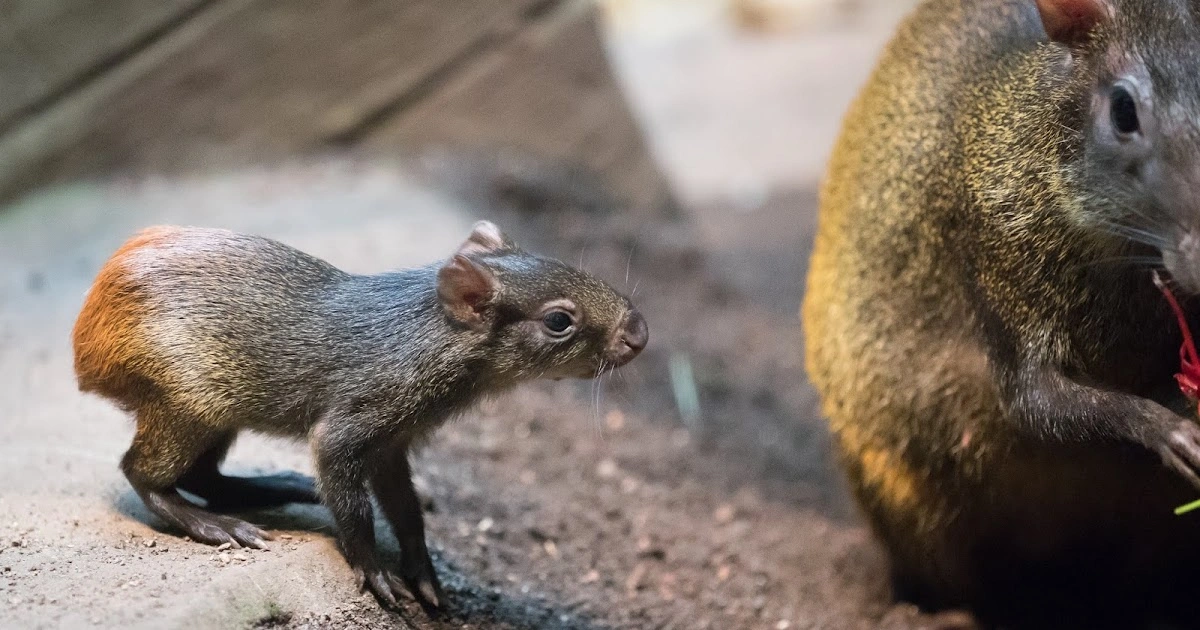
These active gnawing animals examples sit back on their haunches while holding hard nuts between their front paws. This classic feeding pose looks identical to a tree squirrel eating an acorn in a park.
By burying hard seeds throughout the rainforest, agoutis play an essential ecological role in seed dispersal. Their strong incisors are one of the few natural tools capable of cracking open tough Brazil nuts.
Laotian Rock Rat
- Scientific Name: Laonastes aenigmamamus
- Class: Mammalia
- Diet: Herbivore
Often referred to as the rat-squirrel, this unique species inhabits jagged limestone karsts in Laos. It stands out among animals that look like squirrels but aren’t true members of the rat family.
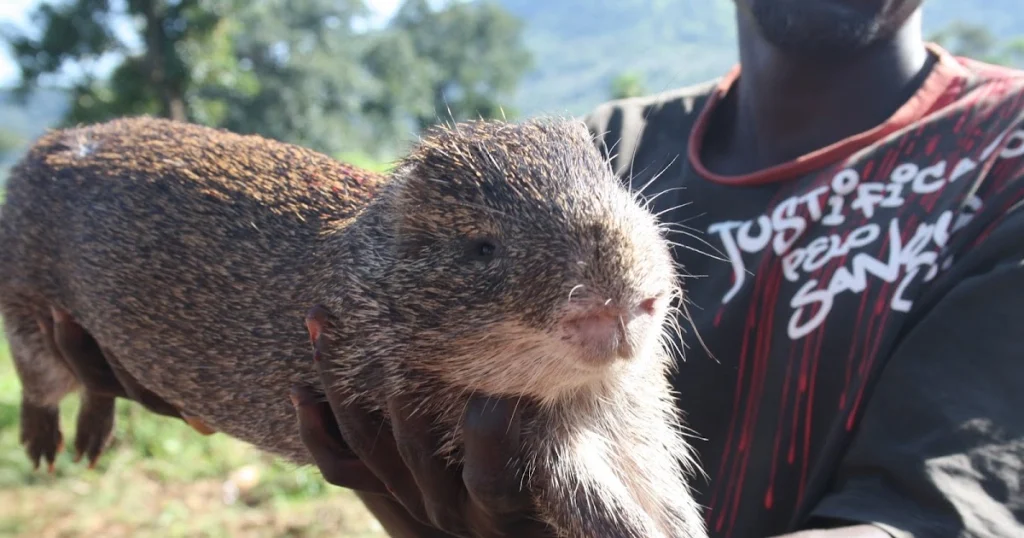
These unusual squirrel like animals feature long, thick, furry tails and duck-like waddling gaits on rocks. Their dark grey fur, bulbous noses, and long whiskers make them appear remarkably squirrel-like at first glance.
Discovered by scientists relatively recently, this species belongs to an ancient rodent lineage once thought extinct. They feed mainly on leaves, grass seeds, and green shoots growing along rocky cliffs.
Muskrat
- Scientific Name: Ondatra zibethicus
- Class: Mammalia
- Diet: Omnivore
The muskrat is a medium-sized semi-aquatic rodent native to wetlands across North America. It often appears as an animal that looks like a squirrel while swimming or resting near pond shorelines.
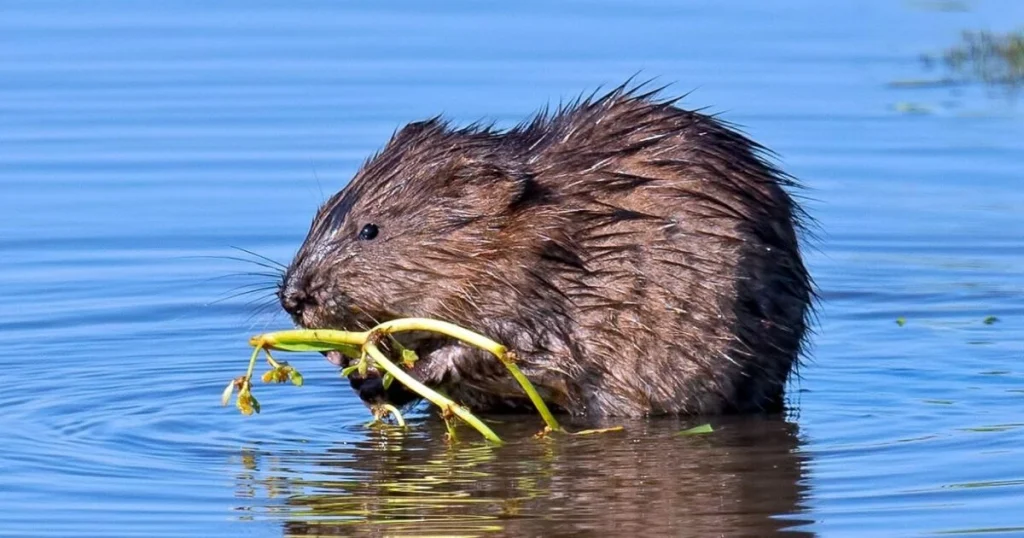
These thick-furred creatures build dome-shaped lodges out of marsh vegetation and soft river mud. Their rounded bodies and twitching facial whiskers resemble water-loving ground squirrels or marsh-dwelling rodents.
In aquatic habitats, predators like mink, foxes, and large raptors hunt them constantly for food. You can learn about native predators by reading about animals that eat rabbits and other small rodents.
Bushy-Tailed Woodrat
- Scientific Name: Neotoma cinerea
- Class: Mammalia
- Diet: Herbivore
The bushy-tailed woodrat boasts a long, luxurious tail unlike the hairless tails of typical pest rats. It provides a striking example of animals similar to squirrels thriving in rocky mountainous areas.
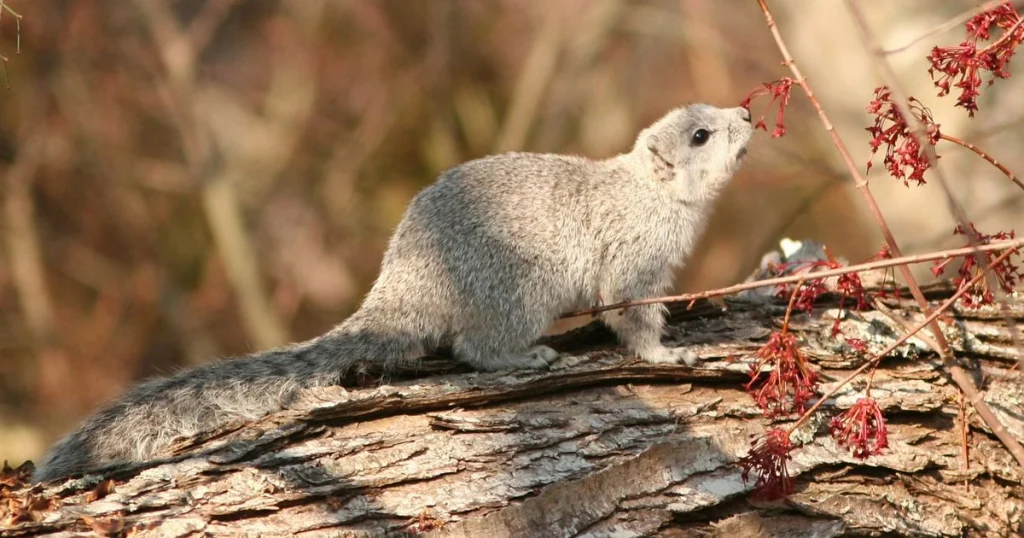
These energetic animals that gnaw their food are famous for collecting shiny objects to decorate their nests. Their large ears, soft fur, and bushy tails frequently cause people to mistake them for tree squirrels.
They climb steep rock faces and high pine trees with ease using their sharp, curved claws. Their diet consists of conifer needles, mountain fungi, seeds, berries, and succulent plant leaves.
Prairie Dog
- Scientific Name: Cynomys
- Class: Mammalia
- Diet: Herbivore
Prairie dogs are burrowing rodents that form massive underground colonies across Western grasslands. They are social animals like squirrels that belong to the exact same biological family, Sciuridae.
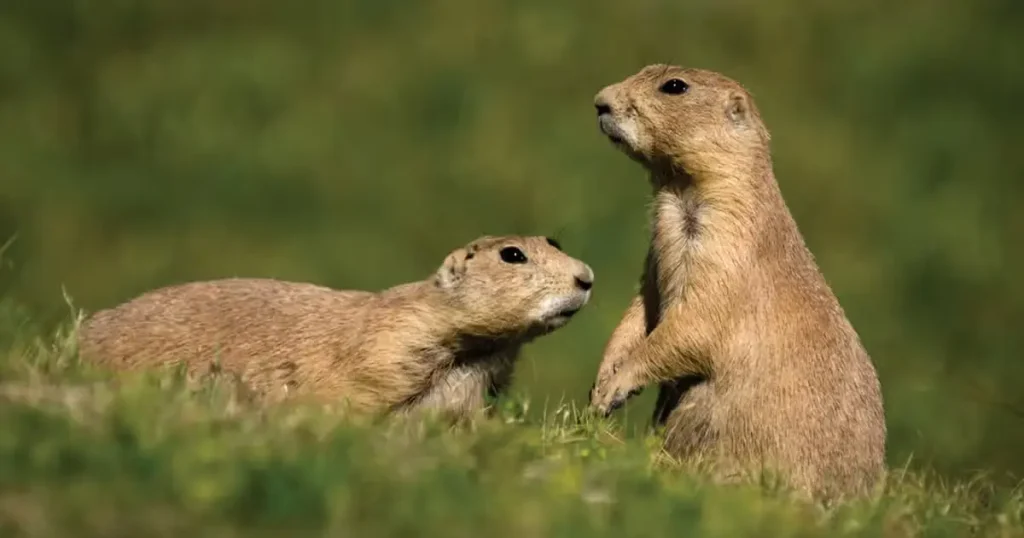
These alert squirrel looking animals stand upright near their burrow entrances to watch for predators. When danger approaches, they emit sharp barking sounds to warn other members of their underground town.
Their short tails, sandy coats, and industrious digging habits match ground squirrel characteristics closely. They feed primarily on native grasses, roots, and low-growing prairie vegetation throughout the year.
Flying Squirrel
- Scientific Name: Pteromyini
- Class: Mammalia
- Diet: Omnivore
The flying squirrel glides gracefully between forest treetops using a thin skin flap called a patagium. It represents a true animal like squirrel equipped with huge nocturnal eyes for night navigation.
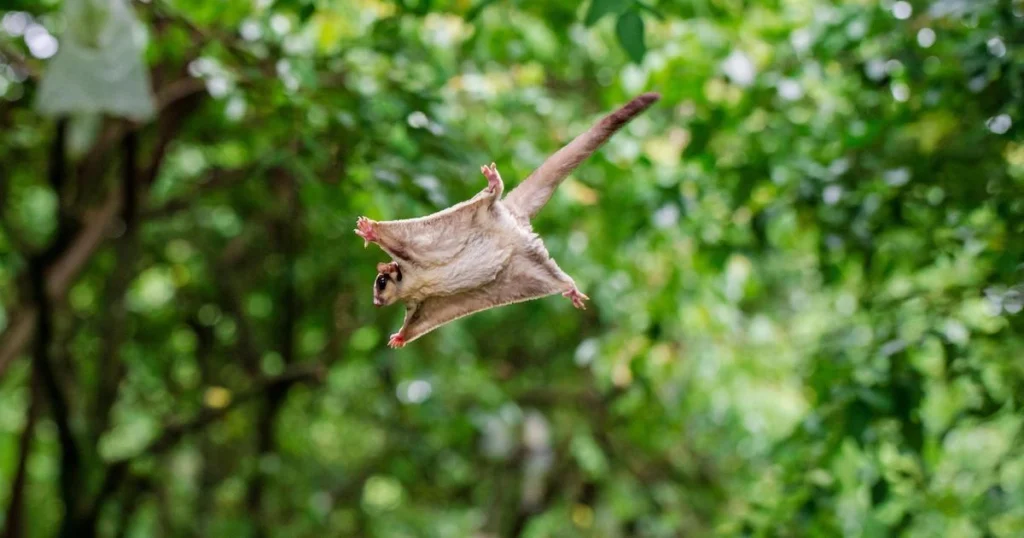
These delicate animals that look like squirrels inhabit dense woods but are rarely seen during daylight hours. They steer through the air using their flat tails as rudders before landing softly on trunks.
They feed on tree nuts, fungi, bird eggs, and plant sap harvested high up in trees. Their gentle nature and stunning gliding abilities make them unique among small forest mammals.
Tree Shrew
- Scientific Name: Tupaiidae
- Class: Mammalia
- Diet: Omnivore
Tree shrews are slender mammals native to the lush tropical forests of Southeast Asia. They stand as prime examples of animals that look like squirrels but aren’t rodents at all.
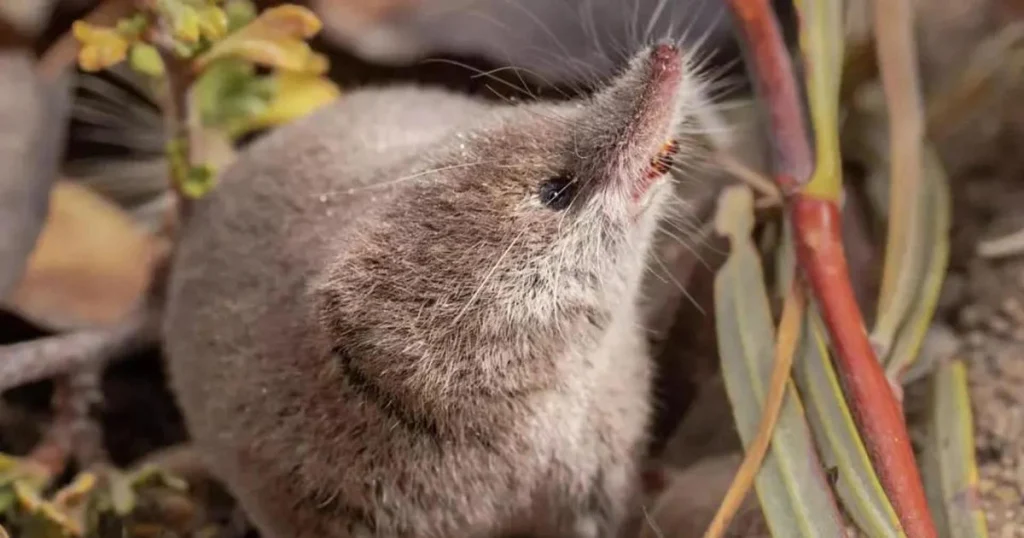
These sleek animals similar to squirrels possess long bushy tails, pointed snouts, and agile limbs. They dart rapidly along fallen logs and low branches in search of insects, fruit, and small lizards.
Despite their physical resemblance to tree squirrels, genetic studies reveal they are more closely related to primates. Their high intelligence and quick reflexes help them thrive in complex jungle environments.
Final Thoughts
Many distinct creatures share physical traits with common tree squirrels due to parallel evolutionary paths. Whether they glide through high forest canopies or dig tunnels, these animals that look like squirrels highlight nature’s adaptability.
Recognizing their unique habitats, specialized diets, and anatomical differences helps us appreciate global wildlife diversity. Protecting their natural environments ensures these fascinating creatures continue to thrive for generations to come.
FAQs
What Animals Look the Most Like Squirrels?
Chipmunks, sugar gliders, and dormice look the most like squirrels due to their shared features. They possess bushy tails, sharp claws, quick jumping movements, and similar feeding postures.
Are all Squirrel-like Animals Classified as Rodents?
No, not all animals that resemble squirrels belong to the rodent family. For instance, tree shrews are closely related to primates, while sugar gliders are Australian marsupials.
Why do so Many Distinct Animals Look Like Squirrels?
Convergent evolution causes unrelated species to develop similar physical features over time. Adapted traits like bushy balance tails and strong climbing claws help various animals survive in trees.