Top 20 Flexible Animals in The World (With Pictures)
Flexibility in the animal kingdom is an extraordinary evolutionary adaptation that helps creatures hunt, escape predators, and navigate tight spaces.
From boneless marine life to vertebrates with ultra-pliable spines, nature showcases incredible physical versatility. Understanding these anatomical marvels highlights how specialized body structures enable survival in diverse wild environments.
List of Flexible Animals in The World
Here is the plain list of all 20 flexible animals featured in the article:
- Snakes
- Weasels
- Octopus
- Squirrel
- Earthworms
- Hero Shrew
- Eel
- Chameleon
- Rats
- Centipedes
- Cat
- Squid
- Sea Lions
- Cheetah
- Seal
- Spider Monkey
- Ferret
- Flying Squirrel
- Gymnastic Eel-Loach
- Otter
Snakes
- Scientific name: Serpentes
- Class: Reptilia
- Diet: Carnivore
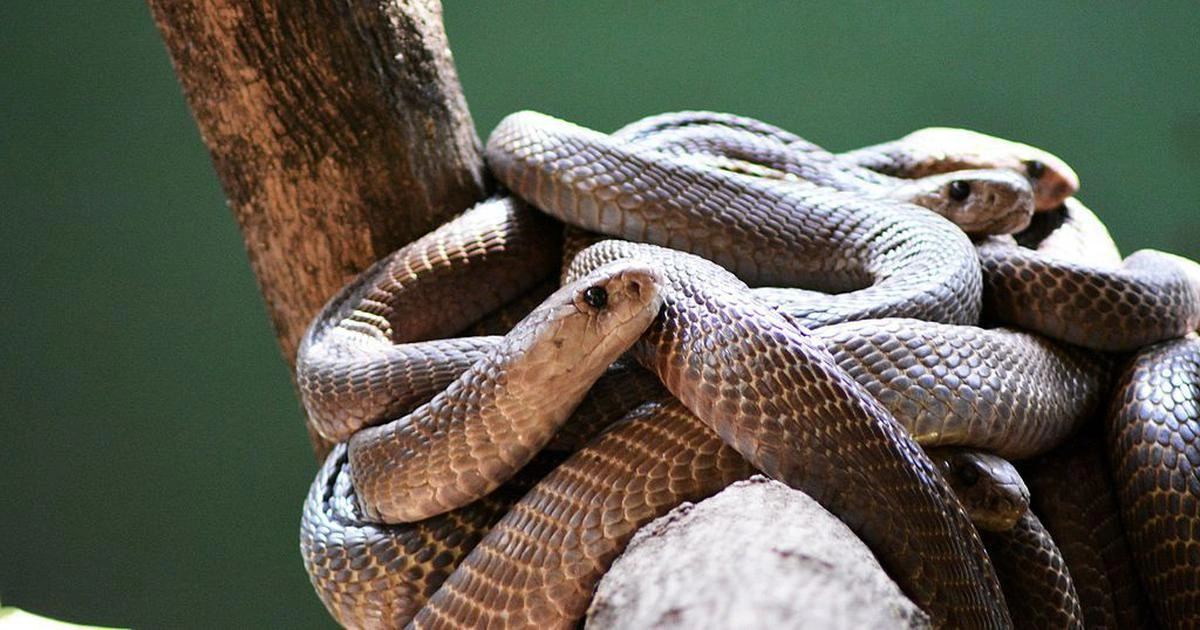
Snakes possess up to 400 vertebrae interconnected by highly flexible joints that allow extreme lateral and vertical bending. In dense terrestrial habitats, they contort around branches, slither through narrow rock gaps, and swallow large prey whole.
These legless reptiles rely on their dynamic skeletal architecture to move effortlessly across diverse global environments. Their supple bodies make them formidable hunters capable of pursuing prey into tight underground burrows.
Weasels
- Scientific name: Mustela
- Class: Mammalia
- Diet: Carnivore
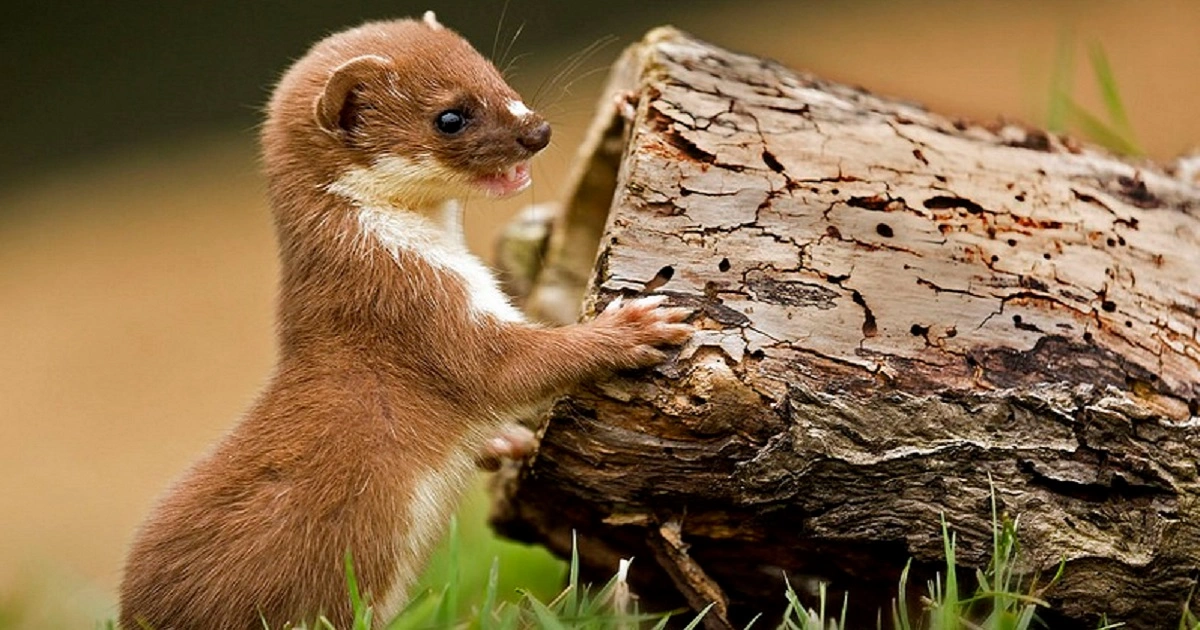
Weasels feature an elongated body supported by an exceptionally flexible spine paired with short, agile limbs. In underground burrows, their supple backbone allows them to bend almost completely in half while pursuing rodents.
These energetic predators leverage tight contortions to navigate confined subterranean tunnels that stop larger animals. Unlike giant hunters or hard-working animals in the world, weasels rely entirely on extreme flexibility to secure food.
Octopus
- Scientific name: Octopoda
- Class: Cephalopoda
- Diet: Carnivore
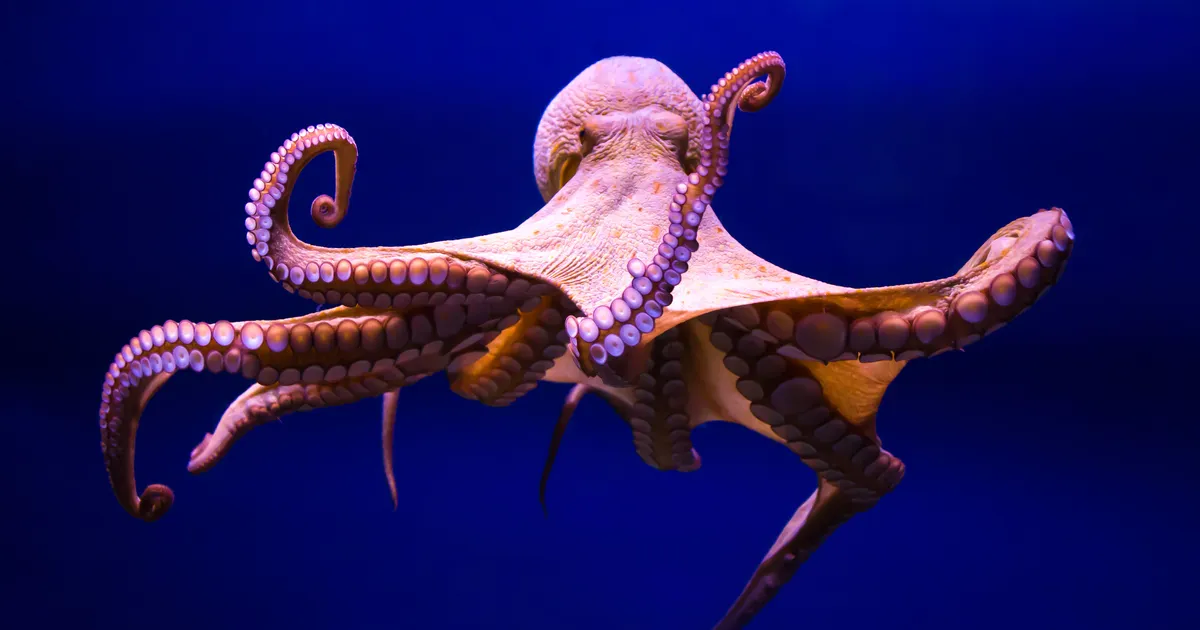
Octopuses are virtually boneless invertebrates whose only hard anatomical structure is a small chitinous beak. In ocean reefs, this incredible lack of a skeleton allows them to squeeze through crevices no larger than their eyes.
These intelligent cephalopods use muscle-dense arms as hydrostatic skeletons, giving them unlimited freedom of movement. Their soft bodies allow instant reshaping to hide inside discarded shells or narrow coral gaps.
Squirrel
- Scientific name: Sciuridae
- Class: Mammalia
- Diet: Omnivore
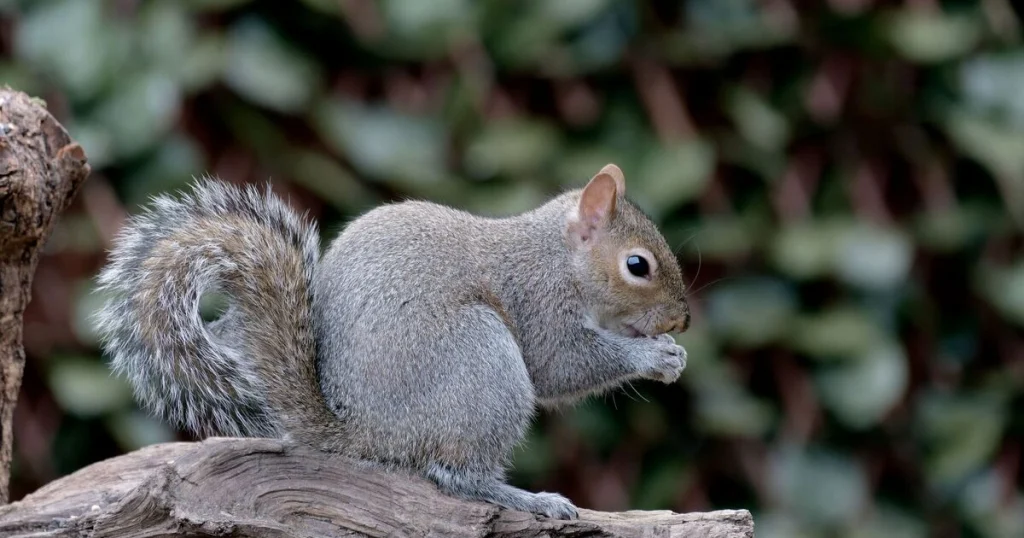
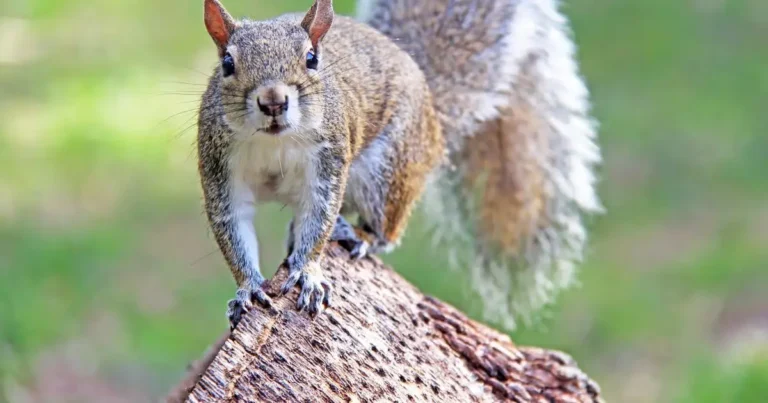
Squirrels have highly mobile ankle joints that can rotate up to 180 degrees for rapid vertical descending. In forest canopies, their flexible spinal column enables sharp turns and mid-air contortions while leaping between branches.
These nimble rodents rely on extreme joint mobility to navigate complex arboreal pathways while carrying heavy nuts. While foraging across forest floors, they occasionally roam near areas frequented by animals that eat cactus.
Earthworms
- Scientific name: Lumbricina
- Class: Clitellata
- Diet: Detritivore
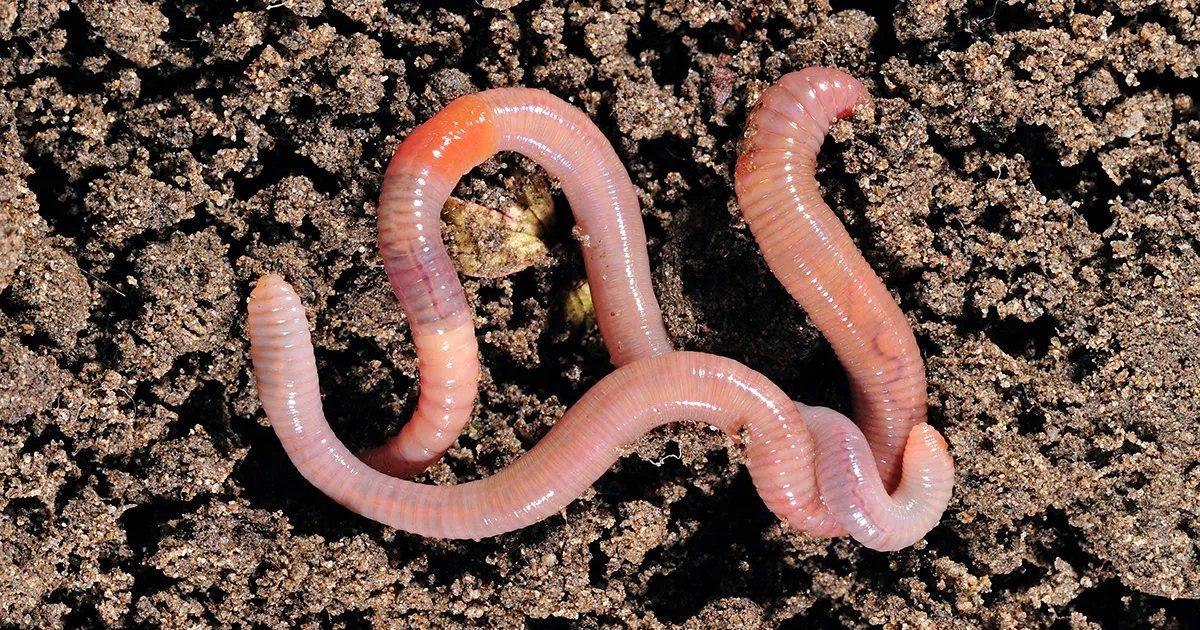
Earthworms have hydro-skeletons composed of fluid-filled coelomic segments surrounded by strong circular and longitudinal muscle fibers. In damp soil layers, this flexible design lets them contract, elongate, and bend effortlessly to burrow.
These subterranean creatures push through compacted earth by continually expanding and compressing their pliable body walls. Their flexible bodies make them easy targets for surface predators listed among top 30 scavenger animals with pictures.
Hero Shrew
- Scientific name: Scutisorex somereni
- Class: Mammalia
- Diet: Insectivore
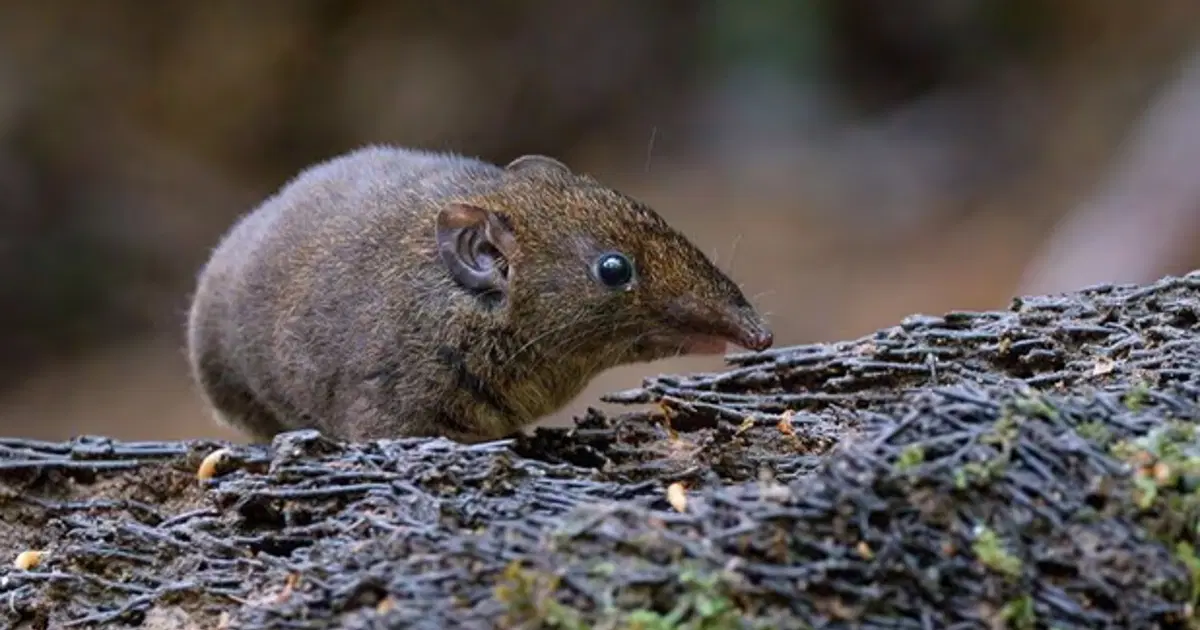
Hero shrews possess a uniquely modified vertebral column featuring interlocking spines that yield immense strength and flexibility. In dense tropical forests, their specialized spinal arrangement can withstand heavy weight loads while remaining exceptionally pliable.
These small mammals squeeze beneath heavy fallen logs and stone cracks without crushing their vital internal organs. Their rare anatomical trait grants them exclusive access to hidden insect larvae trapped beneath solid debris.
Eel
- Scientific name: Anguilliformes
- Class: Actinopterygii
- Diet: Carnivore
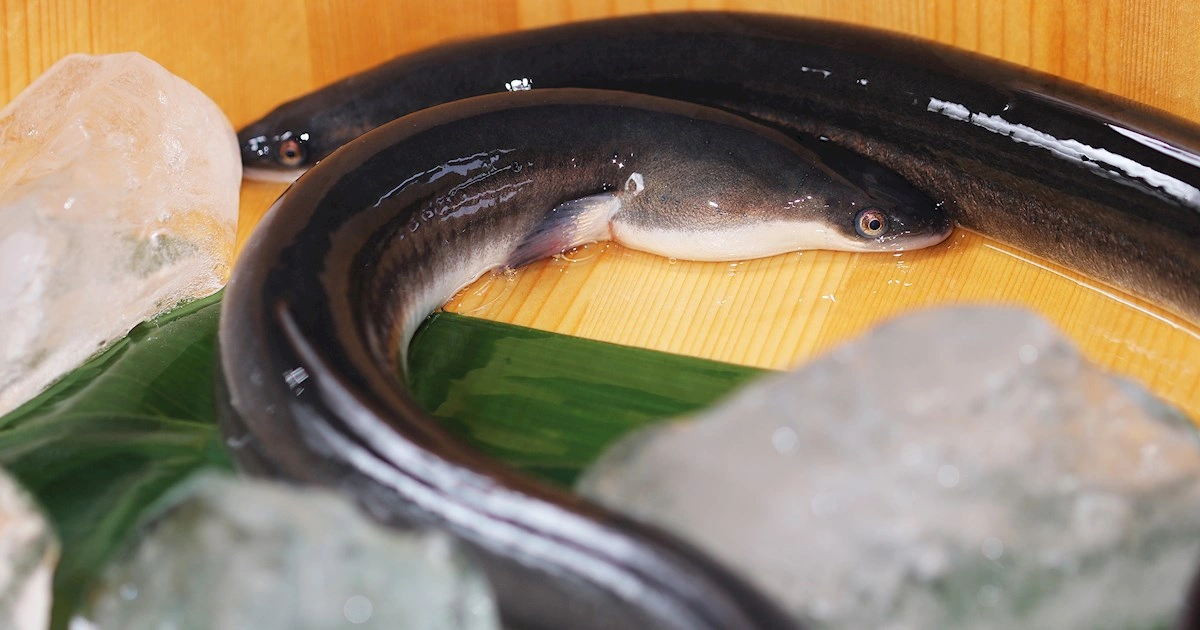
Eels feature elongated, continuous spinal columns with hundreds of vertebrae that facilitate fluid, serpentine swimming movements. In marine and freshwater environments, their lack of pelvic fins allows them to bend backward effortlessly.
These aquatic hunters glide through narrow rock crevices and mud burrows to catch elusive bottom-dwelling prey. In coastal estuaries, young eel species sometimes share waterways with semi-aquatic creatures or animals that look like otters.
Chameleon
- Scientific name: Chamaeleonidae
- Class: Reptilia
- Diet: Insectivore
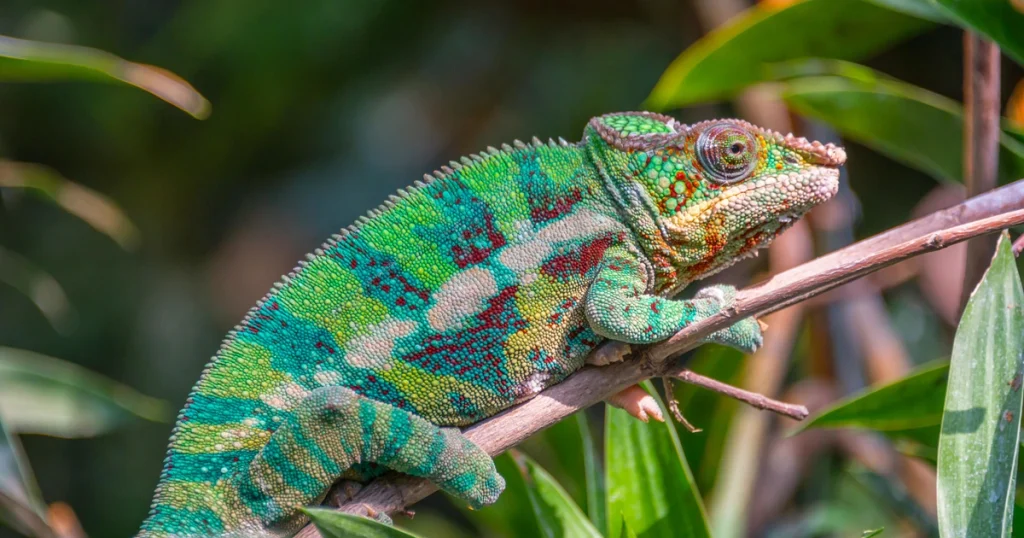
Chameleons possess prehensile tails along with highly flexible ball-and-socket shoulder joints designed for arboreal stability. In forest treetops, their dynamic spine and independent limb movements allow them to balance on slender twigs.
These specialized reptiles adjust their center of gravity to move smoothly without creating noticeable branch vibrations. This extreme physical flexibility enables them to remain steady while scanning surroundings for unsuspecting insects.
Rats
- Scientific name: Rattus
- Class: Mammalia
- Diet: Omnivore
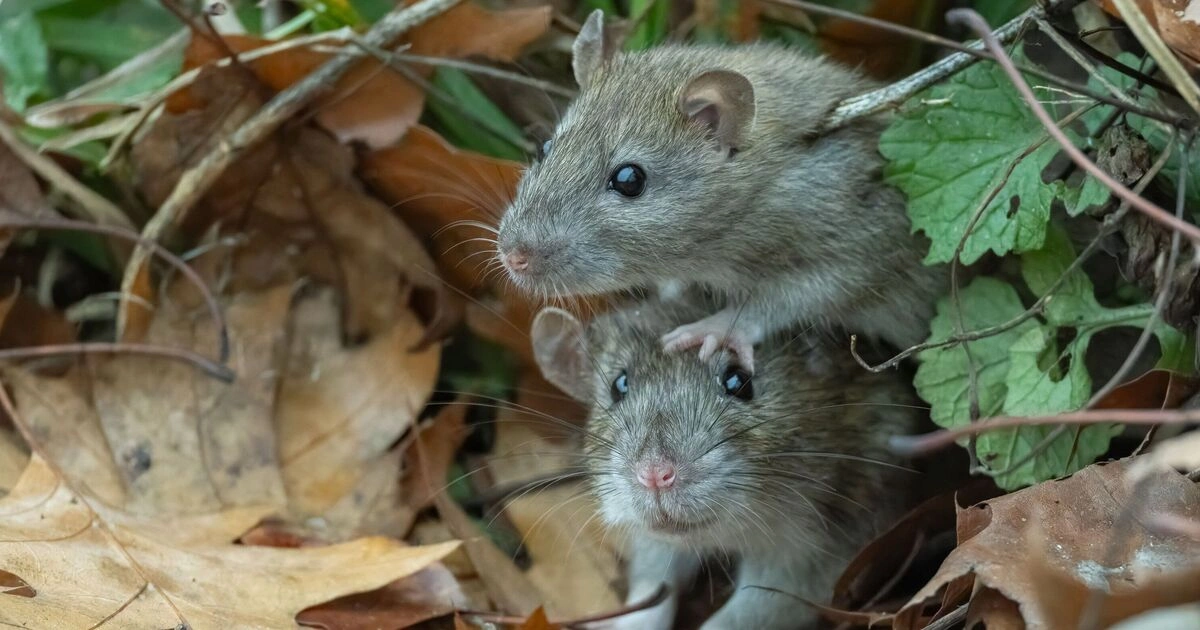
Rats have remarkably pliable ribs and a flexible vertebral column that compress easily during movement. In urban and wild environments, this unique physical adaptation allows them to squeeze through tiny gaps.
These resilient rodents collapse their rib cages to slide through openings as small as a quarter. Despite their exceptional physical adaptability and problem-solving skills, rats are sometimes incorrectly listed among animals with lowest iq.
Centipedes
- Scientific name: Chilopoda
- Class: Chilopoda
- Diet: Carnivore
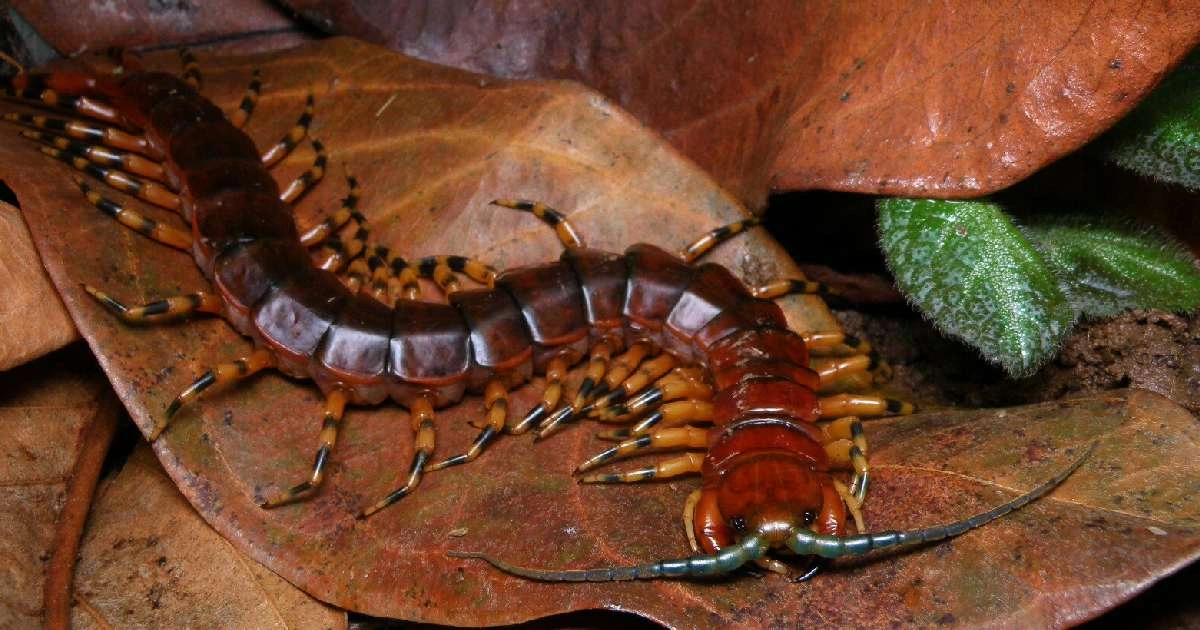
Centipedes consist of multiple flattened, flexible body segments connected by soft intersegmental membranes. In leaf litter and soil, each segment houses agile legs that allow rapid lateral flexing across terrain.
These predatory arthropods bend their entire bodies around obstacles while chasing fast invertebrates through narrow cracks. Their supple exoskeletons enable them to navigate beneath decaying bark and heavy stones effortlessly.
Cat
- Scientific name: Felis catus
- Class: Mammalia
- Diet: Carnivore
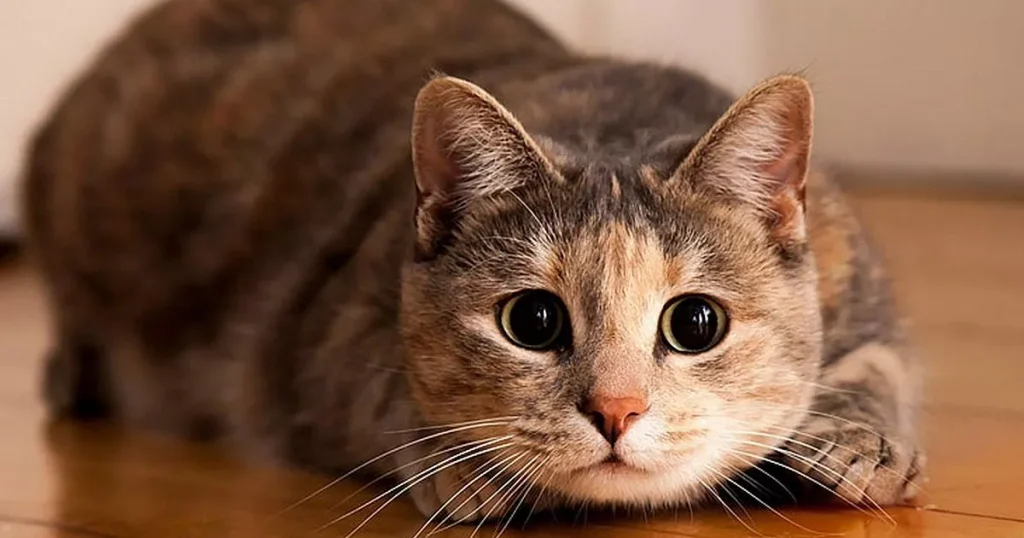
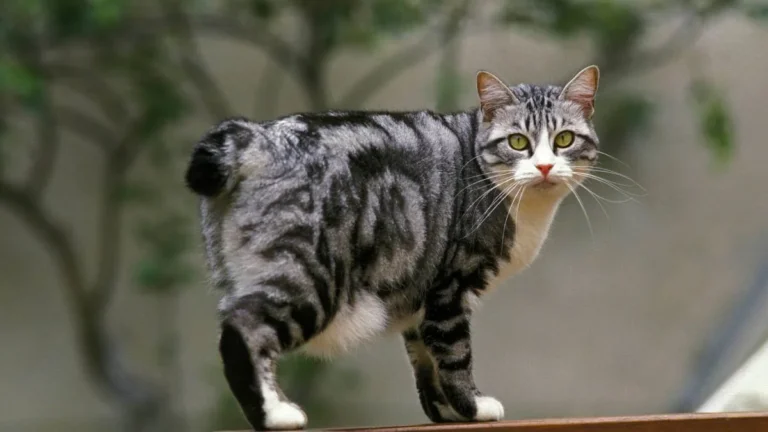
Domestic cats possess extremely elastic intervertebral discs and a loosely attached shoulder blade assembly. In high-altitude jumps, their flexible spine enables complex aerial twisting, ensuring they land gracefully on their feet.
These agile predators contort their bodies into tight spaces while stalking small prey across indoor and outdoor environments. This natural elasticity makes them exceptional climbers capable of leaping up to six times their height.
Squid
- Scientific name: Teuthida
- Class: Cephalopoda
- Diet: Carnivore
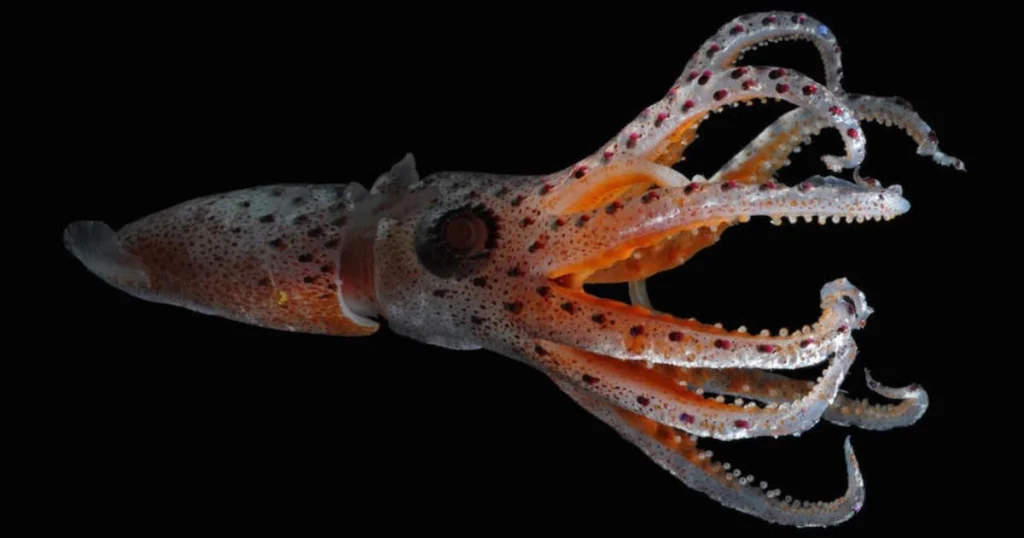
Squids have soft, muscular bodies supported internally by a thin, flexible structure made of chitin called a pen. In deep marine waters, their ten supple arms and tentacles bend rapidly to capture prey.
These hydrodynamic invertebrates execute sudden sharp turns by flexing their mantles and altering water jet directions. Their soft construction allows them to withstand immense ocean pressures while maneuvering through open water.
Sea Lions
- Scientific name: Otariidae
- Class: Mammalia
- Diet: Carnivore
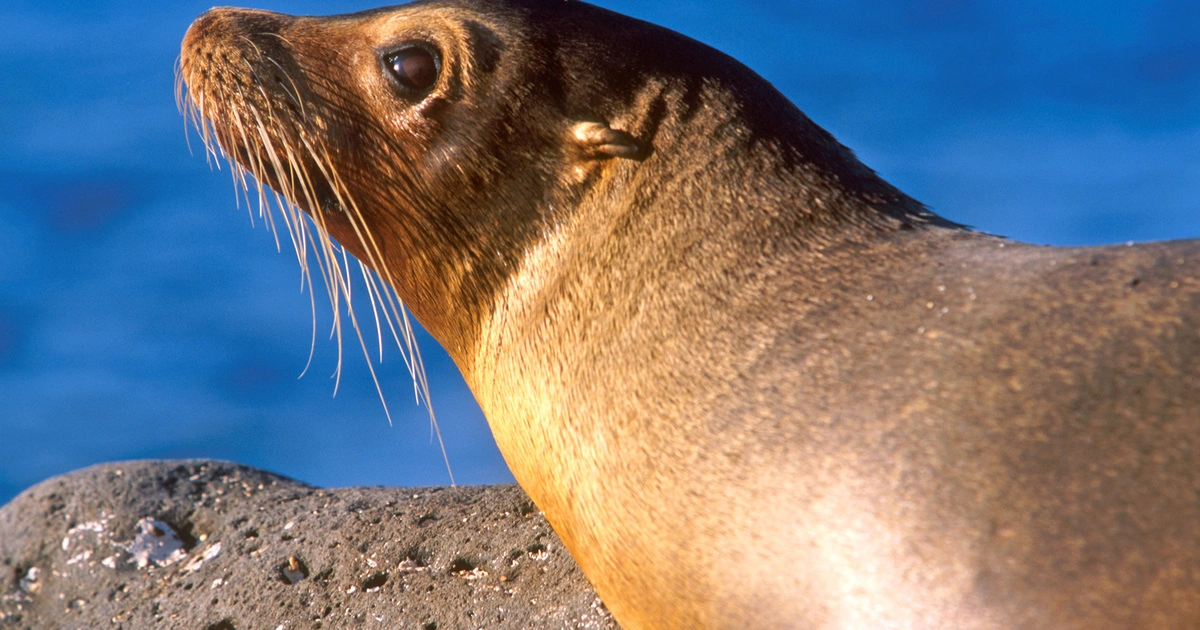
Sea lions possess highly flexible pelvises and rotating hind flippers that enable agile movement on land and sea. In coastal waters, their supple neck and back vertebrae allow them to execute sharp underwater turns.
These marine mammals flex their powerful torsos to leap clear out of the water while fleeing predators. Their physical flexibility gives them a distinct mobility advantage over true seals when walking on rocks.
Cheetah
- Scientific name: Acinonyx jubatus
- Class: Mammalia
- Diet: Carnivore
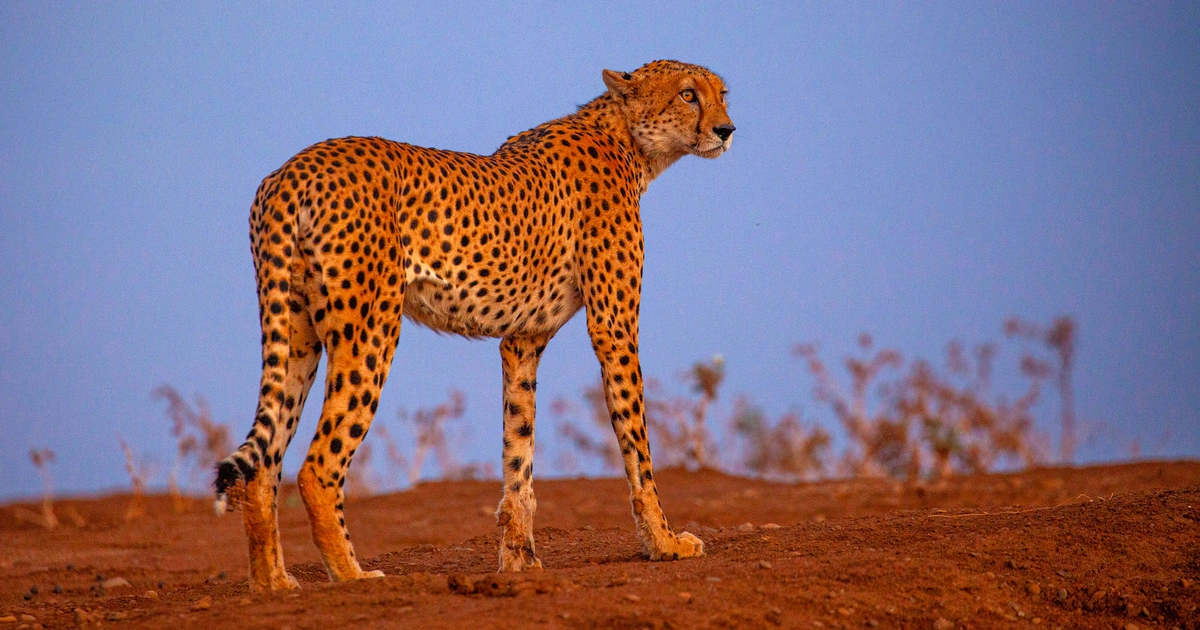
Cheetahs feature a specialized, highly flexible spine that acts like a spring during high-speed territorial chases. On open grasslands, their spinal column lengthens and contracts with every stride to increase running distance.
These extraordinary sprinters bend their spinal cord dramatically to achieve extreme acceleration within just a few seconds. This extreme bending capacity allows them to maintain precise steering control while turning at high speeds.
Seal
- Scientific name: Phocidae
- Class: Mammalia
- Diet: Carnivore
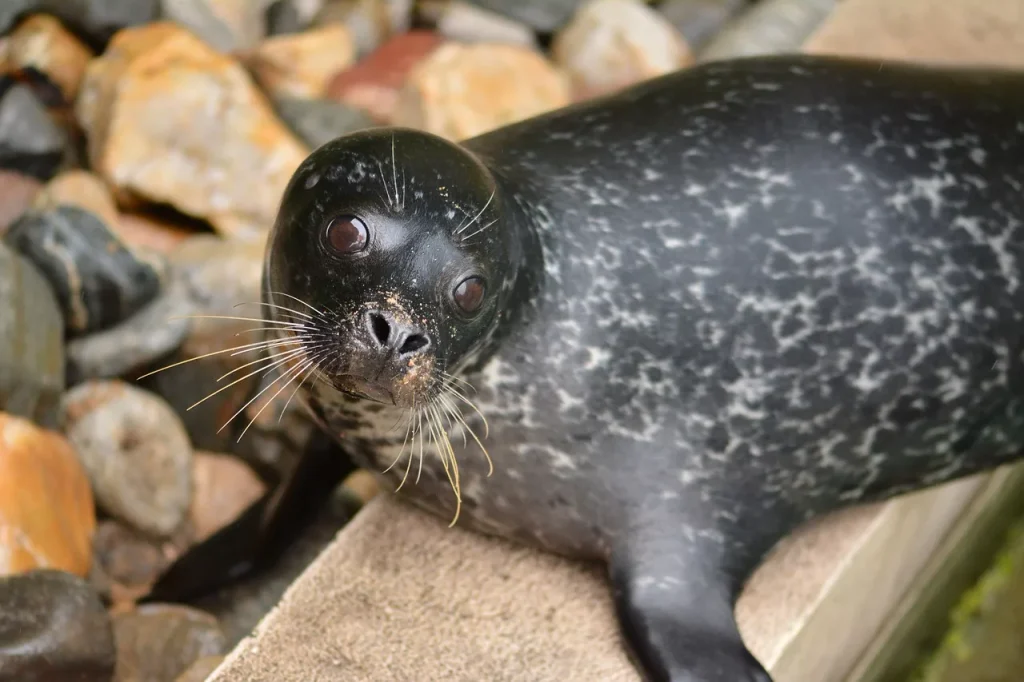
Seals have fluid, highly flexible backbones that enable powerful undulating movements through deep ocean waters. In aquatic habitats, their supple torsos allow them to twist effortlessly while gliding underwater after fast fish.
These sleek marine mammals curve their flexible bodies into tight loops to dodge obstacles and predators. Their streamlined structure minimizes water resistance, making long-distance diving efficient and smooth across icy oceans.
Spider Monkey
- Scientific name: Ateles
- Class: Mammalia
- Diet: Frugivore
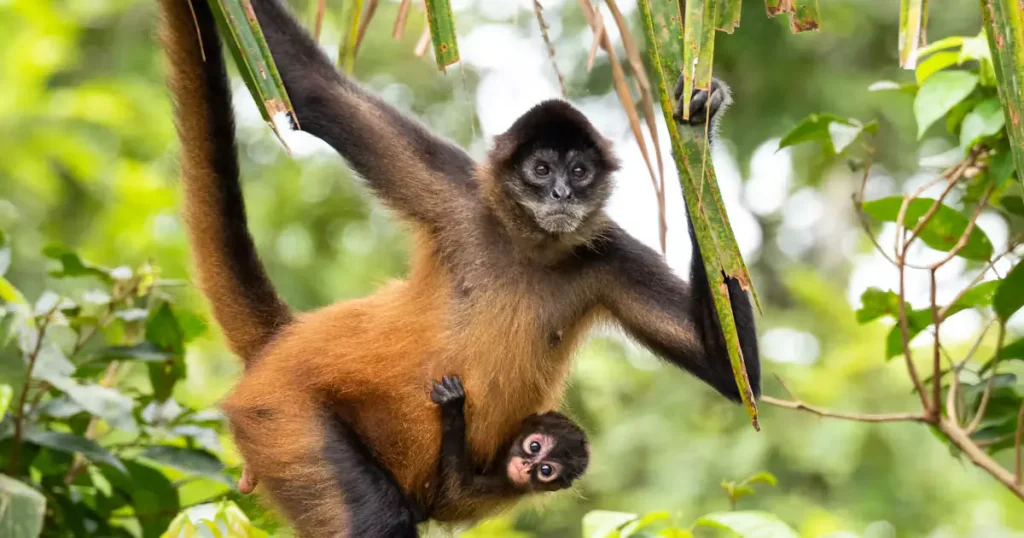
Spider monkeys have long, flexible limbs paired with a fully prehensile tail that functions as a fifth hand. In high forest canopies, their mobile shoulder joints allow full 360-degree rotation for effortless brachiation.
These social primates swing effortlessly between distant tree branches using their pliable body frame and strong tail grip. While foraging high above the ground, they frequently feed alongside larger species like animals that eat coconuts.
Ferret
- Scientific name: Mustela putorius furo
- Class: Mammalia
- Diet: Carnivore
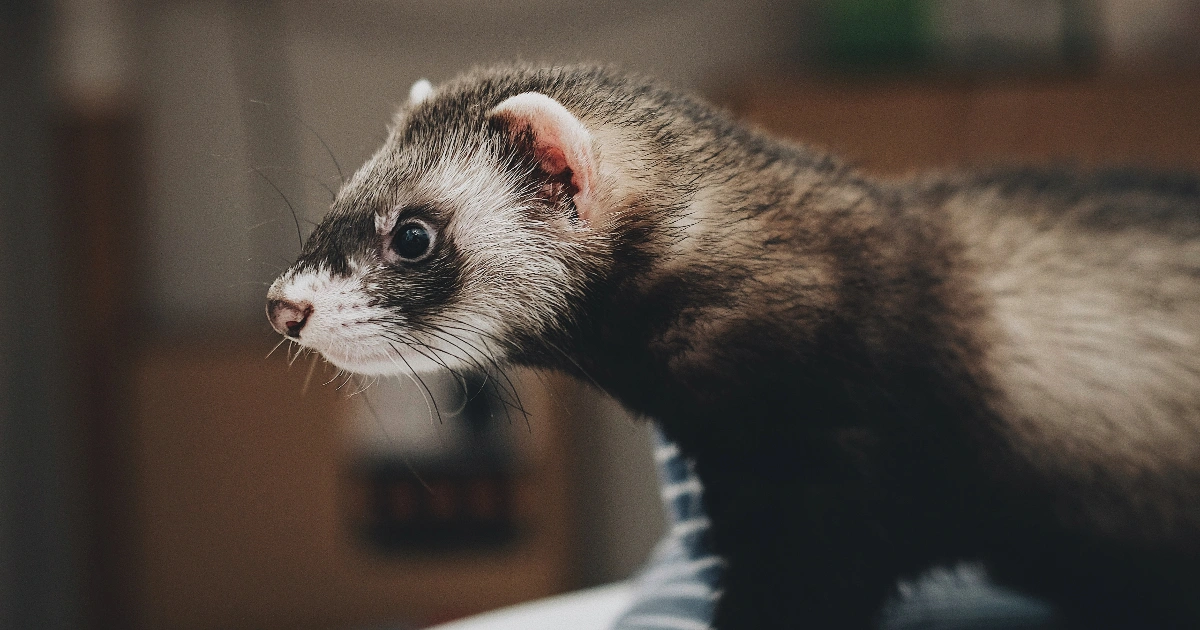
Ferrets feature extremely elongated backbones made of long, flexible vertebrae that allow seamless body bending. In narrow underground spaces, their supple skeletal structure lets them turn completely around inside tight pipes.
These curious carnivores compress their flexible rib cages to explore small burrows without getting stuck. Their extreme spinal elasticity makes them natural burrow explorers capable of navigating winding subterranean passageways.
Flying Squirrel
- Scientific name: Pteromyini
- Class: Mammalia
- Diet: Omnivore
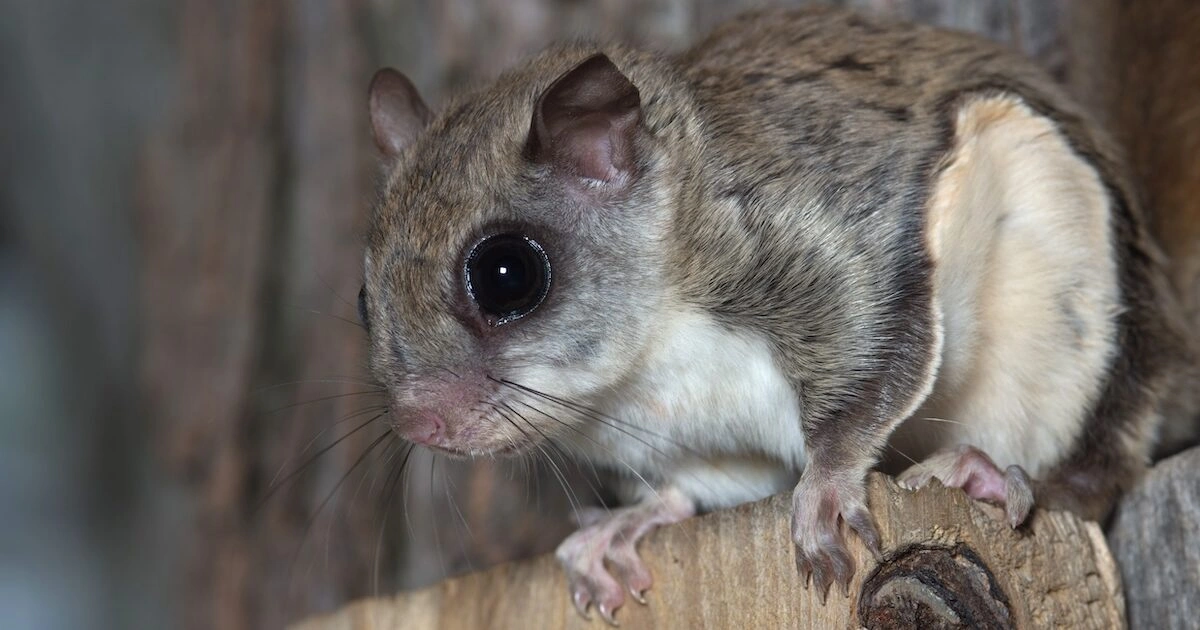
Flying squirrels possess flexible skin membranes called patagia stretched between their wrist and ankle joints. In mid-air glides, their pliable body frame allows them to adjust membrane tension for precise steering.
These nocturnal mammals contort their bodies during flight to make sharp 90-degree turns around forest obstacles. This combination of structural flexibility and control helps them evade owls while gliding between trunks.
Gymnastic Eel-Loach
- Scientific name: Pangio kuhlii
- Class: Actinopterygii
- Diet: Omnivore
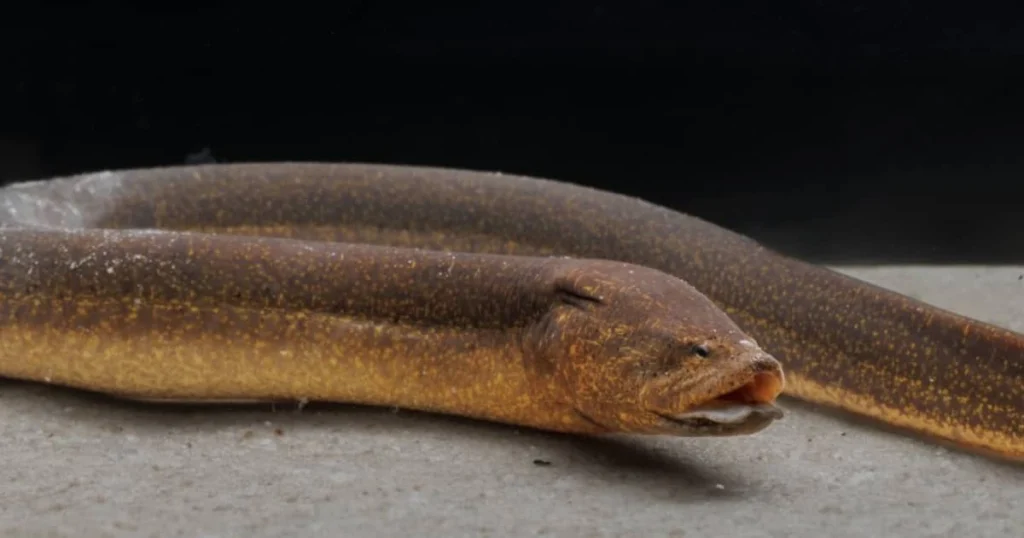
The Kuhli loach is a slender, eel-like freshwater fish with an exceptionally flexible skeletal construction. In riverbeds, its ribbon-like body allows it to burrow easily into soft river sand and fine gravel.
These subterranean bottom-dwellers twist into tight coils to squeeze under dense aquatic plants and smooth stones. Their high level of body contortion keeps them well-hidden from larger freshwater fish in tropical rivers.
Otter
- Scientific name: Lutrinae
- Class: Mammalia
- Diet: Carnivore
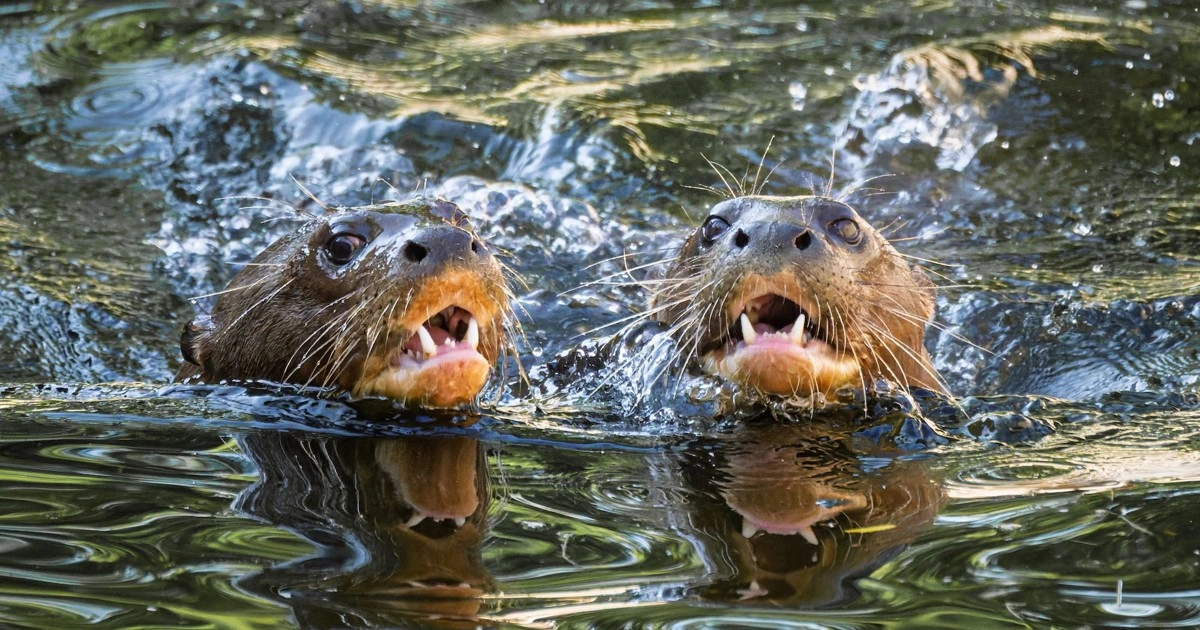
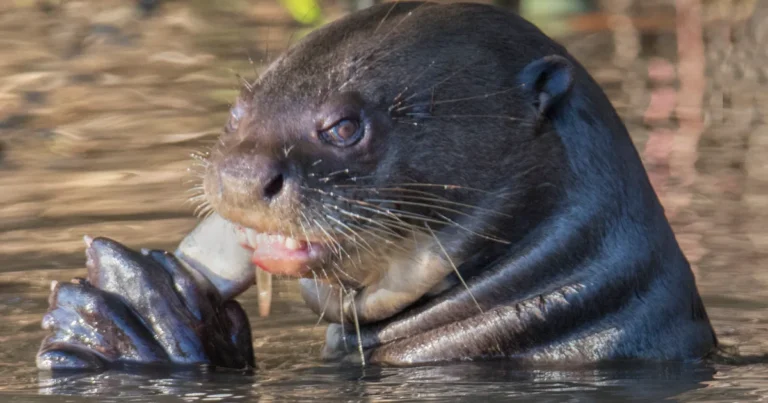
Otters feature long, flexible bodies paired with supple, muscular tails that drive rapid underwater propulsion. In rivers and coastal waters, their highly flexible spines allow them to perform acrobatic underwater rolls.
These playful marine mammals twist effortlessly to catch slippery fish in fast-moving current environments. Their physical agility helps them navigate complex freshwater weed beds and rocky shorelines with absolute ease.
Final Thoughts
Flexibility across the animal kingdom showcases the remarkable diversity of natural evolutionary engineering. Whether through boneless invertebrate bodies, rotating joints, or spring-like spinal columns, these twenty animals highlight how physical adaptability aids survival.
Understanding these unique physical traits offers valuable insight into how species thrive across terrestrial, arboreal, and marine habitats.
FAQs
What is the Most Flexible Animal in the World?
The octopus is considered the most flexible animal in the world because it lacks an internal or external skeleton. Its boneless muscular structure allows it to pass through any opening large enough to fit its hard beak.
Why do Snakes Have Such Flexible Bodies?
Snakes have flexible bodies because their spines consist of up to 400 vertebrae connected by flexible ball-and-socket joints. This unique skeletal layout enables smooth slithering, climbing, and constriction capabilities.
How Does Spine Flexibility Help Mammals Like Cheetahs?
In mammals like cheetahs, a flexible spine acts as a powerful spring during locomotion. The spine flexes and extends with each stride, significantly increasing stride length and speed during high-speed hunts.