Badgers in Maine: Facts You Need To Know
When exploring the wildlife of the Northeastern United States, many nature enthusiasts wonder about badgers in Maine. While these tough, burrowing mammals are common in western grasslands, sightings in New England remain extraordinarily rare. Learning about badgers in Maine helps clarify their range, habitats, and ecological role in North America.
Understanding the habits of badgers in Maine requires looking at how these solitary creatures survive in the wild. Despite limited regional sightings, badgers in Maine capture the imagination of local wildlife trackers. Here is a comprehensive overview of badgers in Maine and their unique biological traits.
Badgers In Maine
The presence of badgers in Maine is considered a rare anomaly by wildlife biologists. These stocky creatures are famous for being some of the most hard-working animals in the world, digging extensive burrows effortlessly. Reports of badgers in Maine often spark excitement among regional nature enthusiasts.
Diet
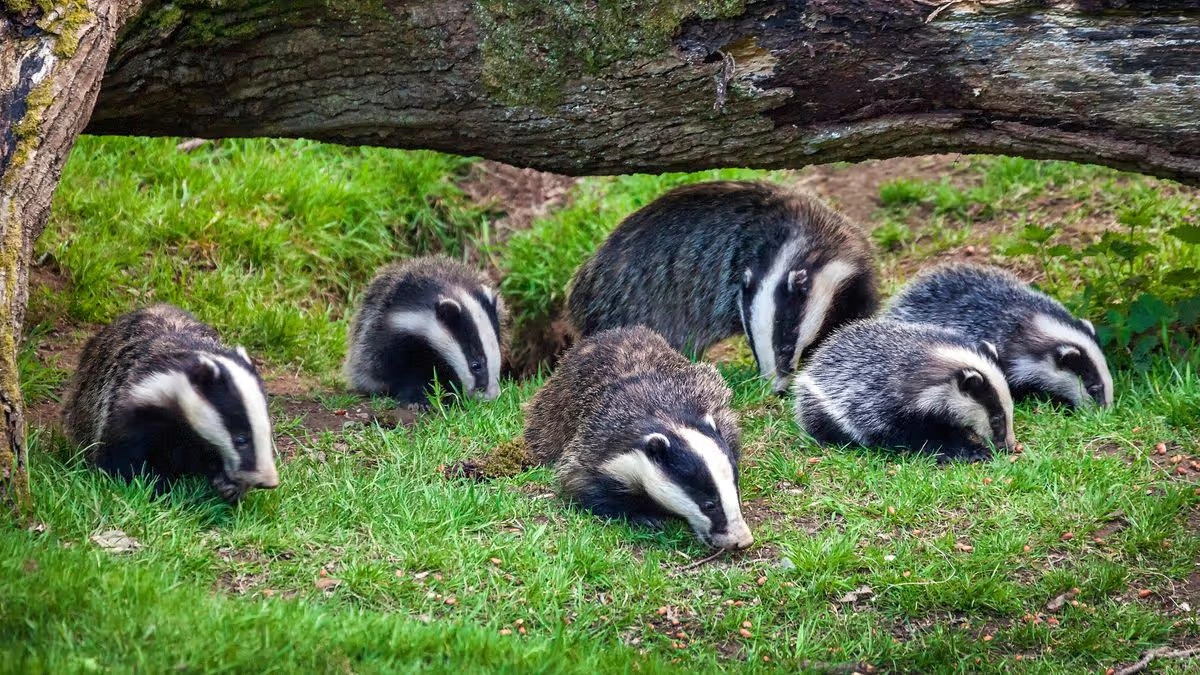
The diet of badgers in Maine primarily consists of small mammals like voles, mice, and ground squirrels. Using strong claws, badgers in Maine dig up underground nests to secure their daily meals. Occasionally, badgers in Maine may consume insects, birds, roots, and small reptiles.
Unlike some desert creatures, such as animals that eat cactus, badgers rely on animal protein for hydration. Tropical species include animals that eat coconuts, but northern badgers strictly hunt local prey. This carnivorous diet ensures badgers in Maine maintain high energy reserves.
Habitat
The natural habitat for badgers in Maine includes open fields, pastures, and grassy agricultural lands. Badgers prefer loose, sandy soil over dense forest floors to make burrowing easier. Finding ideal open terrain for badgers in Maine can be challenging due to forest cover.
Size, Lifespan And Weight
An adult badger typically weighs between 9 to 26 pounds and reaches lengths of up to 34 inches. In the wild, badgers have an average lifespan of 4 to 10 years. Their low-slung, sturdy bodies are built for power rather than speed or flexibility.
While they are not counted among the flexible animals in the world, their body structure is perfectly designed for deep digging. Though they are not listed with the happiest animals in the world, badgers are bold and persistent. Their fierce nature places them among the most energetic animals in the world when defending territory.
Predators
Fully grown badgers have very few natural predators due to their aggressive defense mechanisms. However, coyotes, eagles, and cougars may occasionally target young badger kits. Their sharp claws and musky scent glands effectively deter most larger forest predators.
Colour
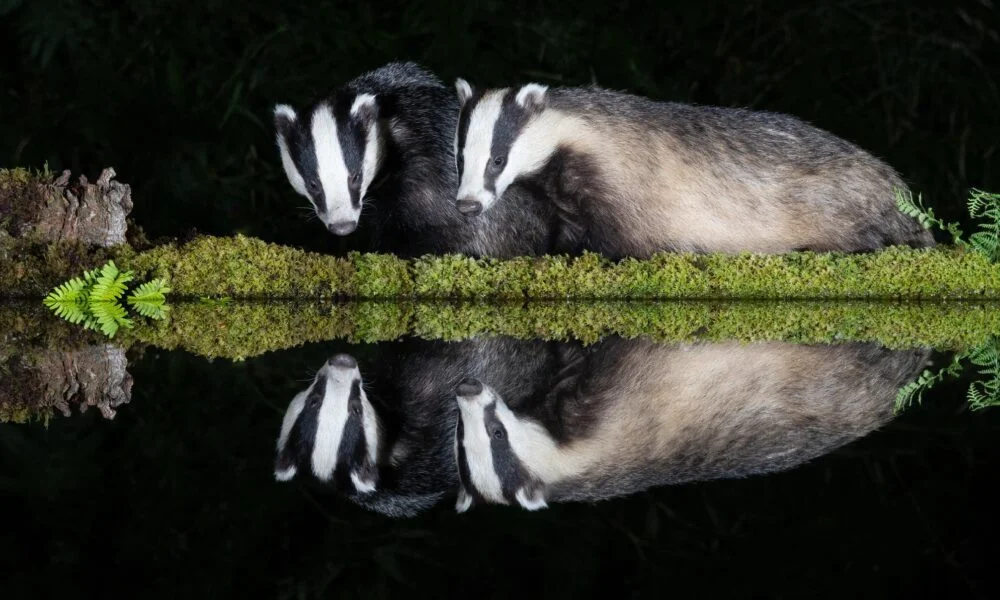
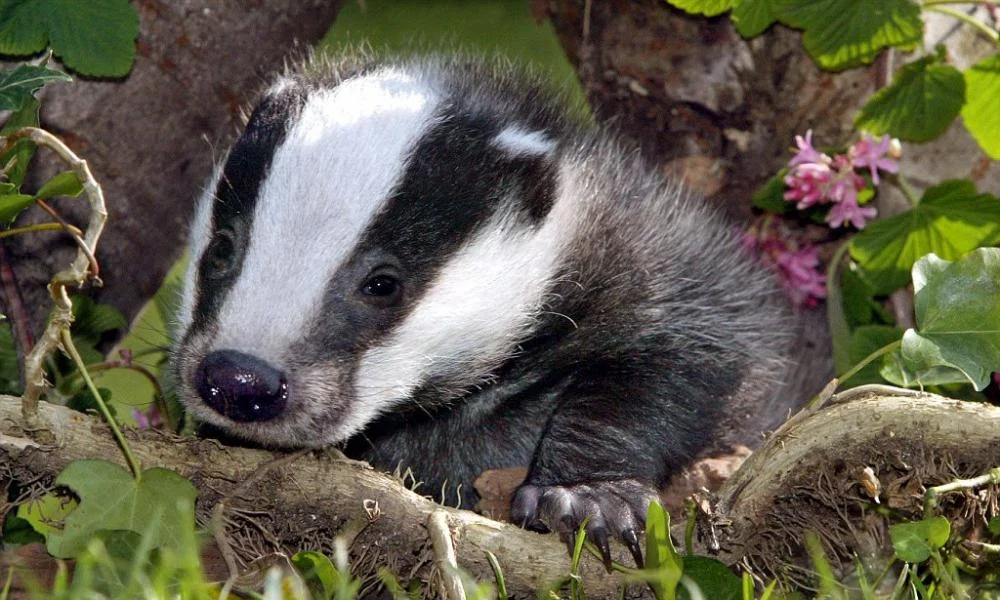
Badgers feature a distinct grizzled gray and brown coat that provides excellent camouflage. A striking white stripe extends from the nose over the head and down the back. Black patches on their cheeks complement their dark legs and short, bushy tails.
Reproduction
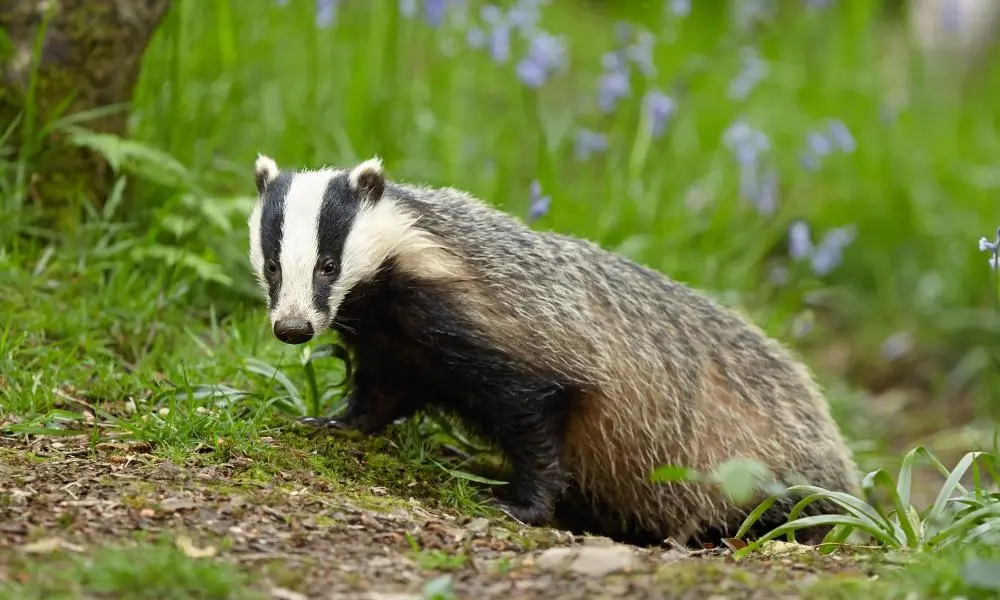
Badgers mate during late summer, but experience delayed implantation until winter. Litters of one to five blind, furred kits are born in underground burrows each spring. The mother cares for her kits until late summer, when they become independent hunters.
Conclusion
While official populations of badgers in Maine remain unconfirmed, these resilient mammals remain endlessly fascinating.
Their digging abilities and predatory skills make them vital components of open ecosystems. Understanding badgers in Maine highlights the immense diversity of North American wildlife.
FAQs
Are There Badgers in Maine?
No, badgers are not established native residents in Maine. They primarily inhabit the central and western regions of North America.
Are Badgers Smart Animals?
Badgers exhibit clever problem-solving skills when hunting and digging. While some lists rank animals with lowest iq, badgers are highly capable, adaptive survivalists.
What do Badgers Eat?
Badgers are carnivores that feed mainly on rodents, rabbits, ground squirrels, and insects.