Top 30 Scavenger Animals (With Pictures)
Scavenger animals play a crucial role in maintaining healthy ecosystems by cleaning up dead plant and animal matter. Without these specialized creatures, organic waste would accumulate, leading to the rapid spread of diseases and bacteria.
These remarkable organisms possess incredible evolutionary adaptations that allow them to locate and consume decaying organic material safely. Strong digestive acids, sharp senses of smell, and specialized beak or tooth structures help them survive on resources other species avoid.
Exploring the world of scavengers reveals a surprisingly diverse group of mammals, birds, marine life, and insects across every continent. Each species fills a specific ecological niche, ensuring that every level of organic remains is efficiently recycled.
List of Scavenger Animals
Here are top 30 scavenger animals:
- Hyenas
- Ravens
- Hawks
- Vultures
- Jackals
- Opossums
- Ants
- Sharks
- Seagulls
- Wild Dogs
- Lobsters
- Foxes
- Coyotes
- Hagfish
- Eagles
- Crows
- Tasmanian Devils
- Crabs
- Raccoons
- Condors
- Millipedes
- Marabou Storks
- Beetles
- Bears
- Wolves
- Coypus (Nutria)
- Sea Urchins
- Turkey Vultures
- Blowflies
- Leopard Seals
Hyenas
- Scientific name: Crocuta crocuta
- Class: Mammalia
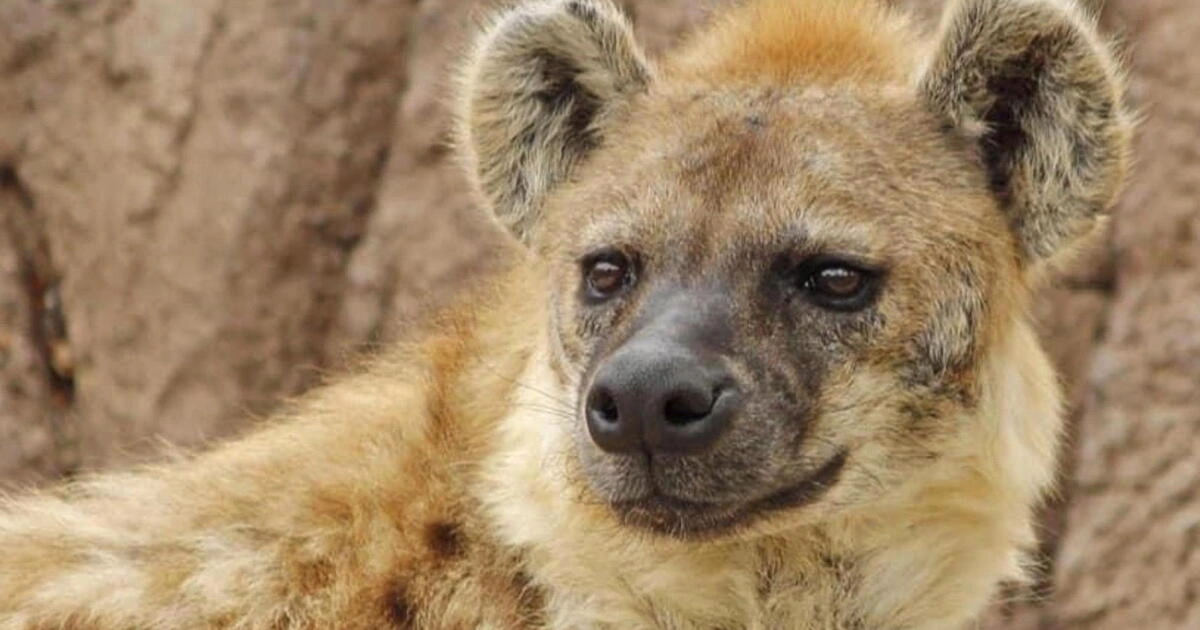
Hyenas are widely recognized for their powerful jaws, capable of crushing heavy bones that other predators leave behind. Although often classified strictly as scavengers, they actively hunt a large portion of their diet while constantly searching for carrion.
Their highly specialized digestive system can neutralize toxic pathogens found in decaying flesh, ensuring safe nutrient consumption. Strong stomach acids process bone fragments, hide, and tough ligaments that would otherwise prove completely indigestible to competitors. Many scavengers share unique physical adaptations; for instance, some species stand out among animals that have spots across African savannas.
Socially complex and highly communicative, hyena clans rely on vocalizations and coordination to defend gathered meat resources. They use a keen sense of smell to track decaying scents over vast distances under cover of night.
Ravens
- Scientific name: Corvus corax
- Class: Aves
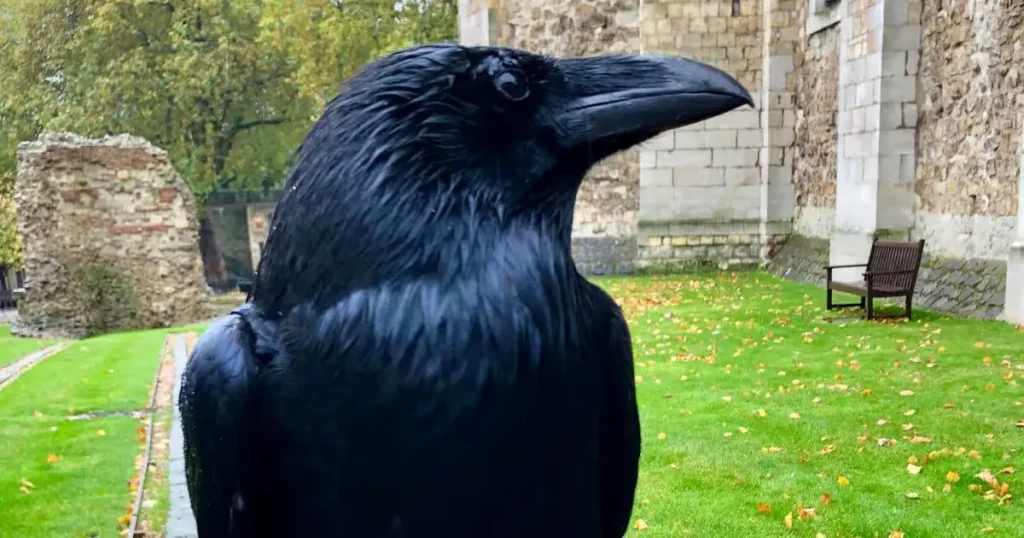
Ravens are highly intelligent birds known for their clever foraging strategies and opportunistic feeding habits across diverse environments. They frequently monitor large predators like wolves or bears to locate freshly killed prey and feed on leftovers.
In addition to searching for natural carrion, ravens adapt quickly to human presence by scouring landfills and roadside waste. They possess exceptional problem-solving abilities, often working in pairs to distract other animals away from found food sources.
These versatile birds inhabit almost every climate, from freezing arctic tundras to dry desert landscapes without issue. Their presence significantly speeds up the decomposition process of carcasses in remote regions where larger scavengers are scarce.
Hawks
- Scientific name: Buteo jamaicensis
- Class: Aves
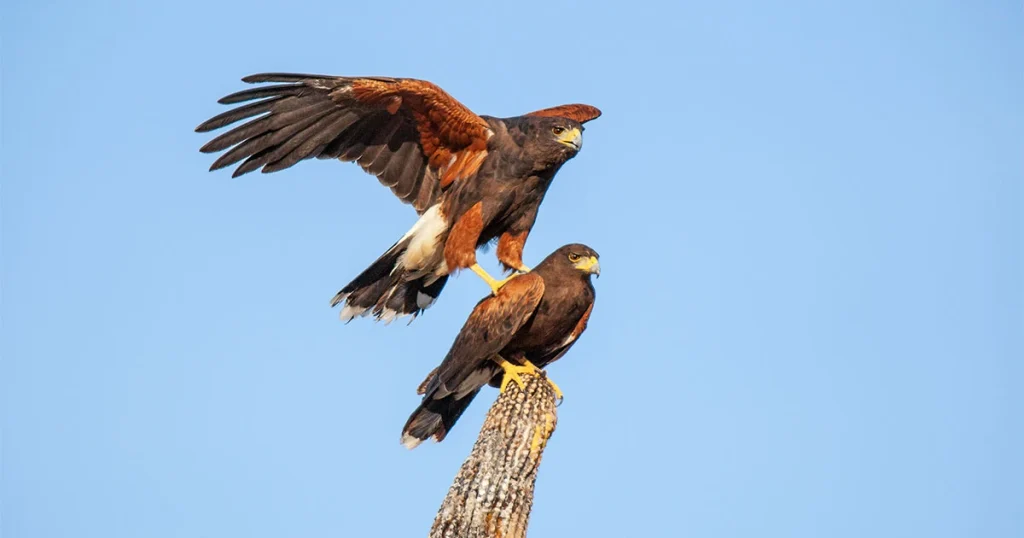
Hawks are primary aerial hunters, but they frequently turn to scavenging when live prey becomes difficult to capture. They utilize their sharp, soaring vision to spot dead roadkill or abandoned prey remains from high altitudes.
Their razor-sharp talons and hooked beaks are expertly shaped for tearing open tough hides and securing meat. While they prefer fresh hunting grounds, they will readily defend a found carcass against smaller competing bird species.
By feeding on dead rodents and farm animals, hawks help limit the spread of agricultural diseases across rural landscapes. They occupy an important niche in forest and field food webs as flexible top-tier avian predators.
Vultures
- Scientific name: Gyps fulvus
- Class: Aves
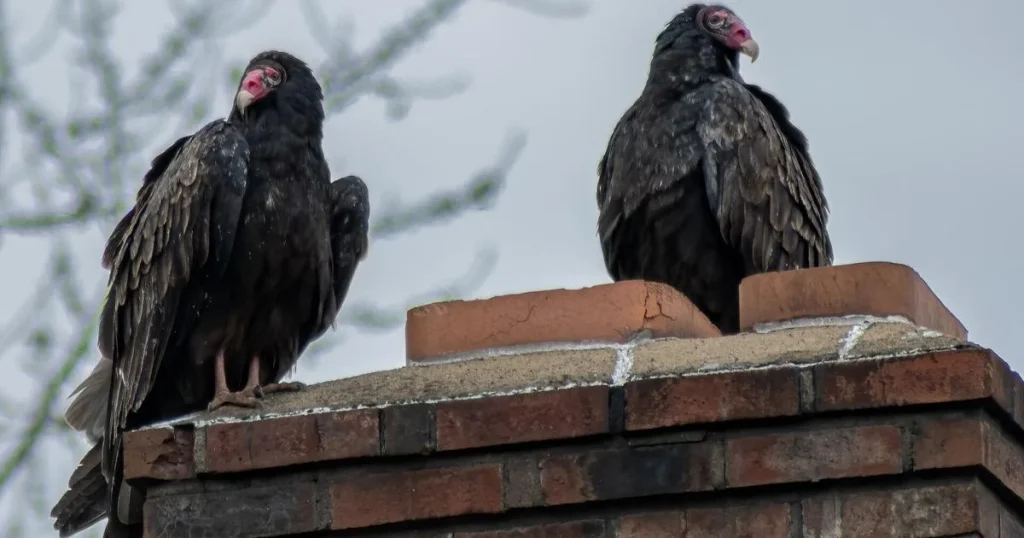
Vultures are perhaps the ultimate obligate scavenger animals, relying almost entirely on dead animal carcasses for daily nourishment. Their featherless heads are an evolutionary adaptation that prevents rotting blood and debris from clinging to their skin.
Using warm atmospheric thermals, these birds soar effortlessly for hours while scanning the ground below for feeding opportunities. Once a carcass is spotted, dozens of vultures may descend quickly, stripping a large mammal down to bones.
Without vulture populations operating efficiently, ecosystems experience severe spikes in disease outbreaks and feral pest populations. Regrettably, many species face human threats from environmental poisoning and habitat loss in critical regions worldwide.
Jackals
- Scientific name: Canis aureus
- Class: Mammalia
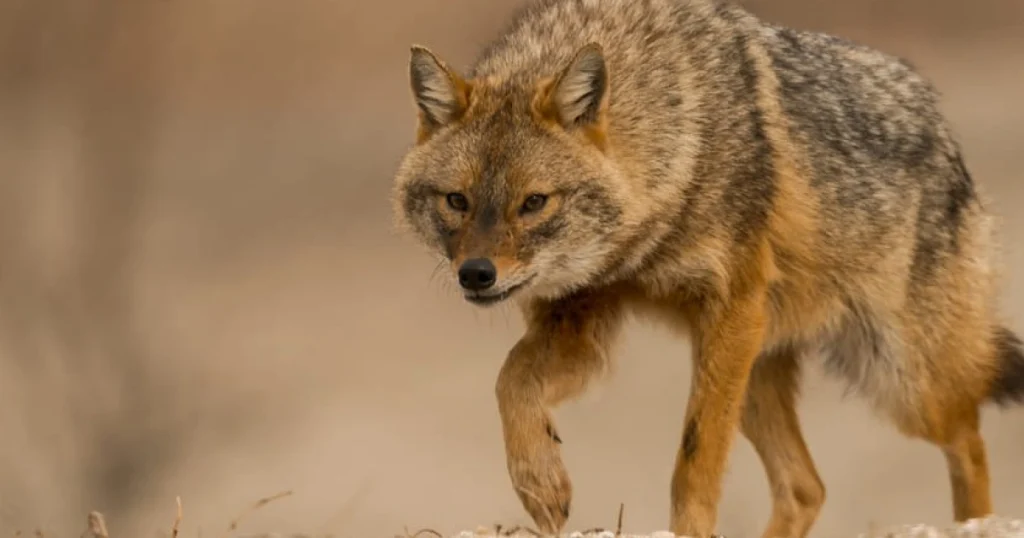
Jackals are medium-sized canids native to regions across Africa, southeastern Europe, and southern areas of Asia. They are exceptional opportunistic feeders, combining active small-animal hunting with frequent scavenging of larger predator kills.
Equipped with acute hearing and an impressive sense of smell, jackals can track dead prey over many miles. They often travel in monogamous pairs or small family packs to defend scavenged territories from rival scavengers.
By cleaning up discarded livestock and forest remains, jackals maintain vital hygiene standards in mixed wilderness areas. They consume a wide range of materials, including decaying fruit, small carcasses, and abandoned bones with equal ease.
Opossums
- Scientific name: Didelphis virginiana
- Class: Mammalia
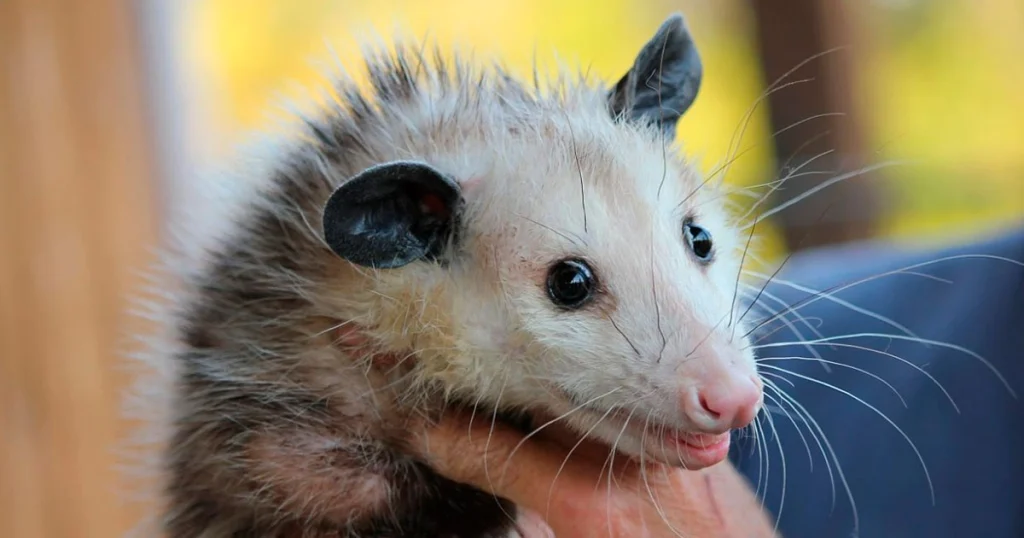
Opossums are North America’s only native marsupials and serve as critical nocturnal scavenger animals in urban and suburban environments. They actively search for decaying fruit, dead insects, roadkill, and forgotten garbage containers throughout the nighttime hours.
Their flexible diet makes them exceptionally beneficial neighbors, as they consume thousands of disease-carrying ticks and pests annually. Equipped with fifty sharp teeth, they can comfortably process a wide variety of tough plant and animal matter.
When threatened by larger predators over scavenged food, opossums may feign death as an involuntary physiological defense mechanism. This unique behavior often causes potential attackers to lose interest, leaving the opossum to resume feeding safely later.
Ants
- Scientific name: Formicidae
- Class: Insecta

Ants represent one of the most effective insect scavenger animals on Earth due to their overwhelming global numbers and coordination. When a worker ant discovers a dead insect or animal scrap, it leaves a chemical trail for others.
Their social structure enables them to process organic waste exponentially faster than many larger, solitary scavenger species can manage. By breaking down dead organic matter, ants accelerate soil enrichment and return essential nitrogen back into earth layers.
Without these tiny recyclers, forest floors and meadows would quickly become choked with accumulated insect and plant remains. Ants act as foundational cleanup agents, ensuring energy flows smoothly from deceased organisms back to plants.
Sharks
- Scientific name: Selachimorpha
- Class: Chondrichthyes
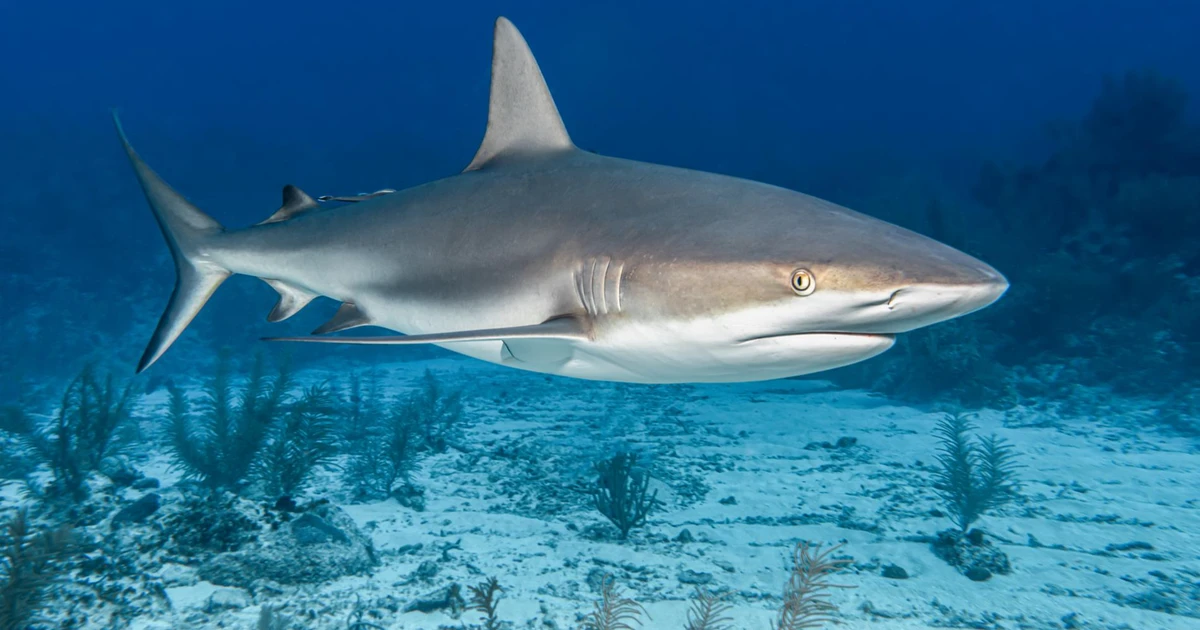
Sharks are renowned oceanic predators, but many species act as critical aquatic scavengers when given the chance. Large species like tiger sharks and white sharks regularly feed on floating whale carcasses drifting across open water.
Their sense of smell is exceptionally refined, allowing them to detect a single drop of blood dissolved across huge distances. Rows of serrated, replaceable teeth allow them to tear effortlessly through tough marine mammal blubber and thick hides.
Oceanic scavengers like sharks keep marine ecosystems healthy by controlling disease spread among schooling fish populations worldwide. Their presence around deep-sea carcass drops creates localized feeding frenzies that support multiple ocean layer species.
Seagulls
- Scientific name: Larus occidentalis
- Class: Aves
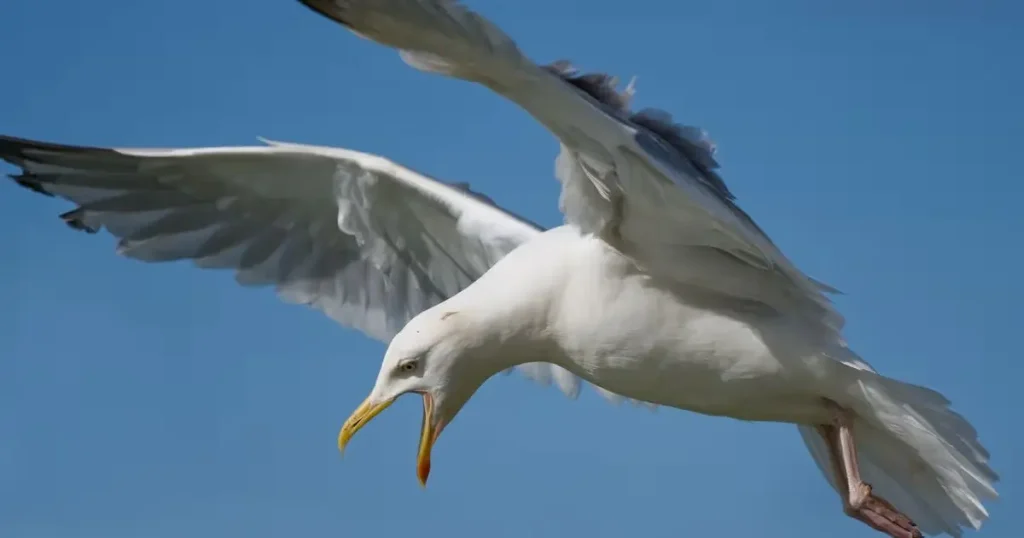
Seagulls are highly adaptable coastal birds famous for their noisy flocking behaviors and persistent scavenging capabilities near shores. While naturally adapted to eat dead fish and marine life washed ashore, they thrive around human populations.
Their expandable throats allow them to swallow remarkably large pieces of food whole without needing immediate mechanical tearing. They possess keen eyesight and monitor the movements of both marine predators and humans to steal food scraps.
By clearing beaches of rotting marine life, seagulls help maintain clean coastal shorelines and limit noxious bacterial build-ups. However, their reliance on human waste occasionally leads to conflicts in busy municipal and harbor environments.
Wild Dogs
- Scientific name: Lycaon pictus
- Class: Mammalia
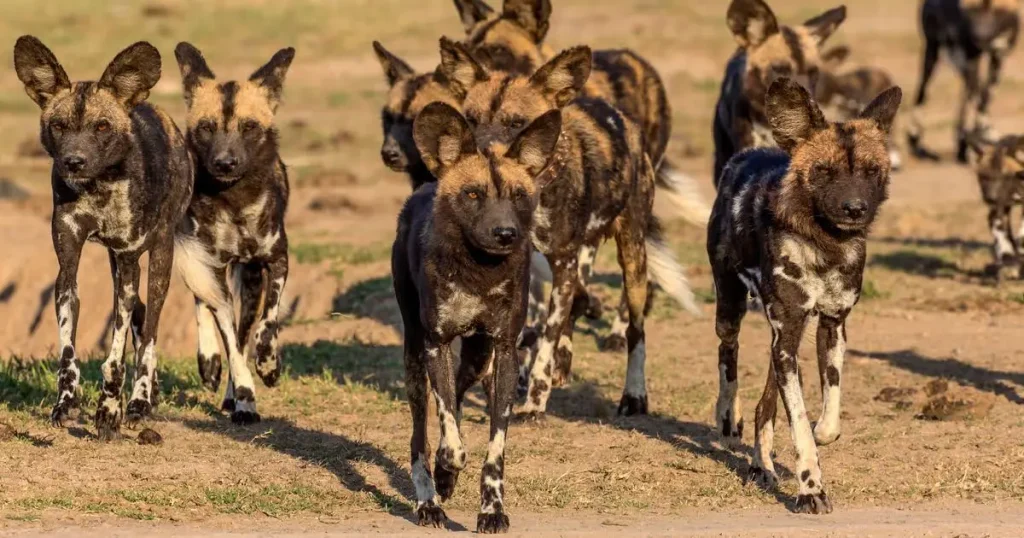
African wild dogs are primarily specialized pack hunters, yet they will scavenge when heavy competition or injury threatens survival. While their hunting success rate is exceptionally high, opportunistically feeding on fresh carrion conserves crucial pack energy.
These dogs possess incredible stamina and track scent lines across vast distances of open African savannah landscapes daily. Younger or sick pack members benefit significantly when adults bring back scavenged meat via regurgitation at central dens.
Although preferred prey is actively chased, scavenging remains a vital safety net during harsh droughts or prey shortages. Protecting African wild dogs helps preserve complex carnivore relationships across rapidly shrinking sub-Saharan wilderness preserves today.
Lobsters
- Scientific name: Homarus americanus
- Class: Malacostraca
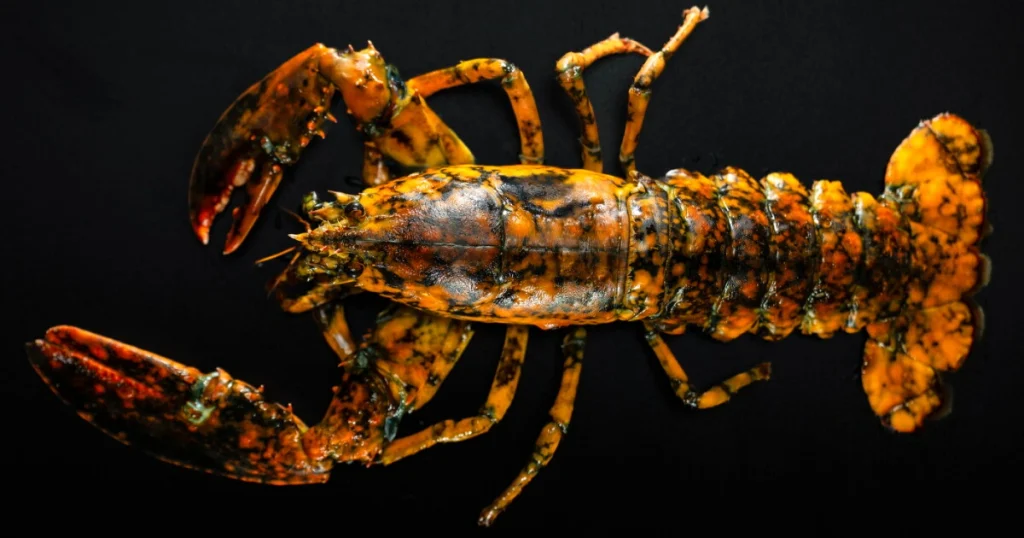
Lobsters are bottom-dwelling marine crustaceans that serve as essential cleanup crews across rocky ocean floor habitats worldwide. They walk along the seabed using sensitive antennae to detect decaying fish, mollusks, and organic marine detritus.
Equipped with powerful crushing claws, lobsters easily crack open hard shells and tear apart tough animal tissue remains. Their specialized digestive tracts efficiently process varied marine matter, recycling key minerals back into marine sediment layers.
While long considered simple bottom-feeders, lobsters also hunt live prey when available, balancing predation with steady scavenging. Commercial fisheries monitor their numbers closely, as healthy lobster populations signal strong overall marine ecosystem stability.
Foxes
- Scientific name: Vulpes vulpes
- Class: Mammalia
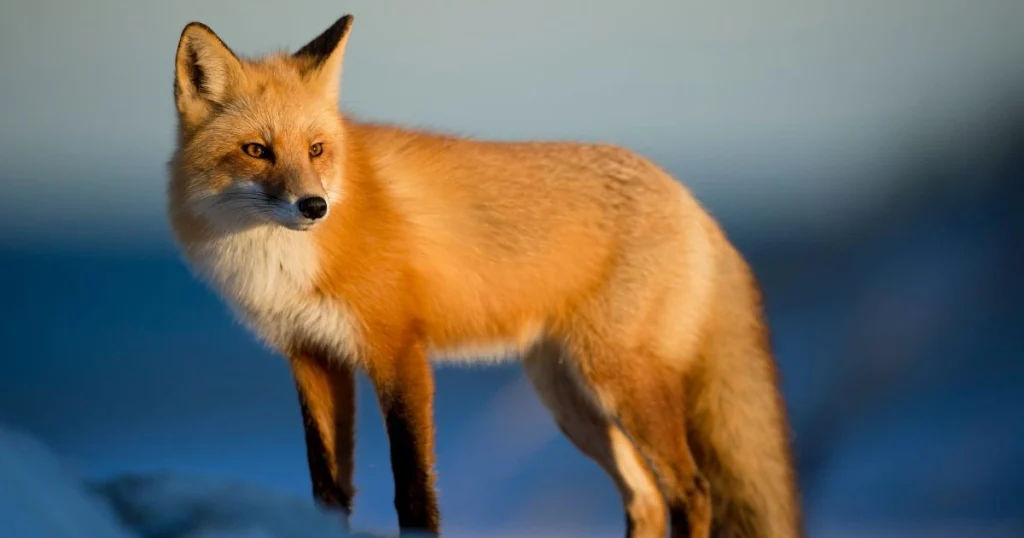
Foxes are small, adaptable canids that thrive in environments ranging from wild forests to heavily populated suburban towns. Their omnivorous diet leans heavily toward opportunistic scavenging, including roadkill, fallen fruit, and urban trash bin contents.
Unlike social pack animals, foxes usually forage alone, caching uneaten meat scraps underground to consume at later times. This hoarding behavior ensures a steady supply of nutrients during periods when fresh prey is difficult to locate.
By clearing small animal carcasses from highways and woods, foxes help suppress parasite populations like fleas and ticks. In suburban habitats, observers often notice small scavengers like foxes alongside other unique fauna like animals that look like squirrels.
Coyotes
- Scientific name: Canis latrans
- Class: Mammalia
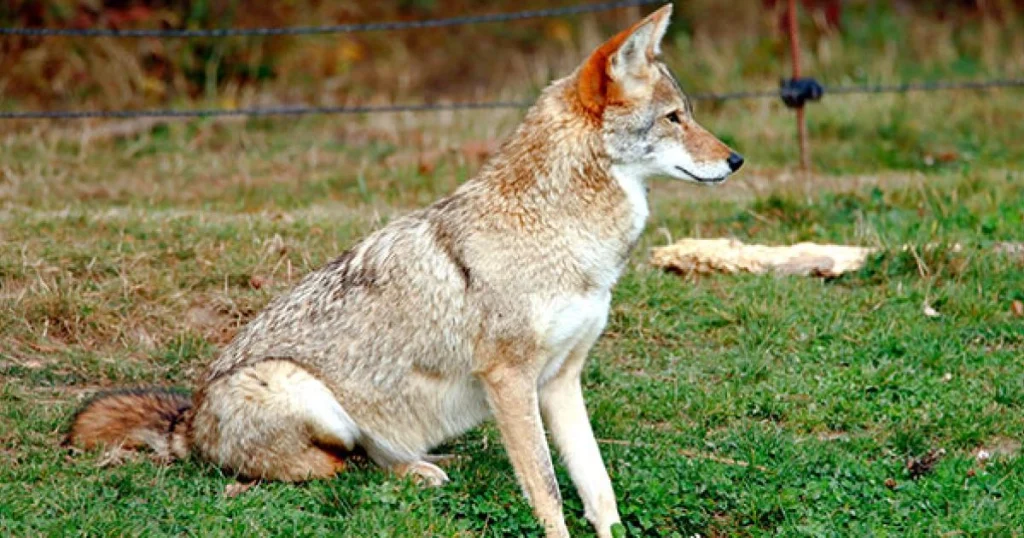
Coyotes are remarkably versatile North American predators whose expansion has been fueled by their supreme opportunistic scavenging skills. When larger predators like wolves leave behind deer carcasses, coyotes quickly step in to consume remaining tissue.
Their sharp intellect and keen senses of hearing and smell make finding hidden carrion straightforward in diverse terrain. They often adjust their social behavior, hunting alone or forming loose packs depending on available resource sizes.
As vital scavengers, coyotes reduce rotting animal waste across farmland, desert, and urban boundary ecosystems significantly every day. Their ability to thrive alongside human growth highlights their evolutionary resilience and dietary generalist strategies.
Hagfish
- Scientific name: Myxine glutinosa
- Class: Myxini
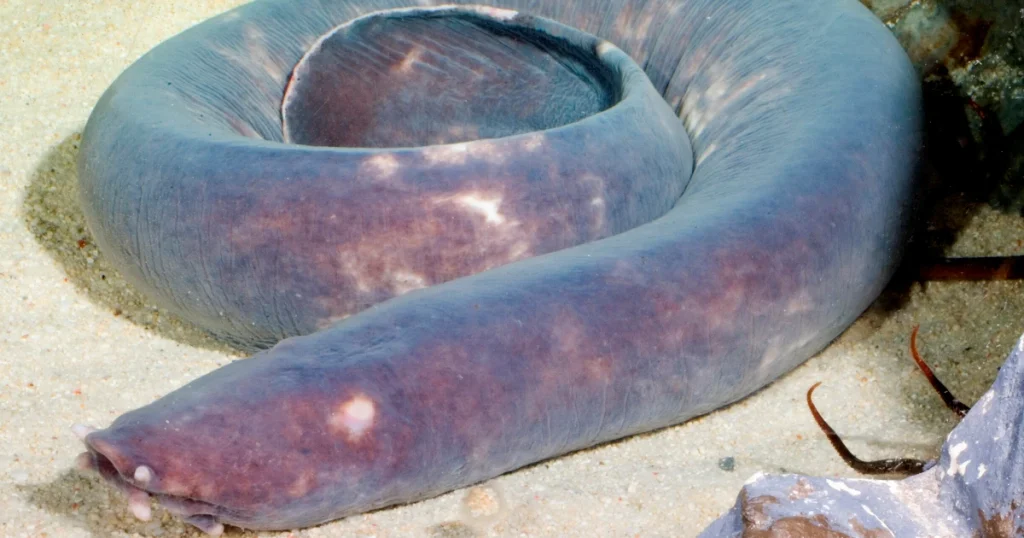
Hagfish are primitive, jawless marine creatures that inhabit the cold, deep ocean floor where sunlight cannot penetrate. They specialize in consuming “whale falls”—the massive carcasses of dead whales that sink down to ocean depths.
To deter competitors and predators while feeding inside carcasses, hagfish secrete immense quantities of thick, slippery mucus quickly. This unique defense mechanism can clog the gills of potential attackers, leaving the hagfish to feed completely undisturbed.
These unique bottom-dwellers perform a critical service by processing large organic falls that few other species can break down. Without hagfish, deep-sea floors would accumulate unprocessed waste, stalling essential marine carbon and nitrogen nutrient cycles.
Eagles
- Scientific name: Haliaeetus leucocephalus
- Class: Aves
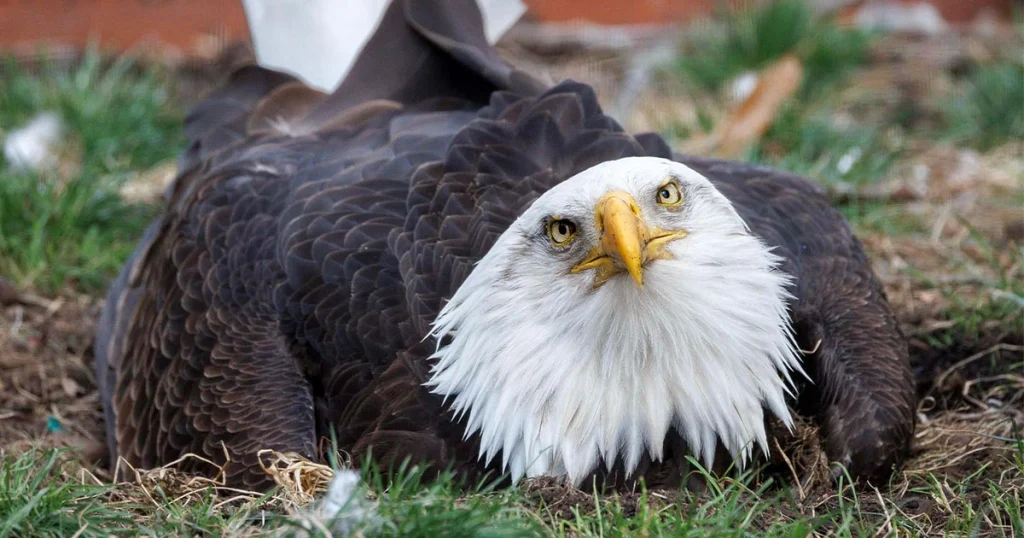
Eagles are revered as formidable aerial predators, but scavenging makes up a significant portion of their daily diet. Bald eagles, for instance, frequently bully smaller raptors to steal caught prey or feed on washed-up dead fish.
Their exceptional eyesight allows them to spot dead animal matter from miles away while soaring on thermals. Powerful curved beaks enable them to tear open thick hides that smaller bird species cannot breach alone.
This opportunistic lifestyle saves valuable physical energy, allowing eagles to maintain high survival rates throughout harsh weather conditions. Their scavenging habits demonstrate that even top-level avian predators rely heavily on carrion for daily nutrition.
Crows
- Scientific name: Corvus brachyrhynchos
- Class: Aves
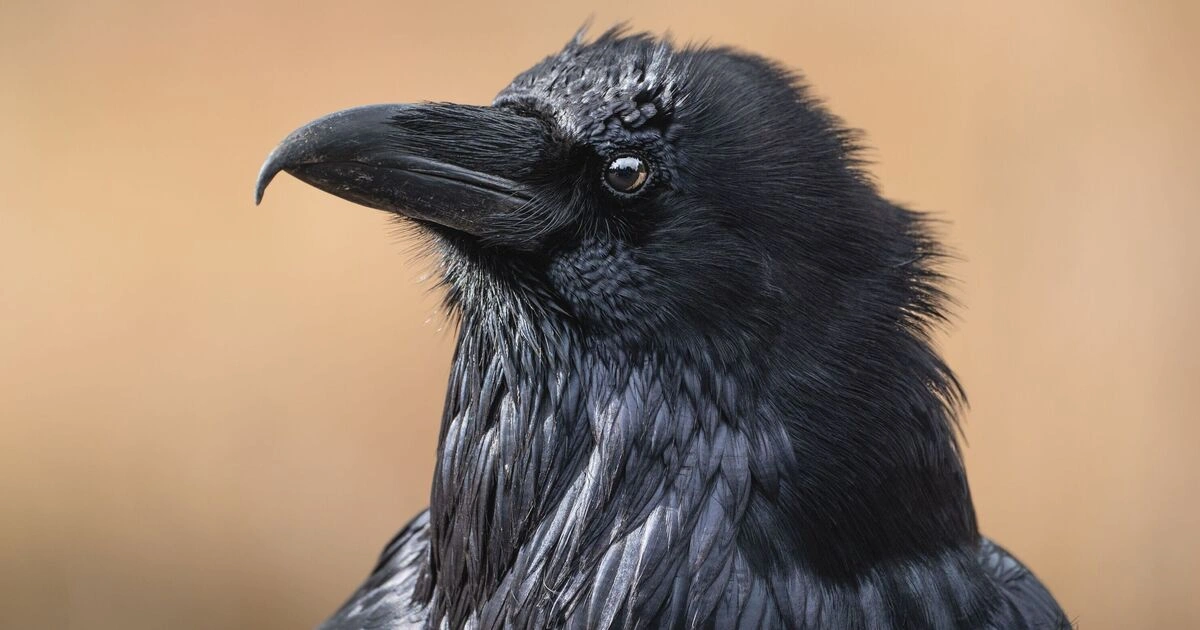
Crows are famous for their remarkable intelligence, problem-solving skills, and opportunistic feeding habits in nearly every habitat. Working in social groups, they forage along roadways, agricultural fields, and city streets looking for organic leftovers.
Their diet includes dead insects, small roadkill, scraps of garbage, and abandoned eggs from other bird species. Their high adaptability allows them to flourish near cities where human food waste provides a constant nutrient supply.
By quickly consuming small dead animals and garbage, crows help maintain sanitary conditions in urban and wild spaces alike. Their vigilant presence often alerts other woodland animals to nearby danger through distinct, loud alarm calls.
Tasmanian Devils
- Scientific name: Sarcophilus harrisii
- Class: Mammalia
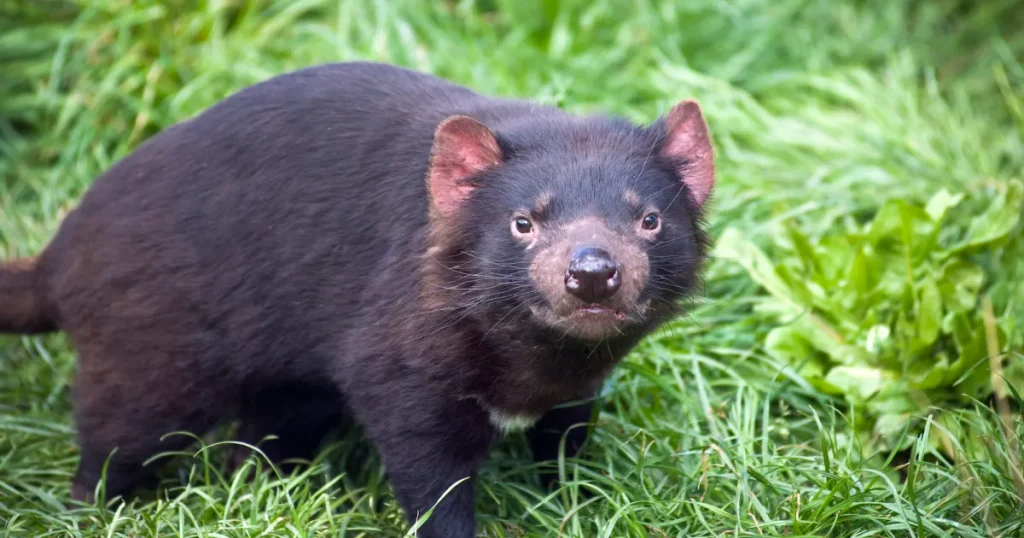
Tasmanian devils are the world’s largest carnivorous marsupials, native exclusively to the island state of Tasmania today. Known for their fierce temperaments and loud vocal screeching, they are dedicated scavengers of dead wildlife remains.
Unlike many carnivores that leave bones behind, devils consume entire carcasses completely, leaving virtually zero waste present. This thorough feeding habit dramatically limits blowfly populations, protecting livestock from dangerous flystrike infections across rural farmland.
Tragically, these unique marsupials face severe population declines due to a transmissible facial tumor disease impacting wild packs. Conservationists work tirelessly to protect remaining healthy populations, recognizing their irreplaceable role as primary island ecosystem sanitation officers.
Crabs
- Scientific name: Callinectes sapidus
- Class: Malacostraca
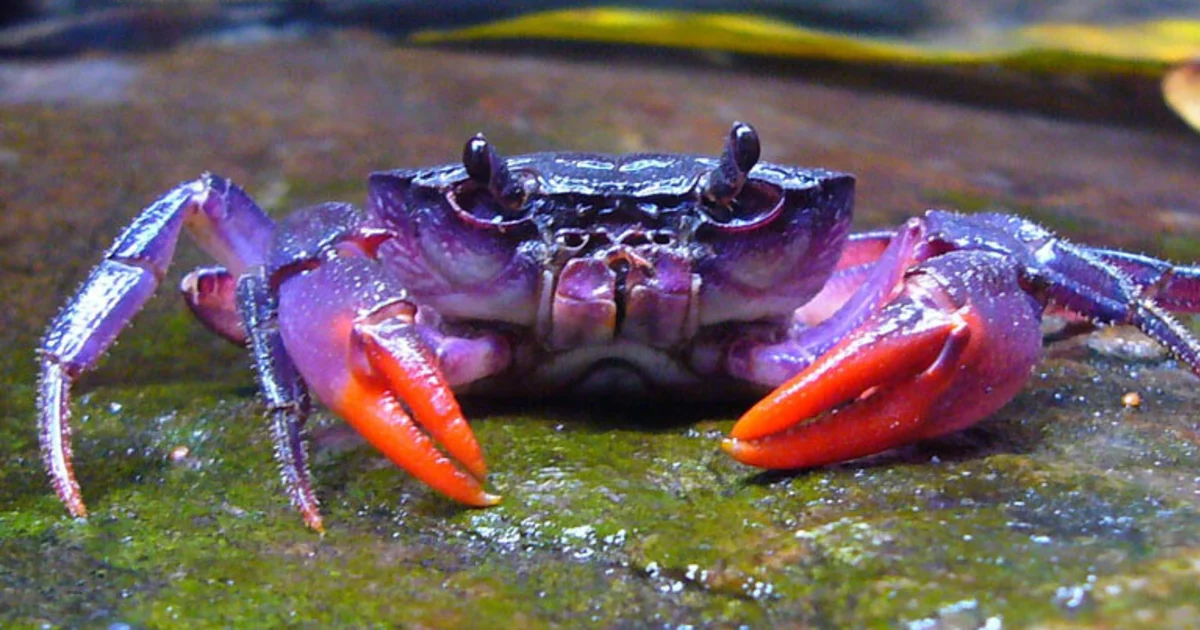
Crabs are essential crustacean scavenger animals populating marine shorelines, coral reefs, and muddy estuary environments around the world. Walking sideways along aquatic floors, they use sensitive appendages to detect decaying plant and animal detritus effortlessly.
Equipped with sharp pincers, crabs pick apart tough algae, dead fish, and discarded marine life scraps cleanly. Their active feeding turns organic waste into fine particulate matter that smaller marine organisms can consume safely.
By constantly sifting through beach sand and tide pools, crabs keep coastal borders vibrant, clean, and biologically functional. They serve as a crucial food link, converting scavenged energy into nutrients for larger fish and birds.
Raccoons
- Scientific name: Procyon lotor
- Class: Mammalia
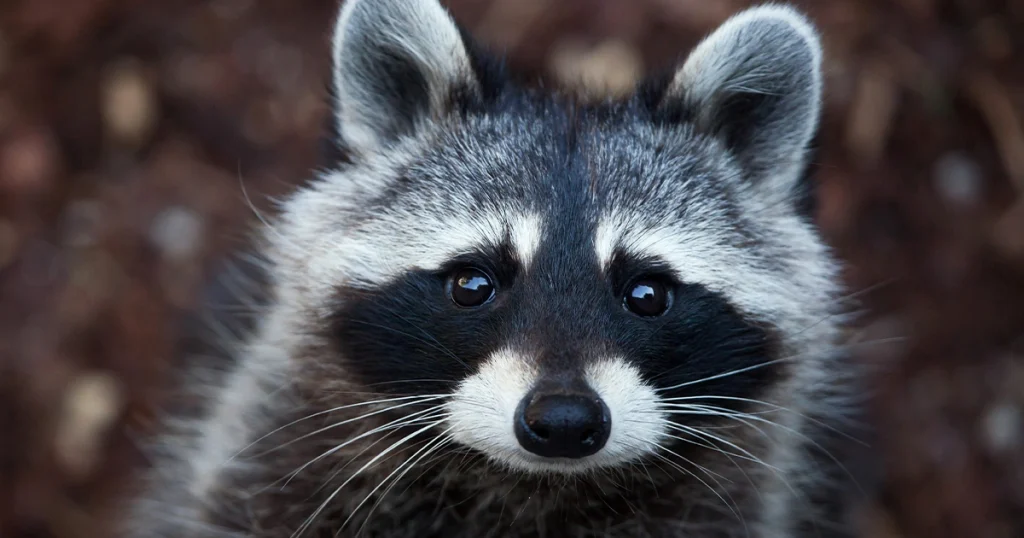
Raccoons are highly intelligent, nocturnal mammals native to North America, instantly recognizable by their distinct facial mask patterns. Extremely adaptable, they have mastered living alongside human communities by scavenging through trash cans, gardens, and urban dumps.
In natural forest settings, raccoons consume dead fish, fallen fruits, bird eggs, and small animal carcasses enthusiastically. They possess a keen sense of touch that is heightened when their paws are wet, aiding food identification.
While often viewed as mischievous pests by city dwellers, raccoons perform valuable sanitation work by consuming discarded organic waste. Their scavenging habits prevent garbage accumulation and accelerate nutrient cycling in suburban forest patches.
Condors
- Scientific name: Gymnogyps californianus
- Class: Aves
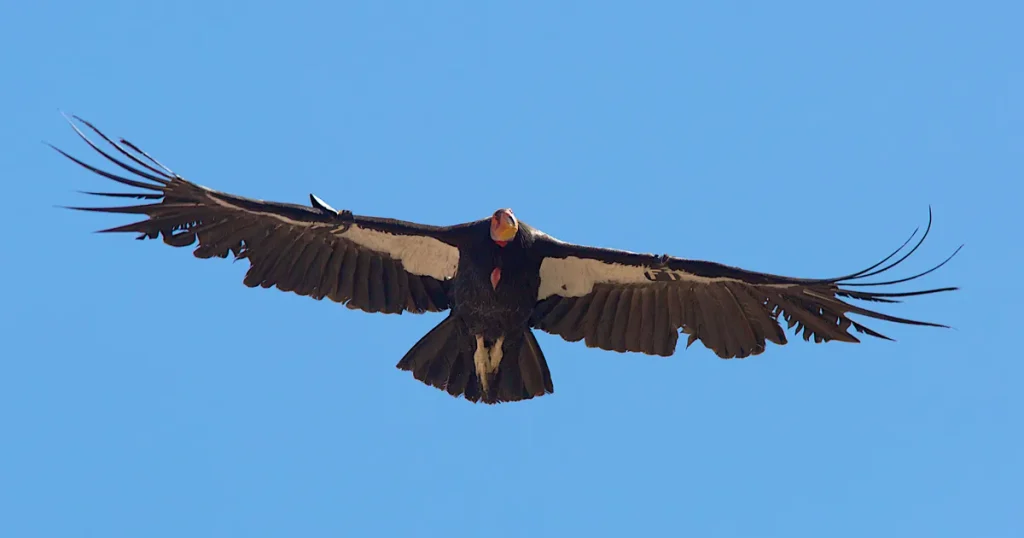
California and Andean condors are among the largest flying birds on Earth, boasting massive wingspans exceeding nine feet wide. As dedicated scavengers, they rely entirely on large mammal carcasses like deer, cattle, and marine mammals for survival.
Their large size gives them dominant status over smaller scavengers like vultures and ravens at competitive carcass sites. Possessing featherless heads similar to vultures, they stay clean while feeding deep inside large animal remains without issue.
Condor populations faced near extinction in the late twentieth century due to lead poisoning from ingesting hunter ammunition fragments. Intensive captive breeding and reintroduction programs have slowly brought these iconic birds back to western skies today.
Millipedes
- Scientific name: Diplopoda
- Class: Diplopoda
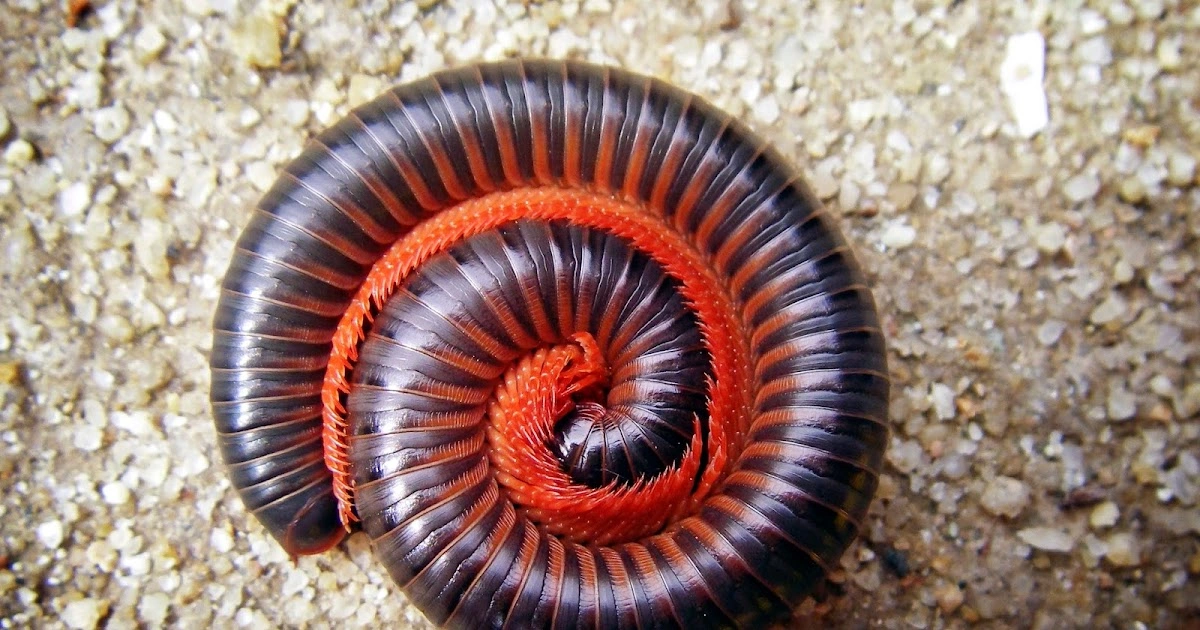
Millipedes are slow-moving, multi-legged detritivores that inhabit dark, damp soil layers and decaying leaf litter in forests worldwide. Unlike carnivorous centipedes, millipedes feed exclusively on rotting plant matter, decaying wood, and dead organic debris.
As they burrow through the ground, they aerate earth layers, allowing moisture and root systems to spread easily. They play a pivotal role in initial organic decomposition, making nutrients accessible to soil bacteria and fungi later.
Without millipedes, fallen leaves and dead vegetation would accumulate rapidly, choking out emerging plant life on forest floors. Their continuous recycling efforts turn forest waste into fertile topsoil essential for healthy tree growth globally.
Marabou Storks
- Scientific name: Leptoptilos crumenifer
- Class: Aves
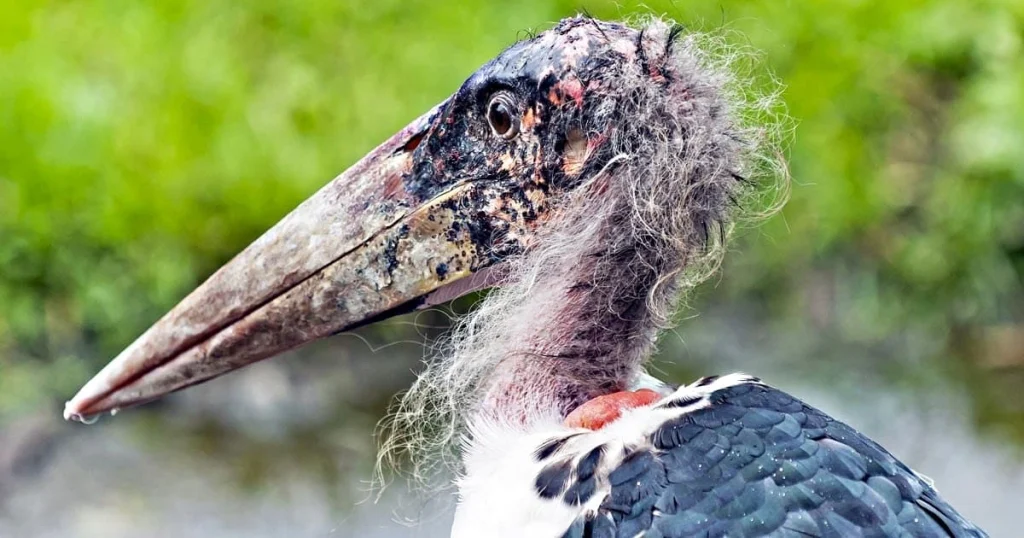
Marabou storks are massive, unusual-looking birds native to sub-Saharan Africa, often referred to as “undertaker birds” due to their appearance. They feature a bare head, a large throat pouch, and a long, dagger-like beak perfectly built for scavenging.
These birds gather in large numbers around human fish markets, dumps, and slaughterhouses to consume discarded animal scraps. Their broad diet includes rotting fish, dead reptiles, small mammals, and even garbage discarded in municipal landfills.
Marabou storks provide valuable ecological sanitation by eliminating large amounts of decaying waste in hot tropical climates quickly. Their activity reduces pest infestations and prevents dangerous bacteria from contaminating shared natural drinking water holes.
Beetles
- Scientific name: Silphidae
- Class: Insecta
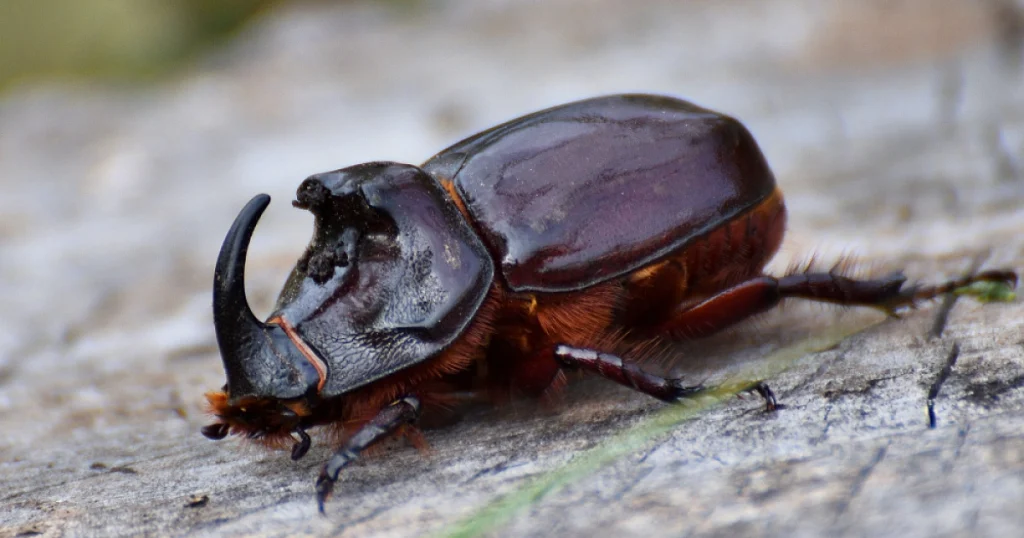
Dermestid and carrion beetles are specialized insects that play an extraordinary role in consuming dead animal remains worldwide. Many species bury small carcasses underground entirely, laying eggs so their developing larvae can feed on decaying tissues.
Their precise feeding habits are so efficient that museums routinely use beetle colonies to clean delicate animal skeletons completely. By stripping soft tissues cleanly without damaging bone, they assist scientists while performing natural environmental sanitation daily.
Without specialized beetles, larger scavengers would be overwhelmed by the sheer volume of small animal remains generated daily. These insects ensure that nothing goes to waste in nature, converting dead tissues directly into vital soil nutrients.
Bears
- Scientific name: Ursus arctos
- Class: Mammalia
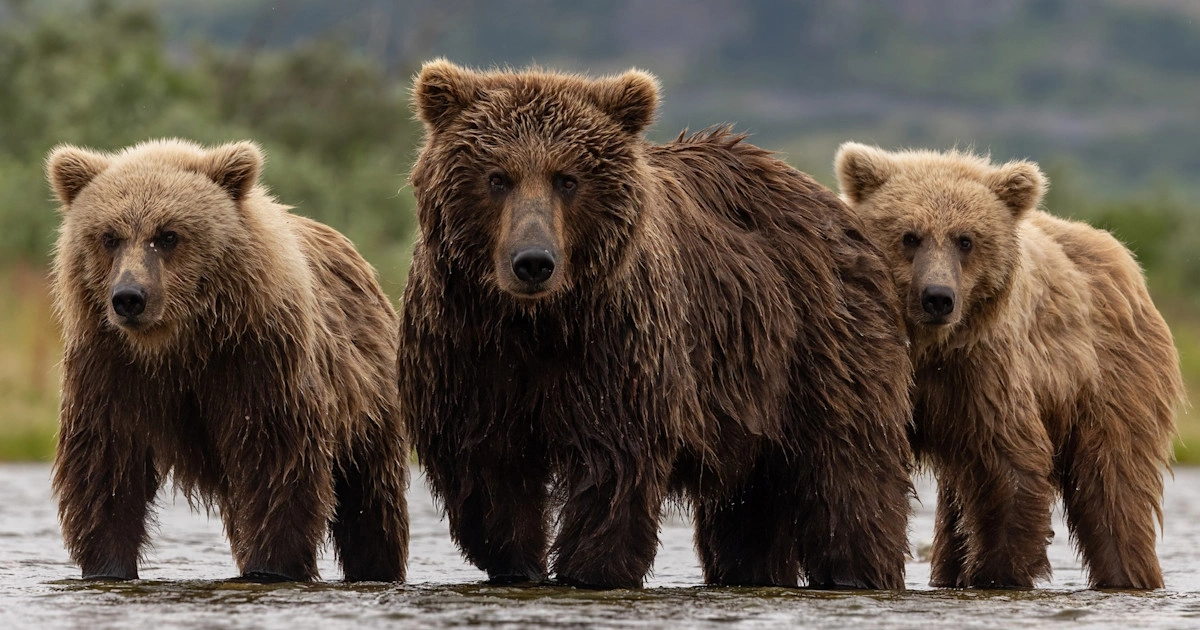
Bears are massive omnivores that regularly utilize scavenging to supplement their high-calorie seasonal diet requirements before winter hibernation. Brown bears and black bears possess an extraordinary sense of smell, capable of detecting rotting carcasses miles away.
Consuming scavenger animals meat provides concentrated fat and protein essential for building thick fat reserves required during winter sleep. In coastal regions, bears feed heavily on dead salmon washed onto riverbanks after seasonal spawning runs end.
By dragging heavy carcasses into forest interiors, bears distribute vital marine and animal nutrients directly into forest soil networks. This nutrient transport fosters rich plant growth, demonstrating how large mammal scavengers support broader ecological productivity.
Wolves
- Scientific name: Canis lupus
- Class: Mammalia
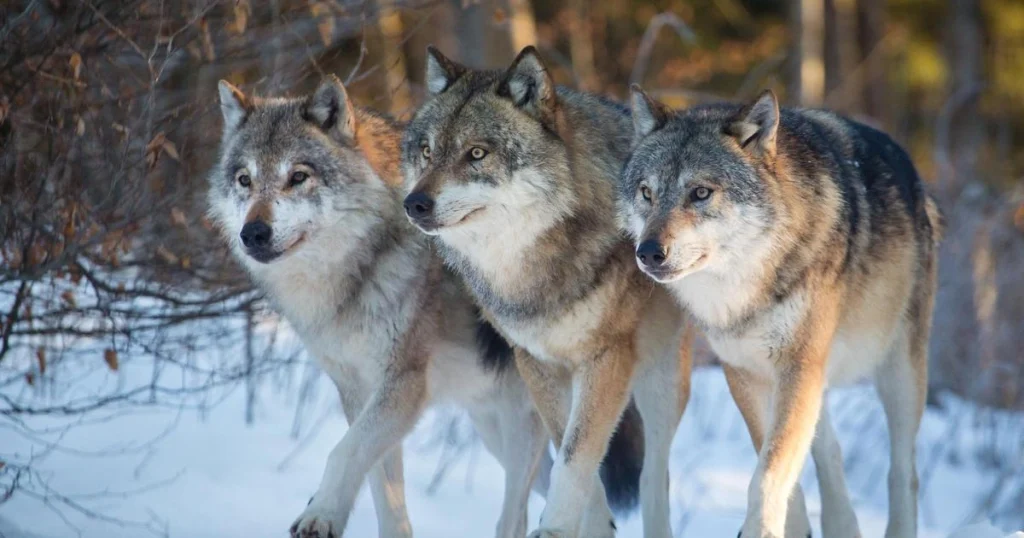
Wolves are legendary apex predators that live and hunt in highly organized family packs across Northern Hemisphere wilderness regions. However, when prey is scarce during severe weather, scavenging becomes a fundamental survival strategy for the entire pack.
Their impressive jaw pressure allows them to crack open thick marrow bones that smaller scavengers cannot break open independently. By opening up tough skeletal remains, they create feeding opportunities for secondary scavengers like ravens, foxes, and eagles.
Scavenging helps wolves conserve energy during periods when hunting live ungulates carries high risks of physical injury or failure. Their territorial patrolling keeps wilderness regions clean while enforcing natural balance among smaller competing carnivore populations.
Coypus (Nutria)
- Scientific name: Myocastor coypus
- Class: Mammalia
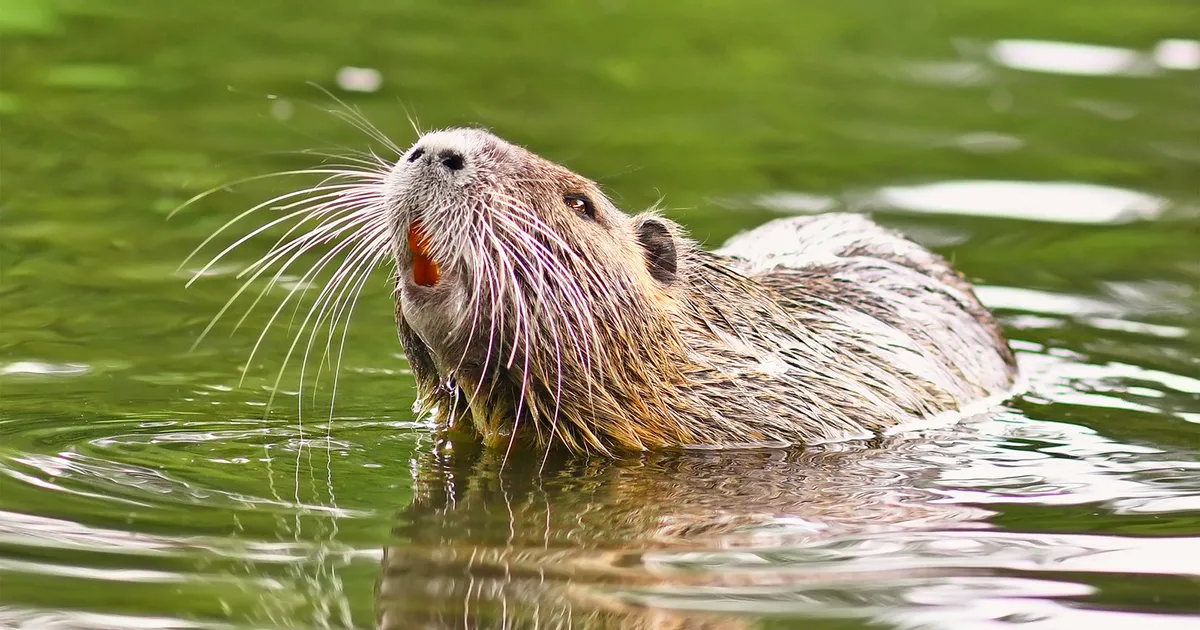
Coypus, commonly known as nutria, are large semi-aquatic rodents native to South America that have spread globally. While primarily herbivorous, they opportunistically scavenge decaying aquatic vegetation, dead roots, and organic marsh debris consistently.
By consuming decaying water plants, they prevent dense organic mats from choking oxygen levels in delicate wetland ecosystems. Unlike tailless species detailed in guides on animals without tails, coypus possess long, scaly tails that assist in swimming.
Their semi-aquatic lifestyle links land and water nutrient cycles as they transport organic materials through wetland channels daily. They serve as prey for larger aquatic predators while keeping water channels open through constant foraging activities.
Sea Urchins
- Scientific name: Strongylocentrotus purpuratus
- Class: Echinoidea
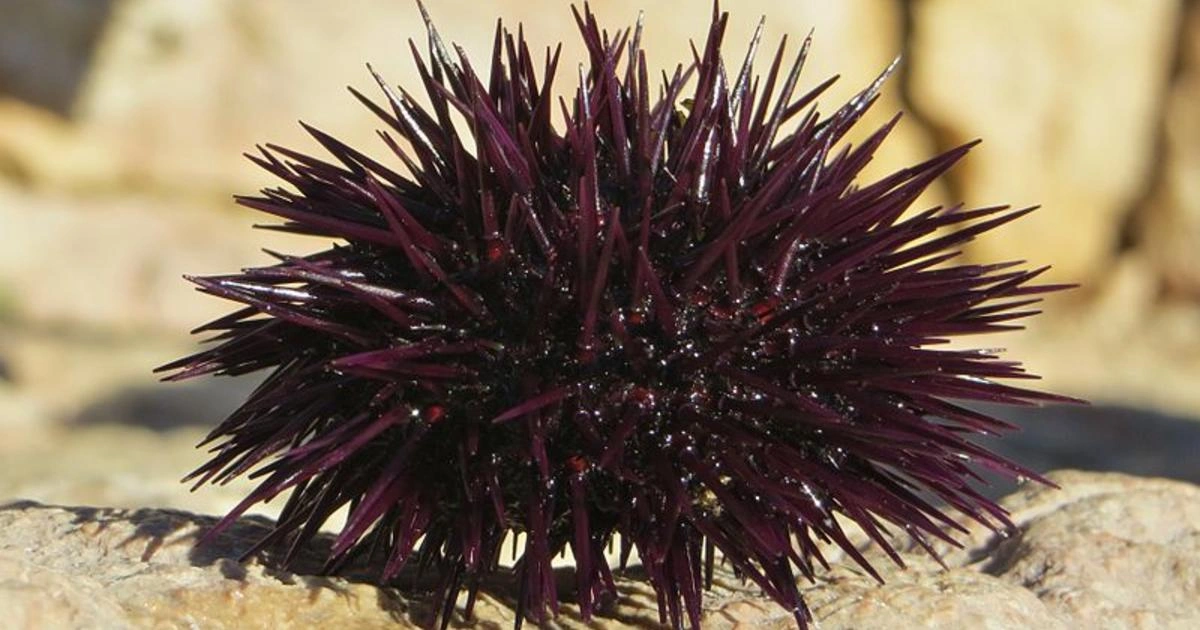
Sea urchins are spiny marine invertebrates that inhabit ocean floors and coastal kelp forest ecosystems around the world. Equipped with a specialized mouth structure called Aristotle’s lantern, they scrape decaying kelp, algae, and animal detritus from rocks.
Their constant grazing prevents dead plant material from rotting and fouling shallow tidal water environments favored by fish. By breaking down tough macroalgae into finer organic waste, they provide food for smaller marine filter feeders nearby.
These spiny ocean recyclers highlight the vital work performed by invertebrate scavengers beneath the ocean surface constantly. Their feeding activities maintain clean rock substrates necessary for young marine plants and sessile animals to attach.
Turkey Vultures
- Scientific name: Cathartes aura
- Class: Aves
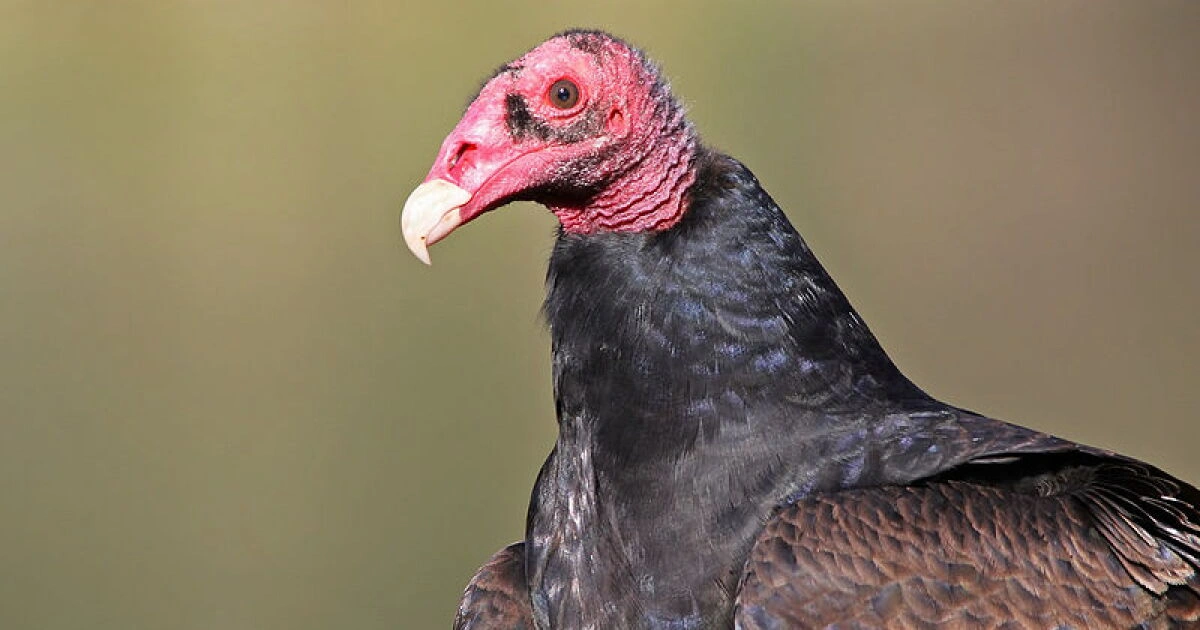
Turkey vultures are iconic North American scavenger animals famous for their incredible sense of smell, an rarity among avian species. They locate hidden carcasses beneath dense forest canopies by detecting ethyl mercaptan, a gas released by decaying flesh.
Unlike aggressive birds of prey, turkey vultures lack strong feet and rely entirely on soft, decaying animal tissues. Their bare red heads prevent bacteria from clinging to feathers while feeding deep inside rotting carcasses cleanly.
By patrolling highways and woodlands daily, turkey vultures remove potential disease sources before they spread to wildlife or livestock. Their specialized adaptations make them one of the most efficient obligate scavengers in the Western Hemisphere.
Blowflies
- Scientific name: Calliphoridae
- Class: Insecta
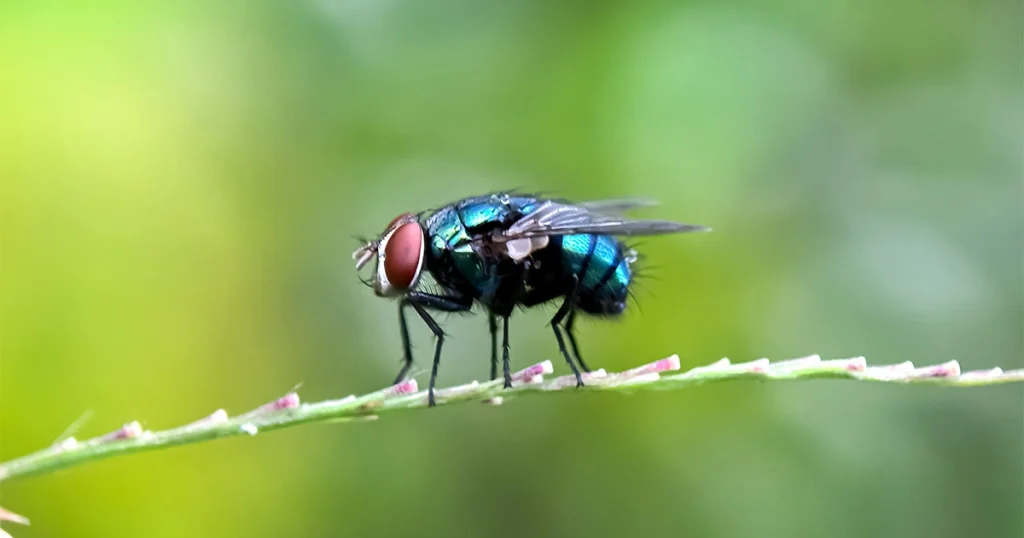
Blowflies are usually the very first scavengers to arrive at a fresh animal carcass, often within minutes of death. Female blowflies lay eggs in open wounds or natural body cavities, starting a rapid decay process essential to nature.
This rapid consumption prevents harmful bacteria from spreading unchecked into nearby water supplies and surrounding soil layers. Forensic scientists analyze blowfly larva development stages to determine accurate times of death in legal investigations today.
Though often viewed as annoying pests, blowflies are critical foundational recyclers within almost every terrestrial ecosystem globally. Without their swift intervention, dead organic matter would linger for weeks, creating massive sanitation risks everywhere.
Leopard Seals
- Scientific name: Hydrurga leptonyx
- Class: Mammalia
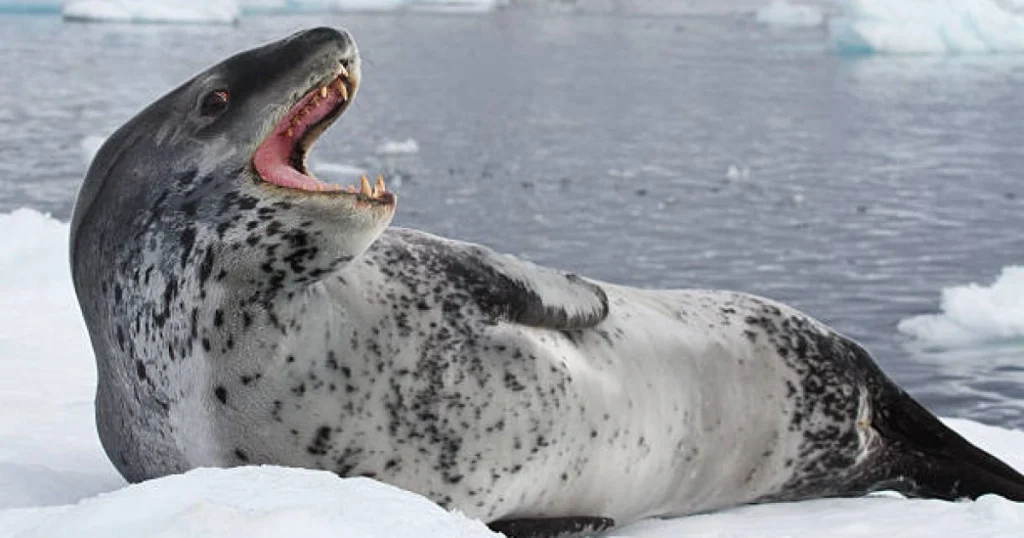
Leopard seals are formidable Antarctic predators known for hunting penguins, young seals, and large polar fish species actively. However, in harsh polar environments where live prey can be scarce, they scavenge floating marine mammal carcasses willingly.
Opportunistically feeding on dead whales or seals floating in icy waters allows them to conserve crucial body heat. Unlike terrestrial jumpers explored in studies on mammals that can’t jump, these aquatic mammals navigate icy waters effortlessly via powerful flippers.
As apex polar scavengers and hunters, leopard seals maintain biological balance across remote, icy marine ecosystems efficiently. Their recycling of marine blubber returns vital organic nutrients back into pristine southern ocean food webs continuously.
Final Thoughts
Scavenger animals serve as nature’s indispensable cleanup crew, ensuring that organic waste is efficiently recycled across every ecosystem on Earth. From massive vultures soaring overhead to microscopic beetles working beneath the soil, these creatures prevent the spread of lethal diseases and return vital nutrients to the environment.
Understanding the diversity and specialized adaptations of scavengers highlights the delicate balance within food webs worldwide. Protecting these animals many of which face threats from human activity, habitat loss, and environmental poisoning, is essential for global ecological health.
FAQs
What is the Main Difference Between a Predator and a Scavenger?
Predators actively hunt, catch, and kill live prey for nourishment, whereas scavengers primarily feed on animals or plants that are already dead. However, many animals act as both depending on food availability.
Why Don’t Scavenger Animals get Sick From Eating Rotting Meat?
Scavengers have evolved extremely powerful stomach acids that destroy dangerous pathogens like anthrax, cholera, and botulism. Additionally, many possess tough immune systems and specialized gut bacteria that protect them from toxins.
Which Are Considered the Most Efficient Scavenger Animals?
Vultures are widely regarded as the most efficient terrestrial scavengers because their diets consist almost entirely of carrion. Their specialized flight capabilities and powerful digestive systems allow them to locate and clean up carcasses rapidly.