Top 16 Dirtiest Animals in The World (With Images)
Key Takeaways
- Mud wallowing acts as natural sunscreen and insect repellent
- Scavenger species possess extreme immune systems against toxins
- Unclean animal habits often serve critical evolutionary functions
- Physical dirtiness does not equal poor personal hygiene
Have you ever wondered which creatures take the crown for having the most stomach-churning habits on our planet? When we talk about the dirtiest animals in the world, our minds usually picture creatures covered in thick mud, feeding on rotting waste, or swimming in filthy water. But is that dirty behavior just bad hygiene, or is it a brilliant survival strategy?
Here at AnimalsRoyalty, we love digging deep into animal behavior to see what is really going on behind these gross habits. You might be surprised to learn that what looks nasty to us is often a life-saving trick for them! Let us take a friendly walk through nature and explore the top 16 grossest, muddiest, and most misunderstood creatures on Earth.
AI Overview
The dirtiest animals in the world include pigs, vultures, dung beetles, and flies, known for wallowing in mud, consuming waste, or carrying bacteria. While their habits seem unhygienic, these behaviors provide vital survival benefits like temperature regulation, parasite defence, and ecosystem cleaning. Based on available data, dirtiness in nature is usually an essential evolutionary adaptation.
List of Dirtiest Animals in The World
1. Pigs
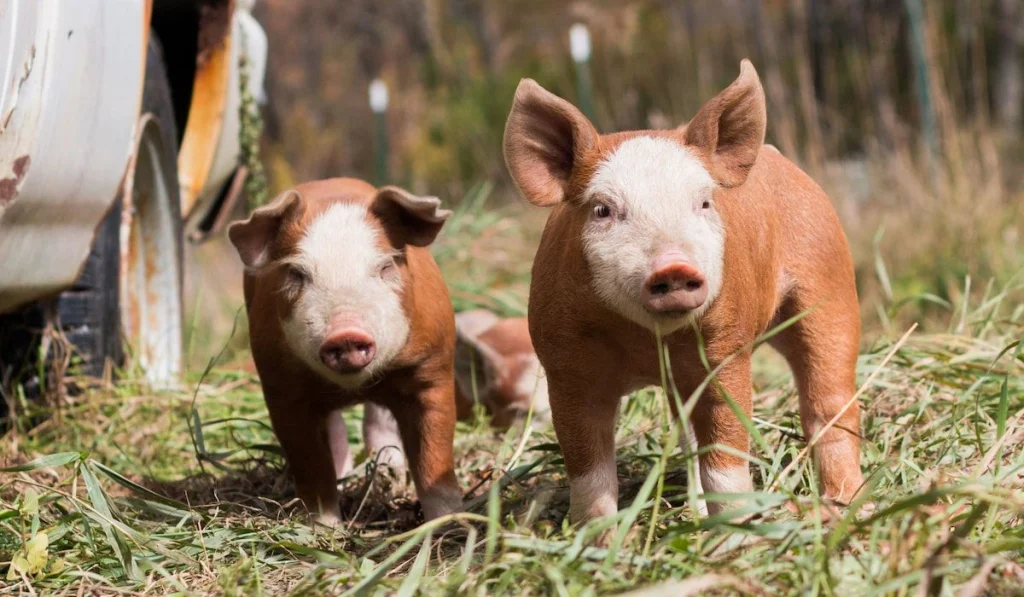
Pigs have a long-standing reputation for being filthy, but is that really fair? In most cases, pigs roll in deep mud simply because they cannot sweat to cool themselves down.
That thick layer of dried mud acts as a powerful natural sunscreen and shields their skin from nasty bug bites. Under clean farm conditions, pigs actually keep their sleeping areas completely separate from where they go to the bathroom.
When pigs wallow in mud, it cools their skin temperature significantly faster than water evaporation alone would. The mud locks in moisture, creating a prolonged cooling sensation that protects their delicate skin from severe sunburn in hot summer conditions.
Furthermore, as the mud dries into a solid crust, it traps annoying parasites like lice and ticks. When the pig rubs against a tree or fence post later, the dried mud flakes off, taking the parasites along with it. In structured farming environments, pigs demonstrate high intelligence and spatial awareness by establishing dedicated waste areas far away from their feed troughs and bedding spots.
2. Pigeons
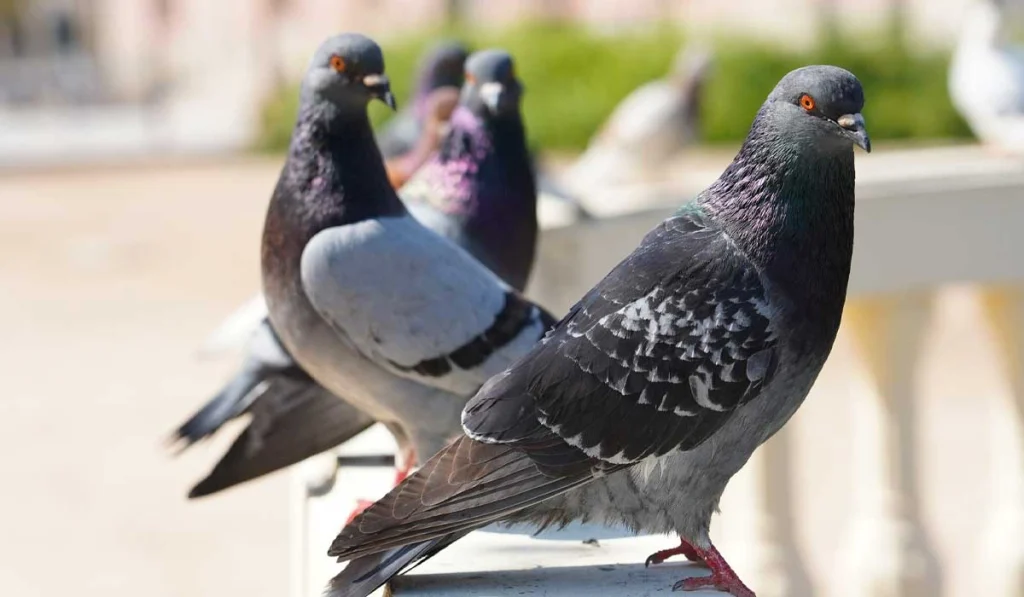
Often called feather rats in big cities, pigeons constantly walk through garbage, droppings, and urban pollution. Their feathers collect oily soot and pathogens as they search for fallen food crumbs on crowded city streets.
Because they roost in tightly packed flocks, diseases and parasites spread rapidly among them. Yet, these birds are amazingly adaptable survivors that thrive right alongside human civilization despite the grime.
Urban pigeons spend their daily lives traversing concrete, sewer grates, and trash dumps. Their damp feet pick up bacterial strains, oily exhaust residue, and fungal spores, which they inadvertently spread to windowsills and public benches.
Because urban areas offer an endless supply of discarded fast food, pigeons congregate in dense numbers, encouraging rapid feather mite infestations. Their habit of building nests out of debris, twigs, and their own dried droppings creates a breeding ground for pests. Despite these unhygienic conditions, their robust immune systems allow them to survive in environments that would make many wild bird species sick.
3. Cockroaches
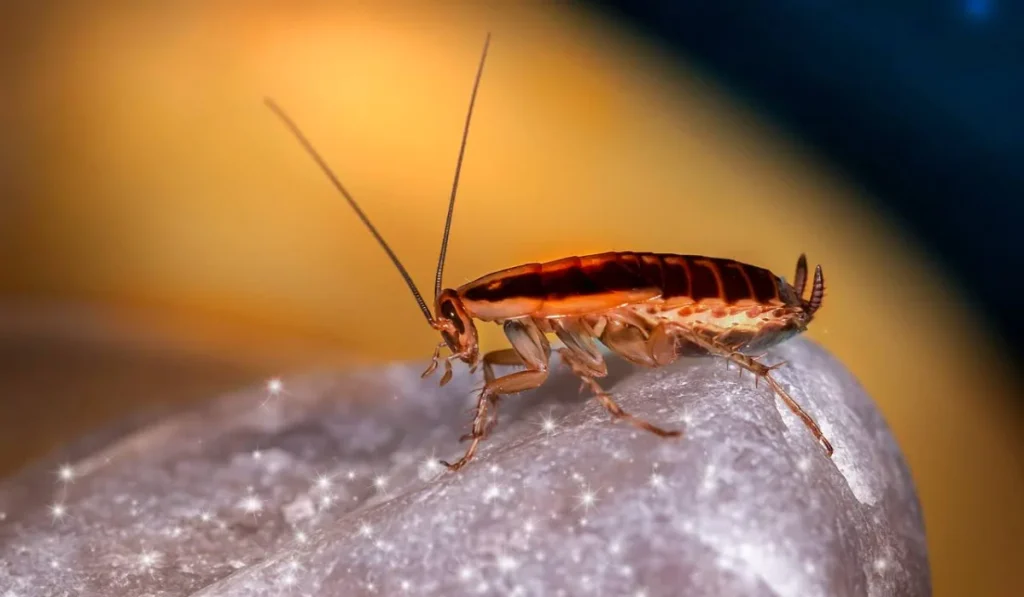
Cockroaches are infamous home invaders that thrive in dark sewers, damp basements, and decaying trash heaps. They crawl over rotting organic matter and carry harmful bacteria on their spiky legs and hard outer shells.
Fun fact: cockroaches spend hours constantly grooming themselves when they are away from filth! They clean their antennae and legs rigorously because dust ruins their senses, even though they live in filthy environments.
Cockroaches are notorious for their association with unsanitary human conditions. They easily navigate through drain pipes, septic systems, and rotting garbage heaps, picking up dangerous pathogens such as Salmonella and E. coli on their cuticles.
As they crawl across kitchen counters and food storage areas, they drop these microorganisms onto human food supplies. Paradoxically, cockroaches are obsessive self-groomers. They pass their legs and antennae through their mouthparts repeatedly to remove particulate matter, as clean antennae are vital for sensing moisture, pheromones, and food sources in the dark.
4. Crows
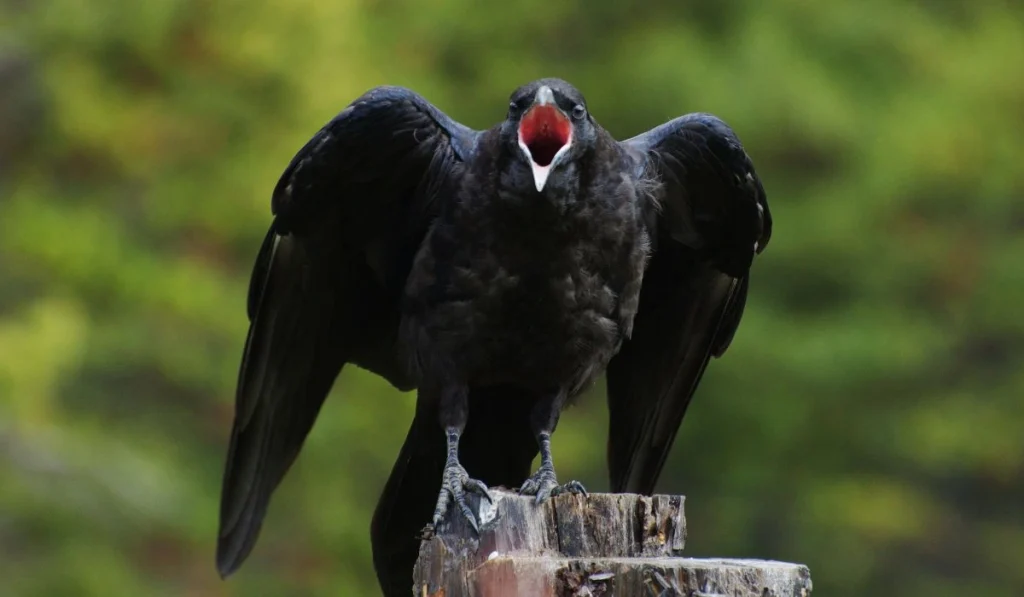
Crows are wicked smart, but their eating habits are definitely on the gross side. These clever birds frequently feast on rotting roadkill, open dumpster trash, and decaying animal remains.
They carry waste back to their nests, leaving messy piles of bones and food scraps beneath their roosts. Their willingness to eat almost anything keeps city streets cleaner, even if their dining habits look unpleasant.
As opportunistic omnivores, crows play a dual role in ecosystems. On one hand, they flock to landfills and road shoulders to pick apart decaying carcasses and rotting household scraps. Their sharp beaks tear into decaying meat, exposing internal organs to the elements. They often stash extra pieces of rotting meat in tree hollows or under roof tiles for later consumption, leading to localized foul odors.
On the other hand, their high metabolism and opportunistic scavenging remove huge volumes of biohazardous waste from urban neighborhoods before it can breed massive fly populations.
5. Vultures
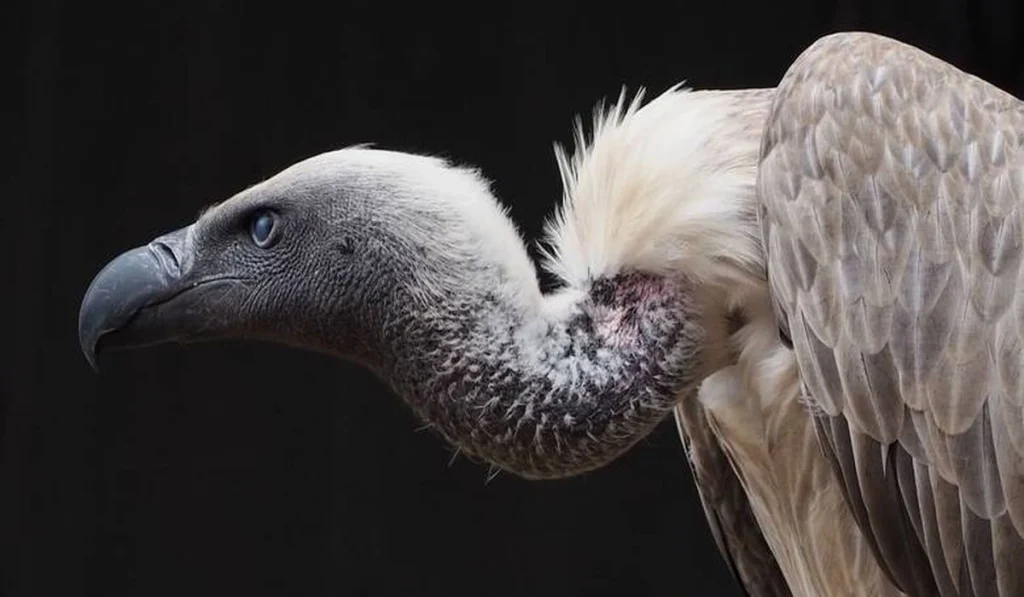
Vultures are the ultimate cleanup crew of the wild, dining almost exclusively on decaying carcasses. To protect themselves from severe infection, they have ultra-strong stomach acids that destroy dangerous bacteria like anthrax and cholera.
To cool off and sanitize their legs from bacteria-laden blood, vultures actually urinate directly onto their own feet! It sounds disgusting, but the acidic urine kills deadly pathogens and keeps the birds healthy.
The specialized anatomy of a vulture is built entirely around consuming toxic biological matter. When a large herbivore dies, vultures insert their featherless heads directly into the body cavity, emerging covered in internal fluids and decomposing tissues.
To prevent this decaying slurry from rotting their feathers, their heads remain bald so sunlight can dry and sterilize their bare skin. Furthermore, their gastric juices have a pH level close to zero, allowing them to digest lethal bacterial strains that would instantly kill other animals. Their habit of urohydrosis, urinating on their legs, uses uric acid to neutralize surface bacteria picked up while standing inside carcasses.
6. Rats
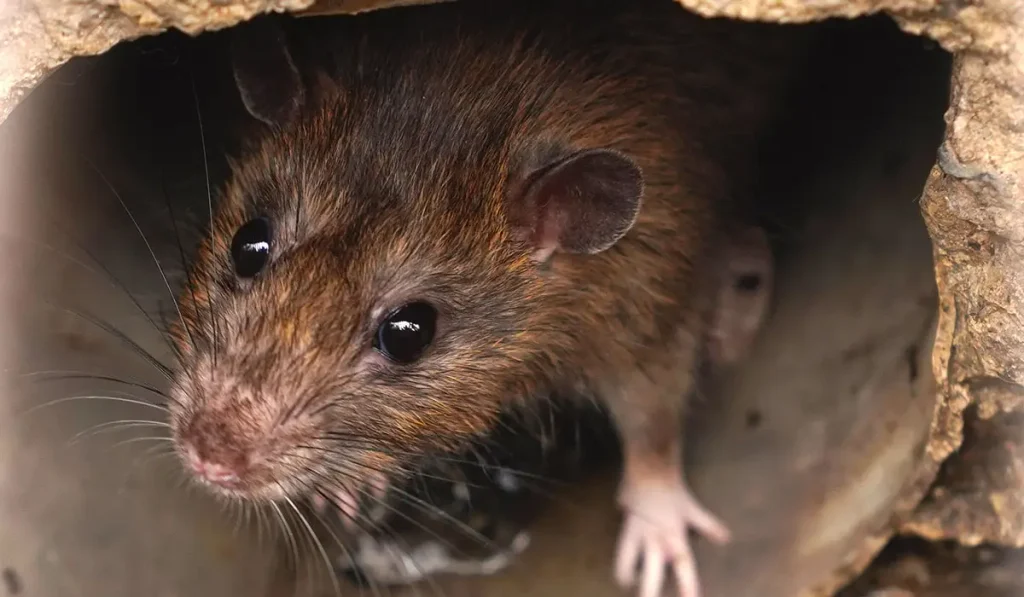
Rats have lived alongside human garbage for thousands of years, thriving in dark sewers and underground drains. They travel through filthy pipelines, picking up germs on their fur and spreading them through urine trails.
Despite their bad rep, rats groom their coats continuously throughout the day like cats do. They live in dirty places simply because that is where human scraps and shelter are easiest to find.
Rats possess an extraordinary ability to adapt to urban waste systems. They build extensive nest networks inside sewer lines, trash compactors, and abandoned structures. As they move through these environments, their coarse fur absorbs grease, sewage liquid, and fungal spores.
Rats continuously dribble tiny droplets of urine as they walk to mark navigation pathways for their clan members, leaving behind unseen biological trails on floorboards and walls.
7. Flies
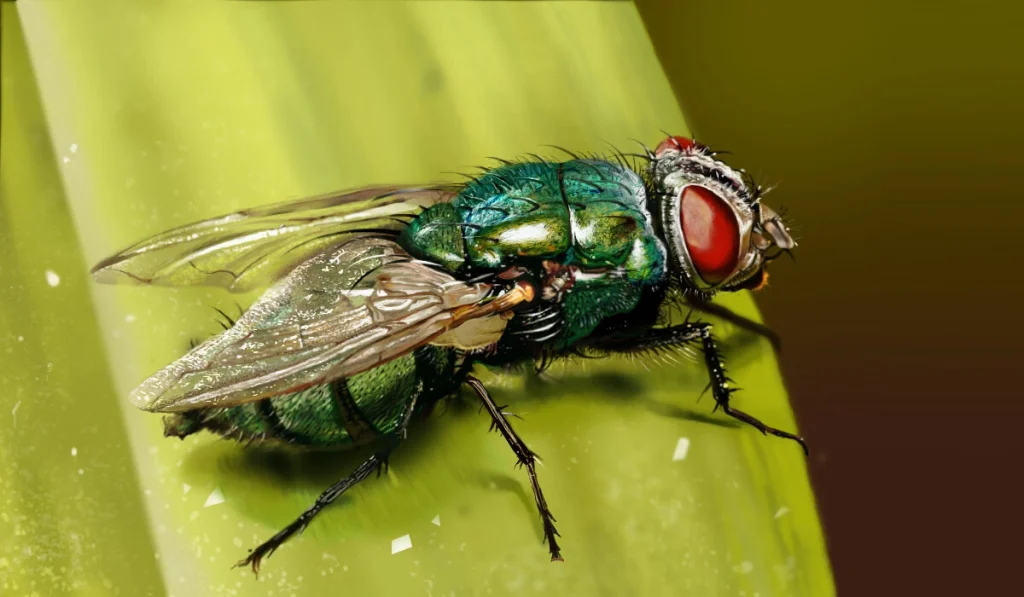
Flies are attracted to rotting meat, animal manure, and trash piles. Because they do not have teeth to chew, they vomit digestive juices onto food to liquefy it before slurping it up.
This stomach-churning feeding process transfers millions of bacteria onto whatever surface they land on next. Here is a quick look at how common flies compare to other insects in terms of filth exposure:
| Insect Type | Primary Food Source | Filth Carrier Level | Main Hygiene Habit |
| House Fly | Decaying matter, manure | Extremely High | Frequent leg rubbing |
| Blow Fly | Rotting flesh, carcasses | Extremely High | Larval cleaning |
| Cockroach | Organic scraps, waste | High | Antenna grooming |
| Dung Beetle | Animal feces | Moderate (soil-bound) | Rolling fecal balls |
The feeding mechanics of the house fly make it one of the most effective mechanical vectors for disease on the planet. Lacking biting mouthparts, the fly releases a regurgitated droplet containing digestive enzymes and liquid remnants of its previous meal onto solid food.
This enzyme mixture breaks down complex carbohydrates and proteins into a slurry, which the fly then re-ingests.
Because the fly may have previously landed on animal feces or decomposing carcasses, this regurgitation process directly contaminates human food with transmissible pathogens. The sticky pads on their feet further transport bacterial colonies across every surface they touch.
8. American Bison
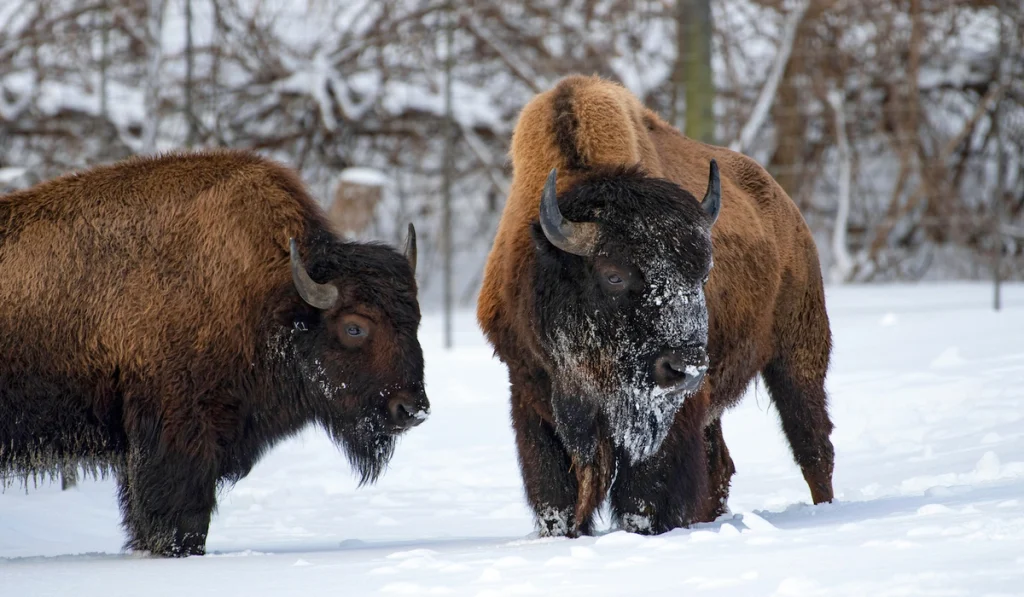
These massive prairie giants love nothing more than taking long dust baths in wide dirt pits called wallows. Rolling around in dry dirt helps bison shed loose winter fur and repels biting flies and ticks.
They often end up caked in layers of dry mud and dirt, giving them a scruffy, unwashed look. However, this dusty coating forms an essential shield against harsh prairie winds and scorching summer sun.
Bison wallowing is an integral feature of North American grassland ecology. When bison roll vigorously in exposed soil, they break up the earth, creating shallow depressions that hold rainwater during storms.
This behavior, while making the animal look continuously covered in grime, serves crucial physiological functions. The fine dust absorbs excess oil from their heavy woolly coats, prevents overheating during high summer temperatures, and smothers parasitic insects lodged deep within their undercoat.
As the dust combines with sweat and rain, it creates a thick protective crust that shields their skin from severe insect irritation.
9. Raccoons
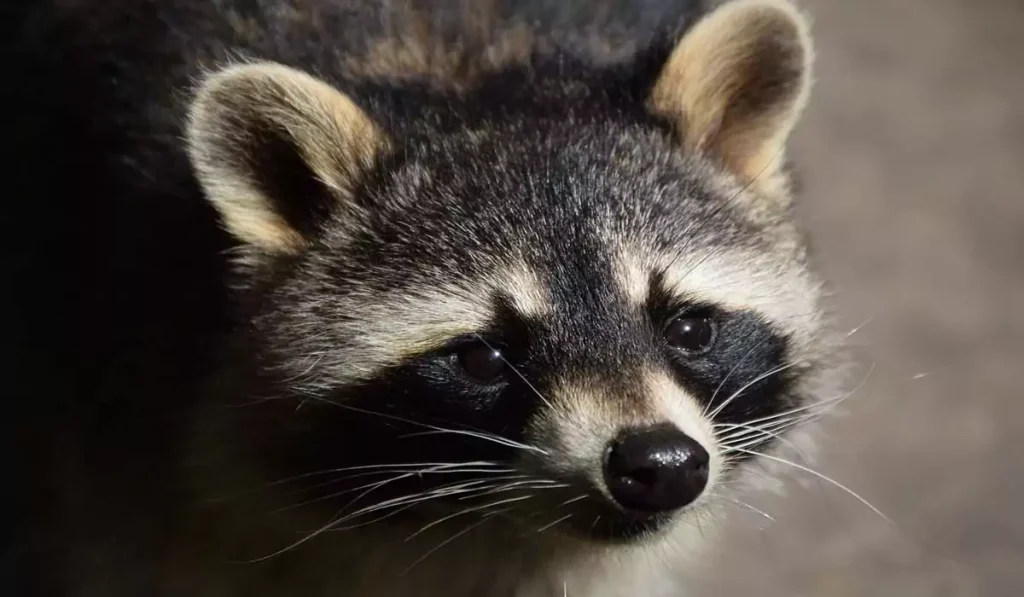
Raccoons are famous masked bandits that dig through neighborhood trash cans at night. They scatter rotten food scraps across lawns and track grime from sewers onto porches and rooftops.
People often think raccoons wash their food before eating, but they are actually moistening their sensitive paws to feel their meal better. They love messy places simply because trash bins offer easy, free buffets.
Raccoons have adapted remarkably well to suburban and urban ecosystems, exploiting human refuse with impressive dexterity. Their flexible paws allow them to pry open sealed garbage bins, pull apart compost bags, and manipulate plumbing drain covers.
While doing so, they coat their paws and facial fur in rotting juices and household sludge. The common myth that raccoons wash their food comes from observing them dunk items in water.
In reality, water softens the tough skin on their footpads, dramatically increasing tactile nerve sensitivity so they can inspect what they are eating before swallowing it, even in muddy or polluted conditions.
10. Hyenas
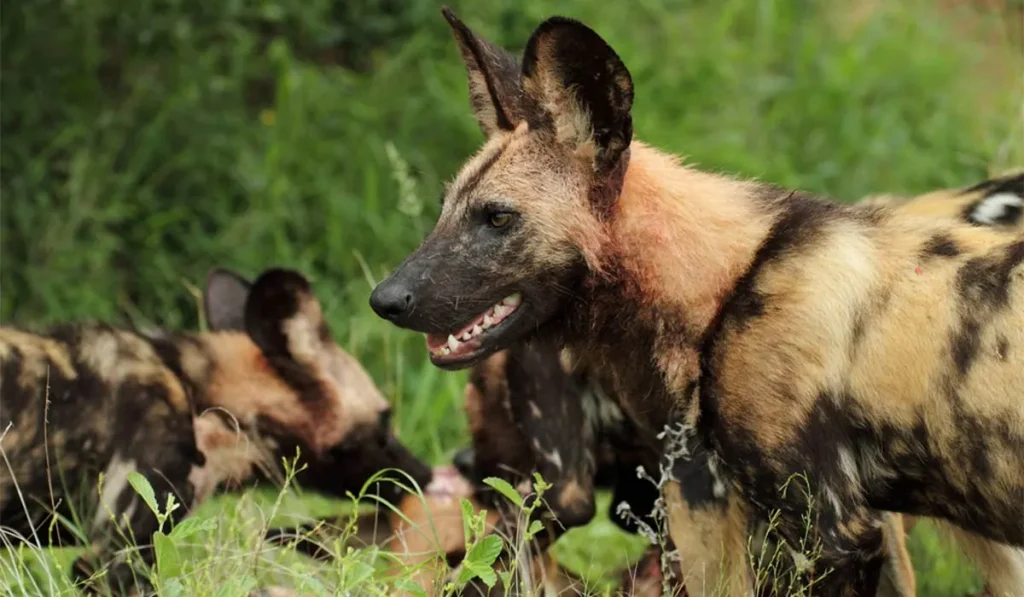
Hyenas are powerful scavengers with bone-crushing jaws that consume every part of a kill, including teeth and hooves. They often plunge their entire heads inside rotting animal carcasses during chaotic feeding frenzies.
They also roll in animal remains and muddy water holes to mask their own scent from rivals and prey. Here are some key traits that define the hyena’s wild feeding lifestyle:
- Digestive tracts capable of dissolving bones and dense horns
- Social feeding habits that lead to mud and blood coverage
- Scent-marking behaviors using strong, pungent glandular paste
- High resistance to toxic bacteria found in spoiled meat
Spotted hyenas occupy a unique ecological niche as both apex predators and persistent scavengers. During competitive feeding at a large carcass, multiple hyenas crowd into the ribcage, submerging their faces and necks in blood, stomach contents, and mud. They do not possess fastidious cleaning behaviors after eating, allowing dried blood and tissue to remain matted in their rough coats for days.
Additionally, hyenas maintain complex social hierarchies reinforced by scent marking. They deposit a foul, paste-like secretion from their anal glands onto grass stalks, creating territorial boundary markers that emit a potent aroma across the savanna.
11. Dung Beetles
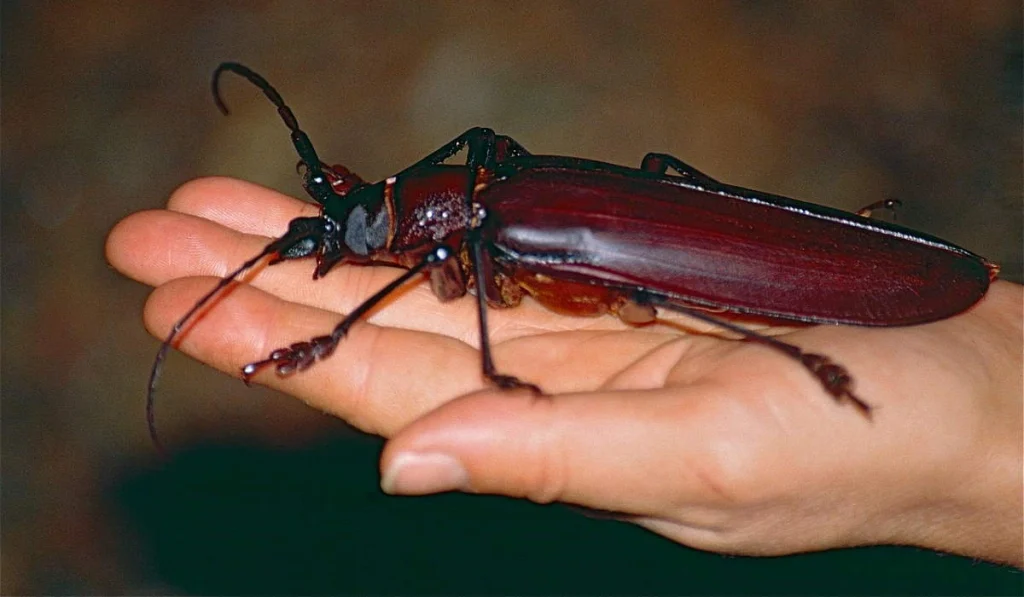
Dung beetles literally live, work, and raise their babies inside animal poop! They roll huge balls of manure across dusty ground to bury them underground for food and egg-nesting.
While their lifestyle sounds totally gross, dung beetles are essential environmental heroes that recycle nutrients back into pasture soil. Without these hardworking bugs, pastures would be buried under mountains of livestock waste.
The life cycle of the dung beetle is completely intertwined with herbivore waste. Male beetles construct smooth, spherical balls of manure using their specialized head structures and leg spurs, often rolling balls that weigh up to fifty times their own body weight across rough terrain.
Once buried underground, these dung balls serve as nourishment for adult beetles and brooding chambers for their larvae. While human observers view this as the ultimate filthy habit, dung beetles perform invaluable ecological services by aerating soil, recycling nitrogen, and drastically reducing the breeding sites available to pestilent livestock flies.
12. Frogs
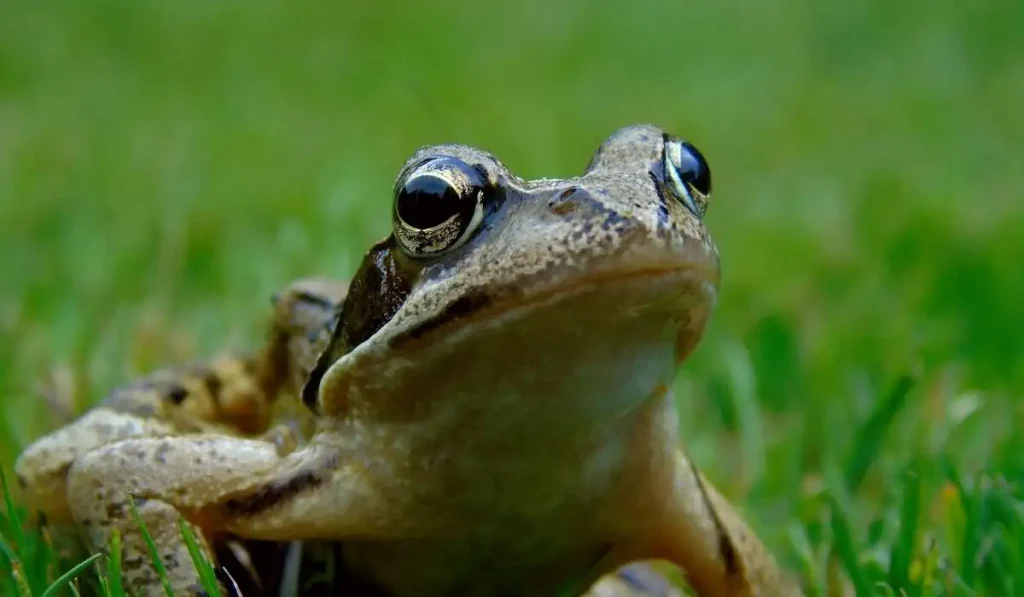
Frogs live in stagnant, murky ponds filled with decaying leaves, slime, and algae. Their skin secretes a slippery layer of mucus that traps dirt, bacteria, and floating pond debris.
This slimy coating keeps their skin moist so they can absorb oxygen directly from the surrounding air and water. While they feel wet and sticky to touch, that mucus contains natural antibacterial compounds that prevent skin infections.
Amphibians like frogs rely on cutaneous respiration, meaning they breathe directly through their moist, permeable skin. To facilitate gas exchange, specialized cutaneous glands constantly secrete a thick hydrogel coating composed of mucopolysaccharides. This sticky mucus traps airborne dust, fine silt particles, and aquatic algae, making the frog’s surface feel constantly dirty and slimy.
13. Sloths
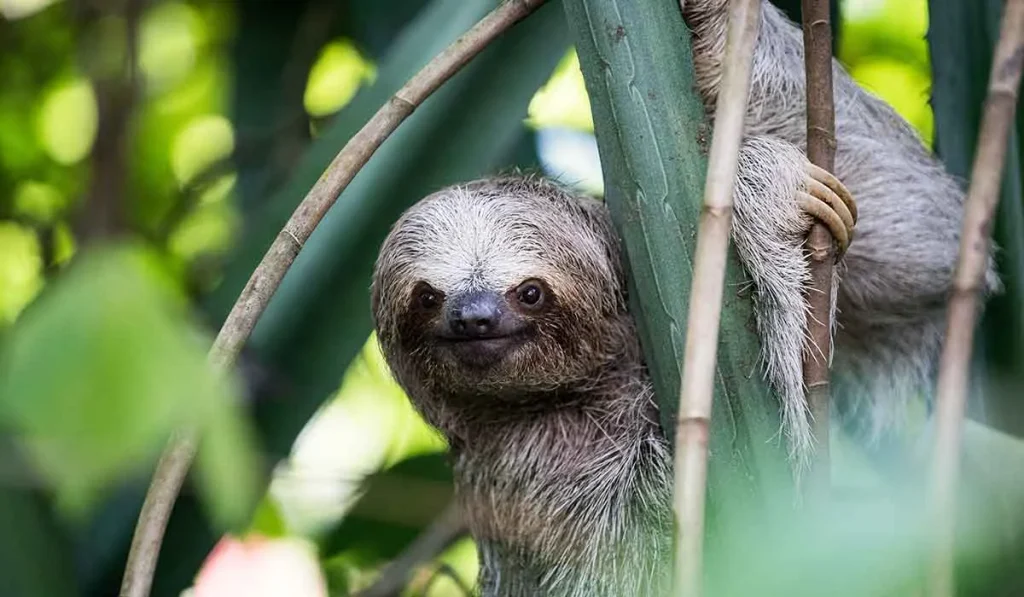
Sloths move so slowly through rainy forest canopies that actual green algae grows inside the grooves of their fur! Their thick hair becomes a complete ecosystem housing hundreds of tiny moths, beetles, and mites.
They only climb down from trees once a week to poop, making them vulnerable to predators during the trip. The green algae on their dirty fur actually acts as brilliant camouflage, hiding them from eagles and jaguars.
The fur of the three-toed sloth represents a fascinating symbiotic ecosystem built on organic waste and low energy expenditure. Sloth hair possesses unique transverse cracks that retain rainwater and organic debris, creating an ideal substrate for microalgae growth. This algae gives the sloth a greenish, unwashed appearance and a distinct damp smell.
Specialized sloth moths live exclusively within this fur, laying their eggs in the sloth’s feces when the mammal makes its weekly trek to the forest floor. When the moths die, their bodies decompose inside the fur, fertilizing the algae which in turn provides the sloth with vital lipids and camouflage.
14. Hippos
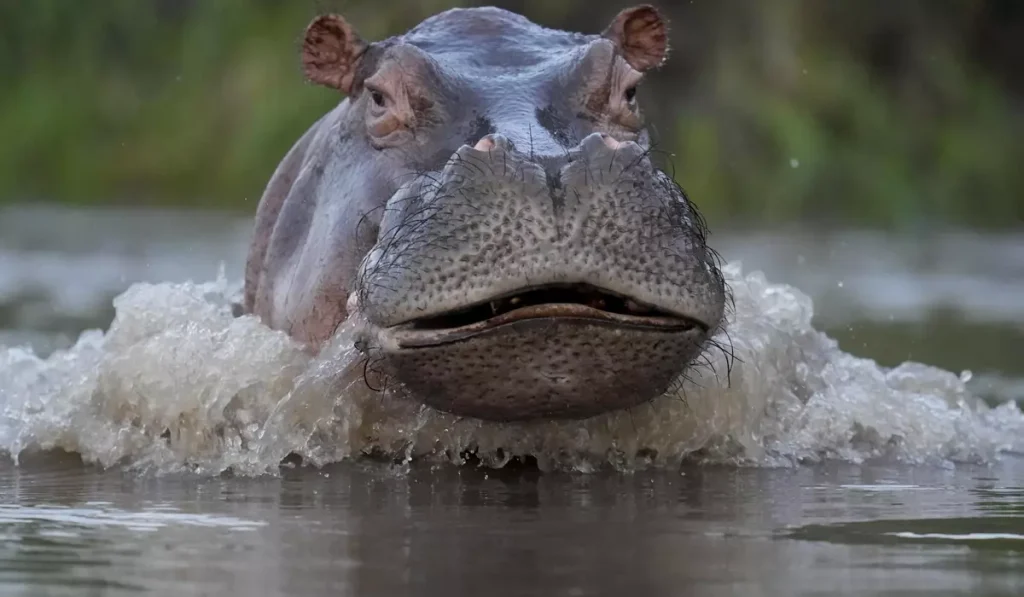
Hippos spend hot tropical days submerged in stagnant river mud to protect their sensitive skin from sunburn. To mark their river territory, they spin their tails rapidly while pooping, spraying feces across nearby riverbanks.
This gross behavior, called muck-spreading, warns rival hippos to stay away from their aquatic turf. They also secrete an oily reddish liquid called blood sweat that cools their body and fights off bacterial infections.
Hippopotamuses are semi-aquatic giants that create massive environmental changes through their waste habits. During daytime hours, they crowd into crowded pools, turning clear water into a dense, muddy slurry of organic waste. Their territorial display involves vigorous tail-propeller movements that scatter fecal material across riverbanks and over water surfaces. From a human viewpoint, this habit seems extraordinarily dirty.
15. Cape Buffalo
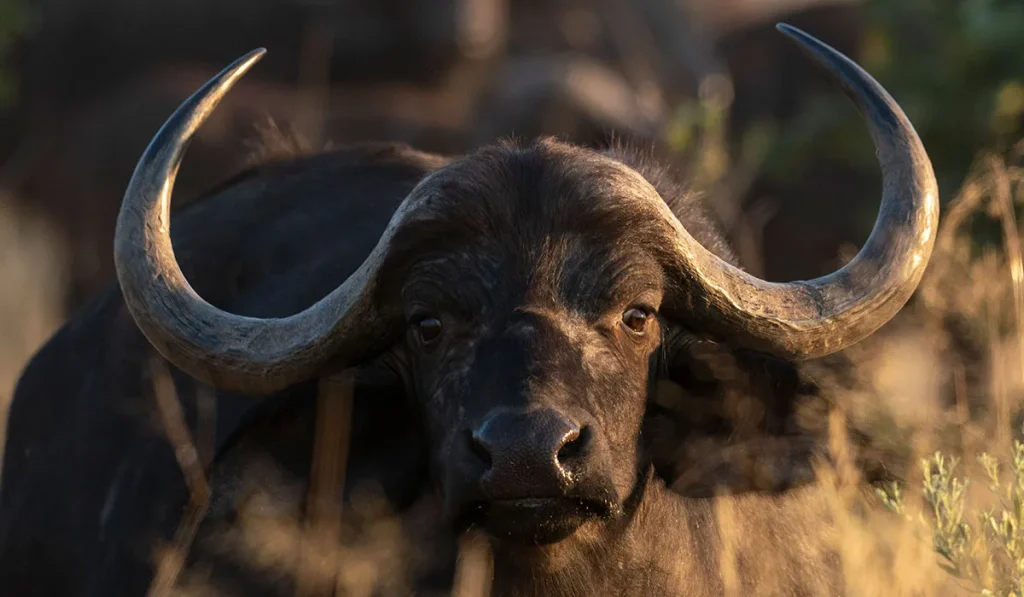
Cape Buffaloes love coating their massive bodies in thick, sticky swamp mud to escape swarms of biting insects. Once the mud dries into a hard crust, it traps ticks and flies, which fall off as the crust flakes off.
Their muddy coats give them a dusty, rugged appearance as they roam across grassy African savannas. According to research cited by AnimalsRoyalty, this muddy armor saves them from losing vital blood to pests.
The Cape buffalo lives in environments rife with external parasites, disease vectors, and intense tropical heat. To counteract these threats, buffalo herds spend hours wallowing in muddy swamps, churning soil into thick mud pastes.
Once applied, this mud shell dries under the African sun, forming a rigid physical barrier against blood-sucking flies and tick infestations. As the buffalo moves, the dried mud cracks and drops off in large flakes, taking embedded skin parasites along with it. This self-cleaning through mud application reduces skin inflammation and prevents significant blood loss caused by heavy tick burdens.
16. Wild Boars
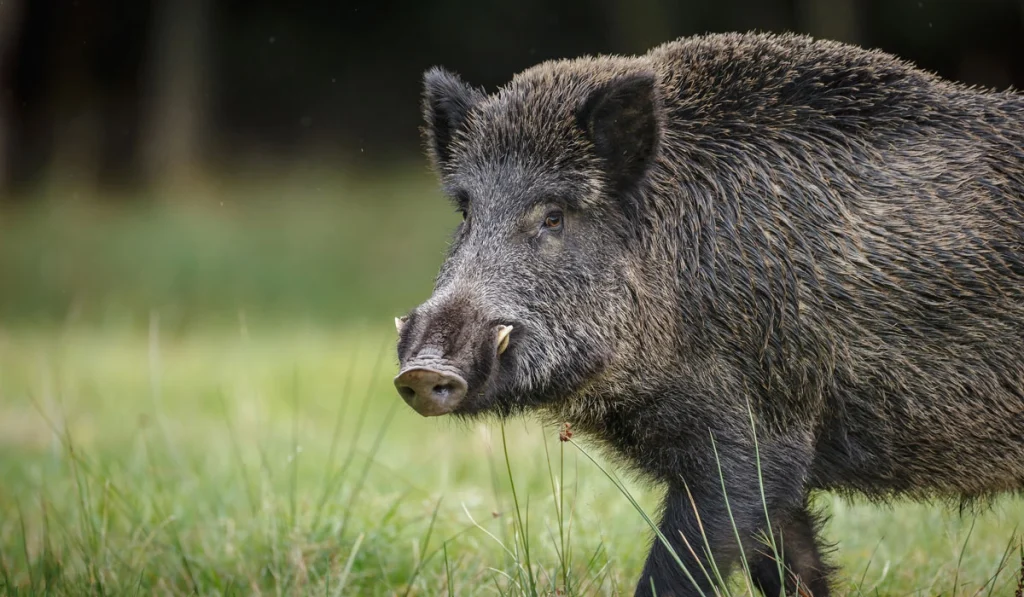
Wild boars use their tough, flat snouts to plow through wet soil in search of tasty roots, earthworms, and grubs. This constant digging leaves their faces permanently caked in dark mud and damp dirt.
Like farm pigs, boars wallow in muddy pools to cool down and get rid of stubborn skin parasites. Their rugged, dirty lifestyle keeps them tough and well-adapted to surviving in harsh wilderness forests.
Wild boars engage in extensive rooting behavior, using their muscular snouts to turn over forest topsoil, root systems, and decaying leaf litter. This constant earthmoving leaves their faces, tusks, and forelimbs continuously covered in damp dirt and decaying vegetation. Their thick bristles trap mud, pine resin, and forest debris, giving them a perpetually unkempt appearance.
Rooting allows boars to access nutrient-dense underground tubers and invertebrate larvae, providing essential energy that enables them to thrive in varied climates ranging from dense European woodlands to dry scrublands.
Comparing Animal Dirtiness vs. Ecological Benefits
| Animal | Perceived Dirty Behavior | Ecological Benefit | Hygiene Adaptation |
| Vulture | Eating rotting meat, leg urination | Prevents disease outbreaks in ecosystems | Corrosive stomach acid destroys toxins |
| Dung Beetle | Rolling and eating manure | Enriches soil, controls fly populations | Consumes microbes as part of diet |
| Hippo | Fecal spraying, mud wallowing | Transfers nutrients to river ecosystems | Secretes antibacterial “blood sweat” |
| Sloth | Algae growth, infrequent bathing | Provides habitat for specialized insects | Camouflage against aerial predators |
| Pig / Wild Boar | Mud wallowing, soil rooting | Soil aeration, seed dispersal | Mud acts as parasite trap and sunscreen |
| House Fly | Regurgitation on food sources | Decomposition of organic waste | Frequent leg and body grooming |
As we have seen across all these examples, what humans consider dirty is usually just nature’s way of solving everyday problems. Whether it is cooling off without sweat glands, staying safe from biting bugs, or cleaning up dead animals, dirty habits keep the wild world running smoothly. As we often highlight at AnimalsRoyalty, every strange creature habit serves a distinct purpose.
Understanding the balance between physical cleanliness and survival utility provides a clearer perspective on the natural world. Evolution prioritizes functional outcomes, such as surviving extreme temperatures, escaping parasites, and acquiring energy, over aesthetic standards. When viewed through an ecological lens, the dirtiest creatures on Earth are often the most resourceful and indispensable participants in their respective habitats.
Conclusion
Exploring the dirtiest animals in the world reveals that nature operates on logic rather than human standards of cleanliness. From vultures neutralizing deadly bacteria to hippos using mud as sunscreen, every gross behavior has an evolutionary reason behind it.
Next time you see a creature rolling in grime, remember that dirtiness is often just survival in disguise!
Frequently Asked Questions
What is the dirtiest animal in the world?
The dung beetle is widely considered the dirtiest animal because it spends its life collecting, eating, and breeding inside animal manure. However, this behavior plays a vital role in recycling nutrients into the environment.
Why do pigs roll in mud if they are clean animals?
Pigs roll in mud because they lack active sweat glands to cool down naturally. The dried mud layer acts as a cooling protective coat, shields them from sunburn, and protects their skin against insect bites.
Do dirty animals make humans sick?
Some dirty animals like flies, rats, and cockroaches carry pathogenic bacteria from waste into human living spaces. However, wild scavengers like vultures actually protect human health by safely disposing of diseased animal carcasses before germs spread.
Are wild animals really dirtier than domestic pets?
Wild animals interact with natural soil, mud, and raw food sources daily, which gives them an unwashed appearance. However, many wild species maintain strict self-grooming routines to stay healthy and free of disease.