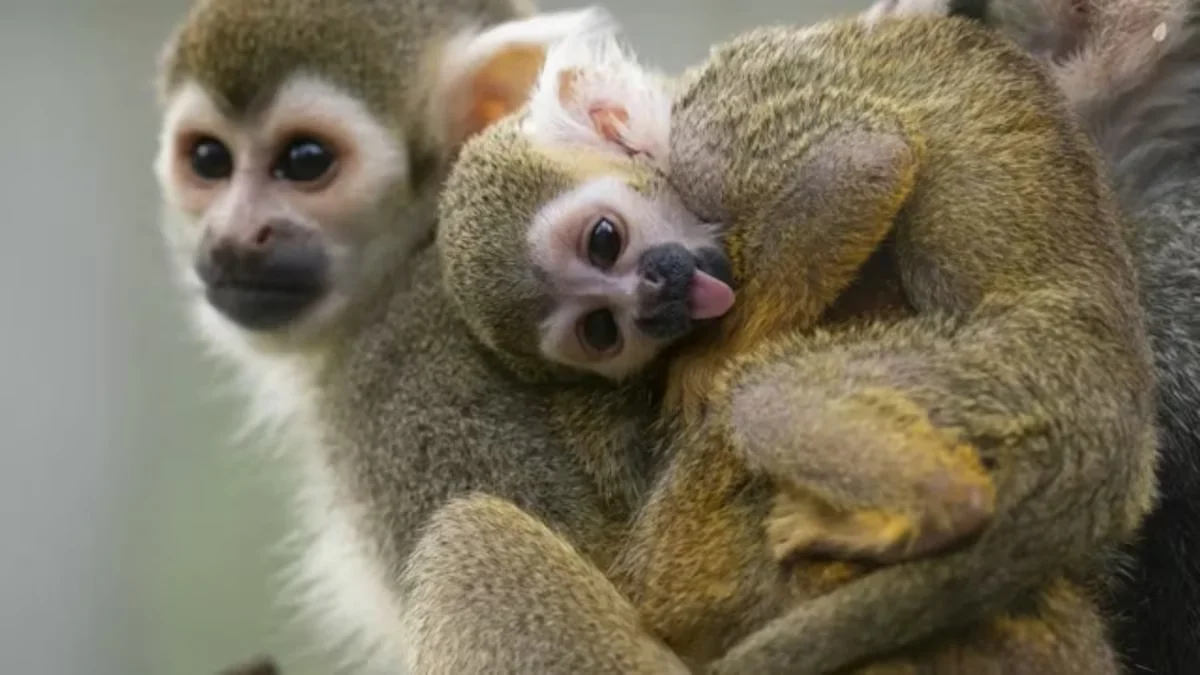
Top 20 Animals That Eat Monkeys (With Pictures)
Monkeys play a vital role in ecosystems worldwide, yet many animals that eat monkeys target them as key prey. From dense jungles to vast savannas, nature features dynamic food webs driven by skilled predators. Understanding which animals that eat monkeys survive on these primates provides fascinating insights into wildlife interactions.
Primate hunting strategies vary significantly across different continents, ecosystems, and wildlife families. Large felids, raptors, and aquatic reptiles have adapted unique physical traits to capture agile forest primates. Exploring how these carnivores operate sheds light on the complex survival pressures wild troops face daily.
List of Animals That Eat Monkeys
Here is the complete list of the 20 animals covered in the article, categorized by animal group:
- Leopards
- Lions
- Ocelots
- Fox
- Chimpanzee
- Cheetahs
- Tigers
- Dhole (Asian Wild Dog)
- Wild Dog (African Wild Dog)
- Jaguars
- Martial Eagles
- Hawks
- Philippine Eagle
- Crowned Eagle
- Harpy Eagles
- Crocodiles
- Green Anaconda
- Komodo Dragons
- Reticulated Python
- Alligators
Leopards
- Scientific name: Panthera pardus
- Class: Mammalia
- Diet: Carnivore
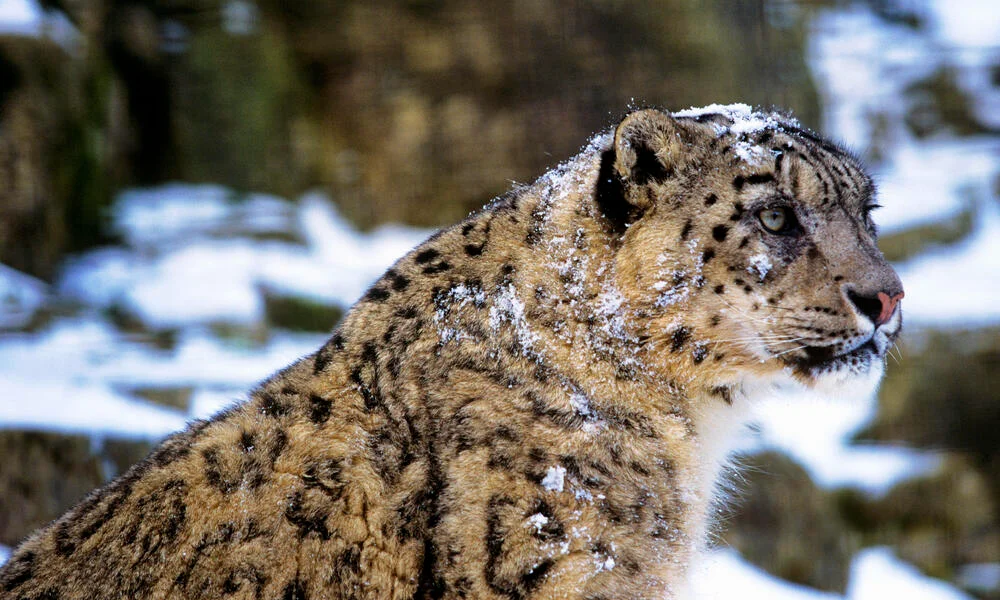
Leopards are legendary ambush hunters capable of pulling large prey up into tree branches effortlessly. They are famous as animals that eat monkeys in tropical rainforests and African savannas. Their agility allows them to surprise unsuspecting primates sleeping high above the ground.
Their spotted coats provide exceptional camouflage in dense foliage, keeping them completely hidden while stalking. This stealth gives them a major advantage over primates that rely primarily on vision to spot danger. Consequently, leopards remain one of the most effective nocturnal threats to tree-dwelling primate colonies.
Lions
- Scientific name: Panthera leo
- Class: Mammalia
- Diet: Carnivore
While lions prefer large ungulates on open grasslands, they occasionally target terrestrial primates when opportunities arise. As powerful apex predators, they remain effective animals that eat monkeys like baboons moving across open ground. Their pride hunting strategies make escaping them exceptionally difficult for ground-traveling troops.
Baboon troops venturing across open savannas are constantly on high alert for lion prides. When caught in the open far from climbing trees, primates stand little chance against a lion’s raw speed. Lionesses frequently work together to corner primate groups before they can reach safety.
Crocodiles
- Scientific name: Crocodylus niloticus
- Class: Reptilia
- Diet: Carnivore
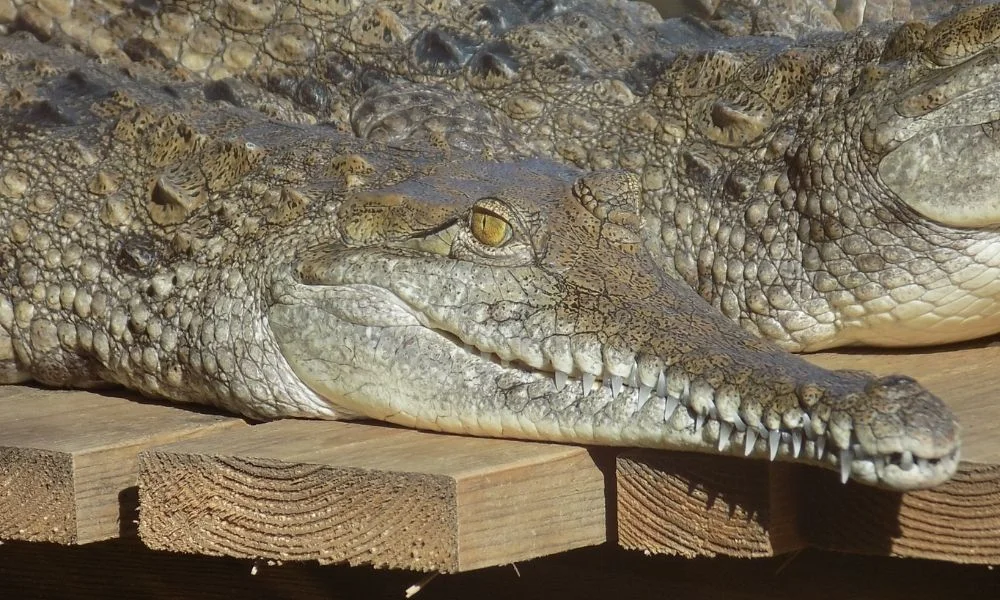
Crocodiles lie silently below the water’s surface, waiting for thirsty animals to approach riverbanks. These aquatic reptiles serve as opportunistic animals that eat monkeys whenever primates come down to drink water. A single sudden strike from a crocodile often leaves unsuspecting troops with no chance to escape.
Their powerful tail sweeps and bone-crushing jaws make aquatic escapes virtually impossible for primates. Even tree-dwelling species must descend to forest streams, exposing themselves to hidden river monsters. Crocodiles rely on absolute patience, remaining motionless for hours until prey enters striking distance.
Ocelots
- Scientific name: Leopardus pardalis
- Class: Mammalia
- Diet: Carnivore
Ocelots are agile nocturnal hunters inhabiting dense Central and South American rainforest environments. These small wild cats act as stealthy animals that eat monkeys, specializing in capturing smaller arboreal primate species. Their exceptional nocturnal vision allows them to hunt sleeping nocturnal primates high in forest canopies.
With flexible ankle joints, ocelots can climb down trees headfirst with remarkable balance and control. This physical adaptation allows them to pursue small primates across thin branches and heavy vines. Their quiet padded paws make silent stalking effortless in the rainforest canopy.
Martial Eagles
- Scientific name: Polemaetus bellicosus
- Class: Aves
- Diet: Carnivore
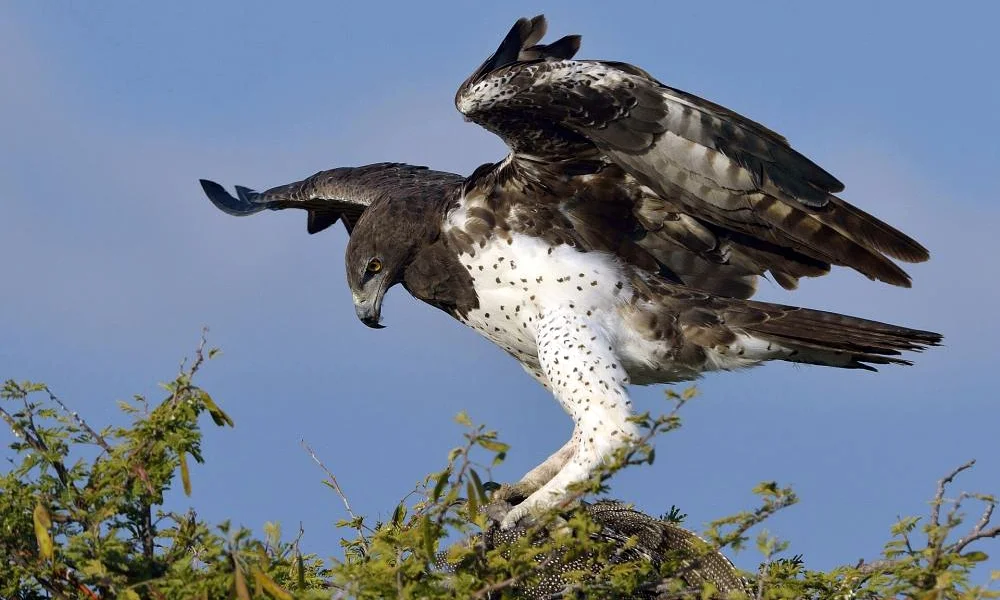
Martial eagles rank among the most powerful avian predators patrolling the open skies of Sub-Saharan Africa. They function as formidable animals that eat monkeys, swooping down with razor-sharp talons to capture unsuspecting victims. Their extraordinary eyesight enables them to spot primate movements from miles away.
Soaring thousands of feet above the earth, these massive raptors spot movement across open woodlands easily. Once target prey is identified, they fold their wings into a high-speed dive toward the canopy. Their lethal foot grip delivers immediate crushing power upon impact with tree branches.
Green Anaconda
- Scientific name: Eunectes murinus
- Class: Reptilia
- Diet: Carnivore
Green anacondas dominate South American waterways with immense size and overpowering constriction abilities. These massive snakes are efficient animals that eat monkeys when primates drop near river margins. They wrap quickly around their prey, rendering escape impossible before swallowing the primate whole.
Their heat-sensing facial pits help them locate warm-blooded mammals in low-light rainforest conditions. They often strike from beneath dark murky waters as monkeys forage on low branches overhanging rivers. Once constricted, a primate cannot expand its lungs to draw in air.
Fox
- Scientific name: Vulpes vulpes
- Class: Mammalia
- Diet: Omnivore
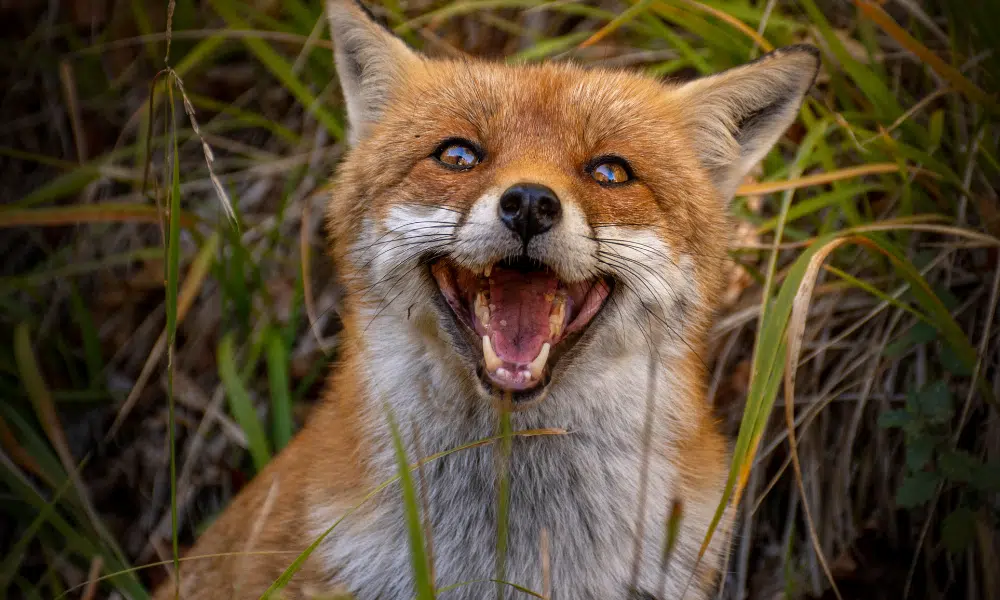
Certain opportunistic fox species target smaller primates, young juveniles, or grounded baboon infants. These cunning carnivores operate as opportunistic animals that eat monkeys when prime conditions arise in overlapping habitats. Similar to stealthy hunters in other ecosystems, like , animals that eat squirrels foxes use clever ambush tactics.
Their sharp sense of hearing allows them to track rustling sounds in heavy forest undergrowth. When young primates stray too far from protective troop adults, foxes strike with surprising speed. Their adaptability makes them persistent hunters wherever small primate ranges overlap with theirs.
Hawks
- Scientific name: Buteo jamaicensis
- Class: Aves
- Diet: Carnivore
Large hawk species possess the speed and sharp talons required to snatch small arboreal creatures from branches. These swift raptors are known as persistent animals that eat monkeys, targeting infants and smaller tropical species. Their aerial agility allows them to dive through dense tree canopies with incredible precision.
Using elevated perches, hawks scan lower canopy layers continuously for any sign of vulnerable targets. Their compact wing designs enable quick maneuvers around dense branches during fast pursuit dives. They grab young primates swiftly off branches before parent monkeys can respond.
Komodo Dragons
- Scientific name: Varanus komodoensis
- Class: Reptilia
- Diet: Carnivore
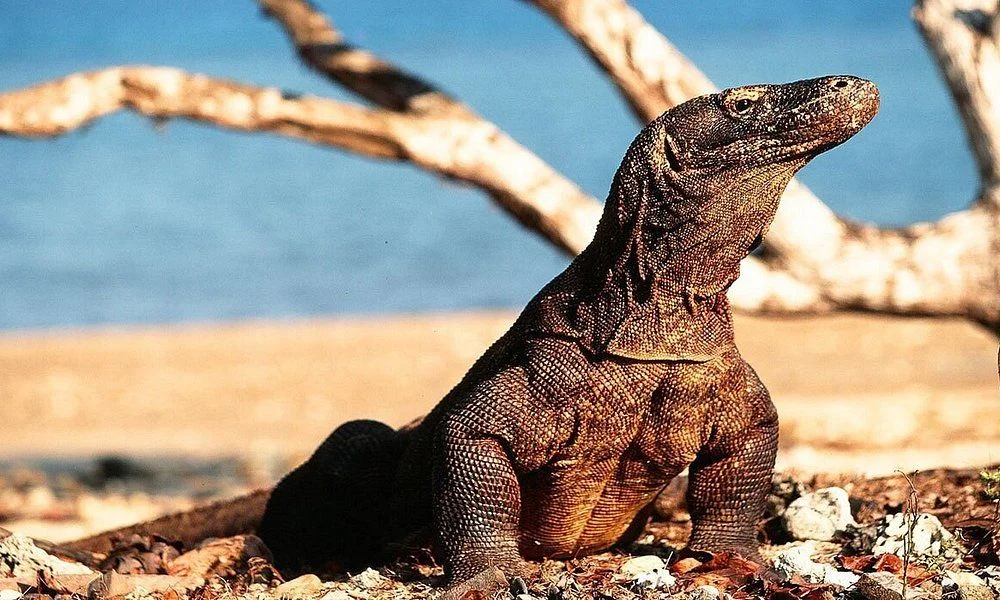
Komodo dragons are giant monitor lizards dominating Indonesian islands through powerful bites and tracking abilities. These massive reptiles serve as formidable animals that eat monkeys when primates forage along the ground. Their lethal bite and relentless tracking ensure that caught prey rarely survives an encounter.
Equipped with serrated teeth and potent venom compounds, a single bite from a dragon proves fatal. They frequently lie in wait along game trails used by foraging macaque troops on the island floor. Their flicking fork tongues detect airborne scent molecules of nearby animals from great distances.
Reticulated Python
- Scientific name: Malayopython reticulatus
- Class: Reptilia
- Diet: Carnivore
Reticulated pythons are master ambushers capable of climbing trees to surprise sleeping jungle wildlife. They rank high among animals that eat monkeys, utilizing strong muscular constriction to subdue arboreal primates instantly. Their camouflage makes them virtually invisible against rough tree bark and jungle vines.
As the longest snakes in the world, they easily overpower medium to large primate species in Asia. They secure themselves to heavy tree limbs using tail grips while striking passing canopy animals. Their elastic jaws allow them to swallow prey significantly wider than their own heads.
Philippine Eagle
- Scientific name: Pithecophaga jefferyi
- Class: Aves
- Diet: Carnivore
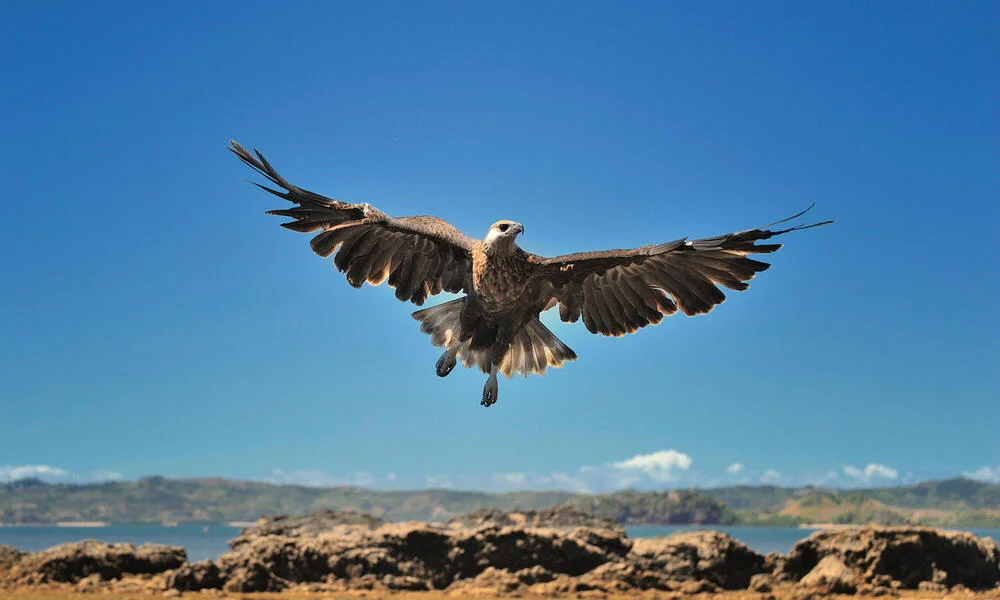
The Philippine eagle is a massive raptor specifically adapted to hunt within dense tropical forest canopies. Historically known as monkey-eating eagles, they are classic animals that eat monkeys across the Philippine archipelago. Their immense wingspan and large talons allow them to pull primates directly off tree branches.
Their short, broad wings provide maximum maneuverability while flying through complex forest layers. Working in pairs, one eagle often distracts a primate troop while the other strikes from behind. Their heavy curved beaks easily tear through thick hides during canopy feeding sessions.
Chimpanzee
- Scientific name: Pan troglodytes
- Class: Mammalia
- Diet: Omnivore
Chimpanzees exhibit complex social structures, exceptional intelligence, and coordinated group hunting behaviors in wild forests. Though primary plant-eaters, troops organize coordinated hunts as animals that eat monkeys like red colobus species. These intelligent primates exhibit intense drive, proving even most energetic animals in the world can be formidable hunters.
During forest hunts, individual chimps take on specific roles such as drivers, blockers, and ambushers. They pursue smaller monkeys relentlessly through upper canopy layers until escape routes are blocked. Successful hunts lead to active meat sharing among high-ranking members of the chimp troop.
Cheetahs
- Scientific name: Acinonyx jubatus
- Class: Mammalia
- Diet: Carnivore
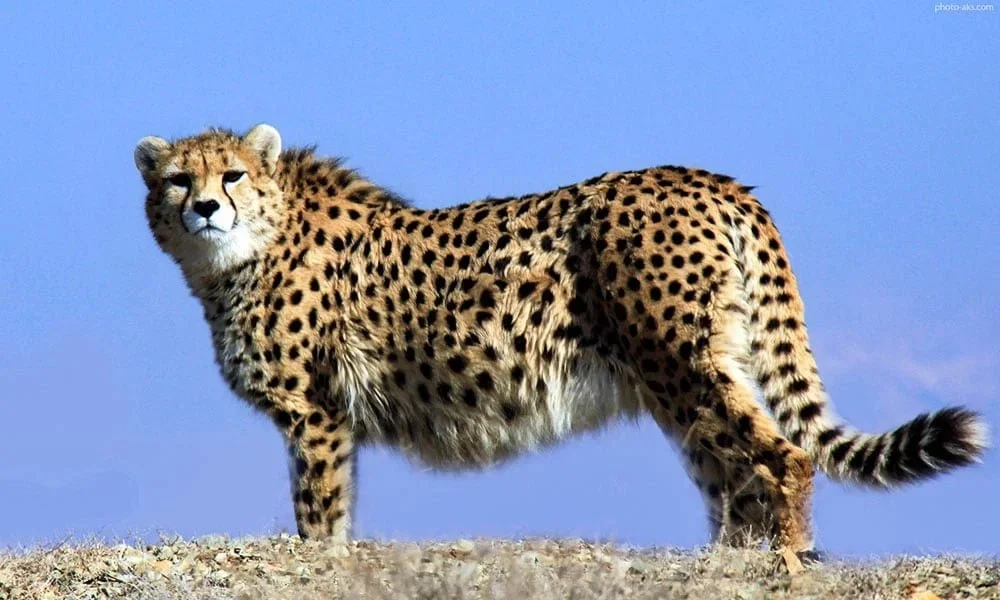
Cheetahs rely on explosive acceleration to catch prey across open African grasslands and scrublands. While focusing mainly on antelopes, they occasionally hunt primates ventured too far from protective trees. These incredible sprinters showcase how speed allows predators to capture ground-bound primates effectively.
Their semi-retractable claws provide traction similar to athletic cleats during high-speed chases. If a baboon troop crosses wide open territory, a cheetah can close the distance in seconds. This unmatched acceleration leaves ground-traveling primates with virtually no time to find shelter.
Tigers
- Scientific name: Panthera tigris
- Class: Mammalia
- Diet: Carnivore
Tigers are solitary apex predators patrolling dense Asian forests with supreme stealth and raw power. They regularly hunt macaques and langurs that venture down to the forest floor to feed. Their silent stalking techniques enable them to overpower ground-dwelling primates before warnings can be sounded.
A tiger’s striped coat blends seamlessly into tall forest grasses and shifting tree shadows. They wait patiently near fallen fruit trees where primates gather to feed on dropped vegetation. A single explosive pounce from a tiger usually neutralizes prey before it can leap upward.
Crowned Eagle
- Scientific name: Stephanoaetus coronatus
- Class: Aves
- Diet: Carnivore
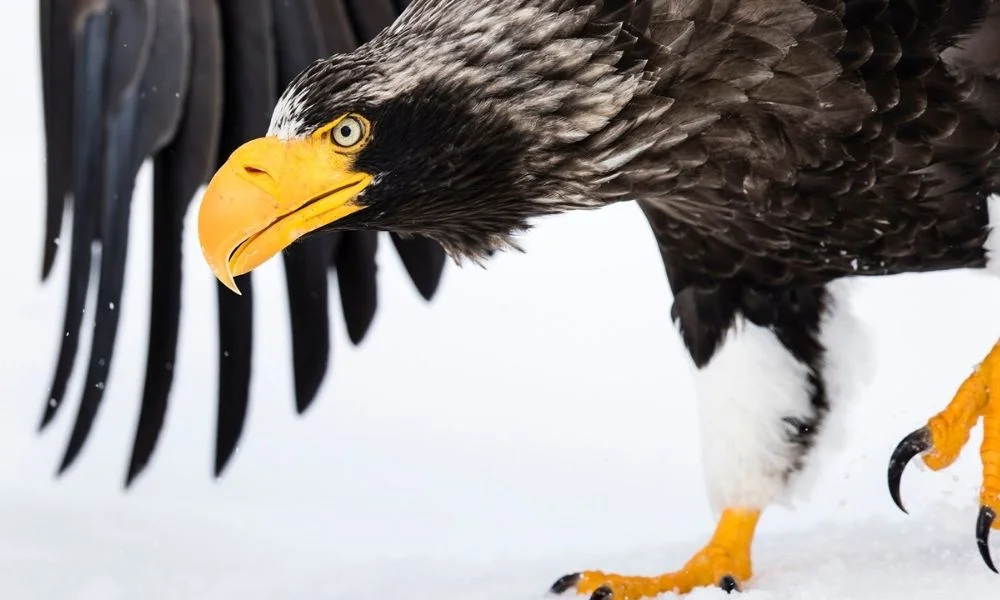
Crowned eagles are considered Africa’s most powerful forest raptors due to their massive talons and strength. These birds specialize as top predators of tree-dwelling primates throughout African tropical rainforests. Their short wings allow swift maneuvers between thick branches while hunting large monkeys.
Their unusually large talons can crush a adult monkey’s skull almost instantly upon impact. They often perch silently in dark lower canopy layers waiting for primate alarm calls to cease. Once calm returns to the trees, the crowned eagle swoops silently onto its selected target.
Dhole
- Scientific name: Cuon alpinus
- Class: Mammalia
- Diet: Carnivore
Dholes are wild Asian pack hunters that cooperate seamlessly to bring down large and small prey alike. When packs encounter troops traveling between forest patches, they easily isolate individual primates. Their relentless endurance ensures high success rates during group hunts across forest terrains.
Unlike solitary cats, dholes use continuous vocal whistle calls to coordinate pack movements through thick brush. They surround scattered primate groups on the ground, preventing individuals from reaching nearby climbing trees. Their collective pack stamina exhausts fleeing primates long before the dogs grow tired.
Harpy Eagles
- Scientific name: Harpia harpyja
- Class: Aves
- Diet: Carnivore
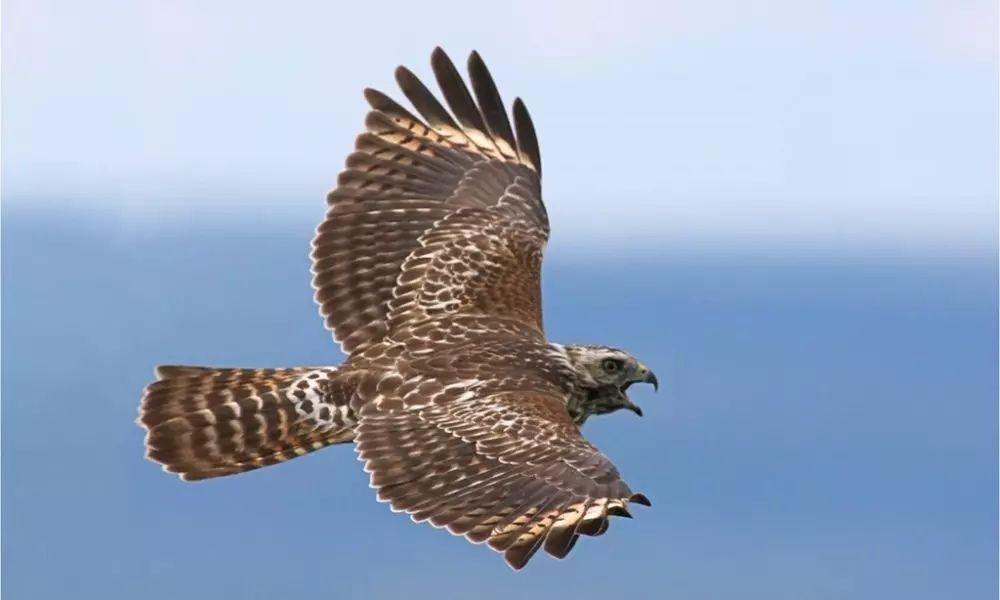
Harpy eagles reign supreme over Neotropical rainforests with talons larger than a grizzly bear’s claws. These giant raptors systematically hunt howler and capuchin monkeys right out of tree canopies. Their unmatched aerial power makes them one of nature’s ultimate rainforest avian predators.
They fly with incredible silence through dense jungle foliage despite their massive overall body size. By picking off primates from high branches, they eliminate ground escape options for canopy dwellers. Their formidable claws exert hundreds of pounds of pressure, instantly subduing large prey species.
Wild Dog
- Scientific name: Lycaon pictus
- Class: Mammalia
- Diet: Carnivore
African wild dogs use incredible group coordination and stamina to exhaust prey over long distances. They target baboons and other ground-traveling primates caught in open savannas far from tall trees. Their high hunting success rate makes encounters deadly for primates caught out in the open.
Pack members take turns leading the chase to maintain high speeds without fatiguing over miles. When ground primates realize they are being pursued, panic often splits their defensive formations. Wild dogs exploit this chaos, isolating individual monkeys before they can find elevated safety.
Alligators
- Scientific name: Alligator mississippiensis
- Class: Reptilia
- Diet: Carnivore
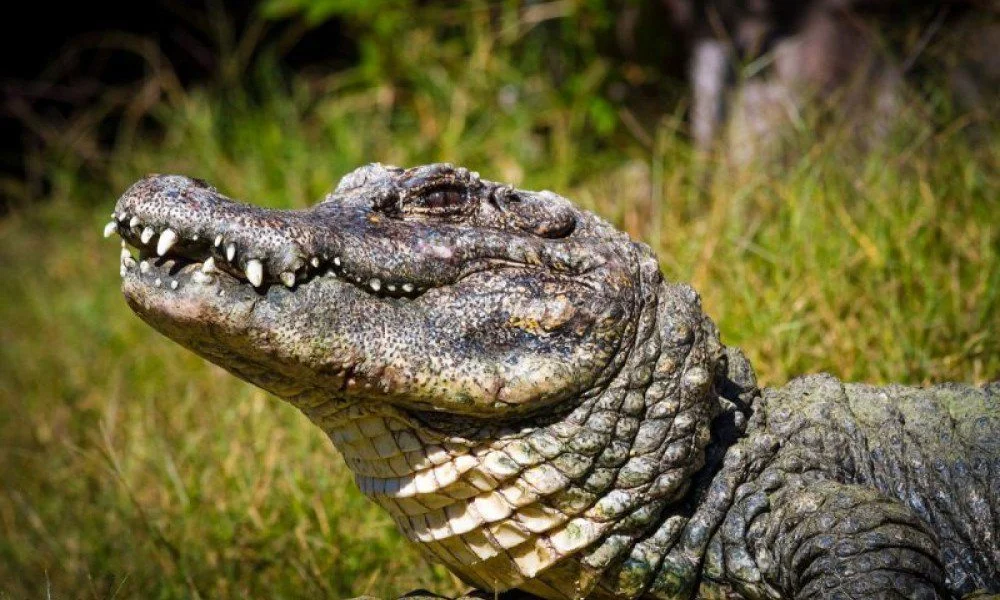
Alligators reside in swampy wetlands where they ambush animals straying too close to the water. In regions where introduced or native primates swim across channels, alligators strike without warning. Their bone-crushing jaw pressure ensures prey cannot escape once dragged under the surface.
Floating motionless like dark logs, alligators blend perfectly into swamp environments and muddy river banks. When a monkey reaches down to wash food or drink, the alligator lunges forward violently. They drag captured prey into deep water immediately to perform lethal underwater roll maneuvers.
Jaguars
- Scientific name: Panthera onca
- Class: Mammalia
- Diet: Carnivore
Jaguars possess extraordinary climbing abilities and the strongest bite force of all big cats relative to size. They stalk capuchins, howlers, and squirrel monkeys across Central and South American rainforest canopies. Their ability to hunt effectively on land, in water, and high in trees makes them lethal predators.
Their massive skull structure allows them to pierce directly through bone with a single bite. Unlike other big cats that choke prey, jaguars often puncture the skulls of captured tree animals. This devastating biting power ensures immediate immobilization of primates caught within jungle foliage.
Final Thoughts
The dynamic ecosystem of the world relies on apex predators, raptors, and aquatic reptiles to maintain balance. The wide variety of predators shown above demonstrates how dangerous life can be for wild primates. Whether climbing high in forest canopies or crossing open rivers, monkeys must stay constantly vigilant to survive.
Nature displays endless diversity, from stealthy hunters to the top mischievous animals that roam wild forests today. Understanding these predator-prey relationships helps scientists better protect fragile tropical habitats worldwide. Every animal listed plays a crucial role in maintaining healthy, functioning natural ecosystems.
As human expansion continues to alter natural habitats, predator-prey dynamics face unprecedented evolutionary shifts. Protecting interconnected rainforests and savannas ensures both predators and primates maintain their natural balance. Continued wildlife research remains essential for preserving these intricate food webs for future generations.
FAQs
What is the Biggest Predator of Monkeys?
Big cats like leopards and large raptors such as crowned eagles and harpy eagles are among the most frequent and effective predators of monkeys across various habitats.
Do Big Snakes Eat Monkeys?
Yes, large constrictors like green anacondas and reticulated pythons frequently target monkeys by ambushing them in trees or near water sources.
How do Monkeys Protect Themselves From Predators?
Monkeys rely on loud alarm calls, safety in large troops, sentinel behavior, and high-speed canopy agility to escape approaching predators.
Can Primates Fight off Large Predators?
While individual monkeys are usually vulnerable, large troops of baboons or chimpanzees can aggressively swarm smaller predators to defend their group members.