
Top 20 Hard Working Animals in The World (With Images)
The animal kingdom is full of incredible creatures that display an extraordinary work ethic daily. From building massive structural wonders to traveling thousands of miles for survival, these species never stop moving. Understanding their daily efforts gives us a deeper appreciation for the complex ecosystems that keep our planet thriving.
In this article, we explore the most dedicated workers across land, air, and sea to showcase their unbelievable dedication. You will learn about their taxonomical details, dietary habits, and the unique behaviors that make them true powerhouses. Let us dive into the ultimate list of nature’s tireless contributors.
List of Hard Working Animals in The World
Here is the complete list of all 20 hardworking animals featured in the article:
- Honey Bees
- Ants
- Beavers
- African Elephant
- Bowerbirds
- Ox
- Earthworms
- Termite
- Dog
- Female Lions
- Emperor Penguins
- Horse
- Camel
- African Wild Dogs
- Cleaner Wrasse
- Dung Beetle
- Sea Otter
- Prairie Dogs
- Honey Badger
- Ground Squirrel
Honey Bees
- Scientific name:Apis mellifera
- Class: Insecta
- Diet: Herbivore (Nectar and pollen)
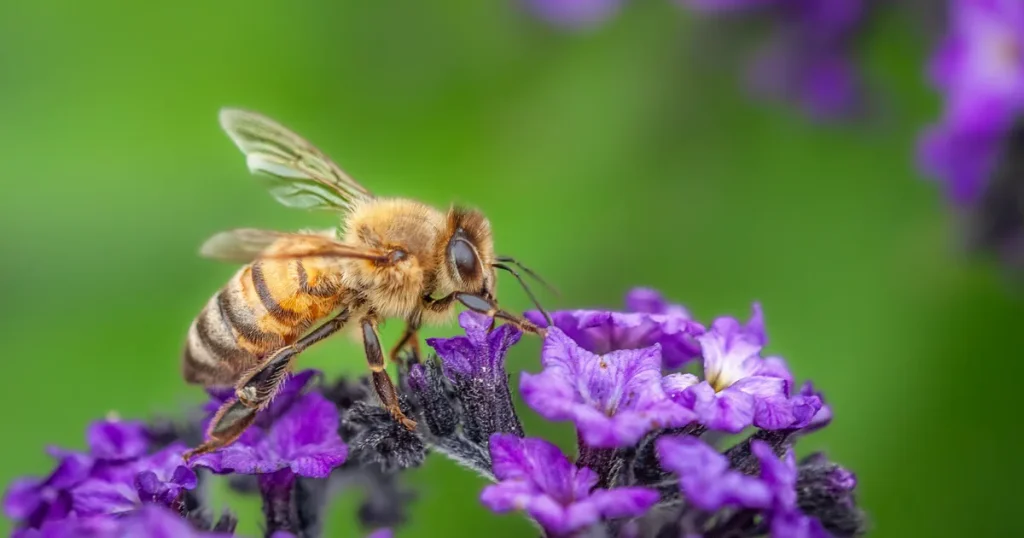
Honey bees are legendary for their non-stop work ethic within highly organized social colonies. A single worker bee can visit thousands of flowers each day to gather nectar and pollen for hive survival.
Their relentless effort supports both their colony and global agriculture through essential plant pollination. Without their constant labor, many ecosystems and food crops would fail to reproduce.
Ants
- Scientific name:Formicidae
- Class: Insecta
- Diet: Omnivore (Leaves, fungus, small insects, and nectar)
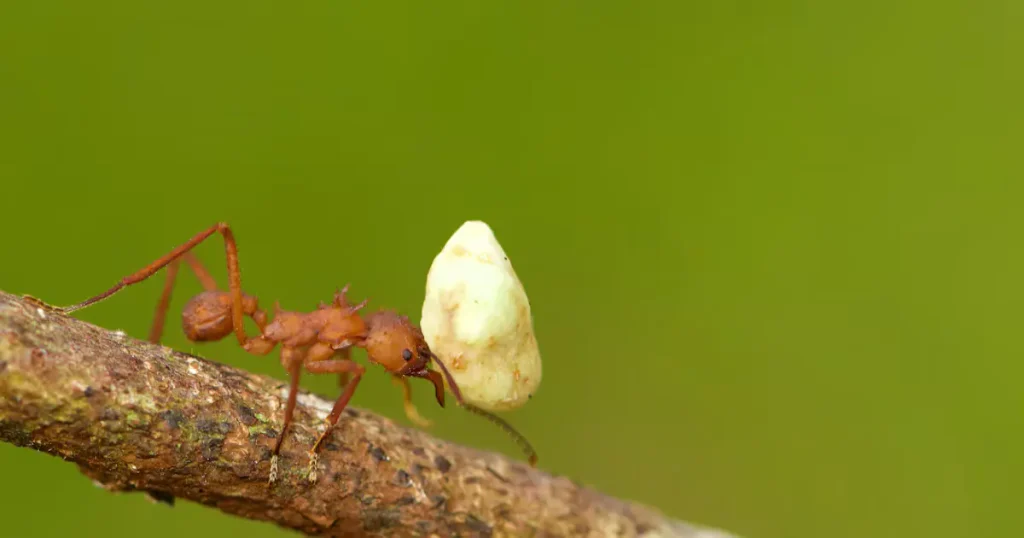
Ants are famous for carrying objects up to 50 times their own body weight without taking a break. They work in massive, structured colonies where every individual performs specialized tasks like foraging, nursing, or nest defense.
Some species even tunnel underground for yards to build intricate subterranean cities with specialized chambers. Their coordinated labor ensures the colony thrives even under harsh environmental conditions.
Beavers
- Scientific name:Castor canadensis
- Class: Mammalia
- Diet: Herbivore (Tree bark, leaves, aquatic plants, and twigs)
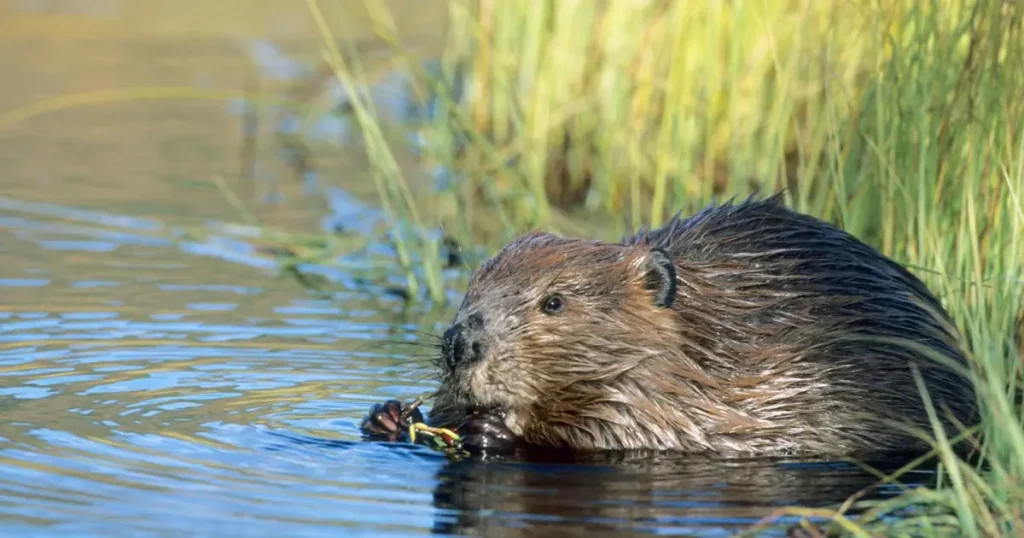
Beavers are nature’s engineers, famous for altering entire landscapes by building sturdy dams and lodges. They spend countless hours gnawing down trees, hauling heavy logs, and plastering mud to create safe aquatic habitats.
While foraging for wooden building materials, their industrious nature often reminds researchers of animals that look like otters in aquatic agility. Their construction projects create rich wetland habitats that support hundreds of other wild species.
African Elephant
- Scientific name:Loxodonta africana
- Class: Mammalia
- Diet: Herbivore (Grasses, leaves, tree bark, roots, and fruit)
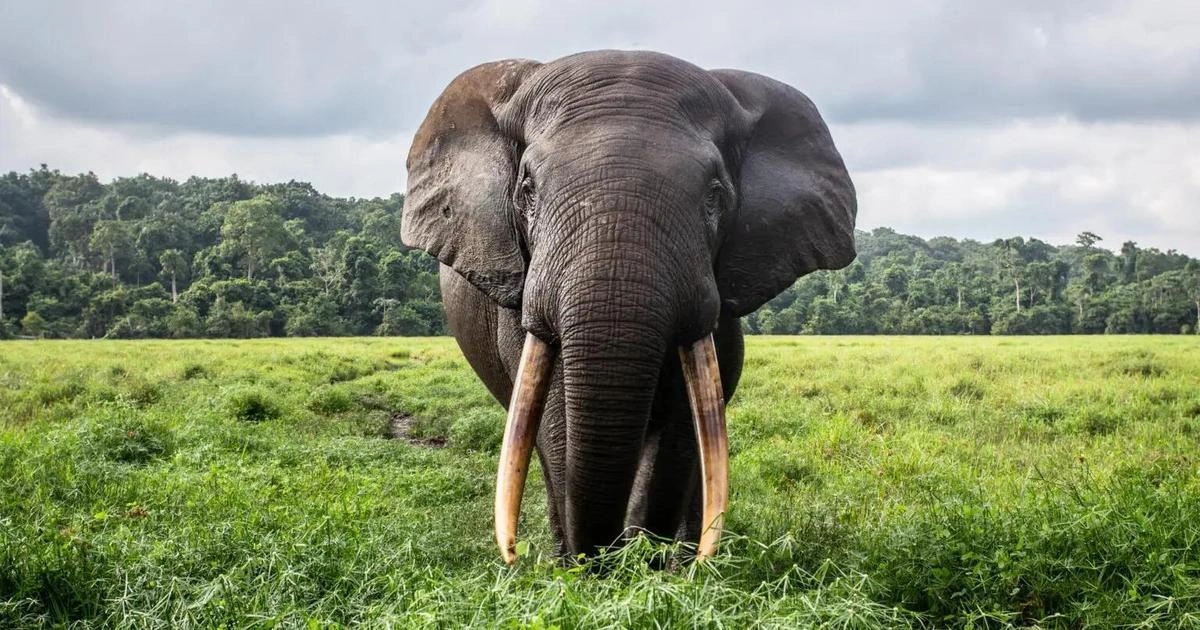
African elephants spend up to 18 hours every day foraging and traveling vast distances to find food and water. They clear paths through dense forests, dig waterholes in dry riverbeds, and knock down trees to feed their herds.
Their relentless landscape management provides vital water access and clear trails for dozens of other wildlife species. By reshaping their environment daily, these giants act as essential ecosystem engineers across the African continent.
Bowerbirds
- Scientific name:Ptilonorhynchidae
- Class: Aves
- Diet: Omnivore (Fruits, seeds, nectar, flowers, and small insects)
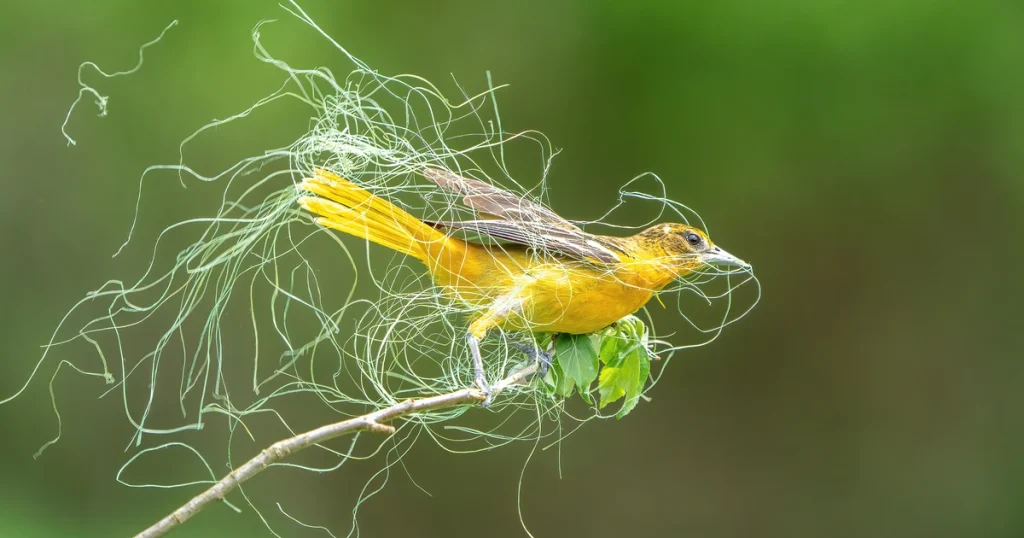
Male bowerbirds dedicate months of endless labor to constructing and decorating elaborate stick structures called bowers. They meticulously hunt for colorful objects like berries, flowers, and shiny plastic trinkets to attract potential mates.
Every day involves endless rearranging and maintenance to ensure their artistic structure remains pristine and attractive. Their dedication to architectural aesthetic and upkeep is unmatched in the avian world.
Ox
- Scientific name:Bos taurus
- Class: Mammalia
- Diet: Herbivore (Grasses, hay, grains, and vegetation)
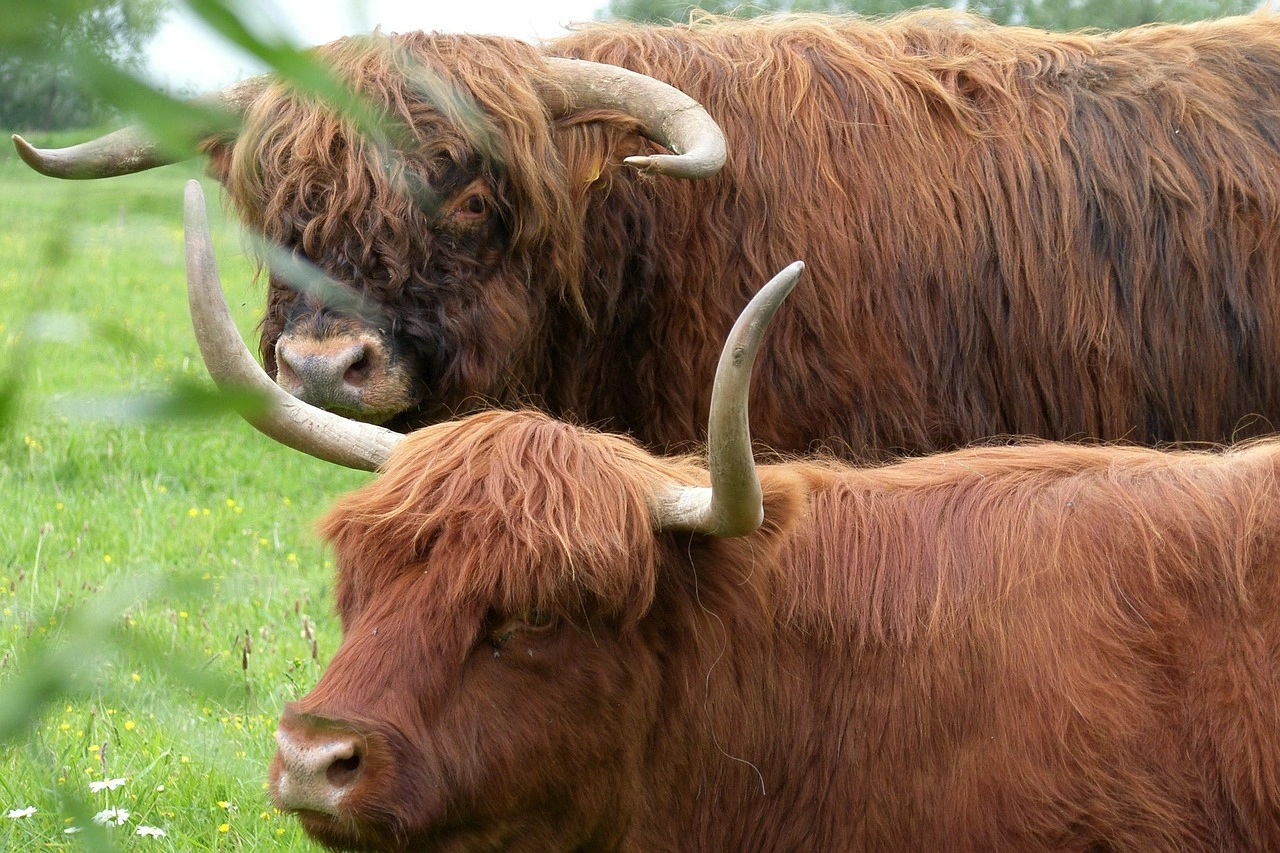
Oxen have served humanity for thousands of years as dependable draft animals capable of pulling immense agricultural loads. They endure long hours of continuous labor plowing fields, hauling heavy timber, and pulling supply carts across difficult terrain.
Their steady strength and calm demeanor make them irreplaceable assets for farming communities worldwide. Even today, they remain vital partners in traditional agriculture across many regions.
Earthworms
- Scientific name:Lumbricina
- Class: Clitellata
- Diet: Detritivore (Decaying plant matter, fungi, and organic debris)
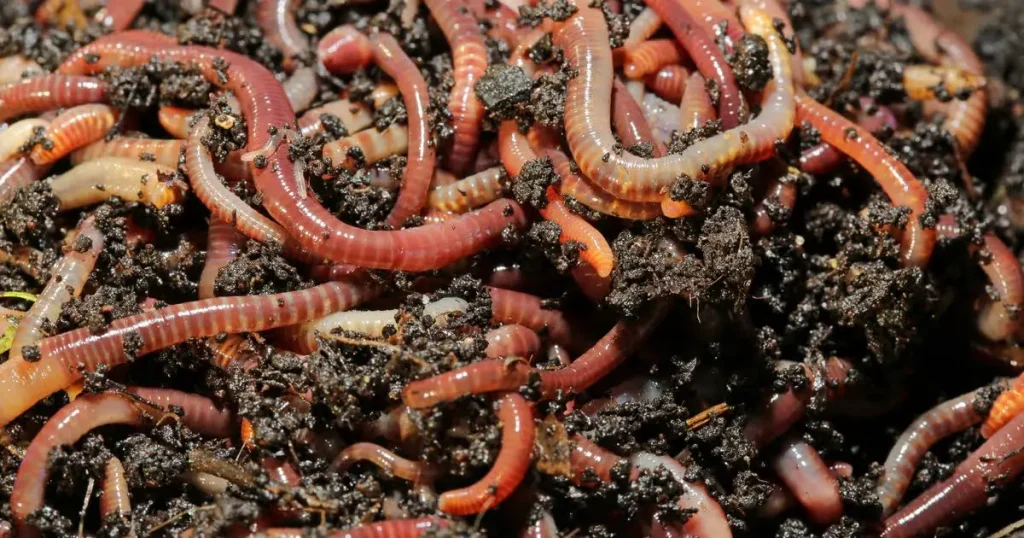
Earthworms work around the clock beneath the surface, continuously consuming soil and organic debris to recycle essential nutrients. Their endless tunneling aerates the earth, allowing water and plant roots to penetrate deep into healthy soil beds.
Despite their simple bodies, they process tonnes of soil per acre each year to keep environments fertile. Their underground labor provides the essential foundation for plant life across the globe.
Termite
- Scientific name:Isoptera
- Class: Insecta
- Diet: Herbivore (Cellulose, decaying wood, soil, and leaf litter)
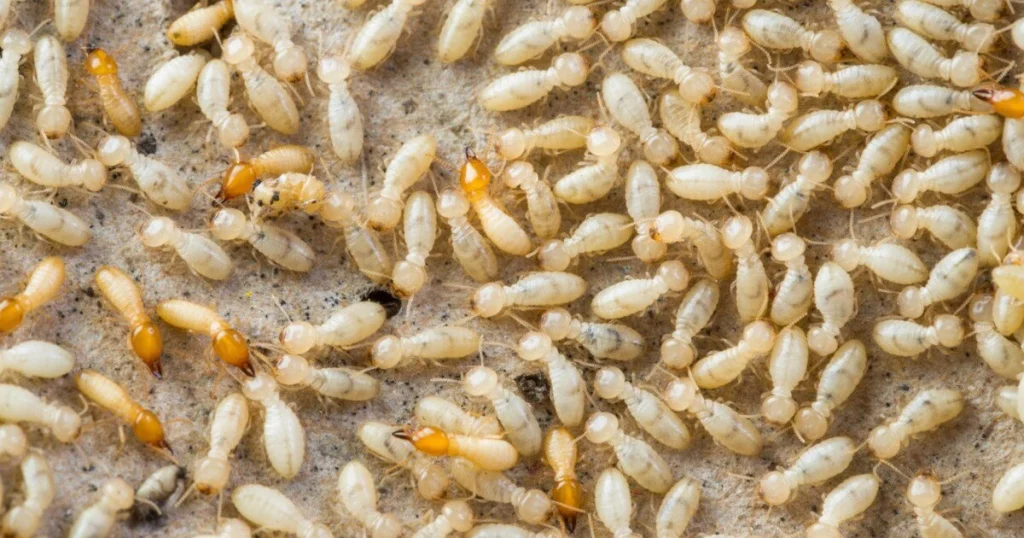
Termites work tirelessly in complete darkness to construct massive, ventilated mounds that can reach several meters in height. They process tough cellulose materials continuously, breaking down fallen timber that would otherwise clutter ecosystems.
While some people dismiss them due to cognitive myths similar to animals with lowest iq, their complex architectural instinct is unmatched. Their collective work regulates temperature and airflow inside mounds built to withstand harsh weather.
Dog
- Scientific name:Canis lupus familiaris
- Class: Mammalia
- Diet: Carnivore (Meat, animal proteins, and tailored grains)

Working dog breeds perform demanding tasks ranging from herding livestock and pulling sleds to assisting search and rescue missions. They display unyielding focus, loyalty, and stamina while working closely alongside human handlers in harsh environments.
Whether guarding properties or scent-tracking through thick forests, their drive to work remains exceptional. Their strong work ethic and intelligence make them invaluable human companions across many disciplines.
Female Lions
- Scientific name:Panthera leo
- Class: Mammalia
- Diet: Carnivore (Ungulates, zebras, wildebeests, and large mammals)
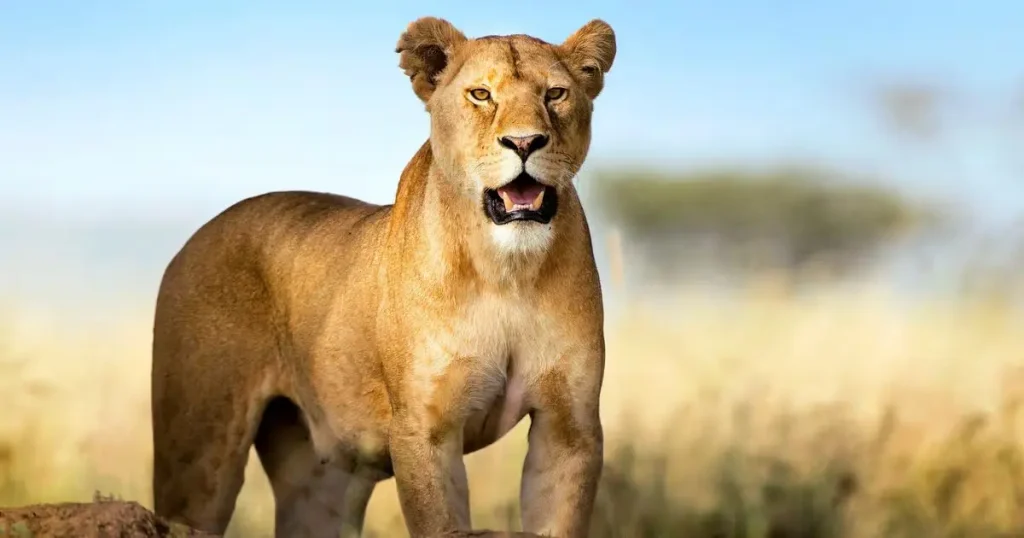
Female lions do the vast majority of hunting and cub-rearing duties within a pride structure. They work in tactical teams to stalk, chase, and bring down large prey across open, punishing savanna landscapes.
After exhausting hunts, they immediately return to defend, groom, and feed their energetic offspring. Their tireless efforts secure both nourishment and protection for the survival of the entire pride.
Emperor Penguins
- Scientific name:Aptenodytes forsteri
- Class: Aves
- Diet: Carnivore (Fish, krill, and squid)
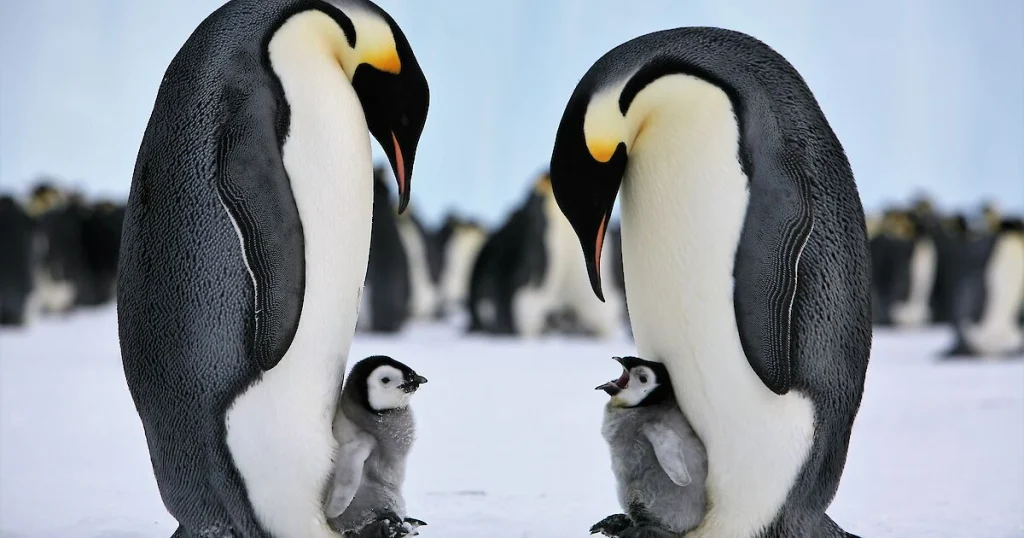
Male Emperor penguins endure the freezing Antarctic winter, standing motionless for over two months to incubate a single egg. They brave howling blizzards and sub-zero temperatures without eating a single meal while keeping the egg warm on their feet.
Their selfless commitment ensures the survival of the next generation in the harshest climate on Earth. Once the chick hatches, both parents take turns traveling miles across ice to retrieve food.
Horse
- Scientific name:Equus caballus
- Class: Mammalia
- Diet: Herbivore (Grasses, hay, grains, and pasture forage)
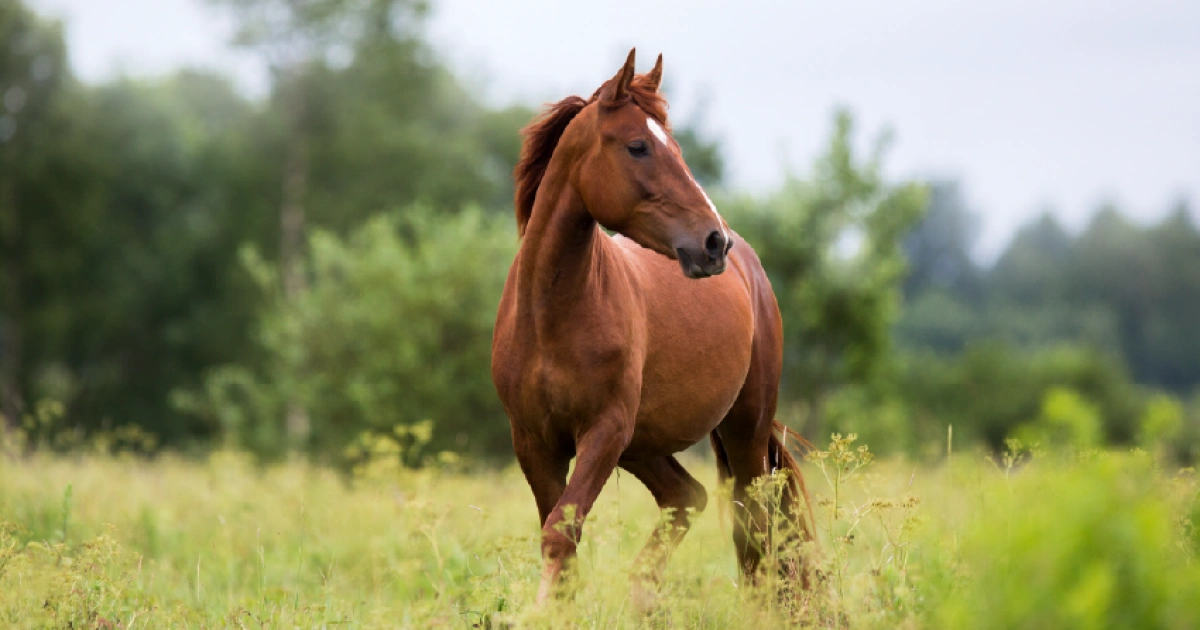
Horses have powered human transportation, agriculture, and industry for millennia through sheer stamina and muscle power. They carry riders, pull heavy machinery, and haul gear across rugged trails without complaint.
Their athleticism and willingness to labor under demanding conditions establish them as premier working animals. Through centuries of partnership, they have reshaped human history through their hard work.
Camel
- Scientific name:Camelus dromedarius
- Class: Mammalia
- Diet: Herbivore (Thorny shrubs, dry grasses, leaves, and desert flora)
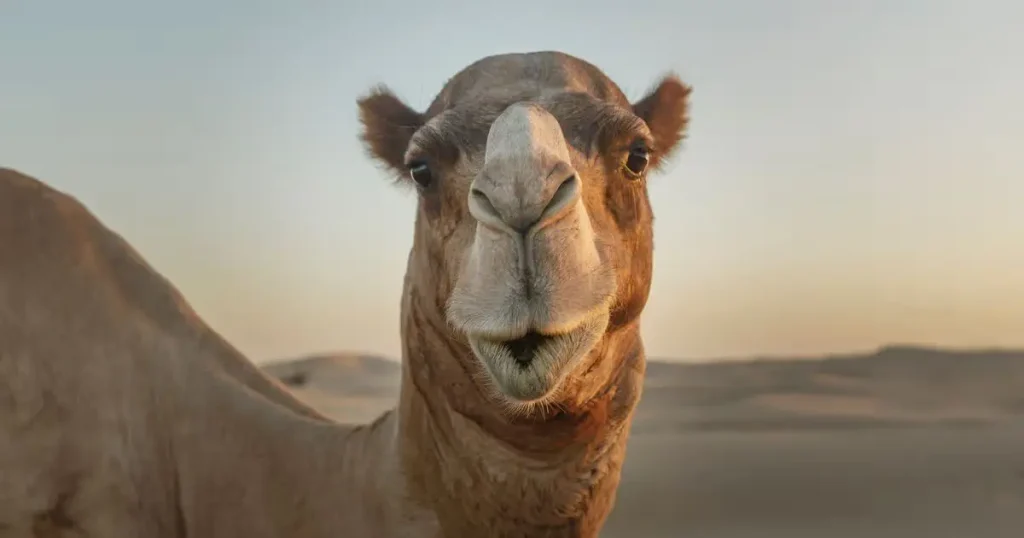
Camels are built to endure brutal desert conditions, carrying heavy loads across scorching sand dunes for days without water. Their bodies efficiently conserve energy while traveling dozens of miles under a burning hot sun.
Remarkably, desert species adapt by feeding on tough desert plants, much like animals that eat cactus to survive arid regions. Their endurance makes trade and transport possible across some of the inhospitable environments on Earth.
African Wild Dogs
- Scientific name:Lycaon pictus
- Class: Mammalia
- Diet: Carnivore (Antelopes, gazelles, impalas, and small mammals)
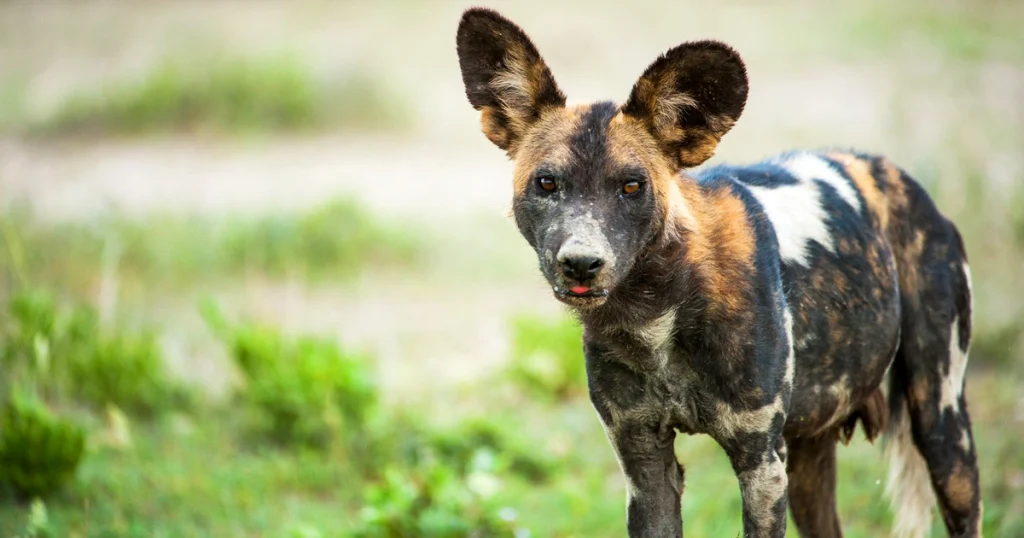
African Wild Dogs are relentless hunters that chase prey across vast distances until their target becomes completely exhausted. Their packs coordinate attacks with incredible communication, achieving one of the highest hunting success rates in the animal kingdom.
They also share regurgitated food with sick pack members, young pups, and elderly adults after every successful hunt. This cooperative mindset requires constant effort from every single individual in the pack.
Cleaner Wrasse
- Scientific name:Labroides dimidiatus
- Class: Actinopterygii
- Diet: Carnivore (Parasites, mucus, and dead tissue from client fish)
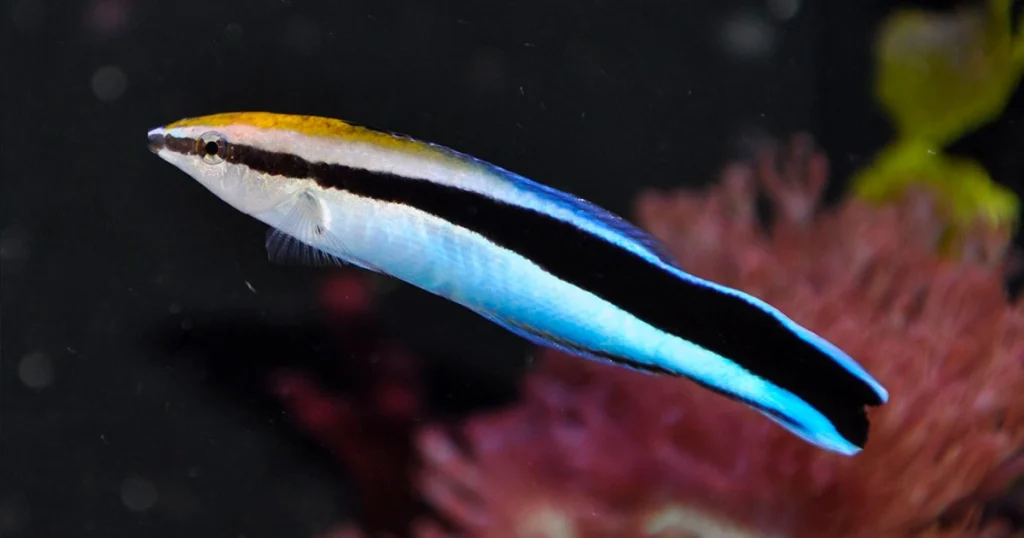
Cleaner wrasse spend their entire days picking parasites, dead skin, and bacteria off larger marine creatures at specialized reef stations. They service hundreds of client fish daily, swimming directly into the mouths and gills of large predators without fear.
Their continuous maintenance work prevents disease outbreaks and keeps coral reef ecosystems healthy. This mutually beneficial service highlights how relentless individual labor supports entire aquatic communities.
Dung Beetle
- Scientific name:Scarabaeidae
- Class: Insecta
- Diet: Coprophage (Animal dung and organic waste matter)
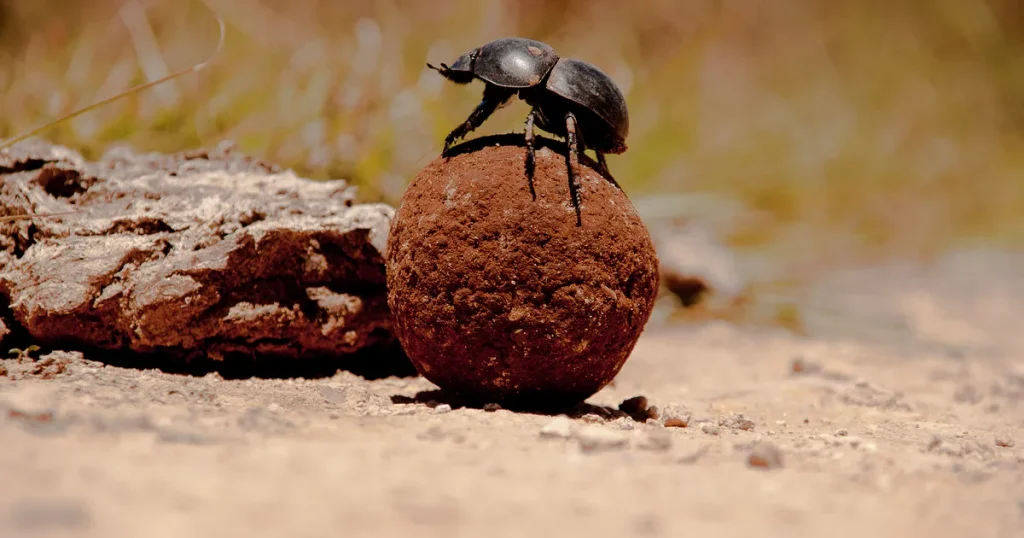
Dung beetles work nonstop rolling heavy spheres of animal manure across bumpy terrain to use as food and nurseries. They can roll balls up to 50 times their own body weight using only their hind legs for steering.
By burying waste, they recycle nutrients into the soil, control parasite populations, and maintain pristine land conditions. Their continuous cleanup effort is essential for soil health and ecological balance.
Sea Otter
- Scientific name:Enhydra lutris
- Class: Mammalia
- Diet: Carnivore (Sea urchins, crabs, clams, mussels, and abalone)
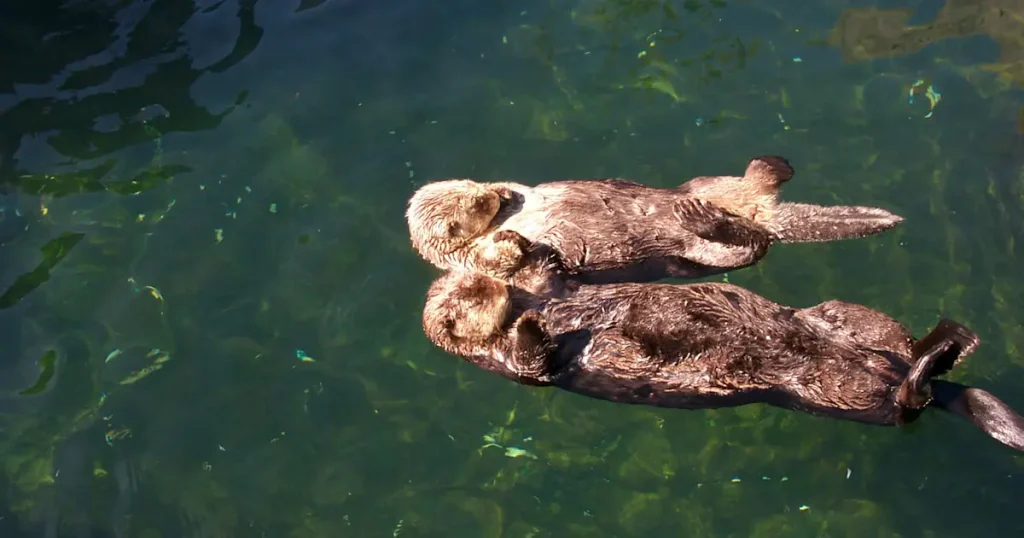
Sea otters spend almost their entire lives foraging, grooming, and diving to the ocean floor to collect hard-shelled prey. They must consume up to 25% of their body weight daily to maintain their core temperature in cold ocean waters.
Interestingly, while searching for foraging facts, readers often compare them with animals that eat coconuts or crush tough shells using clever tools. Their constant hunting controls sea urchin populations, keeping kelp forests lush and healthy.
Prairie Dogs
- Scientific name:Cynomys
- Class: Mammalia
- Diet: Herbivore (Grasses, roots, seeds, and low-growing vegetation)
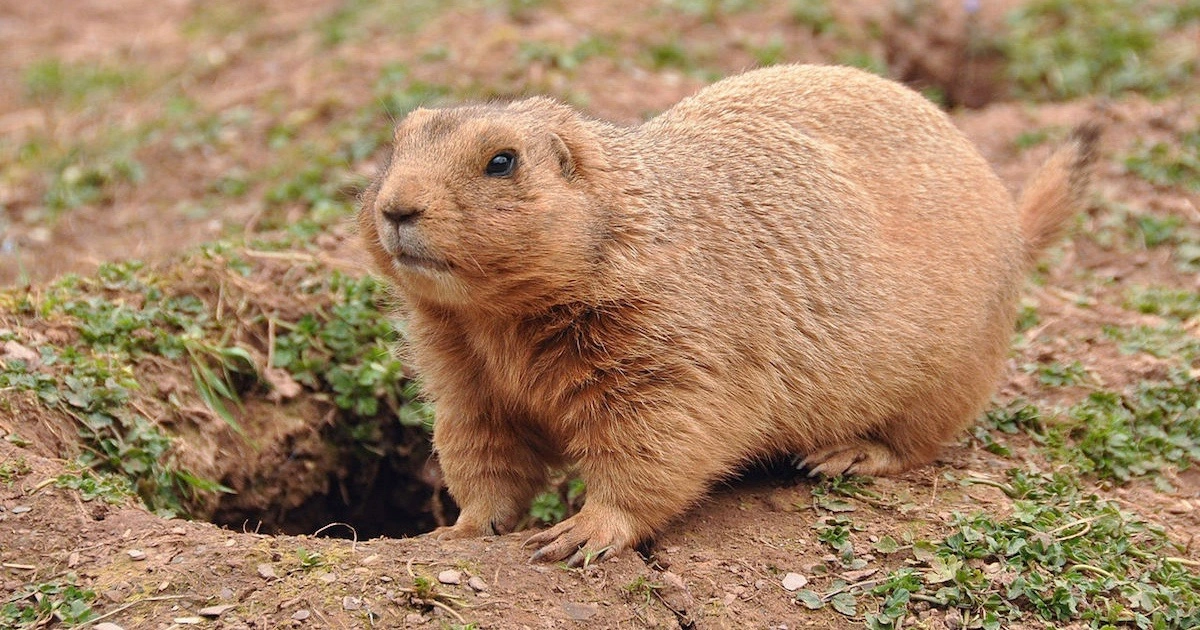
Prairie dogs spend their days excavating extensive underground networks complete with nurseries, sleeping quarters, and drainage systems. They continuously clip back surrounding tall grass to maintain clear sightlines for lurking predators like hawks and coyotes.
Their diligent tunneling aerates dry plains soil and creates homes for burrowing owls and snakes. Their constant maintenance efforts turn dry grasslands into thriving biological hotspots.
Honey Badger
- Scientific name:Mellivora capensis
- Class: Mammalia
- Diet: Omnivore (Small mammals, reptiles, insects, honey, and roots)
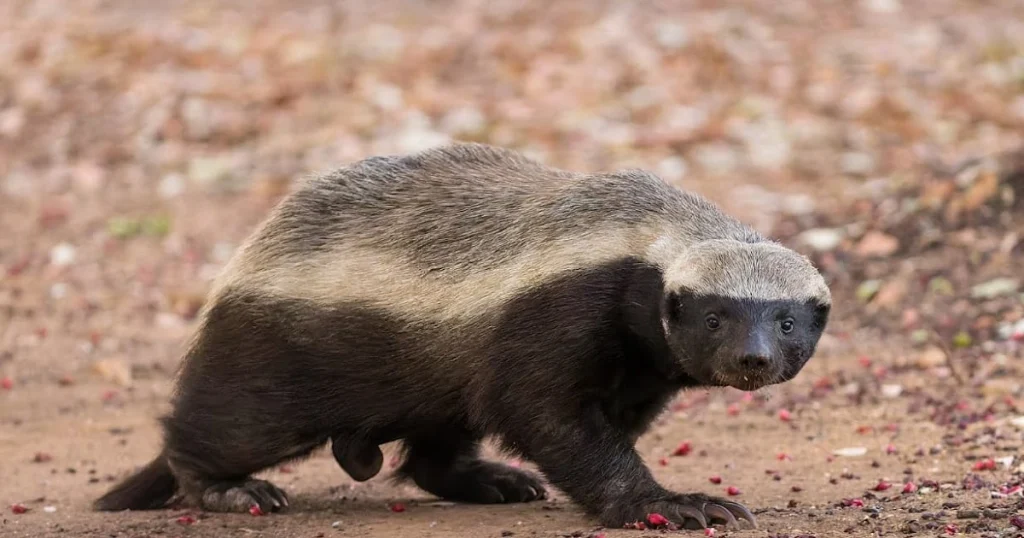
Honey badgers are relentless foragers that dig continuously through hard ground to uncover buried prey, insects, and beehives. Their thick skin and powerful claws allow them to tear apart rotten logs, rock crevices, and defensive bee nests easily.
They are opportunistic feeders, occasionally rivaling the scavenging efficiency found in top 30 scavenger animals with pictures when seeking meals. Their tireless determination makes them one of the most fearless predators in nature.
Ground Squirrel
- Scientific name:Spermophilus
- Class: Mammalia
- Diet: Herbivore (Seeds, nuts, grains, fungi, and green vegetation)
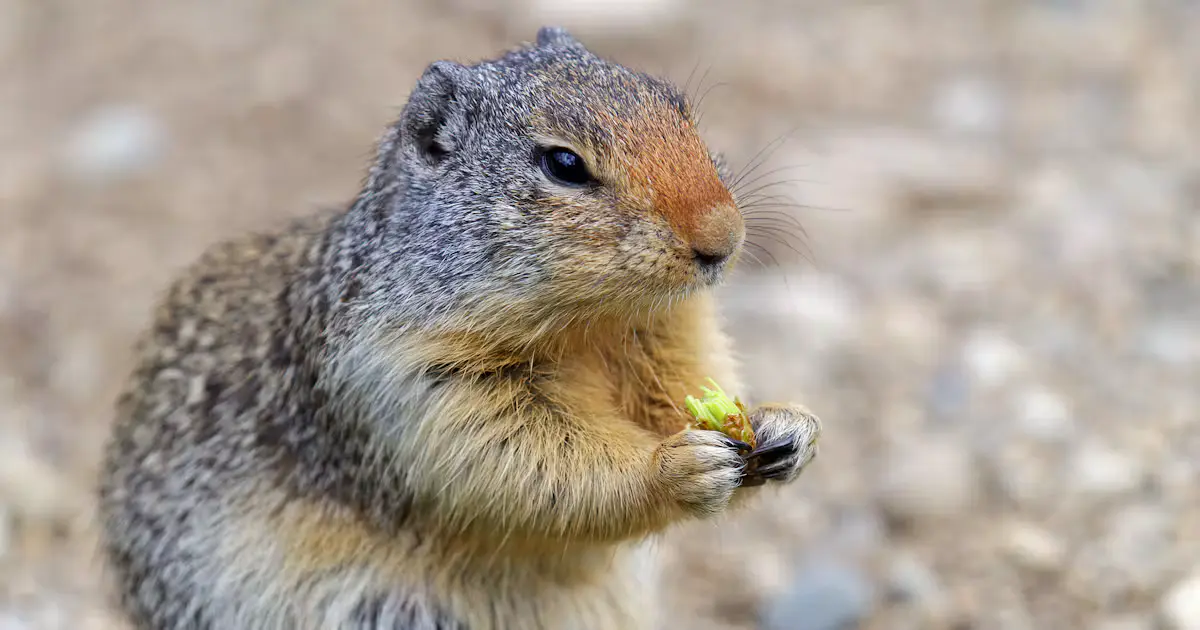
Ground squirrels work tirelessly throughout the spring and summer gathering nuts, seeds, and vegetation to store in subterranean pantries. They dig intricate burrow systems that provide shelter and food storage during long, cold winter months.
Their caching behavior accidentally plants millions of trees, leading many to study animals that look like squirrels across different woodland habitats. Their constant gathering and digging play a crucial role in forest regeneration.
Final Words
The animal kingdom showcases an inspiring variety of hard workers, from tiny insects to massive land mammals. Each species performs a vital role that keeps ecosystems balanced, soil fertile, and life cycling forward smoothly.
By appreciating these hardworking creatures, we gain a deeper respect for the natural mechanisms sustaining our planet.
FAQs
Which Animal is Considered the Hardest Working in The World?
Ants and honey bees are widely considered the hardest working animals due to their non-stop activity, heavy lifting capabilities, and complex colony structures.
Why do Animals Work so Hard in Nature?
Animals work primarily for survival, which includes securing food, constructing protective shelters, raising young, and defending territory from predators.
Do Wild Animals Ever Rest or Take Breaks?
Yes, all animals require rest to preserve energy, but many alternate sleep cycles or work in shifts within colonies to keep operations running continuously.