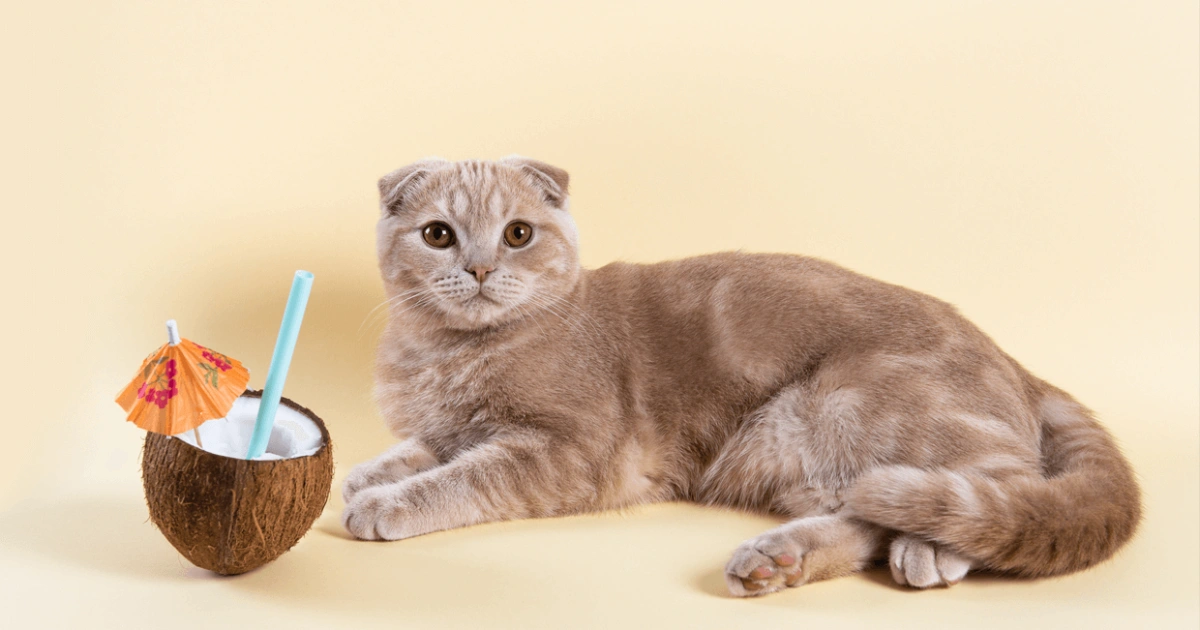
Top 17 Animals that Eat Coconuts (Images Included)
Coconuts are famous for their tough outer shells, rich water, and highly nutritious flesh. While opening a coconut requires significant effort, several animals have evolved unique physical traits and behaviors to crack these tropical fruits open.
From powerful crustaceans to highly intelligent primates, a wide variety of wildlife relies on coconuts for food and hydration. Below is a detailed look at seventeen notable species that incorporate coconuts into their diet.
List of Animals that Eat Coconuts
Here is the list of animals:
- Gorillas
- Pigs
- Sun Bears
- Palm Cockatoo
- Wild Boars
- Common Myna
- Aye-aye
- Squirrel
- Monkeys
- Elephants
- Rats
- Rhinoceros Beetles
- Fruit Bats
- Coconut Weevils
- Crows
- Humans
- Coconut Crabs
Gorillas
- Scientific name: Gorilla gorilla
- Class: Mammalia
- Diet: Herbivore
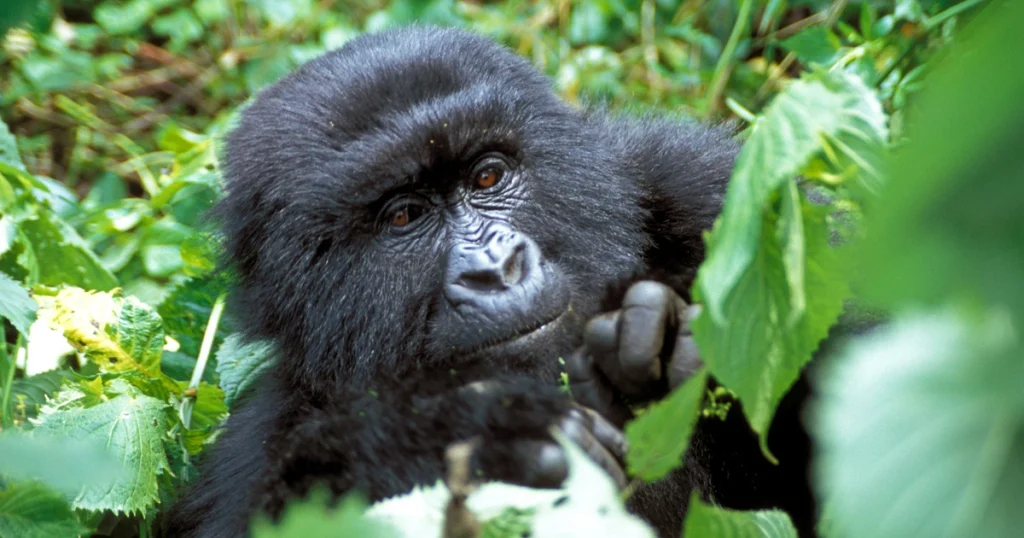
Gorillas are massive primates that possess incredible physical strength capable of tearing open tough plant husks. In areas where coconut palms grow, they use their powerful jaws and strong hands to access the inner flesh.
These gentle giants consume fruits, shoots, and leaves as part of their daily foraging routine in dense tropical forests. Their high energy needs make dense, nutrient-rich foods like coconut meat an attractive option when available.
Pigs
- Scientific name: Sus domesticus
- Class: Mammalia
- Diet: Omnivore
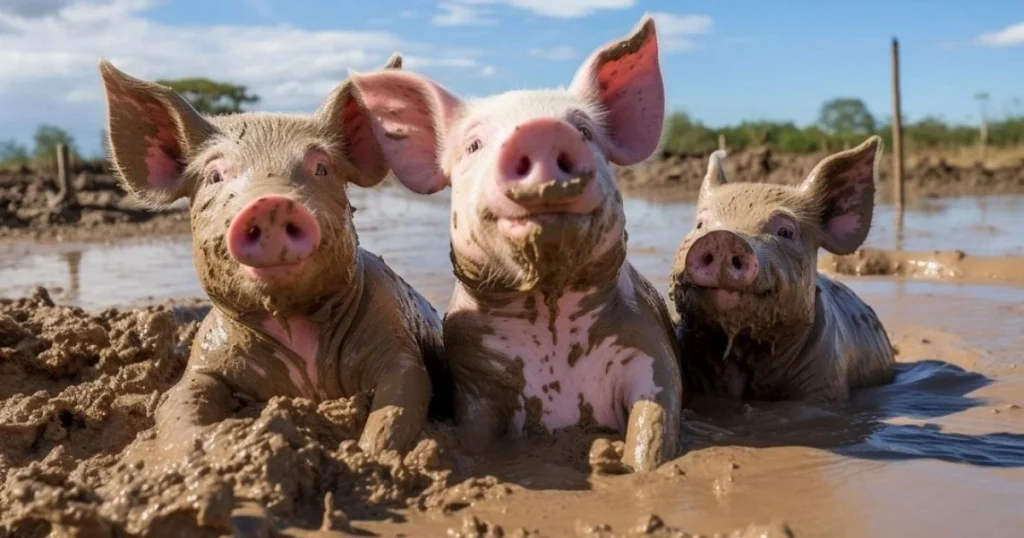
Domestic and wild pigs are natural foragers known for using their strong snouts to unearth and crush various food items. When fallen coconuts begin to crack or rot, pigs easily break through the weakened shell to devour the meat inside.
Farmers in tropical regions often feed leftover coconut copra to domestic pigs as a high-calorie food source. Their opportunistic feeding habits ensure that no part of an accessible coconut goes to waste on coastal farms.
Sun Bears
- Scientific name: Helarctos malayanus
- Class: Mammalia
- Diet: Omnivore
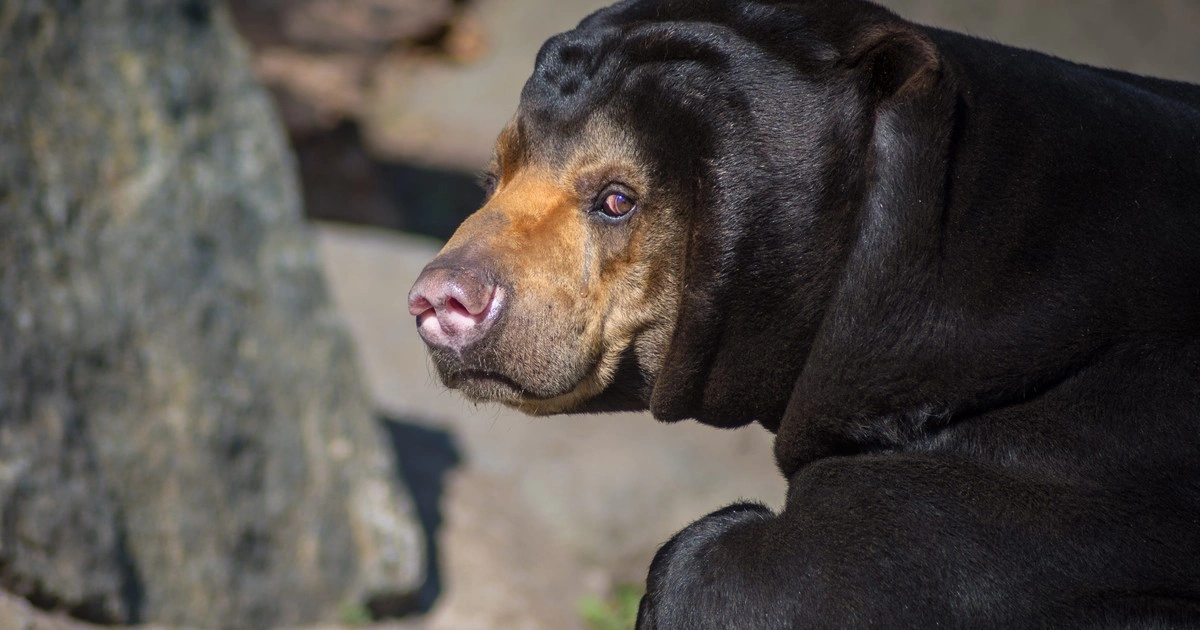
Sun bears are the smallest bear species, but they boast exceptionally powerful jaws and long curved claws. They easily tear through coconut husks to reach the sweet flesh and hydrating coconut water inside.
These arboreal bears often climb tall palm trees in Southeast Asian forests to pick fresh coconuts directly from the canopy. Much like other forest species, they scavenge for food, similar to how scavenger animals clean up organic matter in tropical ecosystems.
Palm Cockatoo
- Scientific name: Probosciger aterrimus
- Class: Aves
- Diet: Herbivore
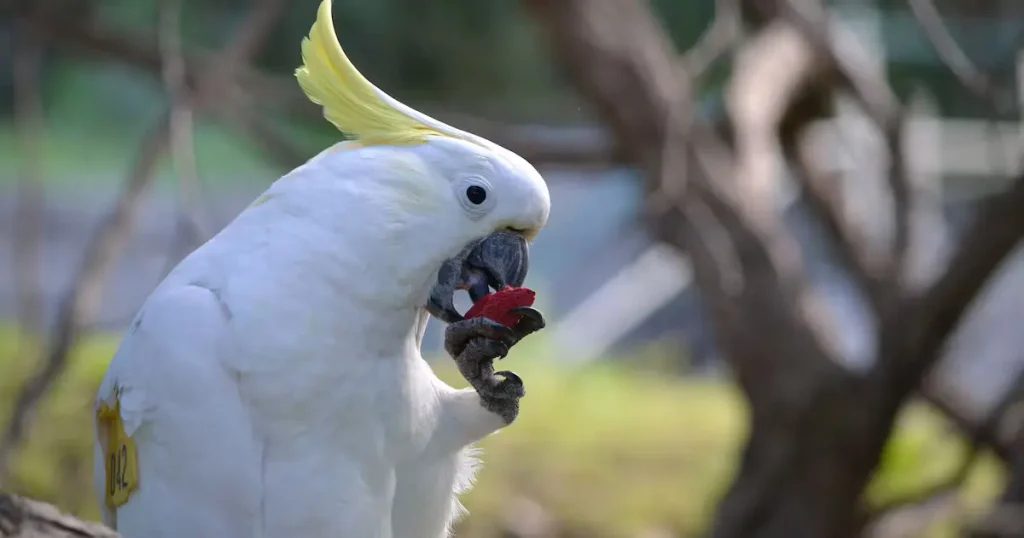
The palm cockatoo is equipped with a massive, razor-sharp beak that can exert immense pressure on tough seeds and nuts. This impressive bird can crack open younger, softer coconuts or slice through thick husk fibers with minimal effort.
They use their nimble feet and strong beak in tandem to grip and pry open tough tropical fruits in native habitats. Their unique beak adaptation makes them one of the few avian species capable of targeting hard-shelled palm nuts.
Wild Boars
- Scientific name: Sus scrofa
- Class: Mammalia
- Diet: Omnivore
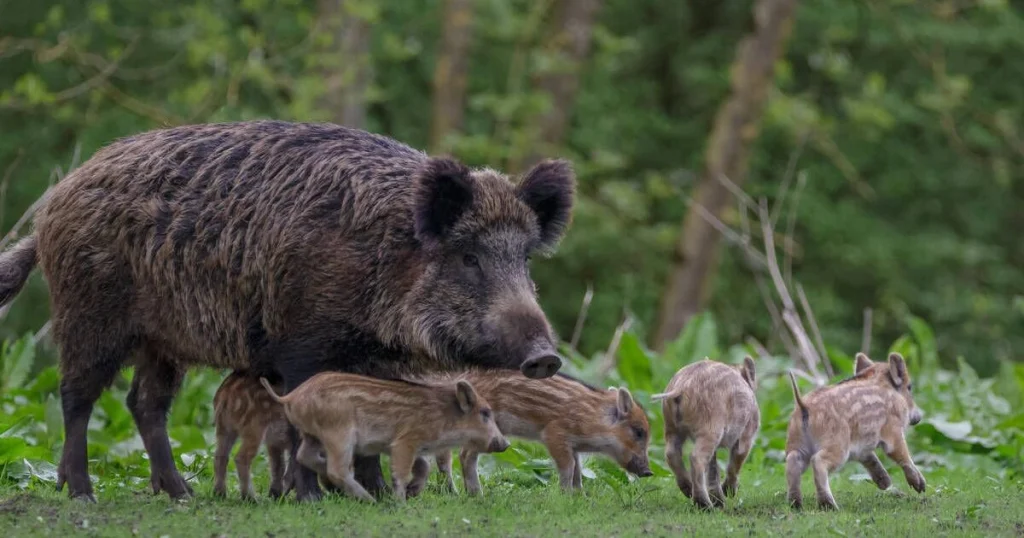
Wild boars actively forage along tropical shorelines and forest edges in search of fallen coconuts and tubers. They use their hardened snouts to roll and strike cracked coconuts against rocks until the shell splits open completely.
Their opportunistic nature allows them to thrive on a vast array of high-fat foods found across their territories. These resilient wild swine display similar adaptability to rugged creatures like animals that eat cactus in harsh environments.
Common Myna
- Scientific name: Acridotheres tristis
- Class: Aves
- Diet: Omnivore
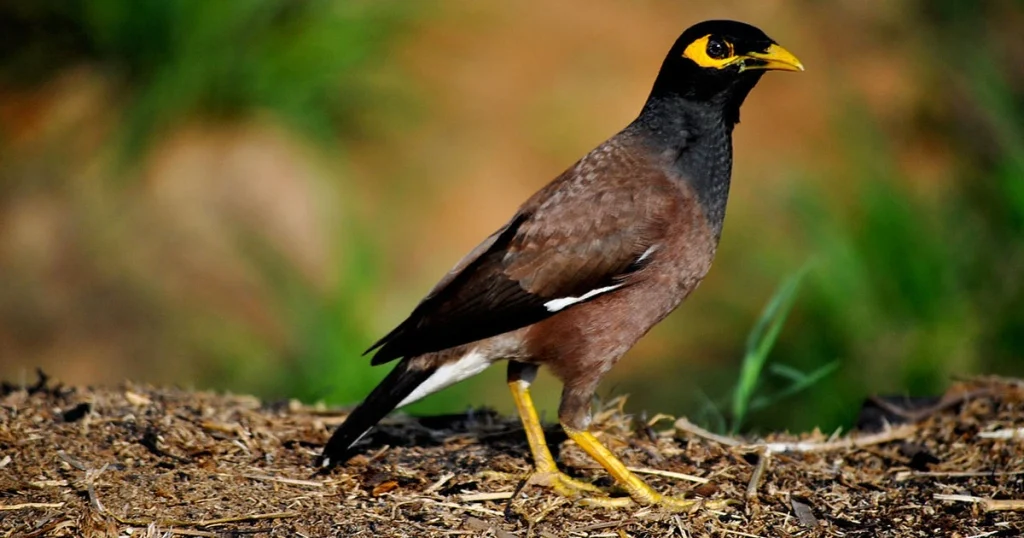
The common myna is an intelligent bird species that frequently scavenges around human settlements and coconut plantations. While they cannot crack a hard coconut shell themselves, they eagerly feed on exposed coconut meat left behind by larger animals.
These adaptable birds also peck at young, tender coconuts that have already been punctured by insects or weather damage. Their keen eyesight and social foraging habits make them quick to spot open food sources in tropical environments.
Aye-aye
- Scientific name: Daubentonia madagascariensis
- Class: Mammalia
- Diet: Omnivore
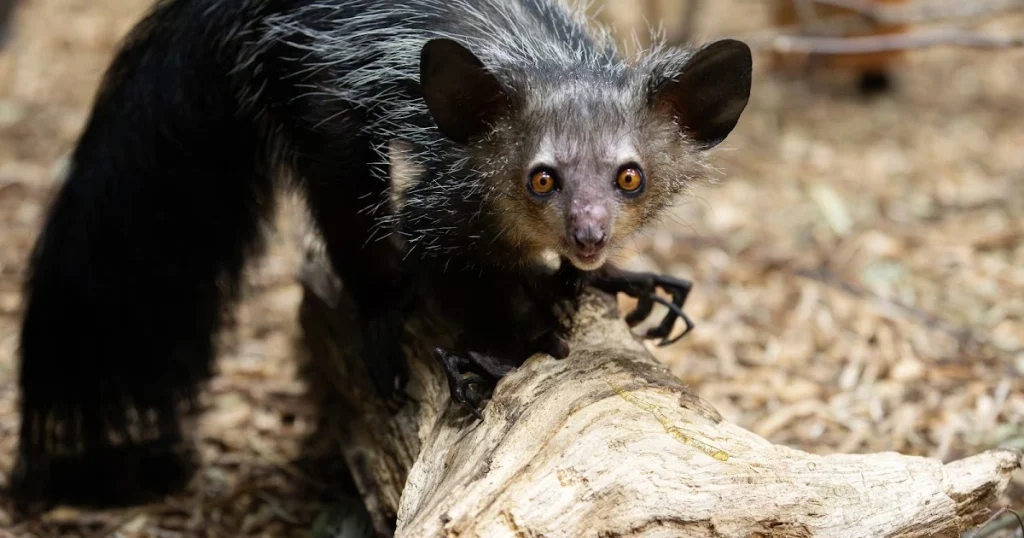
The aye-aye is a nocturnal lemur native to Madagascar that features a specialized, elongated middle finger used for extraction. It uses its sharp incisors to gnaw holes through tough coconut husks and outer shells with remarkable precision.
Once a small hole is created, the aye-aye inserts its slender finger to scoop out the rich coconut milk and flesh inside. This clever foraging method showcases the unique adaptations found among rainforest primates in isolated island habitats.
Squirrel
- Scientific name: Sciuridae
- Class: Mammalia
- Diet: Omnivore
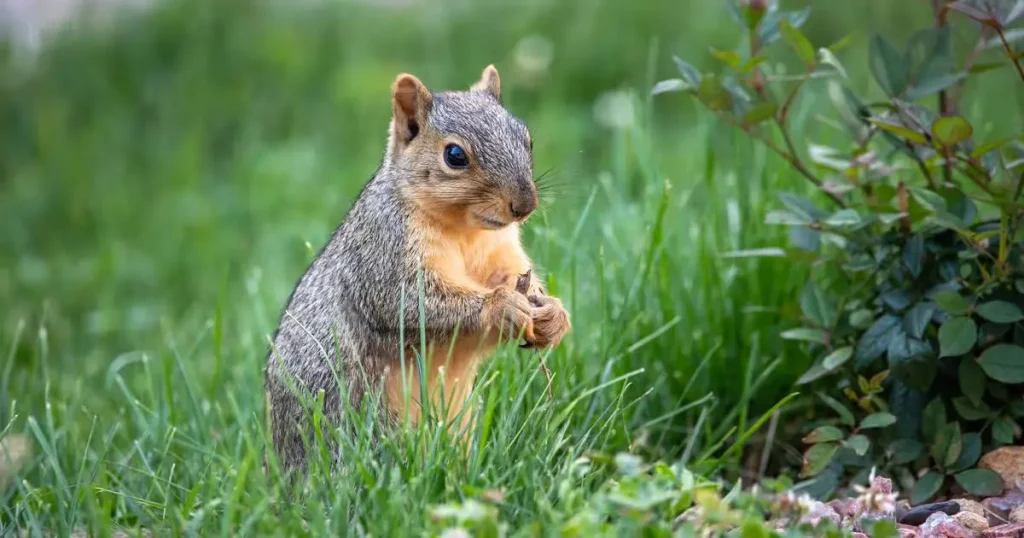
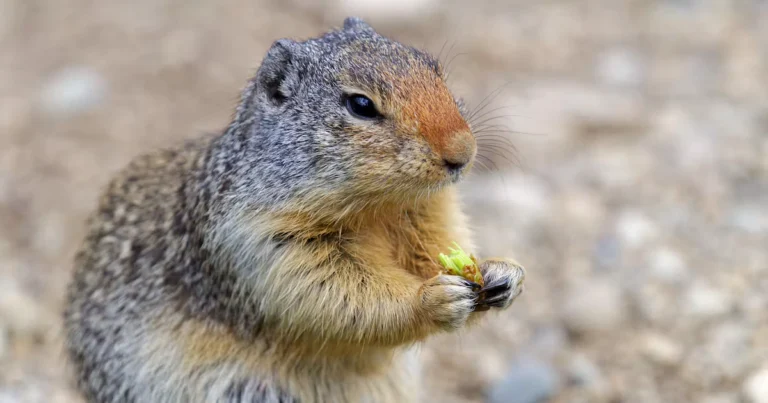
Tree squirrels in tropical regions are quick to target young coconuts hanging high up in palm trees. They use their sharp front teeth to gnaw through the fibrous husk to reach the soft kernel inside.
Some small mammal species share similar energetic behaviors, which you can explore in our guide on animals that look like squirrels. Their constant gnawing keeps their teeth trimmed while providing a rich source of healthy fats.
Monkeys
- Scientific name: Simiiformes
- Class: Mammalia
- Diet: Omnivore
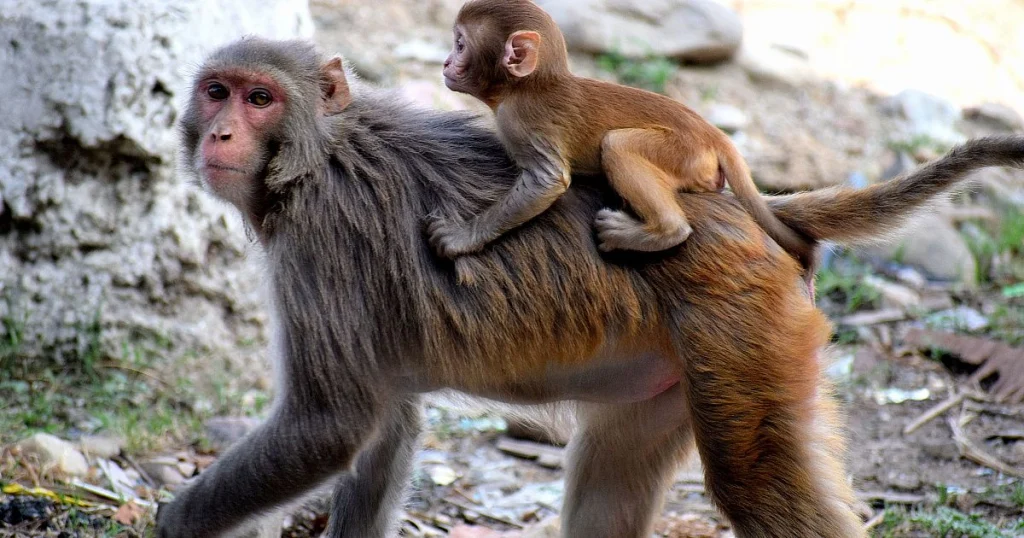
Various monkey species, such as macaques and capuchins, frequently harvest coconuts for their high moisture and oil content. Some trained macaques are even skilled at twisting mature coconuts off trees for agricultural harvesting in parts of Asia.
In the wild, monkeys drop coconuts onto hard rocks or beat them against tree trunks until the outer shell fractures. Their problem-solving abilities highlight their intelligence, unlike species discussed in our list of animals with lowest IQ.
Elephants
- Scientific name: Elephas maximus
- Class: Mammalia
- Diet: Herbivore
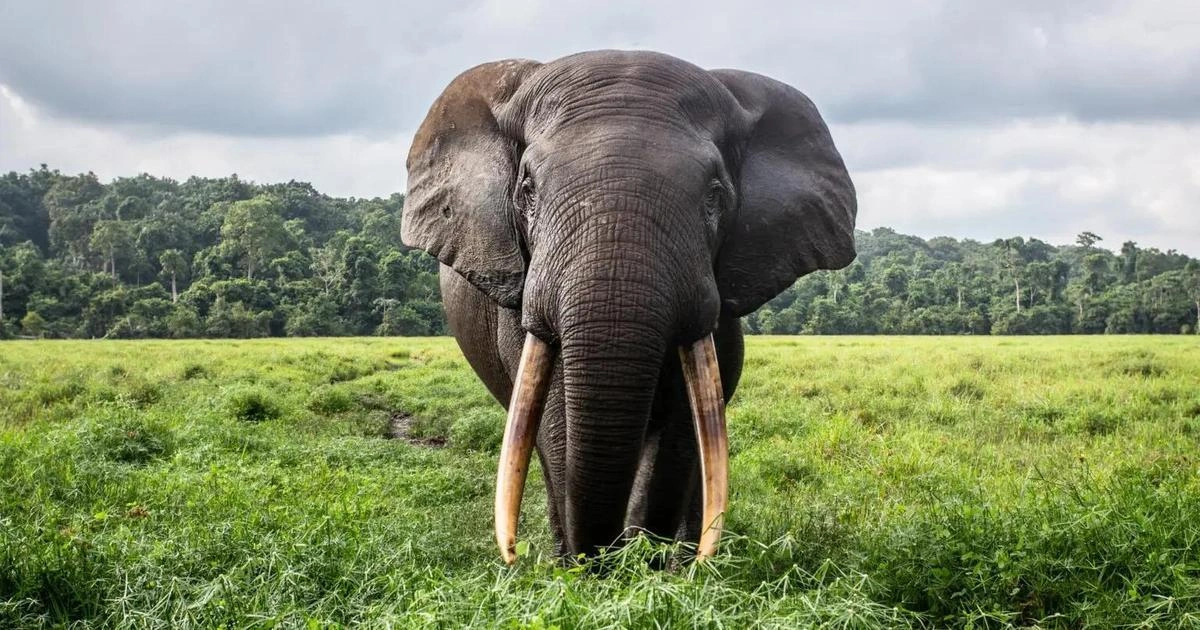
Asian and African elephants possess enormous strength, allowing them to crush fully mature coconuts under their heavy feet with ease. They use their versatile trunks to pick up cracked coconuts and sweep the fresh meat into their mouths.
In coastal habitats and sanctuaries, elephants actively seek out coconuts as a refreshing and nutritious treat. Their ability to effortlessly step on hard shells makes them one of the few animals that encounter no physical barrier when eating them.
Rats
- Scientific name: Rattus norvegicus
- Class: Mammalia
- Diet: Omnivore
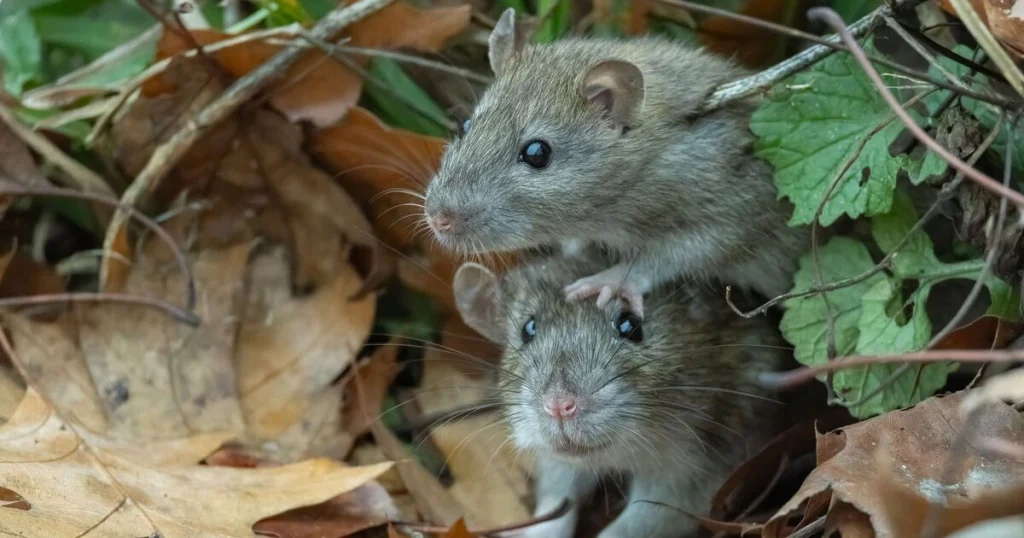
Rats are highly invasive rodents that inflict significant damage on commercial coconut crops across tropical islands. They climb smooth palm trunks with agility to gnaw into young green coconuts directly attached to the tree canopy.
By chewing small entry holes near the stem, rats drink the interior liquid and consume the developing fleshy kernel. Their relentless gnawing habits cause unripened coconuts to fall prematurely, severely impacting coastal palm yields.
Rhinoceros Beetles
- Scientific name: Oryctes rhinoceros
- Class: Insecta
- Diet: Herbivore
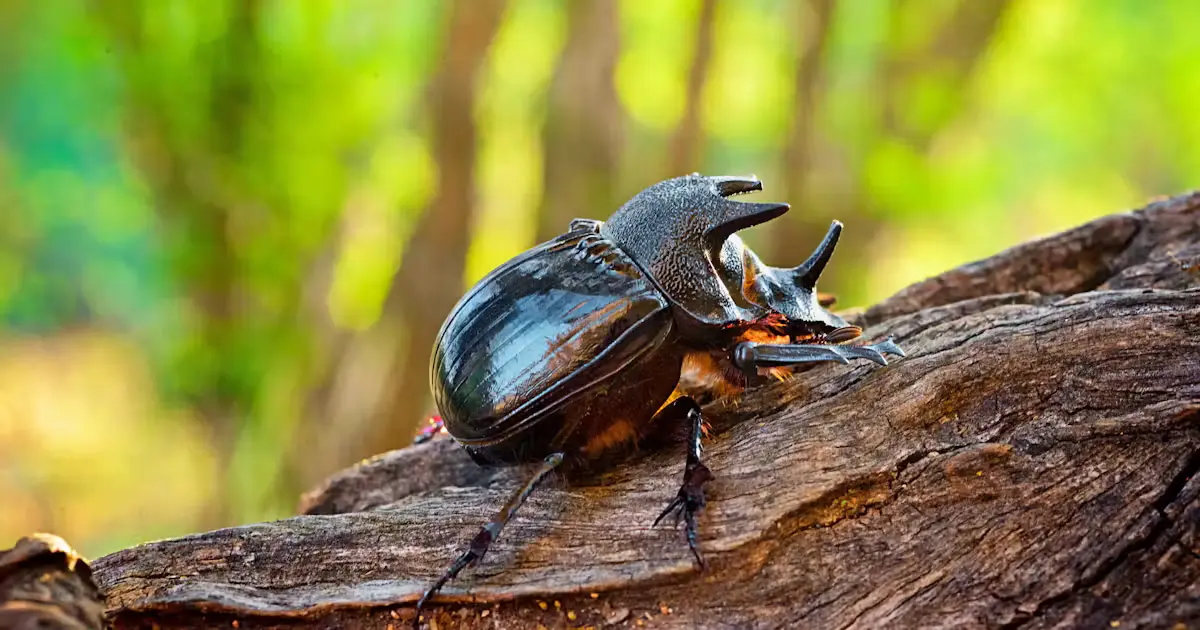
The coconut rhinoceros beetle is a major agricultural pest known for attacking palm trees and young coconut fruits. Adult beetles bore deep into the soft, growing tissues at the crown of palm trees to feed on sap and plant fluids.
This damaging behavior weakens the tree and often destroys developing coconuts before they reach maturity. Their larval stages also feed on decaying coconut wood and fibrous organic matter near palm plantations.
Fruit Bats
- Scientific name: Pteropodidae
- Class: Mammalia
- Diet: Herbivore
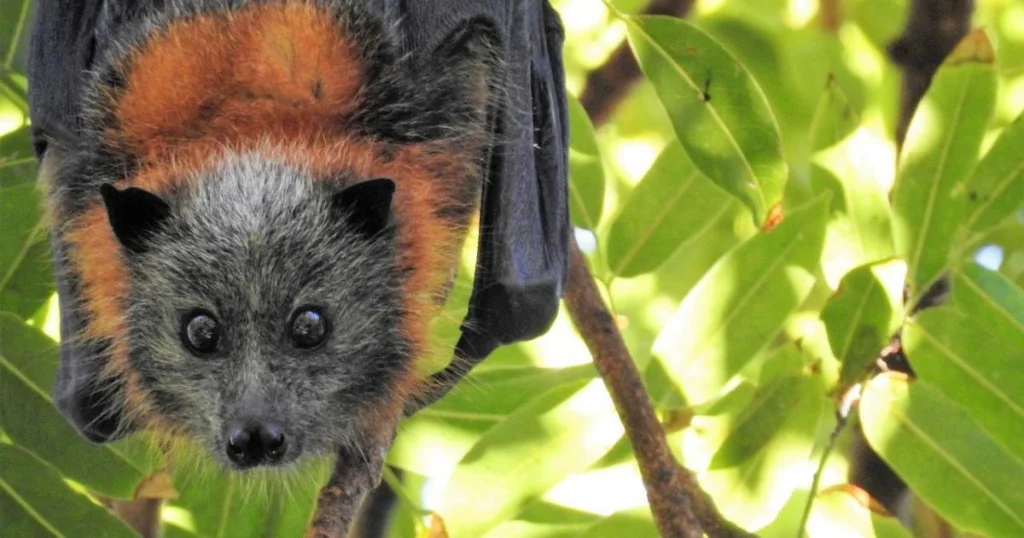
Fruit bats, also known as flying foxes, play a vital role in tropical ecosystems as key seed dispersers and pollinators. They target soft, young coconuts that have been opened by weather damage or larger forest animals.
Using their sharp claws, they latch onto palm fronds and lap up rich coconut water and tender pulp during night flights. Their semiaquatic tropical habitats sometimes overlap with river ecosystems where animals that look like otters reside nearby.
Coconut Weevils
- Scientific name: Rhynchophorus ferrugineus
- Class: Insecta
- Diet: Herbivore
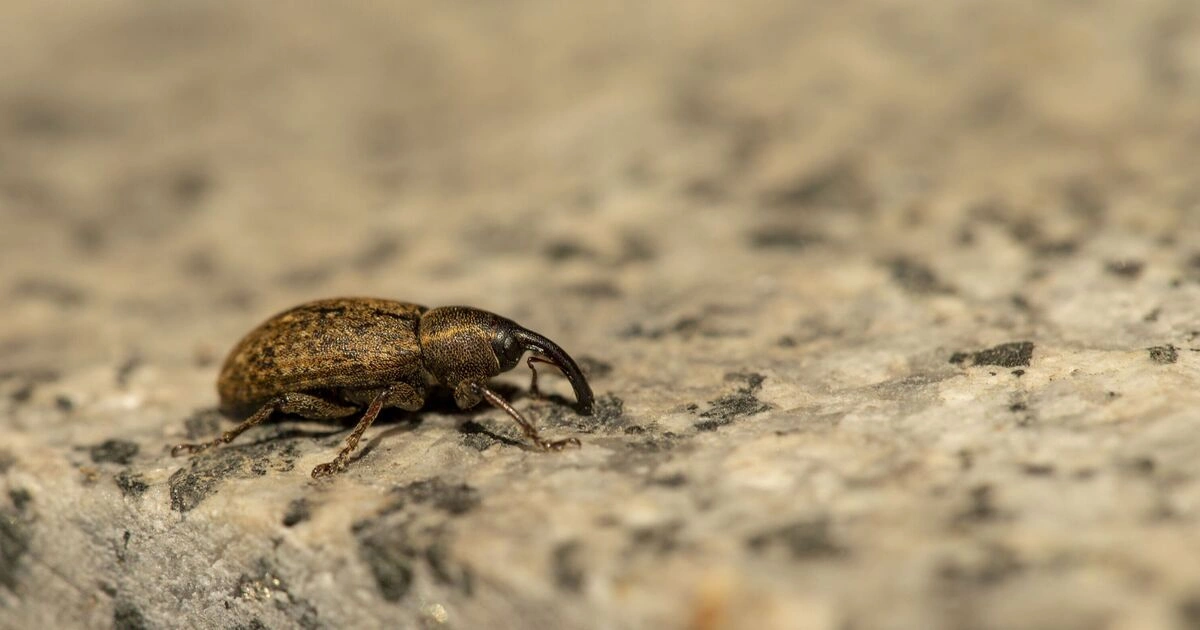
The coconut weevil, also known as the red palm weevil, is a destructive pest that infests palm plantations. Adult females lay eggs inside the soft stem tissues and young coconut husks, where the larvae hatch and begin feeding.
The developing grubs burrow deep into the interior tissues, consuming the soft coconut flesh and fibrous material from within. This internal feeding activity hollows out developing fruits and severely compromises the overall health of the tree.
Crows
- Scientific name: Corvus
- Class: Aves
- Diet: Omnivore
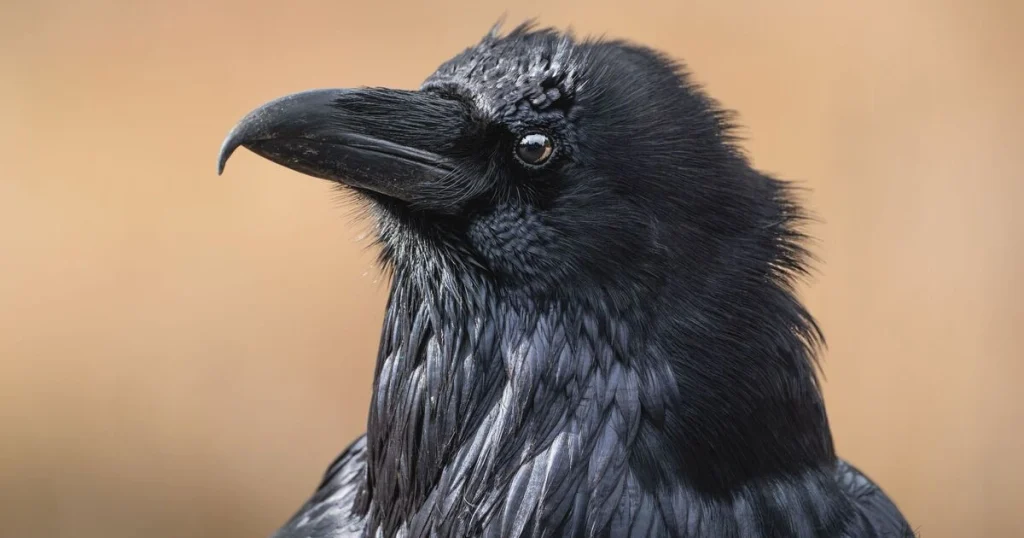
Crows are exceptionally resourceful birds that frequently forage near coastal markets, beaches, and tropical orchards. While they cannot breach an intact mature coconut, they eagerly gather around split shells left open by humans or other animals.
Using their strong, pointed beaks, crows pick off remaining bits of fat-rich coconut meat and drink leftover water. Their remarkable intelligence allows them to monitor other creatures and snatch coconut morsels as soon as an opening appears.
Humans
- Scientific name: Homo sapiens
- Class: Mammalia
- Diet: Omnivore

Humans are the primary consumers of coconuts globally, utilizing the fruit for water, milk, oil, and raw meat. Using specialized tools like machetes and husking spikes, humans easily bypass the tough shell to harvest interior contents.
Coconut cultivation supports major global industries ranging from culinary products to cosmetics and textiles. Human consumption spans thousands of years, making the coconut a staple crop across coastal tropical regions worldwide.
Coconut Crabs
- Scientific name: Birgus latro
- Class: Malacostraca
- Diet: Omnivore
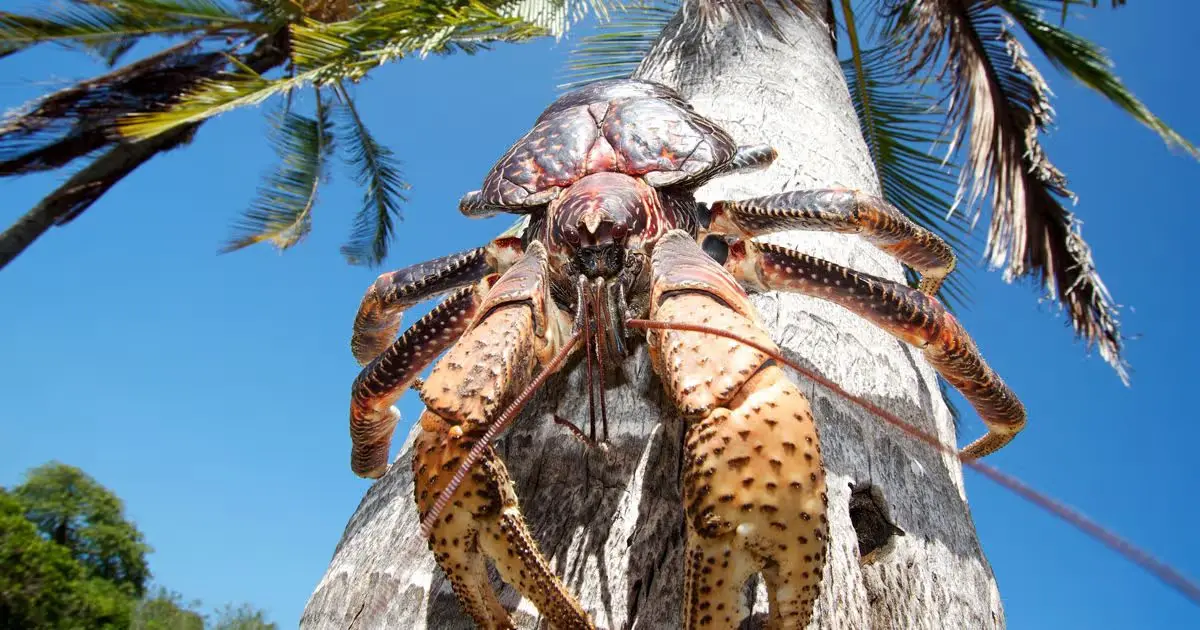
The coconut crab is the largest land-living arthropod in the world and is famous for its specialized feeding habits. Armed with massive, powerful pincers, this giant crustacean can exert enough force to strip husk fibers and crack hard shells.
They regularly climb palm trees to drop coconuts to the ground or scavenge fallen fruits along island beaches. Their ability to open fully mature coconuts makes them the undisputed specialist among coconut-eating animals.
Conclusion
Coconuts serve as a valuable source of nutrition and hydration for a wide range of terrestrial and avian species. From small rodents and insects to massive elephants and specialized crustaceans, animals have adapted unique ways to access this tough tropical fruit.
Understanding these feeding behaviors offers fascinating insights into how coastal wildlife adapts to rich natural resources.
FAQs
Can Dogs Safely Eat Coconut Meat?
Yes, dogs can eat small amounts of plain coconut meat safely as an occasional treat. Coconut contains healthy fatty acids, but excessive amounts can cause digestive upset or diarrhea due to its high fat content.
Which Animal is Most Famous for Cracking Coconuts?
The coconut crab (Birgus latro) is the most famous animal for this behavior. It uses its incredibly strong claws to husk and crush solid coconuts without relying on tools or other animals.
Do Birds Eat Coconuts in the Wild?
Yes, birds like the palm cockatoo can crack smaller coconuts with their powerful beaks. Other birds, such as mynas and crows, opportunistically feed on open coconuts left behind by larger animals.