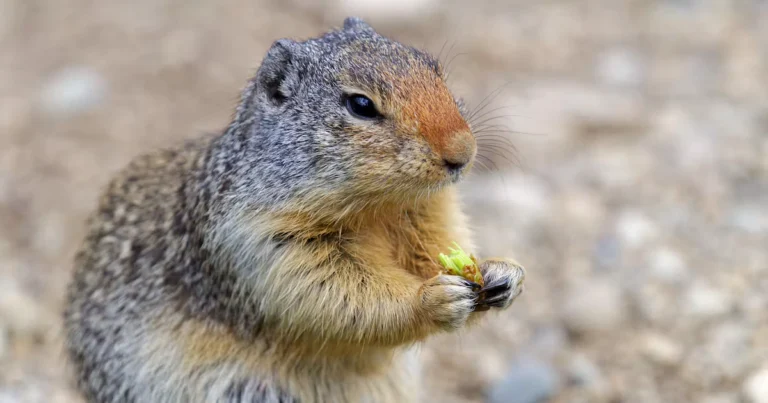
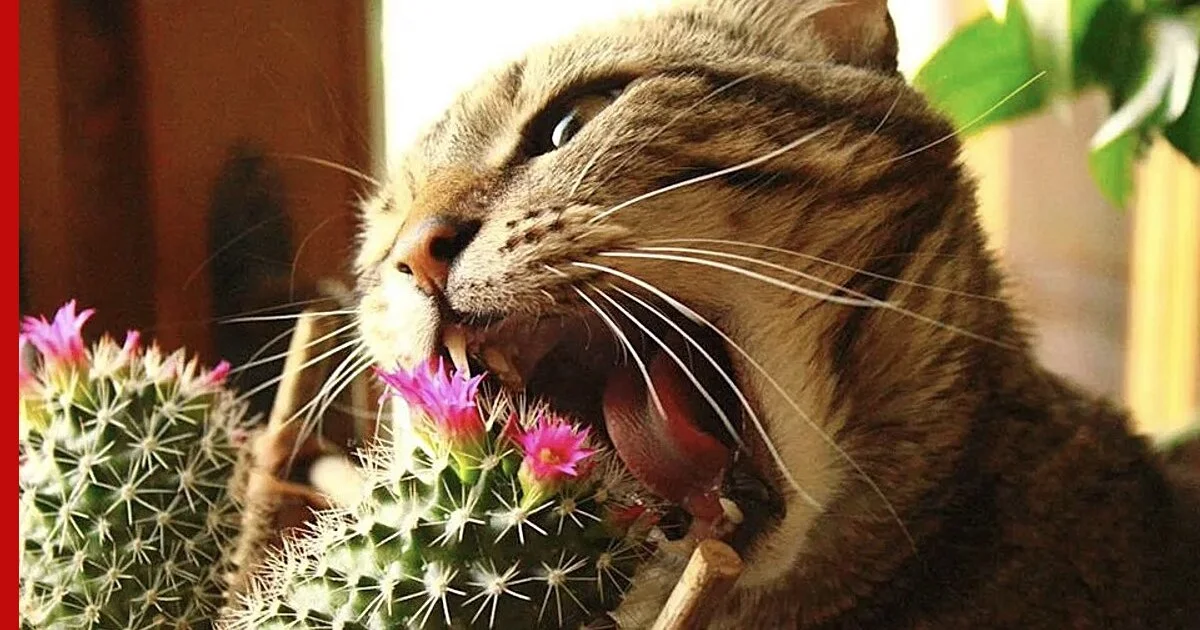
Top 14 Animals That Eat Cactus (With Images)
Desert ecosystems present harsh environments where water and food are extremely scarce for resident wildlife species.
Cacti store vast reserves of moisture and nutrients, making them a target for specialized desert species. Below, we examine the main species adapted to consuming these spiky plants.
List of Animals That Eat Cactus
Here is the complete list of all 20 animals mentioned in the article that eat cactus:
- Bighorn Sheep (Ovis canadensis)
- Galápagos Tortoise (Chelonoidis niger)
- Kangaroo Rat (Dipodomys)
- Camel (Camelus dromedarius)
- Desert Iguana (Dipsosaurus dorsalis)
- Javelina (Pecari tajacu)
- Prairie Dog (Cynomys)
- Pronghorn Antelope (Antilocapra americana)
- Squirrel (Sciuridae)
- Cactus Wren (Campylorhynchus brunneicapillus)
- Mule Deer (Odocoileus hemionus)
- Desert Cottontail Rabbit (Sylvilagus audubonii)
- Pack Rat (Neotoma)
- Desert Tortoise (Gopherus agassizii)
- Gila Monster (Heloderma suspectum)
- Desert Woodrat (Neotoma lepida)
- American Black Bear (Ursus americanus)
- Feral Donkey (Equus asinus)
- Grant’s Gazelle (Nanger granti)
- Coyote (Canis latrans)
Bighorn Sheep
- Scientific Name: Ovis canadensis
- Class: Mammalia
- Diet: Herbivore
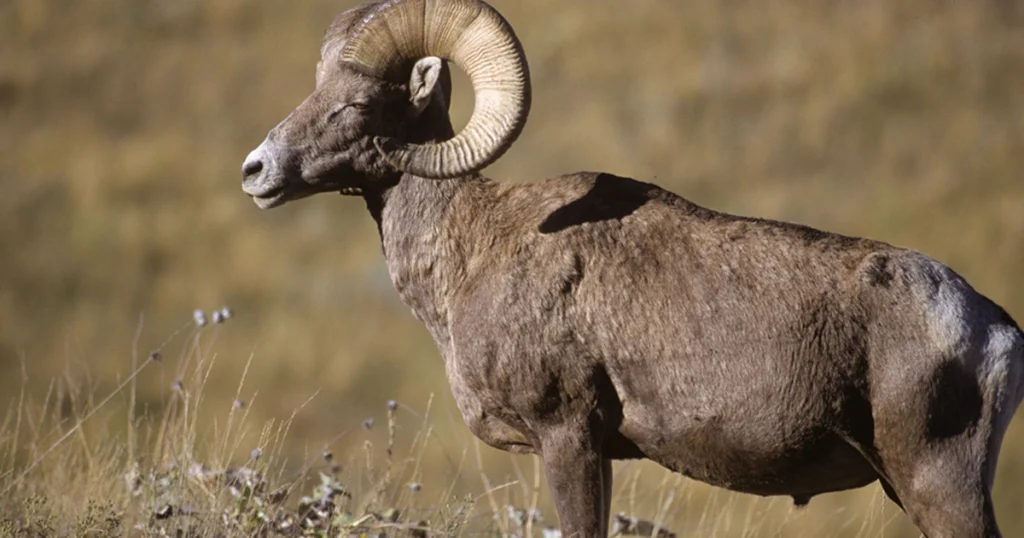
Bighorn sheep use their sharp hooves to break open spiky barrel cacti and reach the moisture inside. Their tough mouth linings protect them against sharp spines while chewing succulent stem tissue. These heavy mammals depend heavily on prickly plants to stay hydrated during extreme desert heatwaves.
In addition to barrel species, these rugged mammals also graze on tender prickly pear pads when seasonal grasses dry up. Grazing on desert succulents allows them to range across steep, rocky terrain far away from open freshwater sources. This diet provides vital minerals that support their overall health and strong horn development.
Galápagos Tortoise
- Scientific Name: Chelonoidis niger
- Class: Reptilia
- Diet: Herbivore
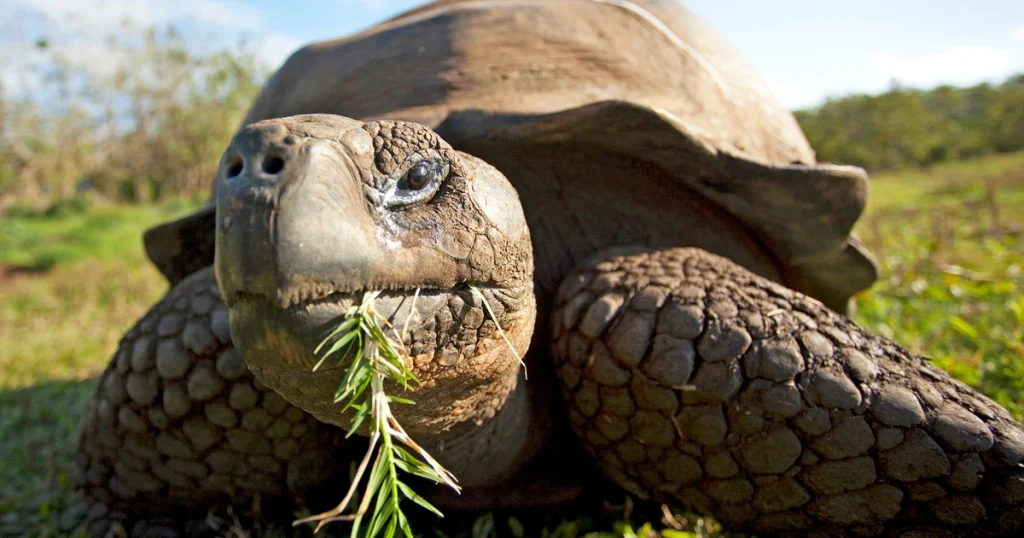
Galápagos tortoises feed extensively on prickly pear pads and fallen yellow blossoms throughout their island habitats. Their thick beak-like jaws crush spines easily without causing internal injury or irritation during digestion. These massive reptiles get most of their daily water supply directly from juicy cactus pads.
During dry seasons, these giant reptiles actively search near tree-like opuntia species for freshly fallen pads. Consuming these hydrated plants allows them to endure months without drinking liquid surface water directly. Their slow digestive system maximizes energy extraction from fibrous plant material over several days.
Kangaroo Rats
- Scientific Name: Dipodomys
- Class: Mammalia
- Diet: Granivore / Omnivore
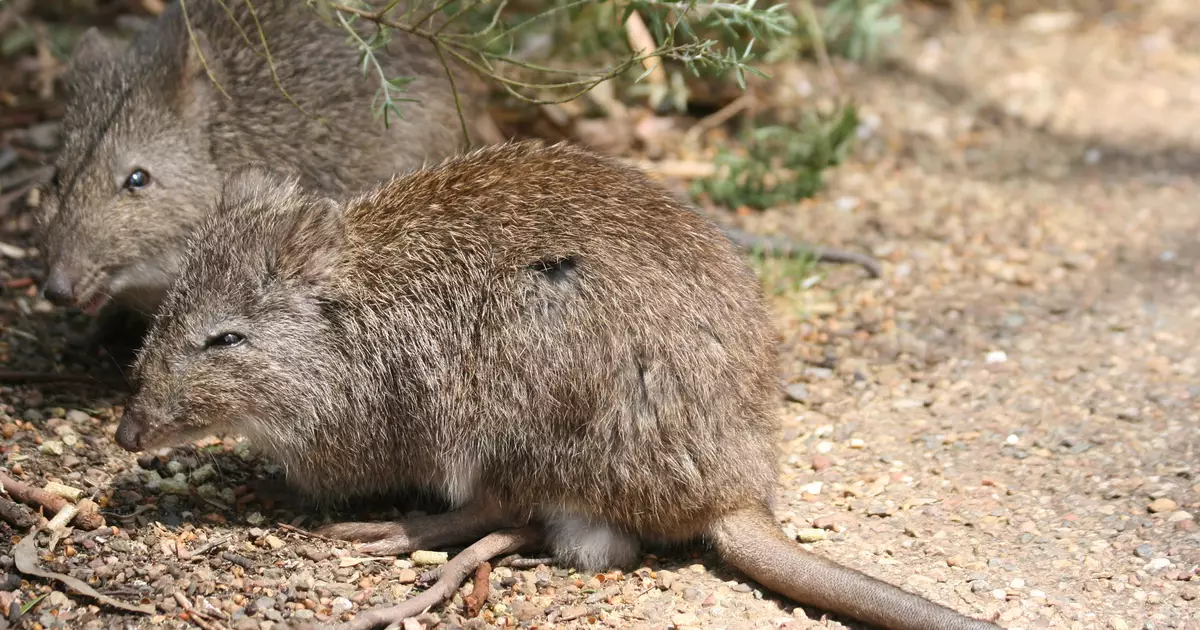
Kangaroo rats gather succulent cactus tissue and seeds to meet their daily hydration needs in dry regions. Unlike larger creatures, these small rodents consume small flesh bits while carefully avoiding sharp exterior spines. Much like some animals that look like squirrels, they store harvested plant pieces inside underground burrows for later.
Their specialized physiology allows them to convert moisture from desert plants into vital water internally. By harvesting pulp during cooler nighttime hours, they minimize water loss caused by scorching day heat. Storing plant parts below ground keeps their food supply cool and humid for extended periods.
Camels
- Scientific Name: Camelus dromedarius
- Class: Mammalia
- Diet: Herbivore
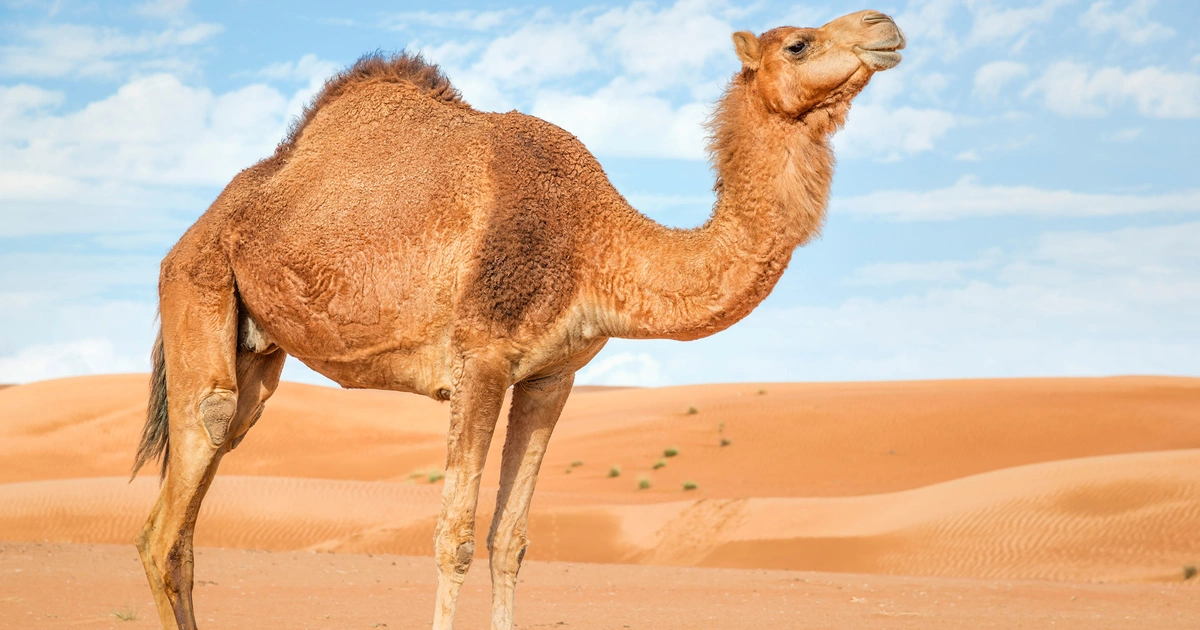
Camels possess hard papillae lining their mouth cheeks, allowing them to chew sharp spines effortlessly. Their strong jaws grind tough plant fibers down into smooth pulp before safe ingestion occurs. Consuming spiky vegetation provides these large mammals with necessary hydration across dry, arid desert environments.
These resilient desert giants regularly feast on thick thorny pads during long journeys across dry terrain. Their split upper lip works adeptly to manipulate spiky stems without getting pricked by needles. This specialized diet allows them to traverse vast distances without stopping at rare desert oases.
Desert Iguana
- Scientific Name: Dipsosaurus dorsalis
- Class: Reptilia
- Diet: Herbivore
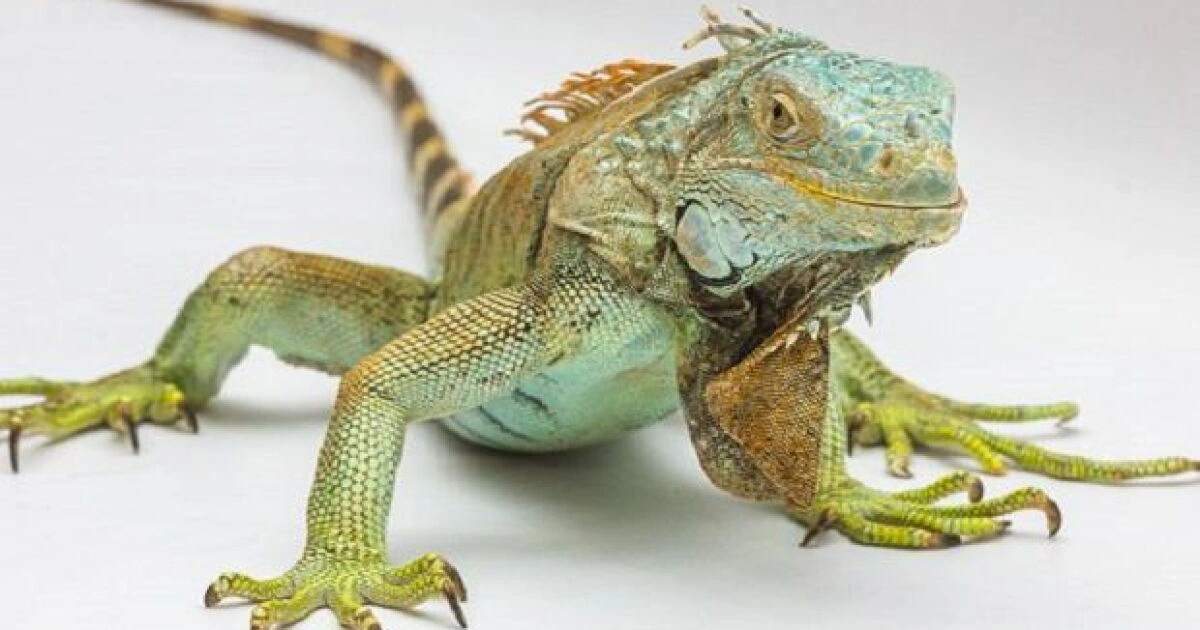
Desert iguanas feed on soft yellow buds, fruit, and tender flesh of various desert plants. They scale tall succulents effortlessly to feast on high-growing flowers during dry summer months. Their small, serrated teeth tear tender plant tissue without getting pierced by sharp surrounding needles.
These thermophilic reptiles remain active during high midday heat when other animals seek cooler shade. Browsing on moisture-laden blossoms supplies them with critical hydration when puddle water is entirely absent. Eating colorful flowers also gives them energy to avoid predators and defend their desert territories.
Javelinas
- Scientific Name: Pecari tajacu
- Class: Mammalia
- Diet: Omnivore
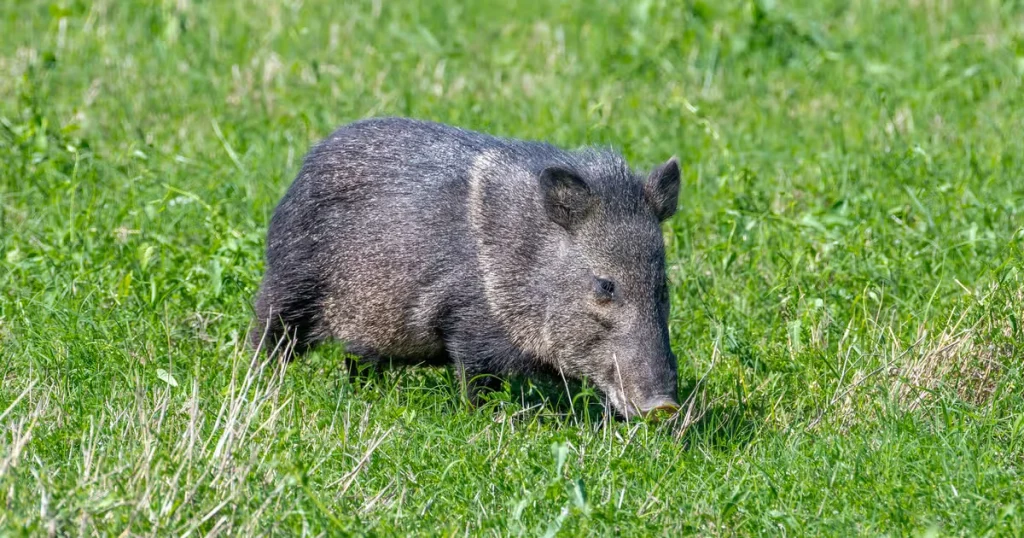
Javelinas use their tough snouts to scrape sharp spines off prickly pear pads before eating. Their thick stomach linings easily digest fibrous pads, seeds, and sharp spines without internal injury. Prickly pear forms a major part of their daily diet in dry southwestern habitats.
Small herds roam desert landscapes daily in search of dense patches of fleshy green pads. Their sharp tusks help them slice open thick plant bases to access tender, watery cores. This consistent foraging routine ensures the entire herd remains hydrated through prolonged desert dry spells.
Prairie Dogs
- Scientific Name: Cynomys
- Class: Mammalia
- Diet: Herbivore
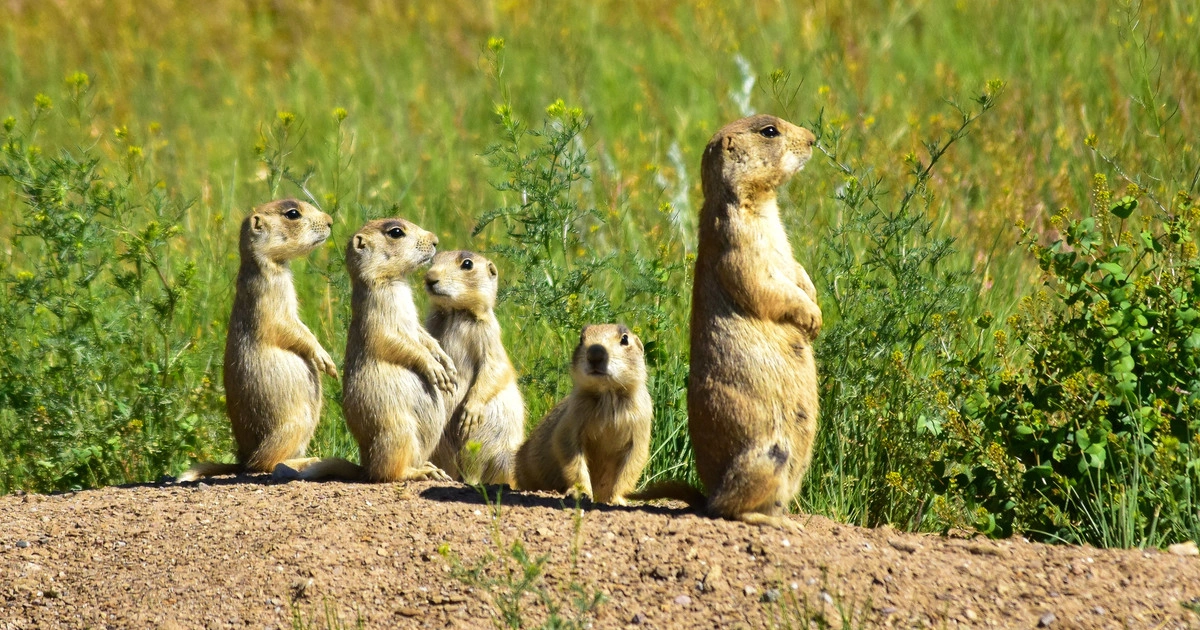
Prairie dogs clip low-growing prickly pads near burrow entrances to keep clear lines of sight. They feed on succulent flesh, roots, and bright fruits for hydration during scorching drought periods. Their sharp incisors pare away dangerous outer needles before nibbling the moist inner pulp.
Clearing tall spiky growth around underground towns protects these social rodents from approaching land predators. Eating these moisture-rich roots provides liquid nourishment without forcing them to leave their burrows. This clever foraging habit allows large prairie dog colonies to thrive in arid grasslands.
Pronghorn Antelope
- Scientific Name: Antilocapra americana
- Class: Mammalia
- Diet: Herbivore
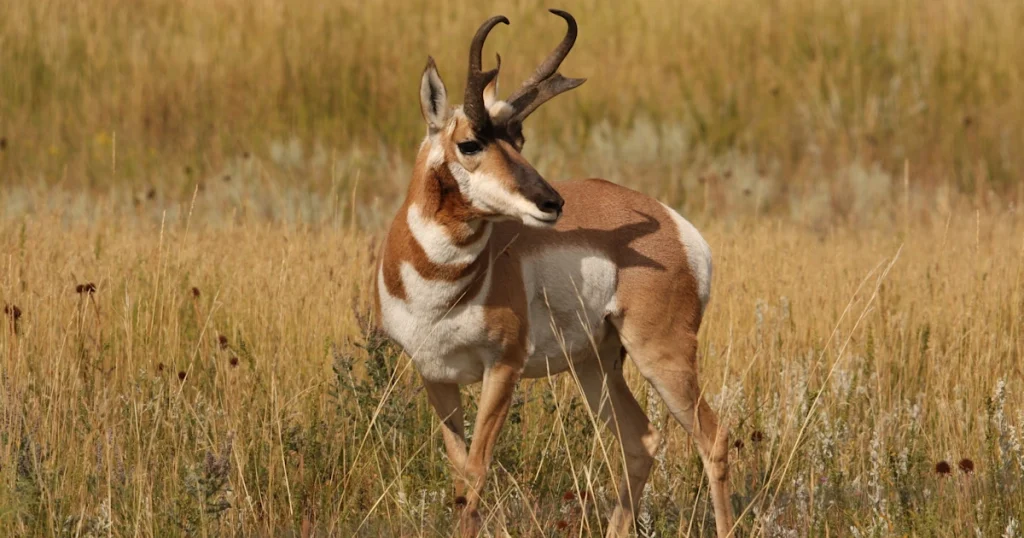
Pronghorn antelopes consume prickly pear pads when grass choices become scarce during dry summer seasons. Their specialized digestive system breaks down tough plant material, extracting essential moisture and nutrients efficiently. These swift mammals use their hooves to stomp away sharp needles prior to feeding.
By removing stiff needles first, they minimize throat irritation while swallowing fibrous succulent tissue pieces whole. This seasonal diet transition protects them from starvation when summer heat dries up prairie grasses. Accessing plant water enables pronghorns to maintain impressive running speeds across open desert plains.
Squirrels
- Scientific Name: Sciuridae
- Class: Mammalia
- Diet: Omnivore
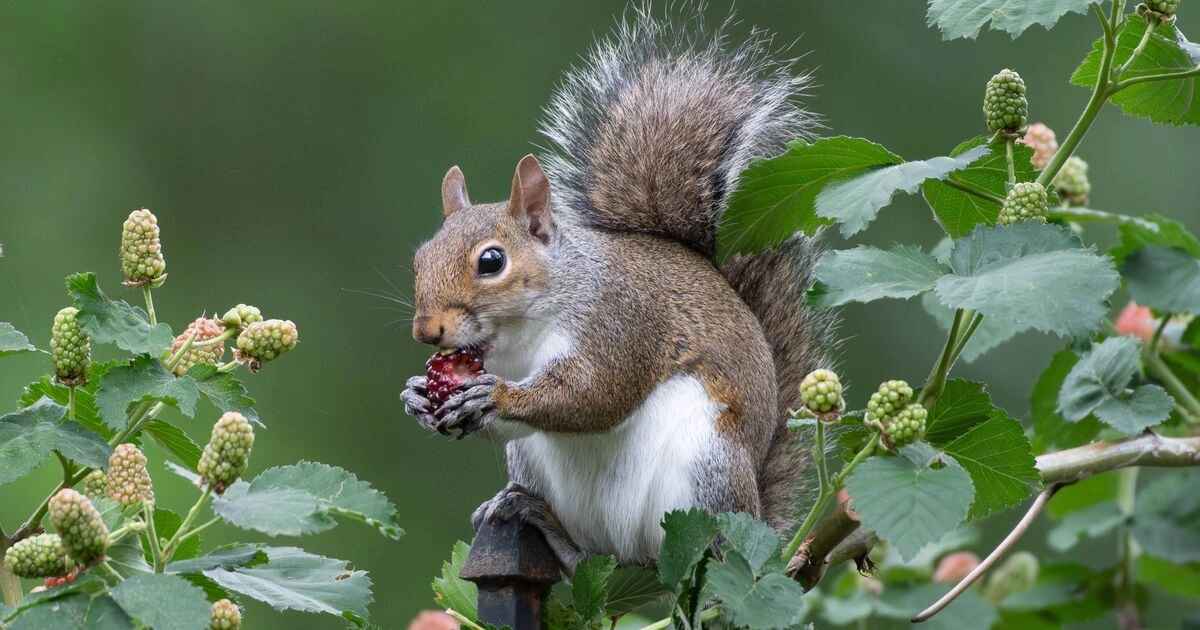
Desert squirrels harvest bright red cactus fruit to obtain vital nutrients, seeds, and water content. Much like subterranean foragers or scavenger animals, they scavenge opportunistic foods across harsh landscapes. They carefully peel away prickly skin using nimble paws before consuming sweet pulp inside.
Their keen sense of smell guides them to ripe, fallen fruits scattered around plant bases. They store collected seeds in shallow soil caches to ensure future food supplies during winter. This opportunistic feeding strategy helps desert squirrels meet energy needs throughout harsh environmental changes.
Cactus Wren
- Scientific Name: Campylorhynchus brunneicapillus
- Class: Aves
- Diet: Omnivore
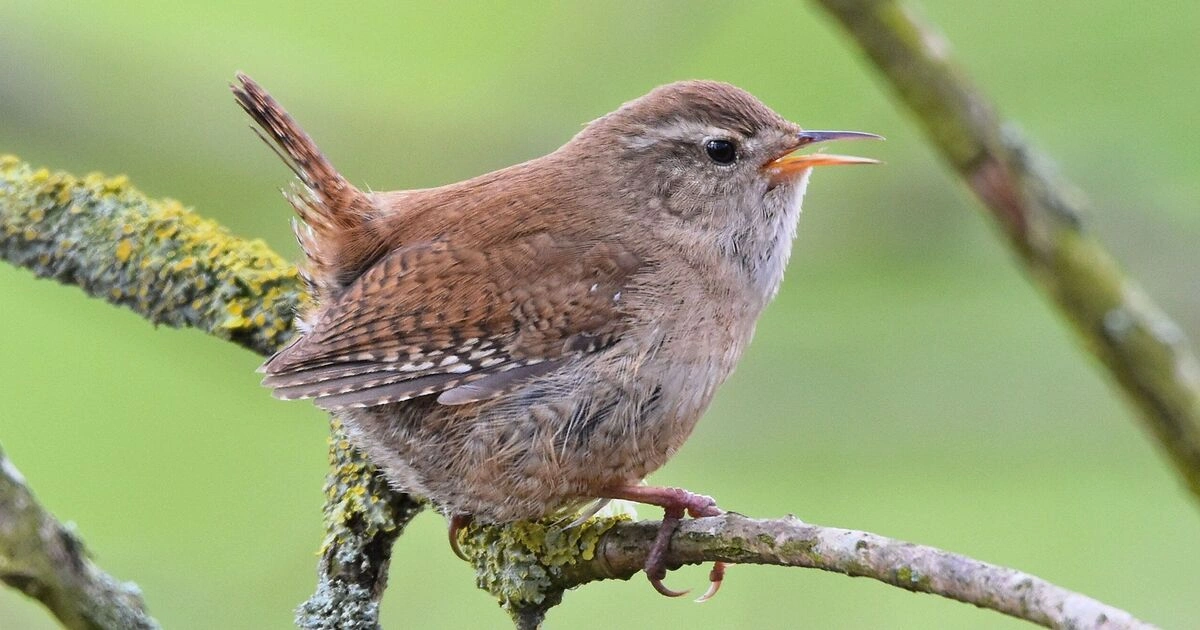
Cactus wrens peck at juicy red cactus fruits to obtain moisture and hidden insects inside. They build protective nests between sharp cholla spines to keep their eggs safe from predators. Their long, curved beaks extract seeds and fruit tissue safely without touching needle tips.
These active desert birds forage across spiky branches early every morning for nectar and pulp. Consuming fruit tissue reduces their dependence on open water holes where stealthy predators often lurk. Nesting inside prickly plants gives their vulnerable offspring an exceptionally safe nursery environment.
Mule Deer
- Scientific Name: Odocoileus hemionus
- Class: Mammalia
- Diet: Herbivore
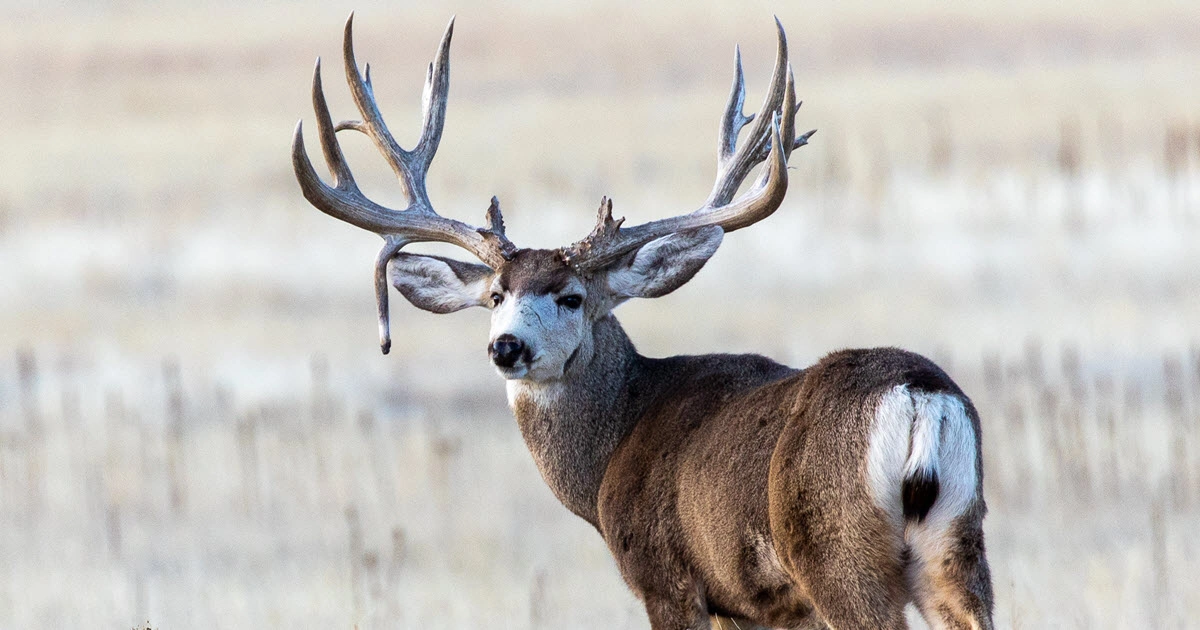
Mule deer rely on succulent desert vegetation for essential water when natural streams dry up completely. They carefully bite around dense clusters of needles to access tender green stem tissues underneath. Their tough tongues and palates prevent sharp punctures while chewing fibrous desert flora daily.
During intense heatwaves, herds migrate toward dry washes containing dense stands of hydration-rich succulents. Nibbling soft growing tips delivers important sugars alongside life-sustaining liquid content directly to their stomachs. This dietary flexibility allows mule deer populations to survive in regions with minimal rainfall.
Rabbits
- Scientific Name: Sylvilagus audubonii
- Class: Mammalia
- Diet: Herbivore
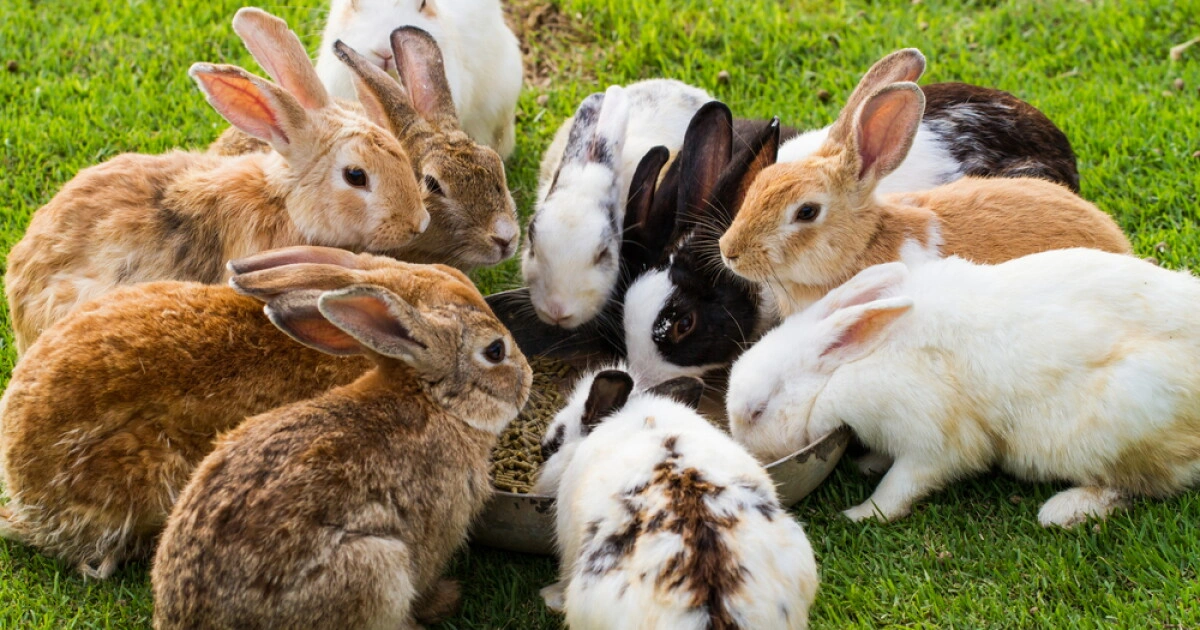
Desert cottontail rabbits nibble low-hanging succulent pads to gain moisture during long periods of drought. Their sharp front teeth strip outer needle layers cleanly away from soft green tissue. Consuming hydrated plant stems allows these small mammals to survive without direct water access.
Rabbits actively forage near prickly vegetation thickets to maintain close access to protective cover. Eating succulent flesh provides both solid nutrients and fluids in a single efficient meal. This habit helps them remain healthy and energetic while dodging agile desert predators daily.
Pack Rats
- Scientific Name: Neotoma
- Class: Mammalia
- Diet: Herbivore
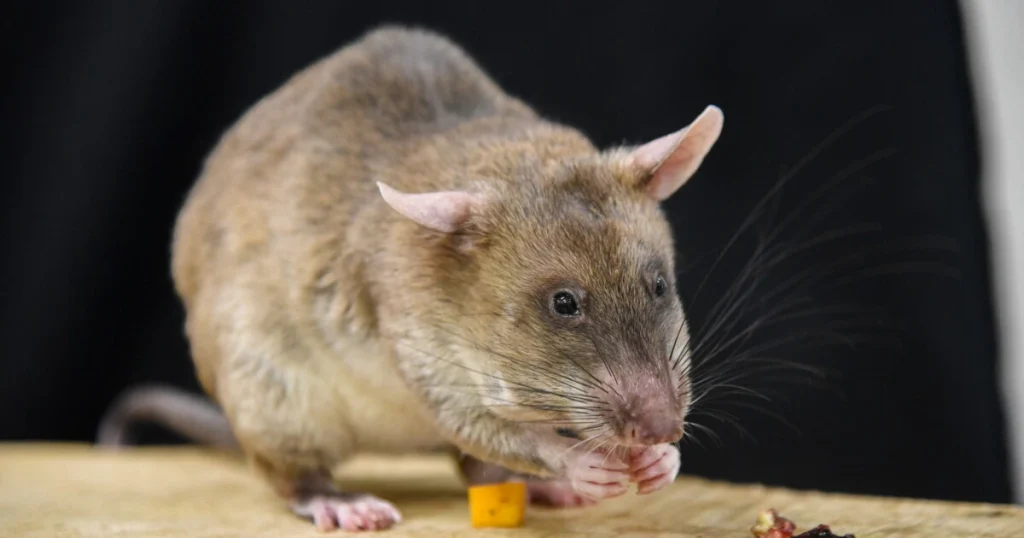
Pack rats consume large quantities of prickly pear pads to satisfy their overall fluid needs. They also build protective nests around burrows using sharp cactus joints to deter hungry predators. Interestingly, despite being rodent relatives, they don’t feature among the animals with lowest IQ due to their complex nest-building instincts.
These rodents clip smaller spiky joint sections using their razor-sharp teeth with impressive skill. Piling spiky branches around entrance tunnels keeps coyotes and snakes away from their nurseries. Eating moist pad interiors ensures they stay hydrated without leaving their fortified homes.
Desert Tortoises
- Scientific Name: Gopherus agassizii
- Class: Reptilia
- Diet: Herbivore
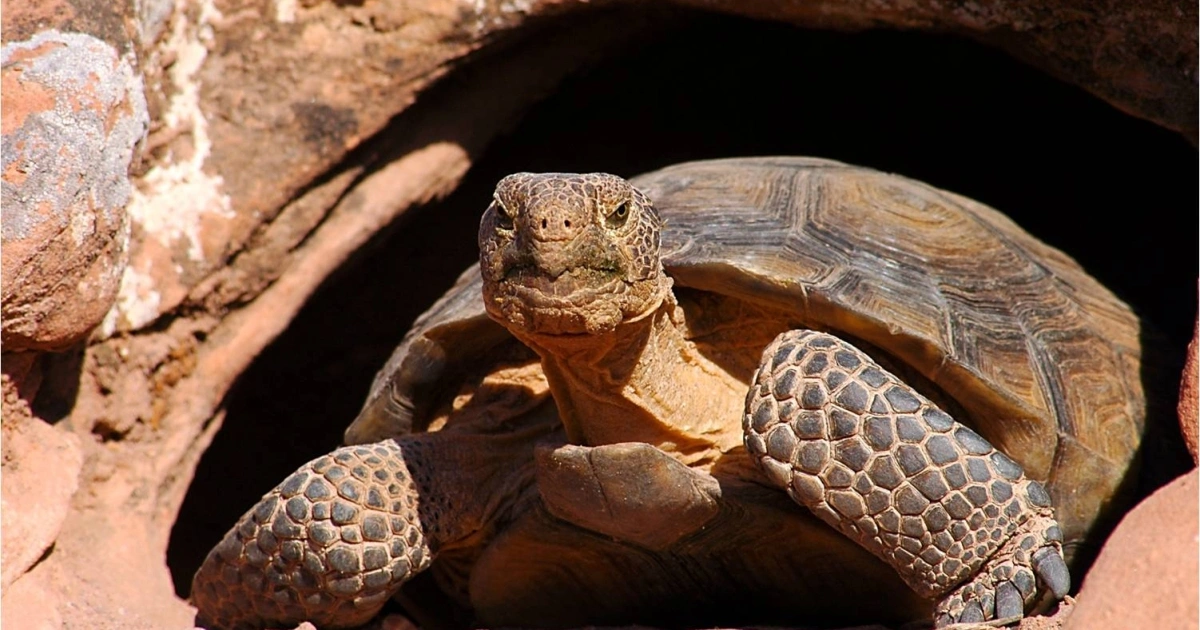
Desert tortoises consume prickly pear fruits and flowers to build water reserves inside their bodies. Their heavy beak scrapes off protective needles before swallowing sweet, nutrient-rich pad pieces whole. This essential feeding habit allows them to remain dormant underground throughout extreme heat periods.
Hydration extracted from seasonal desert fruits is safely stored inside their bladder for months. During severe droughts, they rely entirely on these internal reserves while sheltering in deep burrows. Eating colorful blossoms also supplies necessary vitamins before long periods of summer inactivity.
Gila Monsters
- Scientific Name: Heloderma suspectum
- Class: Reptilia
- Diet: Carnivore / Opportunistic
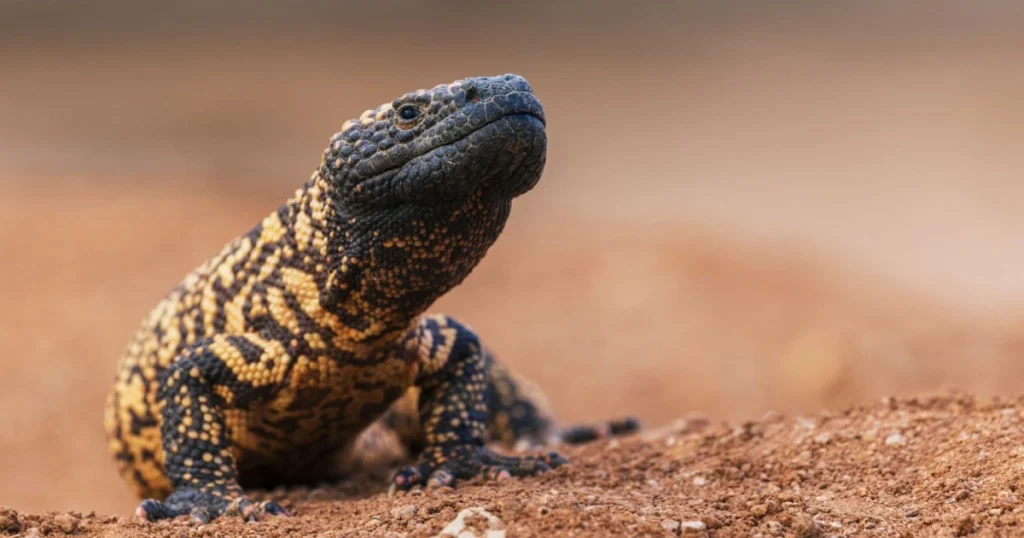
Gila monsters occasionally consume juicy cactus fruit and flowers to absorb additional fluid reserves during droughts. While primarily preying on eggs and small animals, they utilize desert plants for survival hydration. Their distinctive skin patterns rival the markings seen on animals that have spots across arid environments.
Eating fallen desert fruits provides these heavy lizards with extra moisture during hot summer months. This supplemental plant food helps sustain their energy levels when animal prey is scarce. Their tough, pebbled hide shields them from accidental spine pricks while searching for food.
Desert Woodrats
- Scientific Name: Neotoma lepida
- Class: Mammalia
- Diet: Herbivore
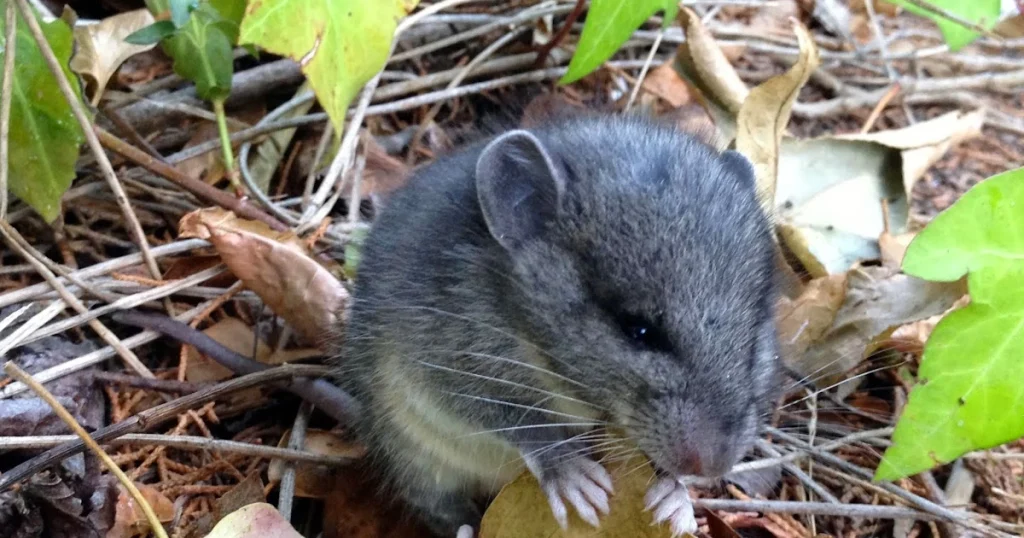
Desert woodrats consume succulent vegetation to process metabolic moisture while living in hyper-arid zones. Their bodies handle high oxalic acid levels found in spiky pad tissue without kidney damage. They clip fleshy joints carefully and carry them inside burrows for safe daily consumption.
Storing moist succulent pads inside deep dens protects their food supply from intense sun. Consuming these hydrated tissues allows woodrats to thrive in desert locations completely devoid of free water. Their unique renal adaptation efficiently filters out plant toxins during digestion.
American Black Bears
- Scientific Name: Ursus americanus
- Class: Mammalia
- Diet: Omnivore
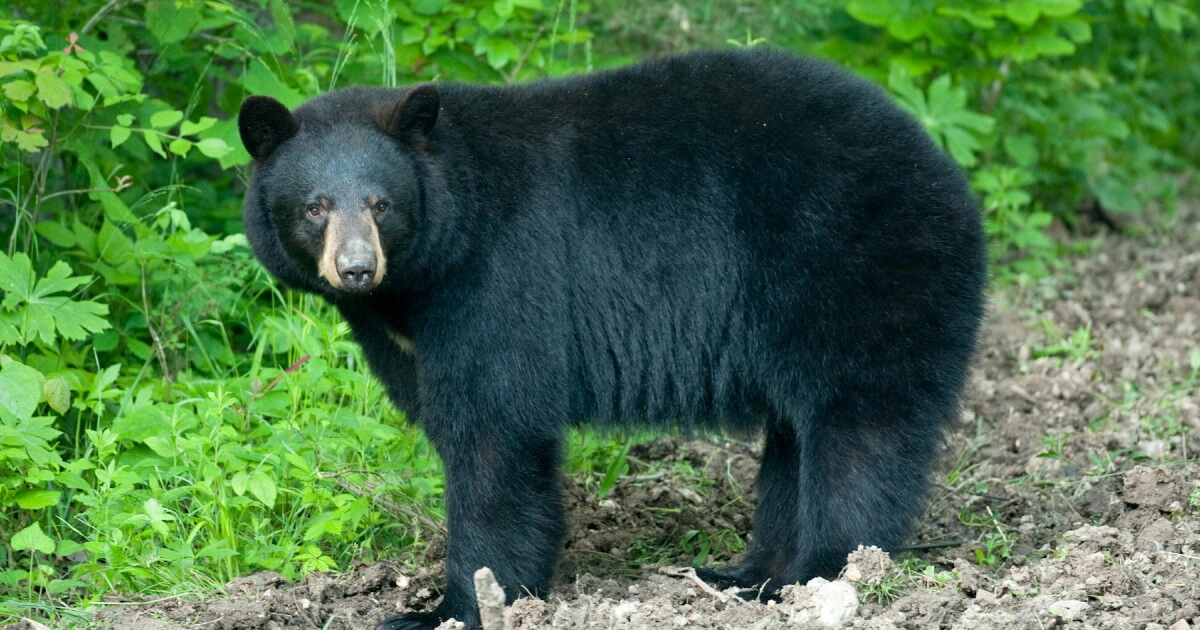
Black bears in arid southwestern habitats actively seek out ripe, sweet prickly pear fruits. They crush whole fruits using flat molars, easily digesting sweet pulp alongside small seeds. Their thick facial hide protects them from getting stung by tiny glochid bristles.
Feasting on abundant desert fruit patches allows bears to accumulate vital fat reserves before winter. They often travel long distances down mountain slopes specifically to locate ripe prickly pear patches. Digesting these sugar-rich fruits gives them essential energy when traditional forest foods dry up.
Feral Donkeys
- Scientific Name: Equus asinus
- Class: Mammalia
- Diet: Herbivore
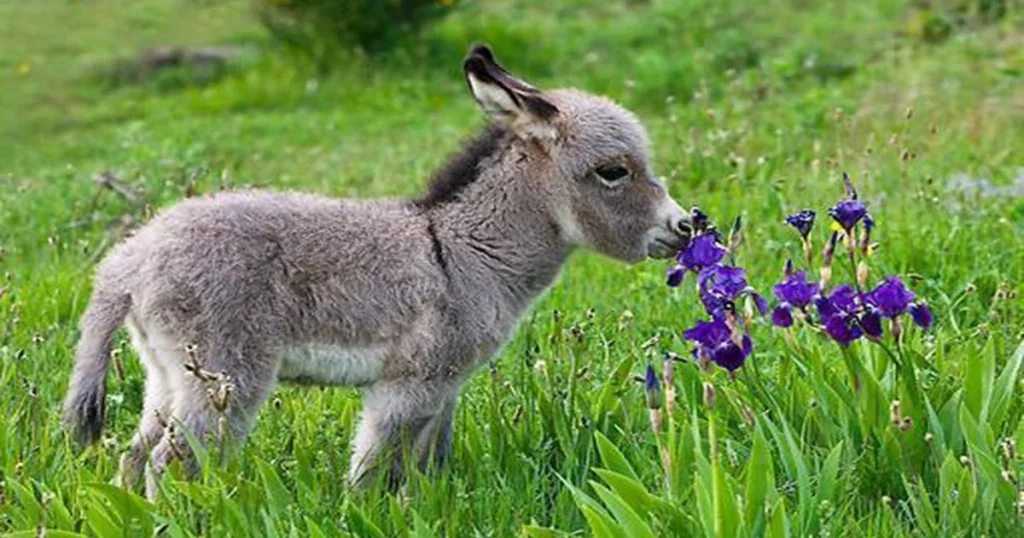
Feral donkeys use their heavy hooves to stomp and break open large barrel cacti. Once smashed open, they consume moist inner pulp safely using hard, thick labial pads. This behavior provides essential water that keeps herds hydrated across hot, remote deserts.
Breaking open large desert succulents often creates water feeding stations for smaller wildlife species. Donkeys regularly return to known plant patches during dry seasons to obtain crucial moisture. Their powerful digestive systems process tough, fibrous plant material without metabolic distress.
Grant’s Gazelle
- Scientific Name: Nanger granti
- Class: Mammalia
- Diet: Herbivore
Grant’s gazelles browse succulent vegetation to maintain hydration without needing open water sources nearby. Their narrow muzzles allow them to pluck tender flesh between long, sharp protective spines. They process fibrous desert plants efficiently due to specialized ruminant digestive systems.
By feeding late at night, gazelles eat plant tissues when moisture content reaches its highest level. This nocturnal grazing habit enables them to inhabit dry open plains avoided by other herbivores. Their body efficiently conserves fluids derived from these spiky plant meals.
Coyotes
- Scientific Name: Canis latrans
- Class: Mammalia
- Diet: Omnivore
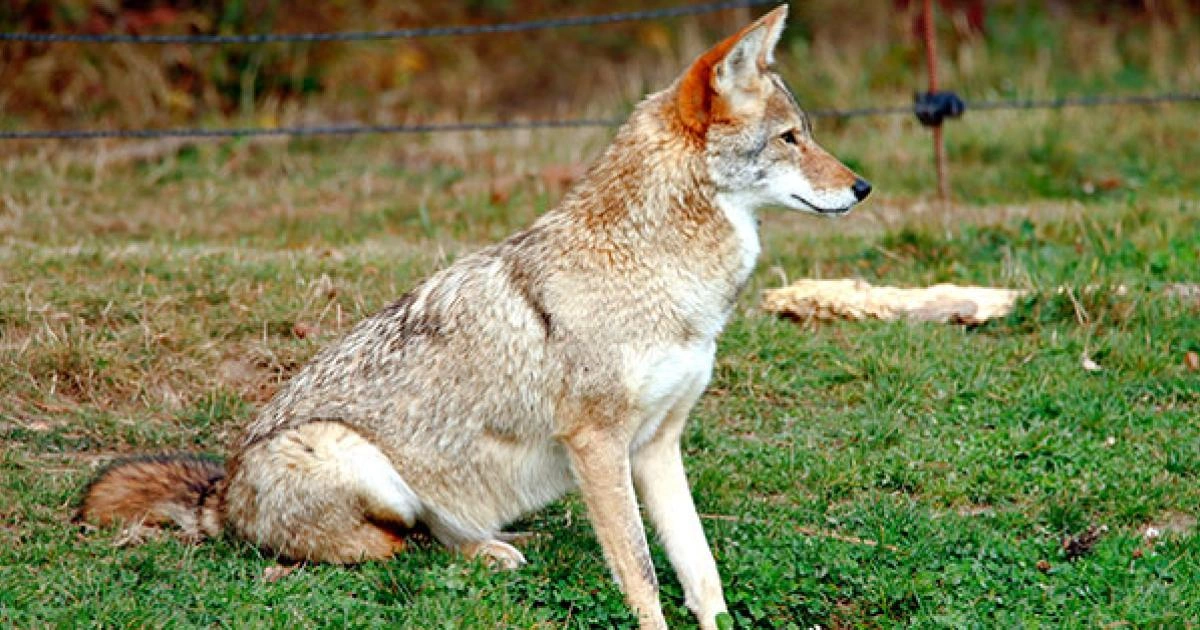
Coyotes frequently eat ripe prickly pear fruits during hot summer months when water becomes scarce. Though carnivores by classification, their flexible diet helps them survive extreme desert climate conditions. While aquatic mammals like animals that look like otters stay in water, coyotes turn to juicy desert plants for moisture.
Consuming abundant desert fruit helps coyotes stay hydrated without tracking scarce animal prey in extreme heat. Seeds pass through their digestive system unharmed, aiding the natural spread of desert plants. This dietary adaptability explains why coyotes thrive across diverse and challenging landscapes.
Final Words
Consuming desert succulents represents a vital survival strategy for many species inhabiting hot, dry landscapes worldwide.
From large mammals to small reptiles, specialized physical traits allow these animals to bypass sharp needles safely. Understanding how species thrive on spiky plants highlights the incredible adaptability of desert wildlife.
FAQs
How do Animals Eat Spiky Plants Without Getting Hurt?
Many desert species possess hard mouth linings, thick tongues, or specialized digestive tracts that withstand sharp needles. Others scrape needles off using hooves, paws, or sharp beaks before chewing soft inner tissue.
Why do Desert Species Target Cacti for Food?
These plants store massive amounts of water inside their thick stem pads during short rainy seasons. Animals consume them primarily to extract life-saving moisture and essential carbohydrates in dry habitats.
Can Livestock Eat Prickly Pear Safely?
Yes, cattle and goats can consume prickly pear, especially when farmers burn off sharp needles beforehand. Ranchers often utilize processed desert succulents as emergency feed supplies during severe agricultural droughts.