Top 30 Animals With Lowest IQ (With Pictures)
Understanding brain power across the animal kingdom reveals surprising adaptations for survival. While some creatures exhibit complex problem-solving abilities, others rely purely on instinct and simple nervous systems.
This complete guide examines the top 30 animals with lowest IQ and explores how these unique species thrive without advanced intelligence.
30 List of Animals With Lowest IQ
Here is the list of all these 30 animals:
- Koala
- Jellyfish
- Giant Panda
- Kakapo
- Flamingo
- Killdeer
- Norwegian Lemming
- Starfish
- Sloth
- Snail
- Turkey
- Jerboa
- Sea Cucumber
- Oyster
- Sea Sponge
- Flatworm
- Secretary Bird
- Coral
- Komodo Dragon
- Cane Toad
- Slug
- Ostrich
- Horned Lizard
- Slow Loris
- Goldfish
- Clam
- Barnacle
- Sea Urchin
- Gobble Turkey
- Manatee
Koalas
- Scientific Name: Phascolarctos cinereus
- Class: Mammalia
- Diet: Herbivore (Eucalyptus leaves)
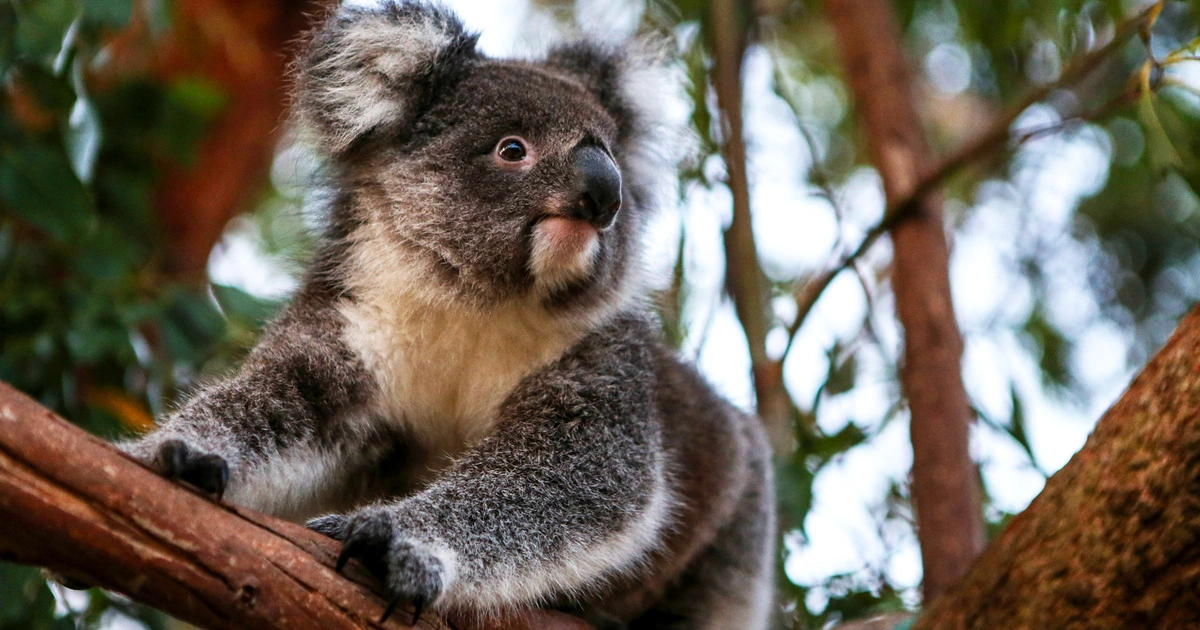
Koalas are widely recognized among the top 30 animals with lowest IQ due to their tiny brain-to-body mass ratio and smooth brain surface.
They rely entirely on hardwired instincts and struggle to recognize eucalyptus leaves if presented on a flat plate. Many researchers rank them high on the list of animals with lowest IQ because of their extremely low-energy lifestyle.
Jellyfish
- Scientific Name: Medusozoa
- Class: Scyphozoa / Hydrozoa / Cubozoa
- Diet: Carnivore (Plankton, small fish, larvae)
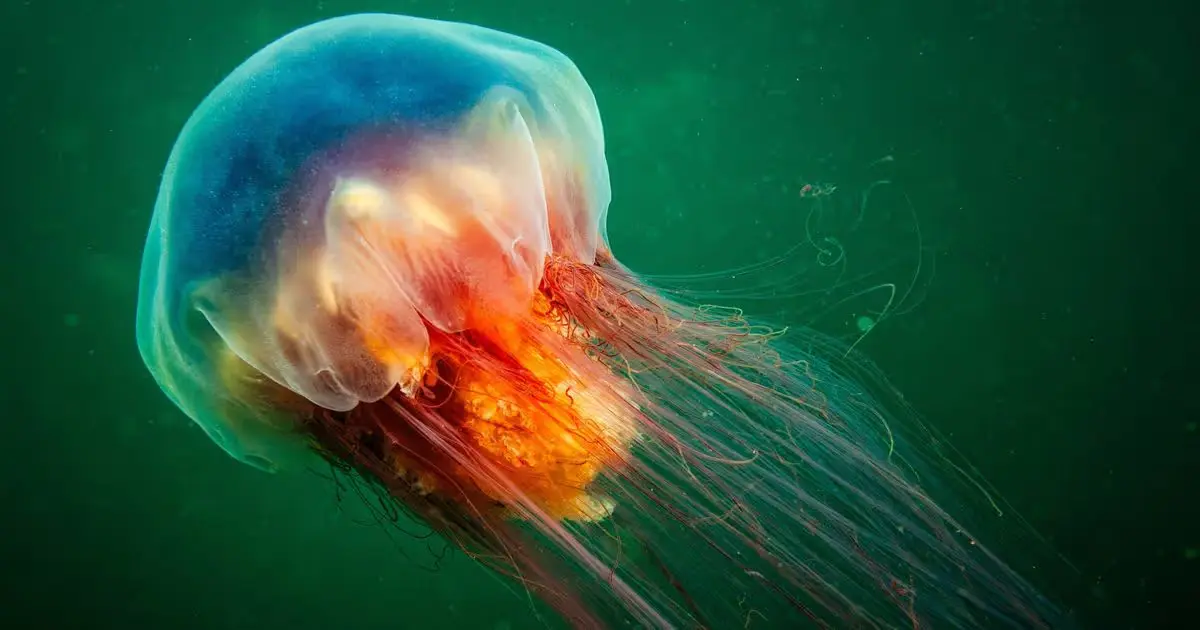
Jellyfish lack a centralized brain entirely, relying instead on a basic nerve net to sense environmental stimuli.
They drift along ocean currents and react automatically to touch or light without conscious decision-making capabilities. Their primitive structure places them firmly among the top 30 animals with lowest IQ in the marine world.
Pandas
- Scientific Name: Ailuropoda melanoleuca
- Class: Mammalia
- Diet: Herbivore (Primarily bamboo)
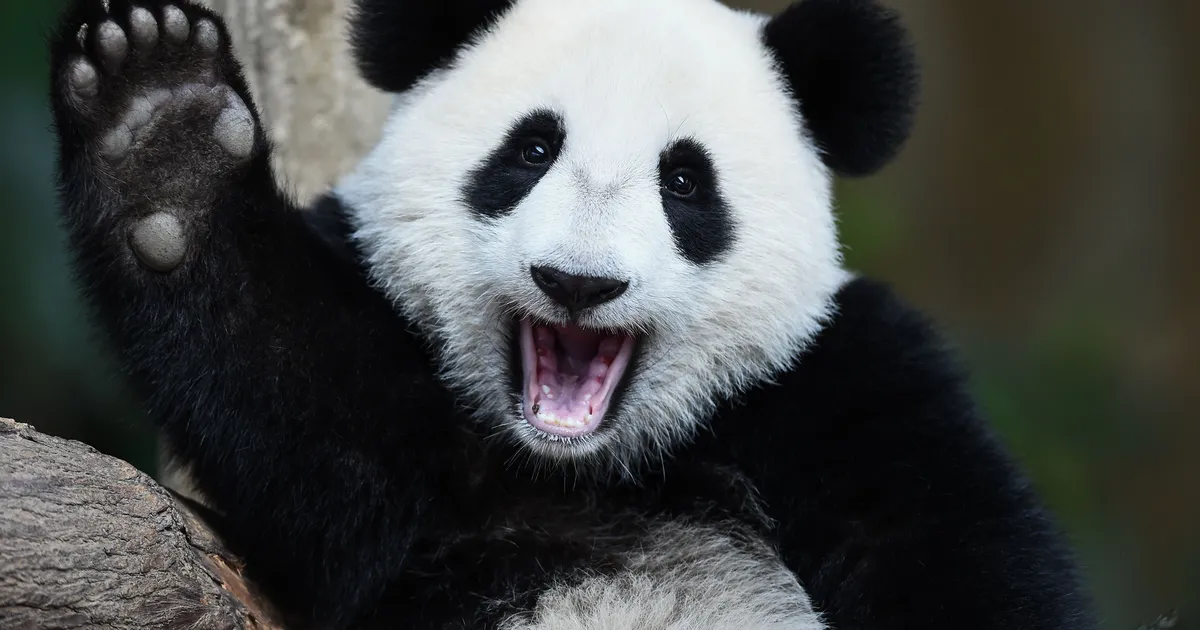
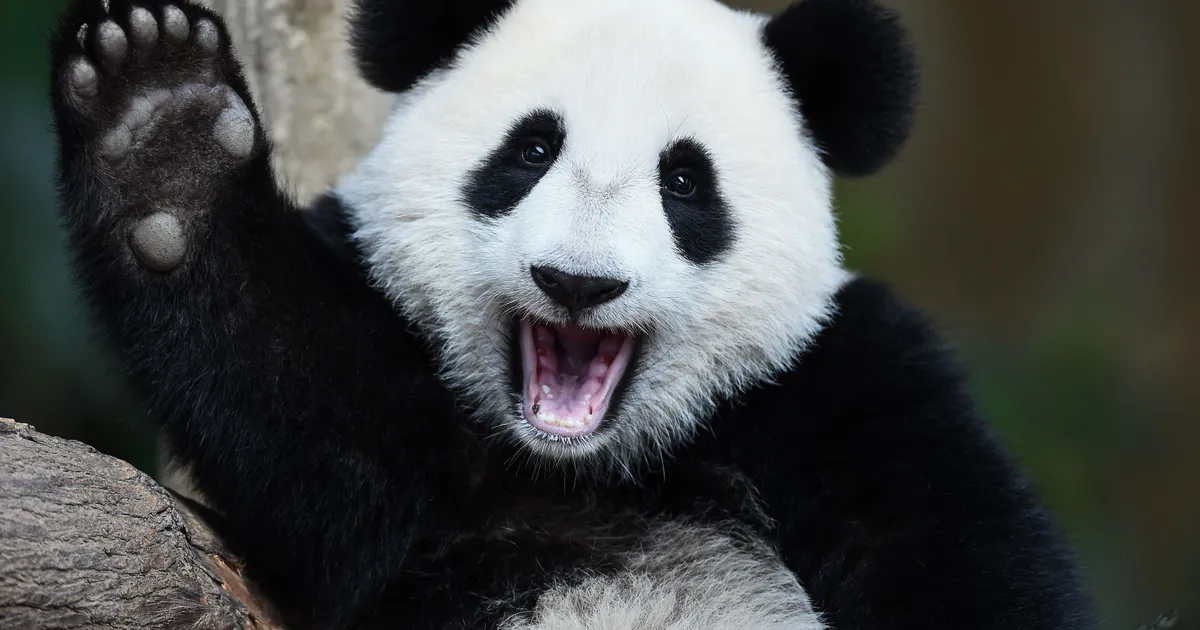
Giant pandas spend up to 12 hours a day consuming bamboo despite possessing a digestive system built for meat.
Their low-calorie diet limits metabolic activity and cognitive development, resulting in slow reaction times and low problem-solving skills. These factors frequently land them on lists highlighting animals with lowest IQ.
Kakapos
- Scientific Name: Strigops habroptilus
- Class: Aves
- Diet: Herbivore (Seeds, fruits, plants)
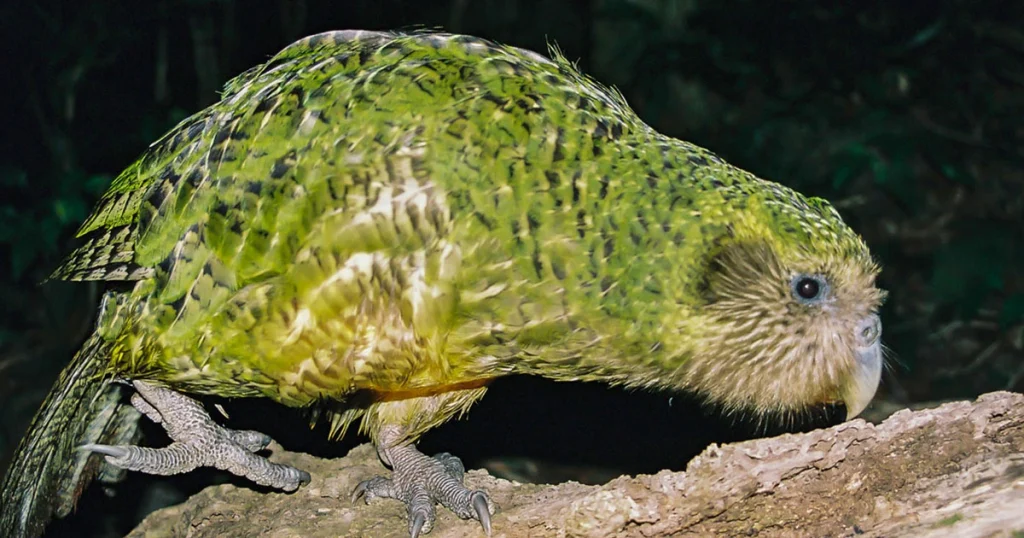
The kakapo is a flightless parrot native to New Zealand that often freezes when threatened by predators instead of running away. Having evolved without natural mammalian threats, these birds lack typical survival instincts and predator-awareness behaviors.
Their trusting nature contributes to their placement among the top 30 animals with lowest IQ.
Flamingos
- Scientific Name: Phoenicopterus
- Class: Aves
- Diet: Omnivore (Algae, crustaceans, small seeds)
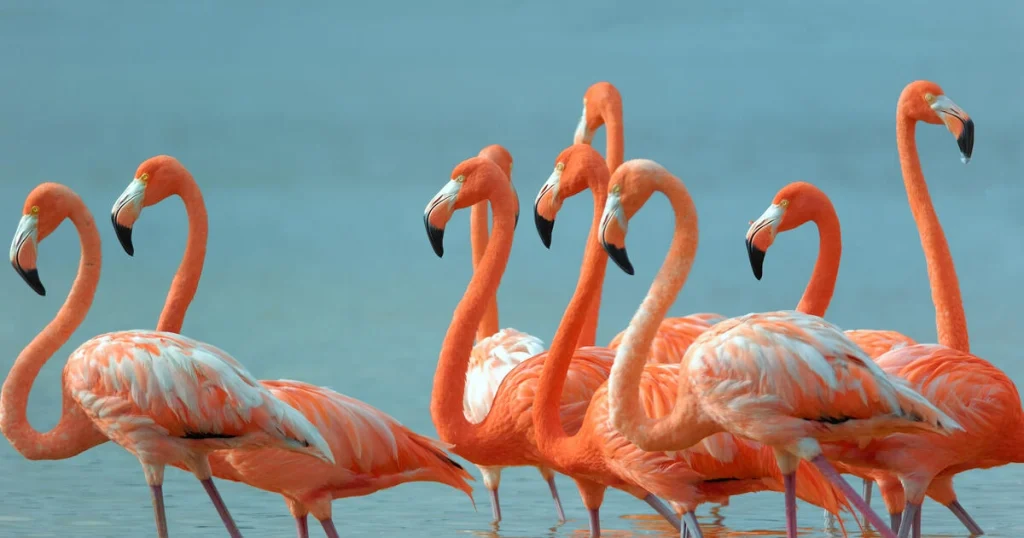
Flamingos display rigid behavioral patterns and spend vast amounts of time filter-feeding in shallow alkaline lakes.
Their brain structure prioritizes motor coordination for flock movement and balancing rather than complex cognitive processing. They remain notable entries when discussing animals with lowest IQ across bird species.
Killdeer
- Scientific Name: Charadrius vociferus
- Class: Aves
- Diet: Insectivore (Insects, earthworms, crustaceans)
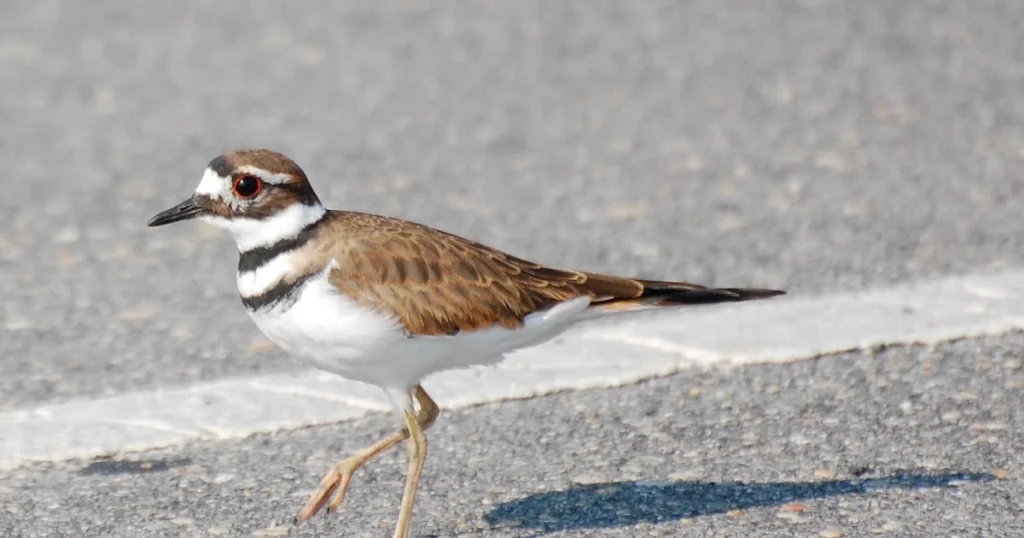
Killdeer are ground-nesting birds known for performing a dramatic “broken-wing display” to lure potential predators away from their nests.
While this survival instinct appears clever, it is an automatic reaction that the bird repeats endlessly regardless of danger level. Their heavy reliance on fixed action patterns places them among the top 30 animals with lowest IQ.
Norwegian Lemmings
- Scientific Name: Lemmus lemmus
- Class: Mammalia
- Diet: Herbivore (Mosses, grasses, roots)
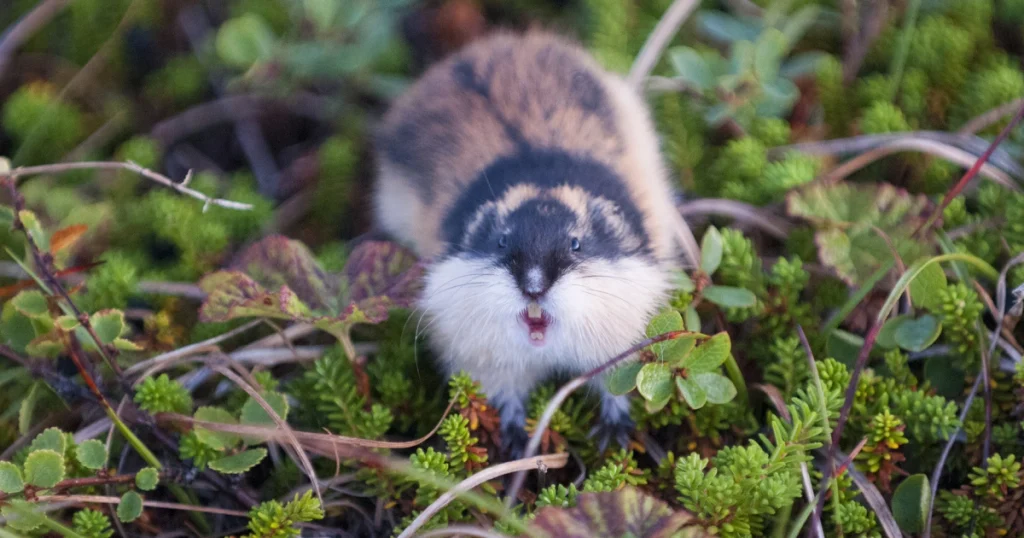
Norwegian lemmings are small rodents prone to aggressive outbursts and erratic mass migrations when population density rises. They frequently jump into dangerous bodies of water due to poor spatial judgment rather than intentional self-harm.
These unpredictable behaviors secure their place among animals with lowest IQ in colder climates; you can read more about unique creature adaptations in our article on animals that look like squirrels.
Starfish
- Scientific Name: Asteroidea
- Class: Asteroidea
- Diet: Carnivore (Mollusks, clams, oysters)
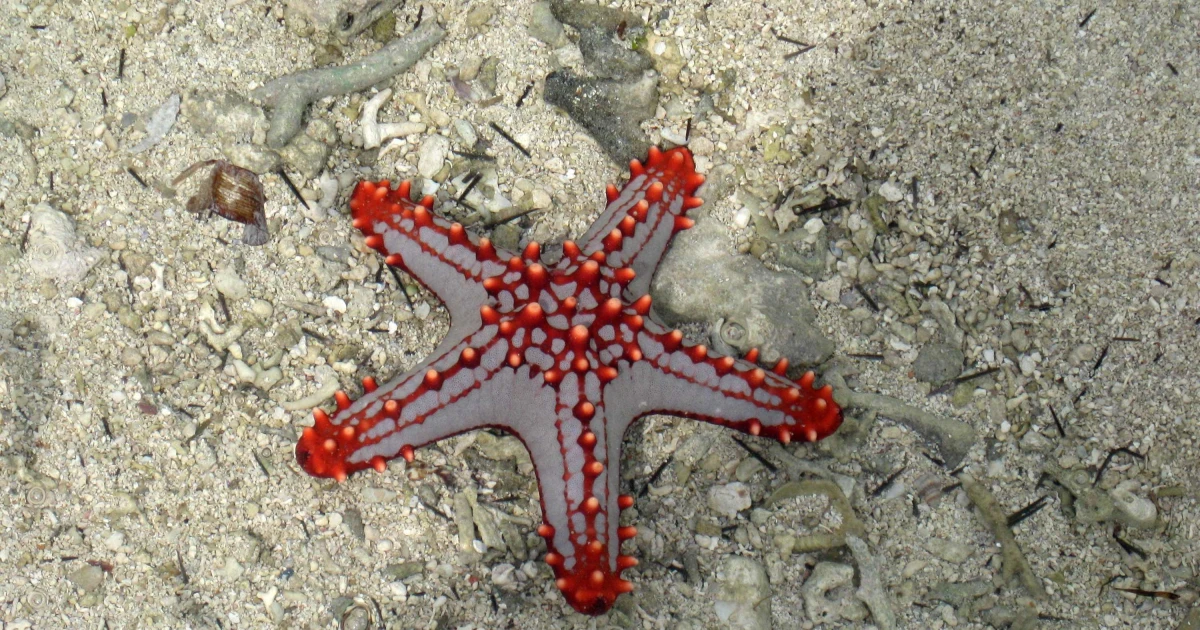
Starfish do not possess a brain or centralized nervous system, operating instead via a complex nerve ring and radial nerves.
They navigate their marine environments through sensory cells on their arms that detect light, touch, and chemical signals. Their basic neural architecture aligns them with the top 30 animals with lowest IQ.
Sloths
- Scientific Name: Folivora
- Class: Mammalia
- Diet: Herbivore (Leaves, shoots, buds)
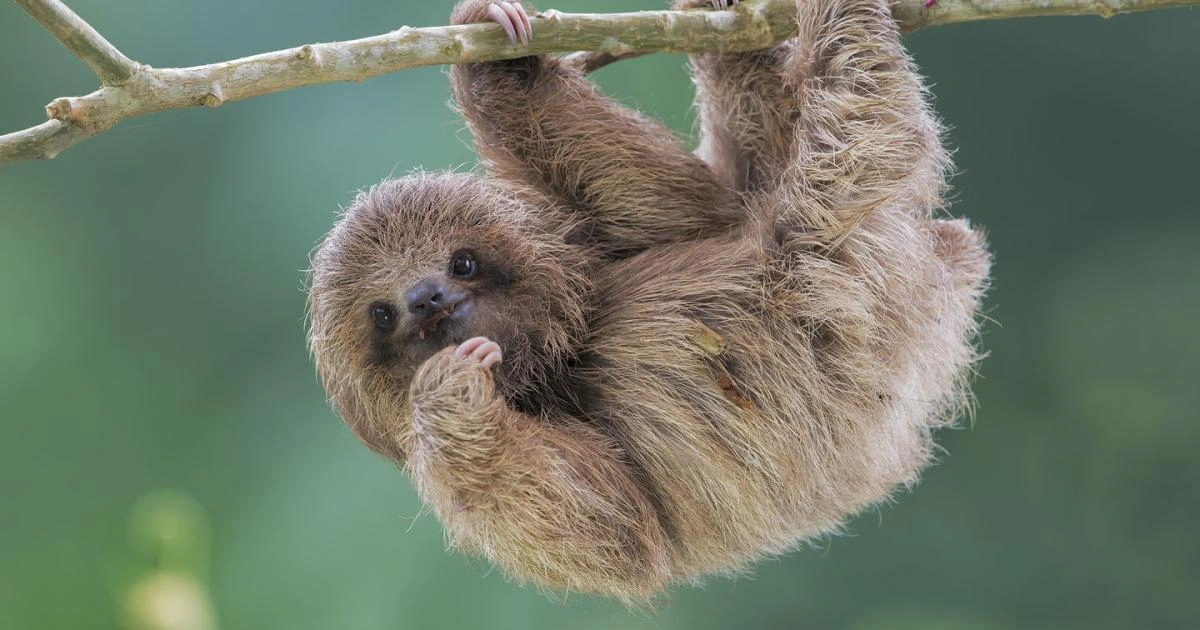
Sloths possess an extremely slow metabolism and a low brain-to-body weight ratio compared to other tree-dwelling mammals.
They sometimes mistake their own limbs for tree branches, leading to accidental falls from high canopies. These cognitive limitations put them on every major list of animals with lowest IQ.
Snails
- Scientific Name: Gastropoda
- Class: Gastropoda
- Diet: Herbivore / Omnivore (Leaves, decaying matter)
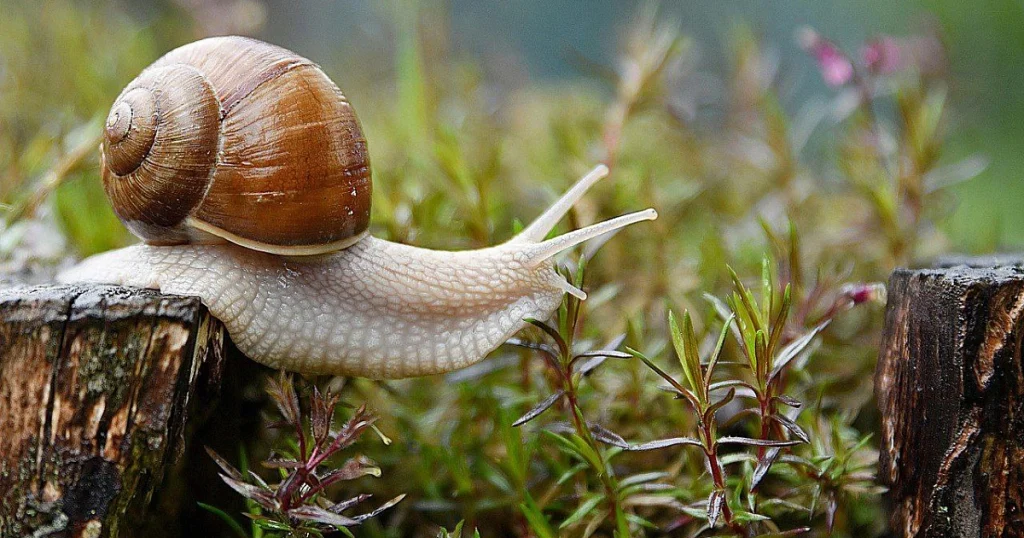
Snails feature simple cerebral ganglia that control basic functions like eating, moving, and retreating into protective shells.
They lack the capacity for complex memory storage or reasoning beyond immediate survival reflexes. Because of their limited neural processing, they rank among the top 30 animals with lowest IQ.
Turkeys
- Scientific Name: Meleagris gallopavo
- Class: Aves
- Diet: Omnivore (Seeds, insects, berries)
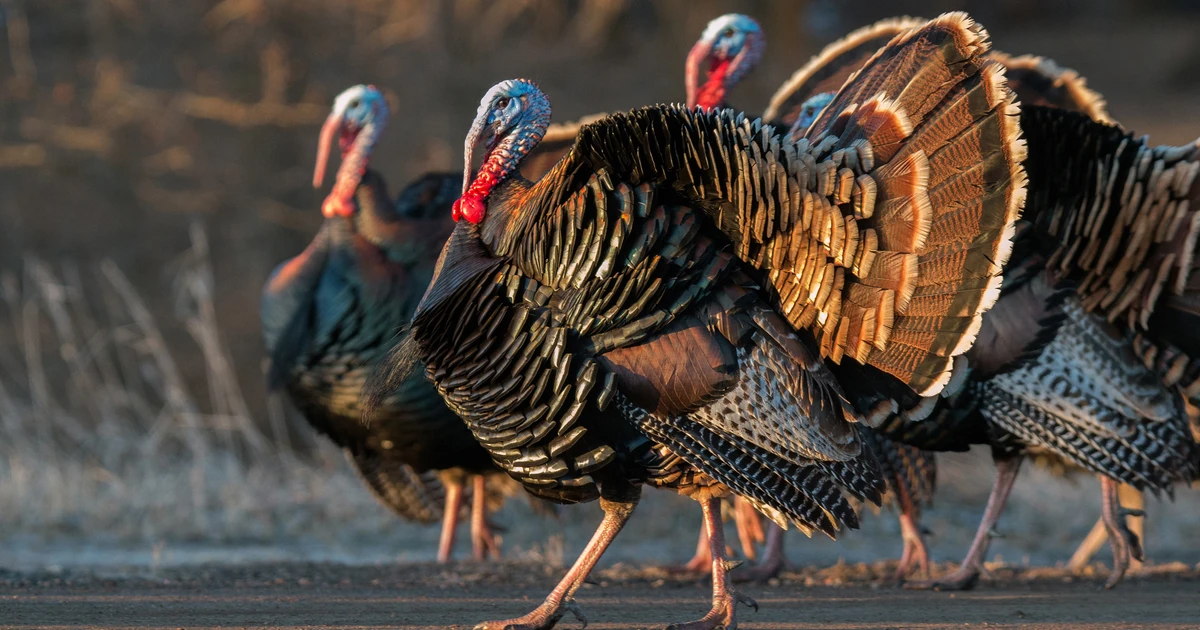
Domesticated turkeys often display repetitive, aimless behaviors and struggle to adapt to simple changes in their surroundings.
Myth or reality aside, their cognitive flexibility is extraordinarily low compared to wild avian species. Their reputation for poor decision-making places them among animals with lowest IQ.
Jerboas
- Scientific Name: Dipodidae
- Class: Mammalia
- Diet: Omnivore (Seeds, roots, small insects)
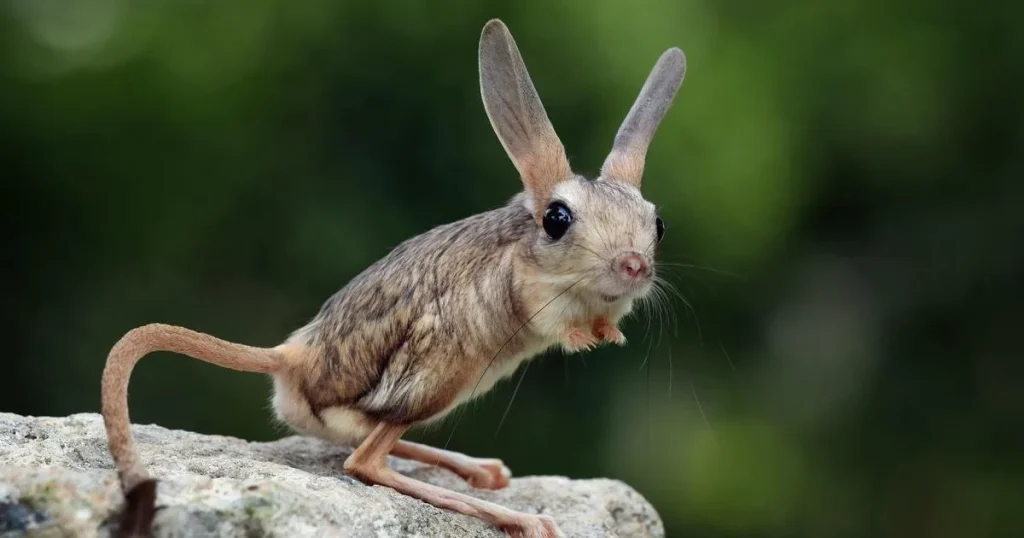
Jerboas are hopping desert rodents with small brains adapted almost exclusively for rapid locomotion and predator evasion.
They display minimal problem-solving capacity and operate almost entirely on basic sensory reflexes in arid environments. They represent another fascinating entry among the top 30 animals with lowest IQ.
Sea Cucumber
- Scientific Name: Holothuroidea
- Class: Holothuroidea
- Diet: Detritivore (Decaying organic matter, plankton)
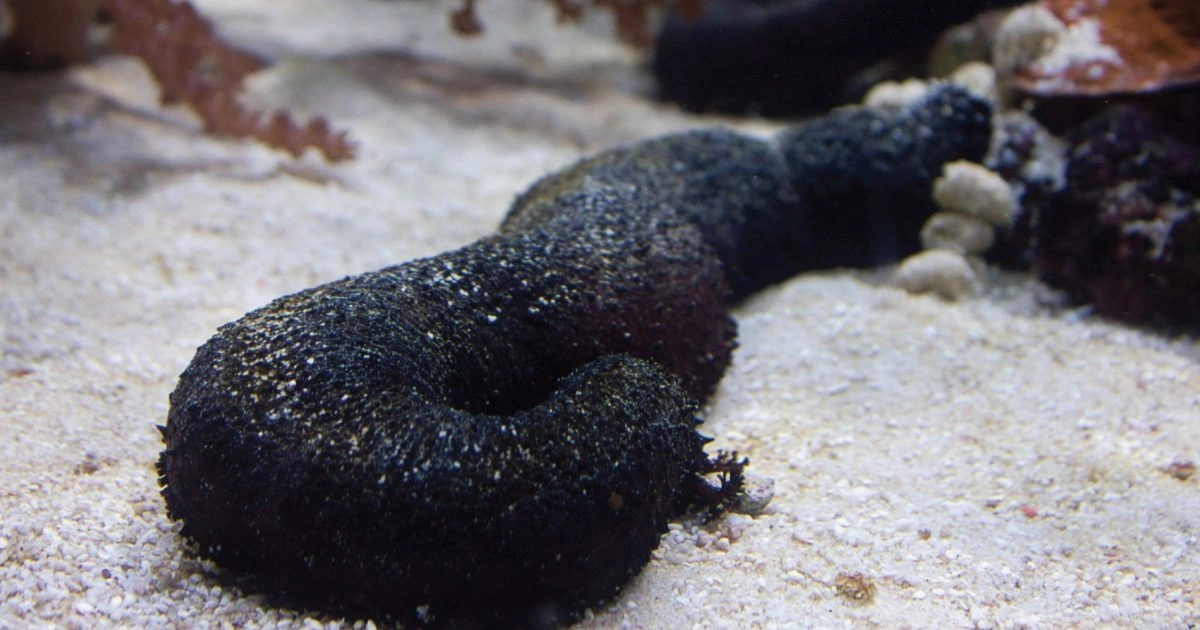
Sea cucumbers are simple ocean bottom-dwellers with no centralized brain and only a basic nerve ring. When threatened, their primary defense mechanism is the automatic expulsion of their internal organs to confuse predators.
This reflex-based existence ranks them among animals with lowest IQ; learn about similar bottom-feeders in our guide on the top 30 scavenger animals with pictures.
Oysters
- Scientific Name: Ostreidae
- Class: Bivalvia
- Diet: Filter Feeder (Plankton, algae)
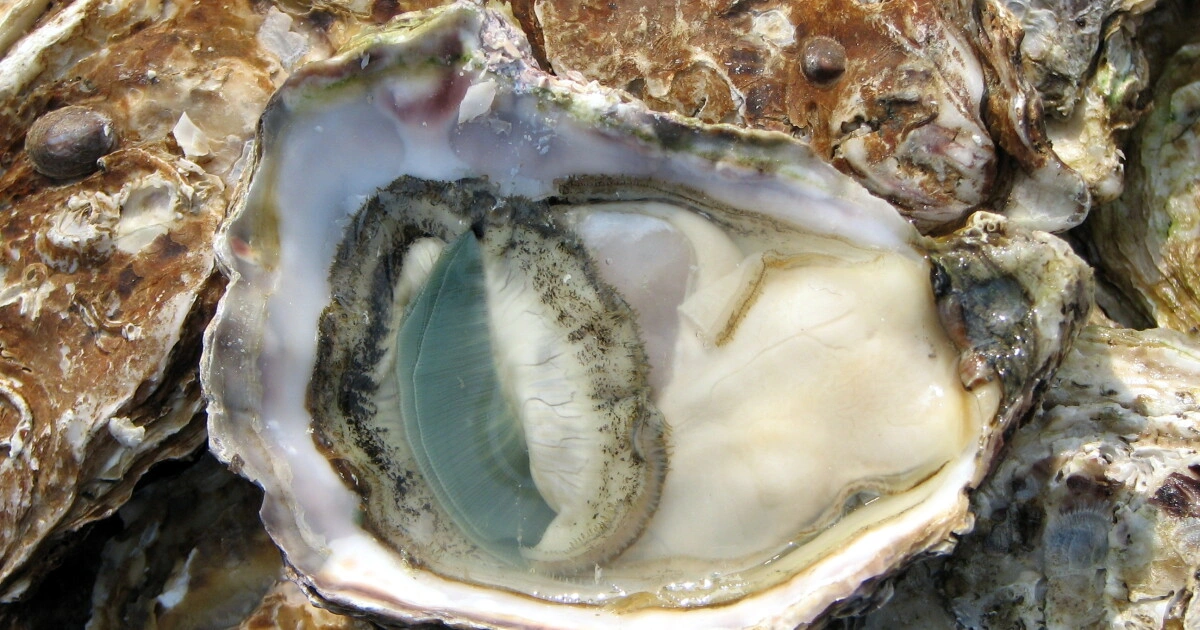
Oysters are sedentary bivalve mollusks that lack any brain structures, relying on simple nerve clusters called ganglia.
They spend their adult lives attached to hard surfaces, filtering seawater to extract nutrients without conscious thought. Their passive life cycle places them among the top 30 animals with lowest IQ.
Sea Sponge
- Scientific Name: Porifera
- Class: Demospongiae / Calcarea / Hexactinellida
- Diet: Filter Feeder (Bacteria, organic particles)
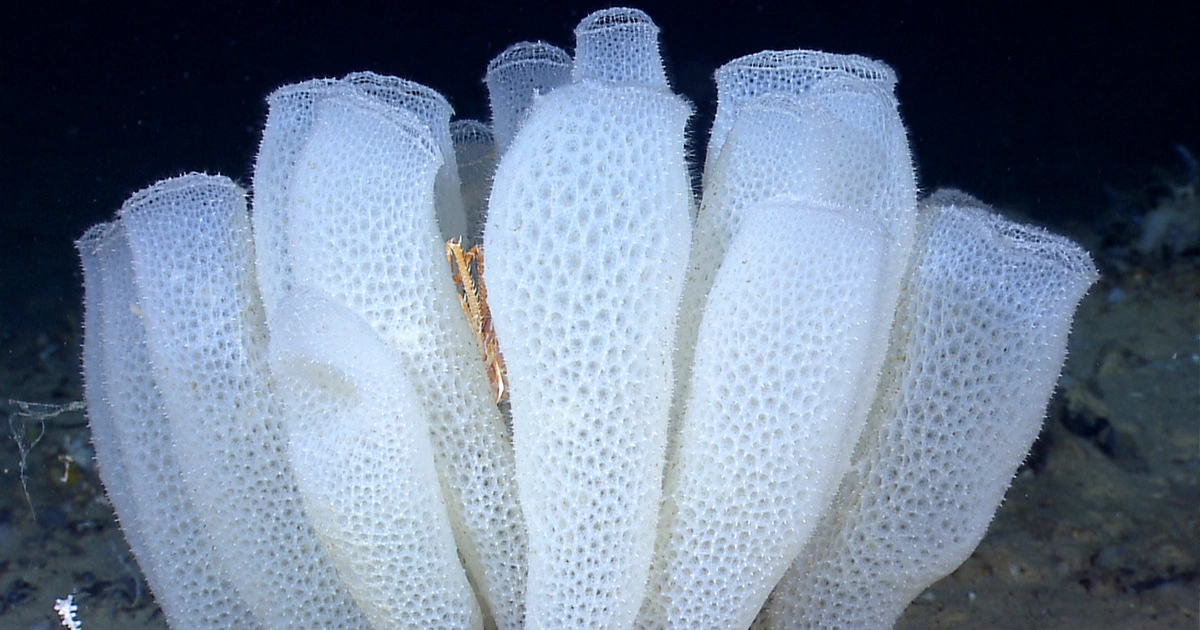
Sea sponges are unique multicellular creatures that have no nervous system, brain, or organs of any kind. They pump water through their porous bodies to capture food particles through cellular-level digestion. They are biologically considered the lowest on the intelligence scale among all animals with lowest IQ.
Flatworms
- Scientific Name: Platyhelminthes
- Class: Rhabditophora / Cestoda / Trematoda
- Diet: Carnivore / Parasitic (Small invertebrates, organic debris)
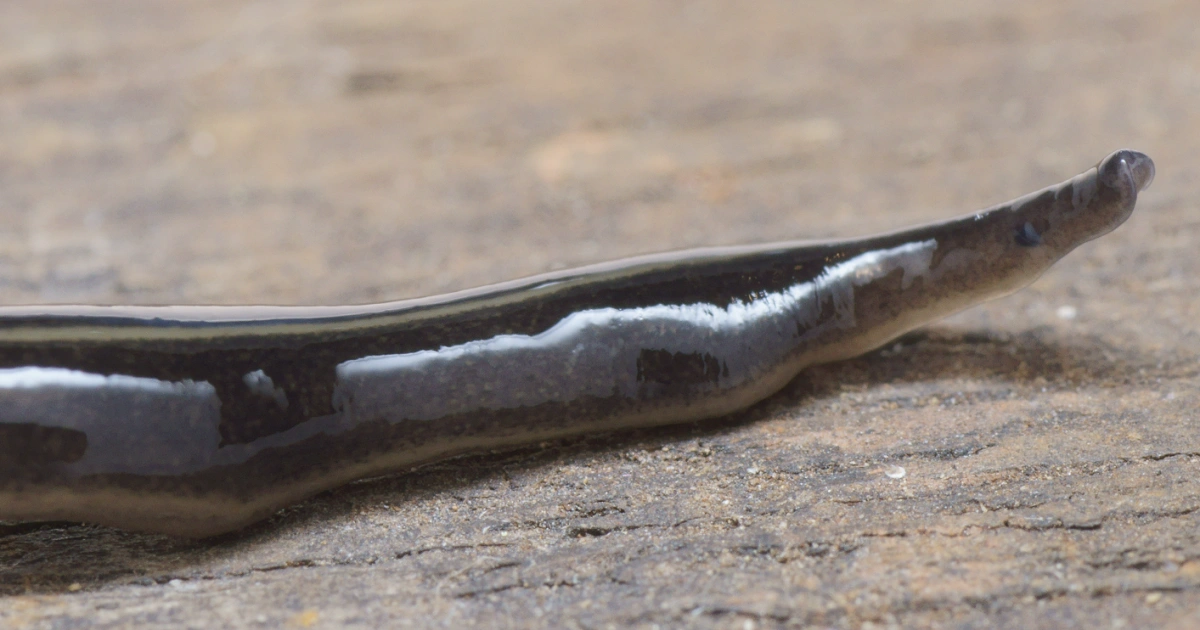
Flatworms exhibit an extremely rudimentary nervous system with a pair of nerve cords and two nerve clusters forming a simple brain. They can learn basic light-avoidance reflexes but possess no higher cognitive abilities or memory depth. Their limited capacities put them on the list of top 30 animals with lowest IQ.
Secretary Birds
- Scientific Name: Sagittarius serpentarius
- Class: Aves
- Diet: Carnivore (Snakes, lizards, small mammals)
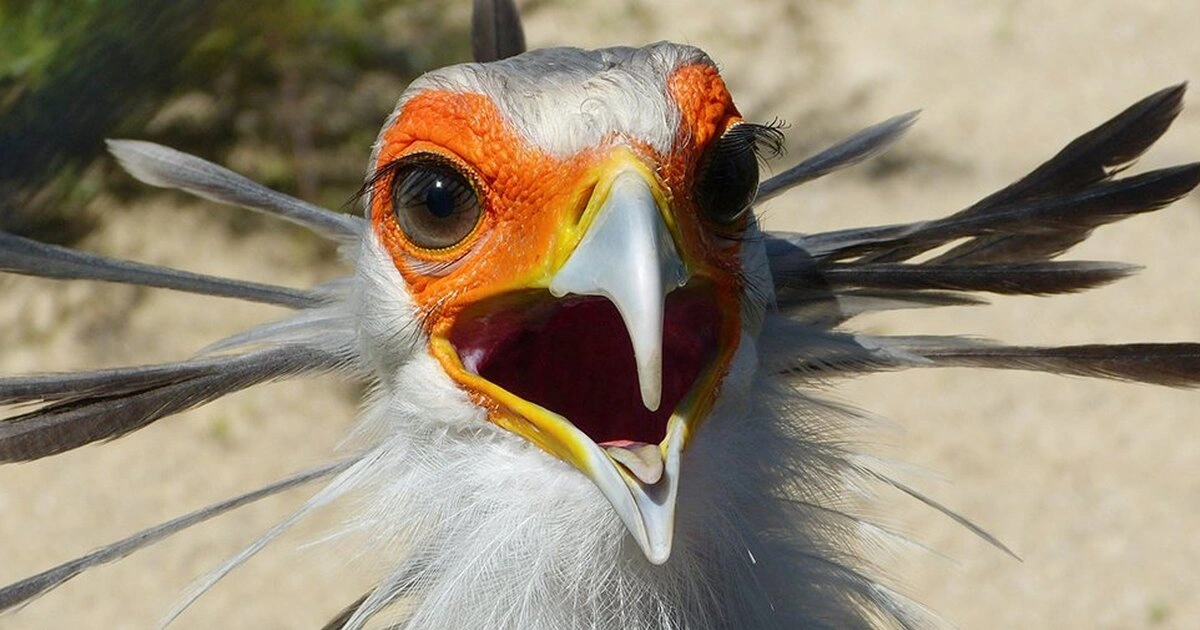
Secretary birds are predatory African birds that rely on powerful, reflex-driven stomping actions to dispatch dangerous snakes.
Despite their impressive hunting skills, their cognitive profile is heavily restricted to hardwired instincts rather than flexible reasoning. They serve as an intriguing avian entry among animals with lowest IQ.
Coral
- Scientific Name: Anthozoa
- Class: Anthozoa
- Diet: Filter Feeder / Carnivore (Plankton, photosynthetic nutrients)
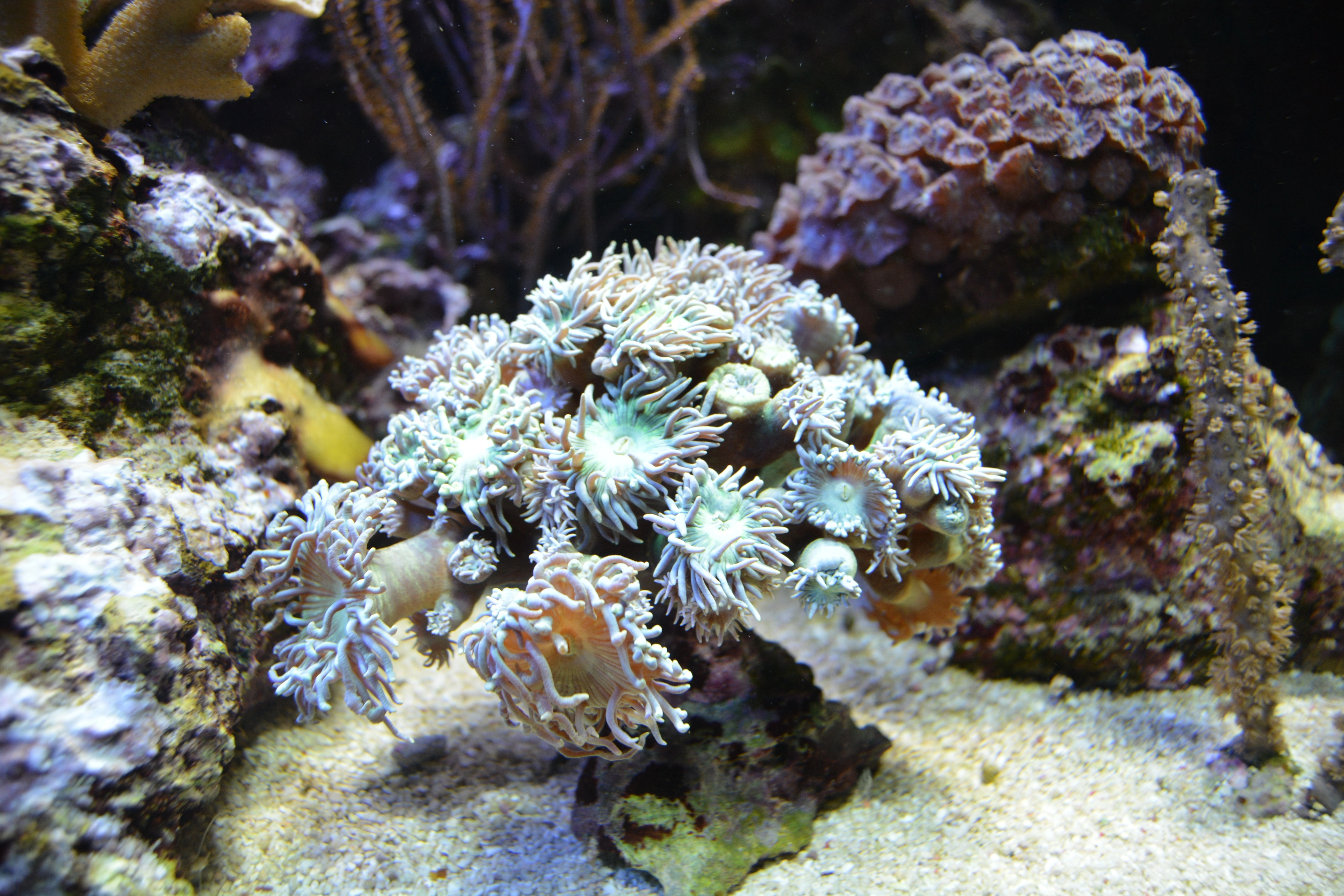
Coral structures consist of thousands of tiny soft-bodied polyps living together without a central nervous system.
Each individual polyp reacts automatically to water currents and prey contact using primitive nerve nets. Their simple, colony-based existence places them among the top 30 animals with lowest IQ.
Komodo Dragons
- Scientific Name: Varanus komodoensis
- Class: Reptilia
- Diet: Carnivore (Deer, carrion, birds)
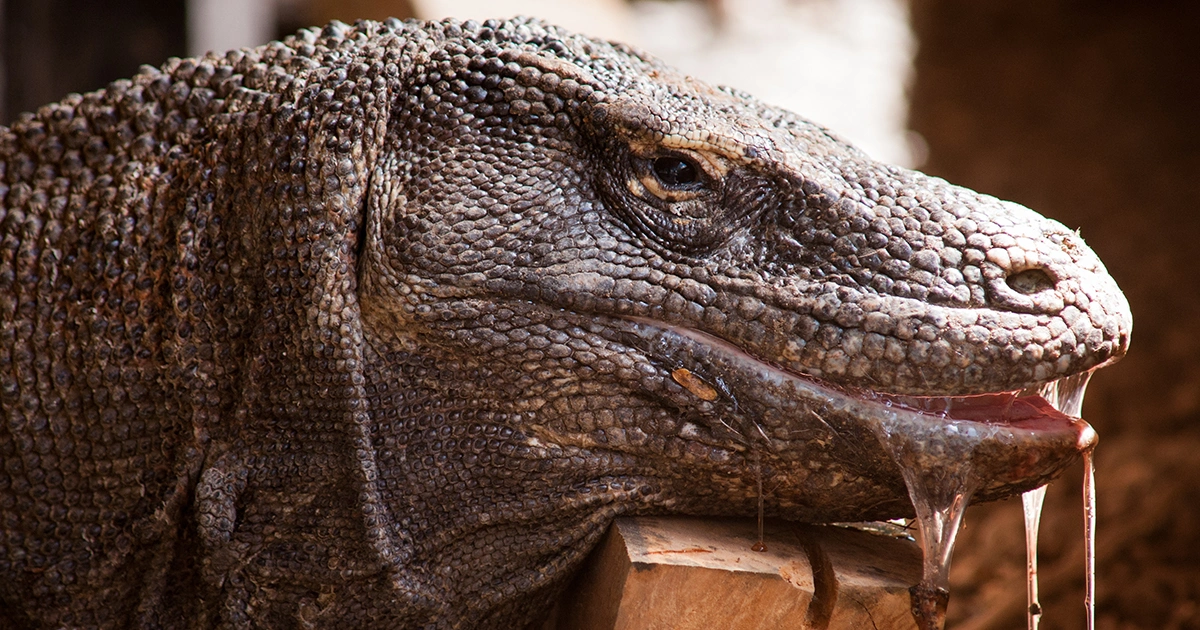
Komodo dragons are apex reptiles that rely on keen senses of smell and ambush tactics to overpower large prey.
While effective hunters, their intelligence is bounded by instinctual reptile behaviors with very limited adaptability. They are often noted among the larger cold-blooded animals with lowest IQ.
Cane Toads
- Scientific Name: Rhinella marina
- Class: Amphibia
- Diet: Carnivore (Insects, small vertebrates, human food waste)
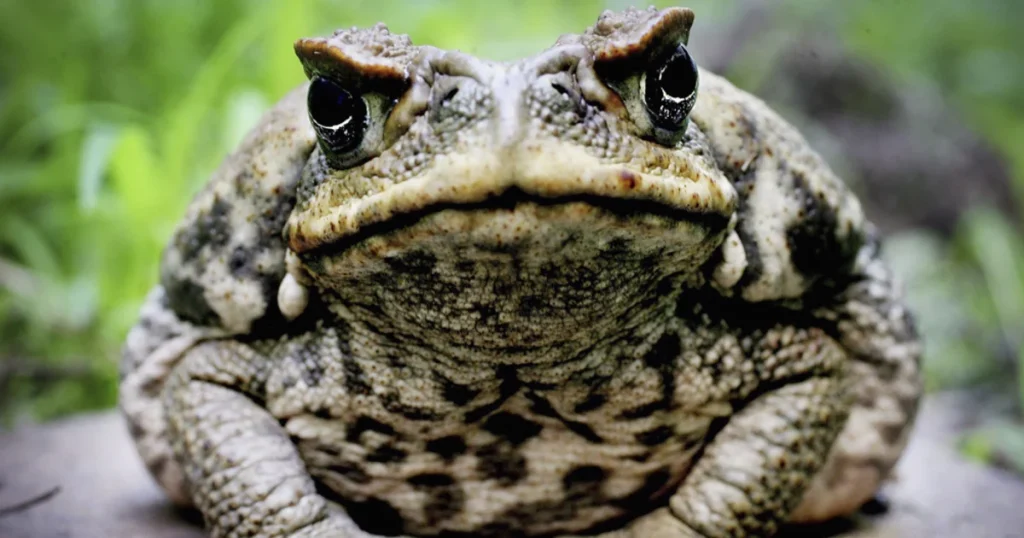
Cane toads are notorious for consuming almost anything they can swallow, including inanimate objects and toxic materials.
Their lack of dietary discrimination and reckless movement patterns often lead them into life-threatening situations. These traits land them squarely among the top 30 animals with lowest IQ.
Slugs
- Scientific Name: Gastropoda
- Class: Gastropoda
- Diet: Herbivore / Detritivore (Plants, fungi, decaying matter)
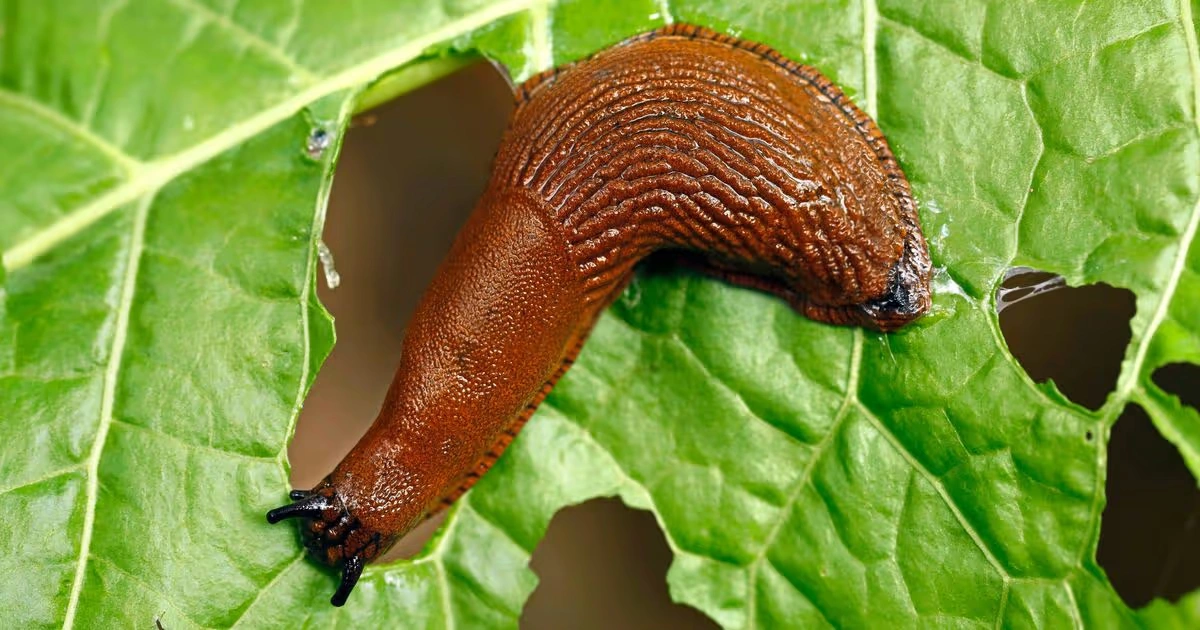
Slugs possess simple nerve ganglia similar to snails and move entirely based on chemical trails and moisture cues. They operate without conscious thought, relying on rudimentary reflexes to find food and moisture.
Their minimal neural setup makes them classic examples of animals with lowest IQ; explore other unique creatures in our article on animals without tails.
Ostriches
- Scientific Name: Struthio camelus
- Class: Aves
- Diet: Omnivore (Seeds, plants, insects)
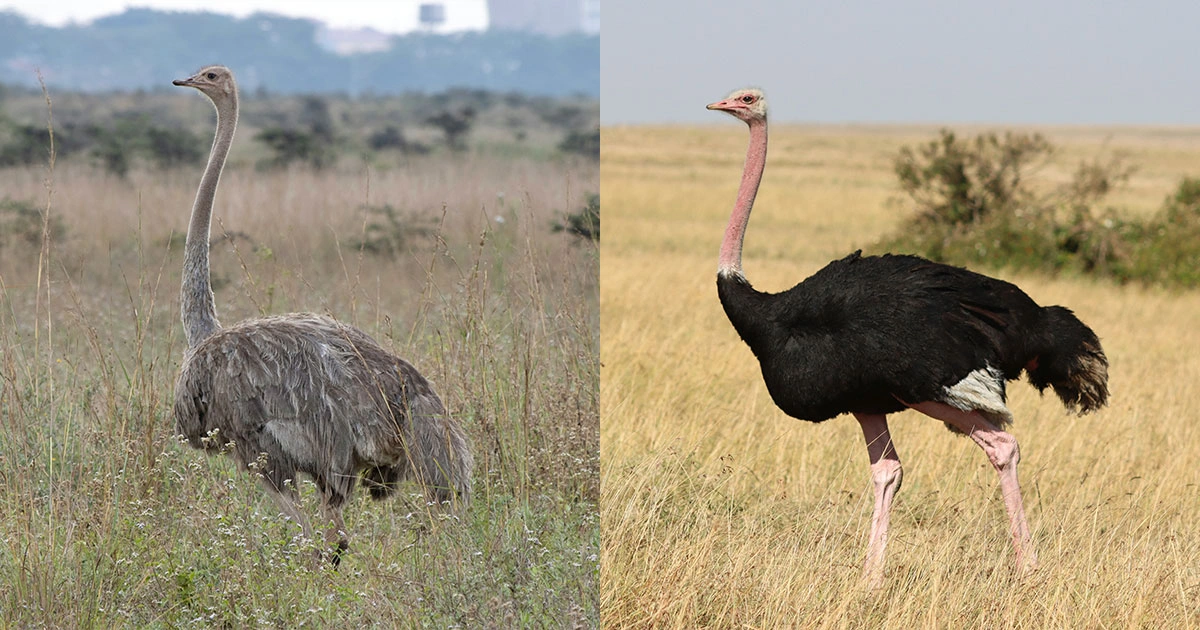
An ostrich’s eye is larger than its brain, leaving minimal room for complex cognitive processing power inside its skull.
They exhibit panic-driven running behaviors and frequently make poor tactical choices when confronted by threats. These physical features place them prominent among the top 30 animals with lowest IQ.
Horned Lizard
- Scientific Name: Phrynosoma
- Class: Reptilia
- Diet: Insectivore (Primarily ants)
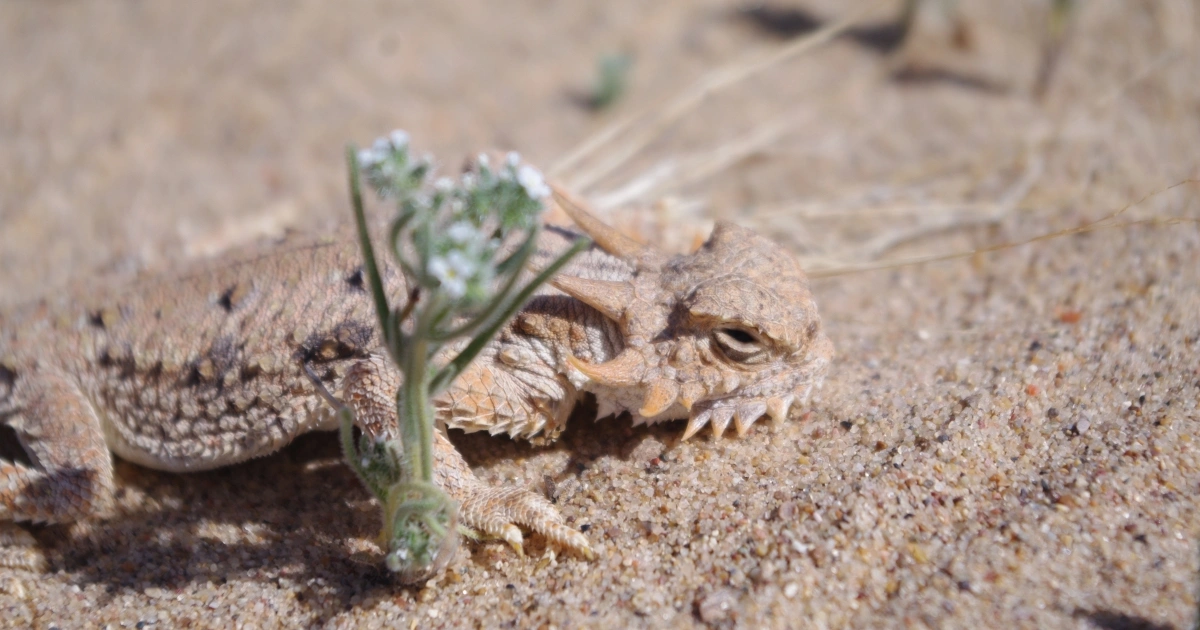
Horned lizards possess small brains suited mainly for basic camouflage, thermoregulation, and instinctual defensive reflexes.
When threatened, they can shoot blood from their eyes, an automatic physiological response rather than a calculated tactic. They are widely recognized among cold-blooded animals with lowest IQ.
Slow Loris
- Scientific Name: Nycticebus
- Class: Mammalia
- Diet: Omnivore (Tree gum, nectar, insects)
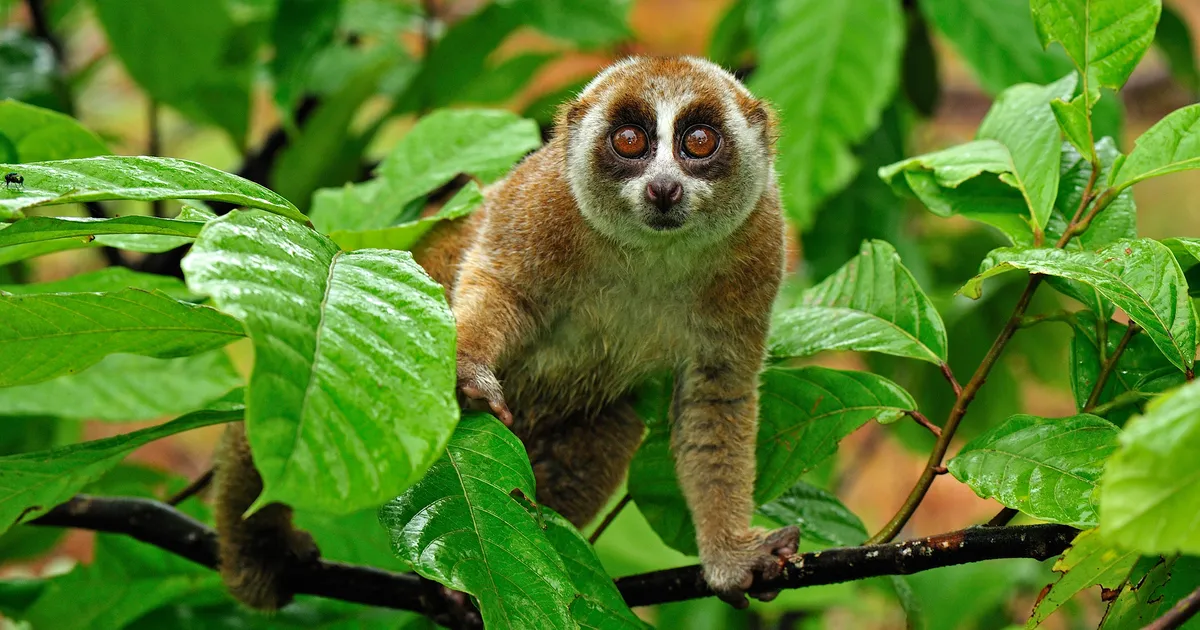
Slow lorises are nocturnal primates with slow metabolic rates and limited cognitive complexity compared to other monkeys. They rely on toxic bites and frozen postures to survive, exhibiting minimal problem-solving capacity in nature. Their unique lifestyle places them on lists of the top 30 animals with lowest IQ.
Goldfish
- Scientific Name: Carassius auratus
- Class: Actinopterygii
- Diet: Omnivore (Algae, small insects, detritus)
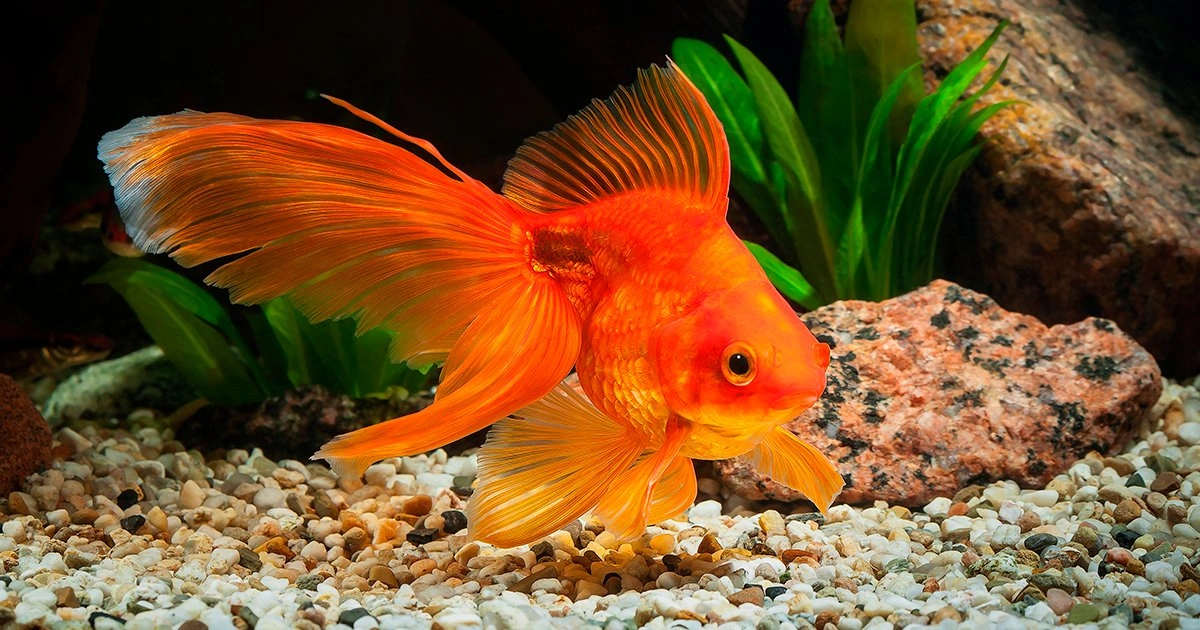
Goldfish possess basic memory capabilities but lack complex reasoning, social structures, or abstract learning capacity.
Their behavior is largely driven by feeding responses and water temperature conditions. They represent a classic aquatic entry on the list of animals with lowest IQ.
Clams
- Scientific Name: Mercenaria mercenaria
- Class: Bivalvia
- Diet: Filter Feeder (Microscopic algae, plankton)
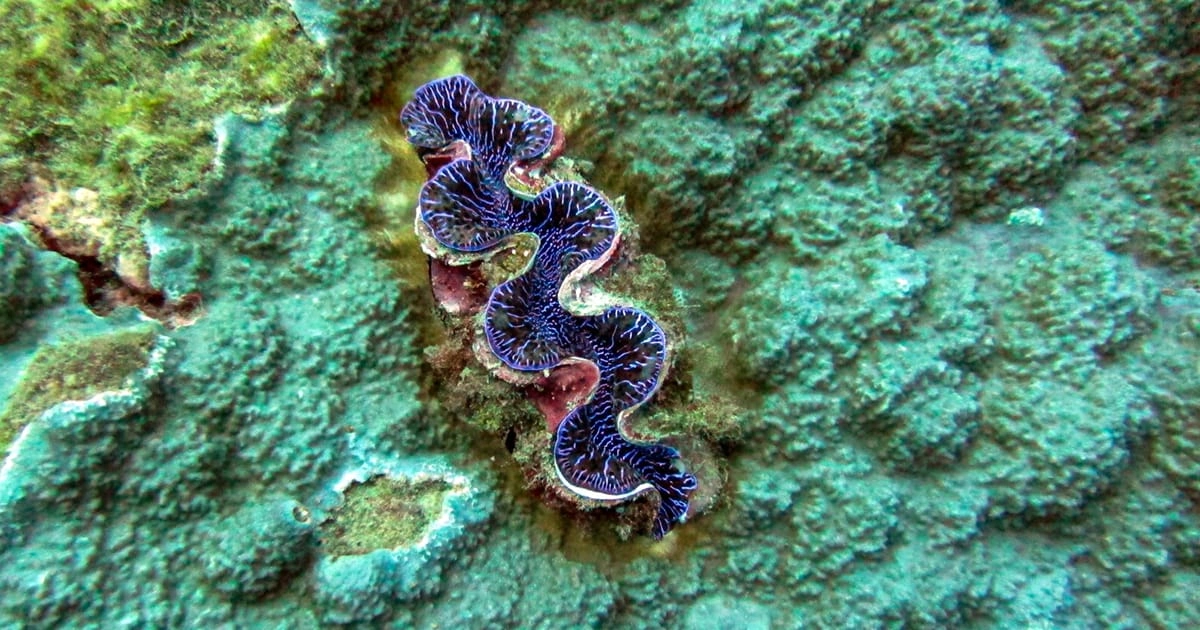
Clams are marine bivalves that function entirely without a brain, using three pairs of nerve ganglia to manage body functions.
They open and close their shells automatically in response to water quality, predators, and food availability. Their passive biological setup places them among the top 30 animals with lowest IQ.
Barnacles
- Scientific Name: Cirripedia
- Class: Thecostraca
- Diet: Filter Feeder (Plankton, detritus)
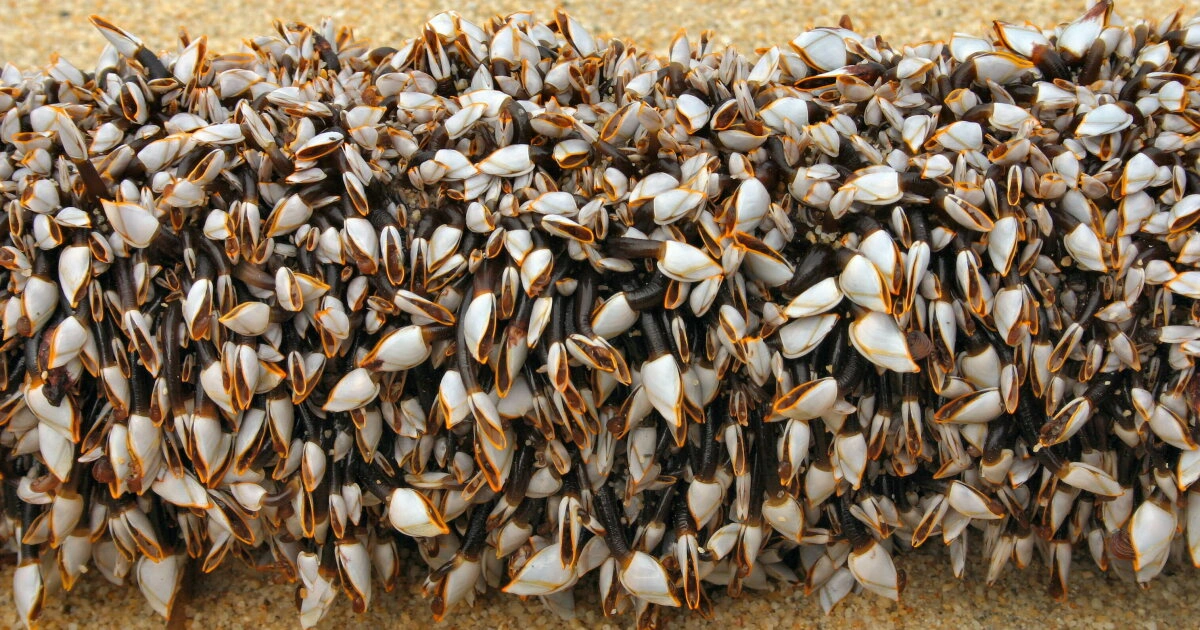
Barnacles are sessile crustaceans that attach themselves permanently to hard surfaces like rocks, ships, and whales.
Lacking a centralized brain, they extend feather-like feet to sweep food particles from passing ocean currents. They are simple marine creatures ranked among animals with lowest IQ.
Sea Urchins
- Scientific Name: Echinoidea
- Class: Echinoidea
- Diet: Herbivore / Omnivore (Algae, decaying organic matter)
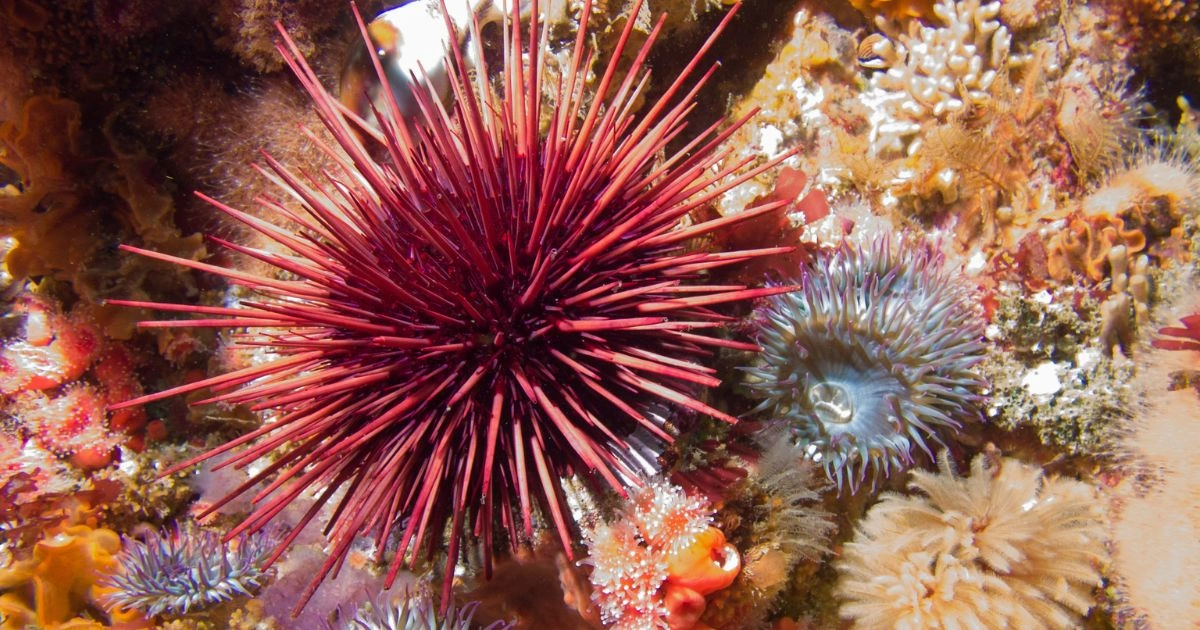
Sea urchins feature a radial nerve ring rather than a brain to coordinate their spiny movement across the ocean floor.
They react passively to light and touch stimuli while grazing on underwater plant life. Their low-level neural design places them among the top 30 animals with lowest IQ.
Gobble Turkeys
- Scientific Name: Meleagris gallopavo silvestris
- Class: Aves
- Diet: Omnivore (Nuts, berries, insects)
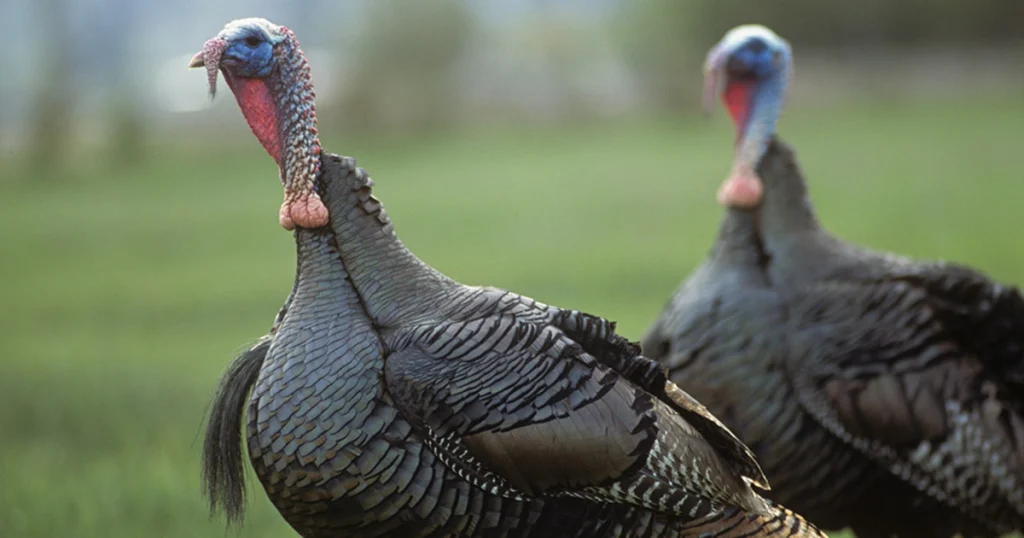
Wild gobble turkeys display intense territorial instincts but show remarkably poor adaptiveness when faced with novel obstacles.
They frequently walk into fence lines repeatedly without attempting to navigate around them. Their rigid instinctual patterns earn them a spot among animals with lowest IQ.
Manatees
- Scientific Name: Trichechus
- Class: Mammalia
- Diet: Herbivore (Seagrass, aquatic plants)
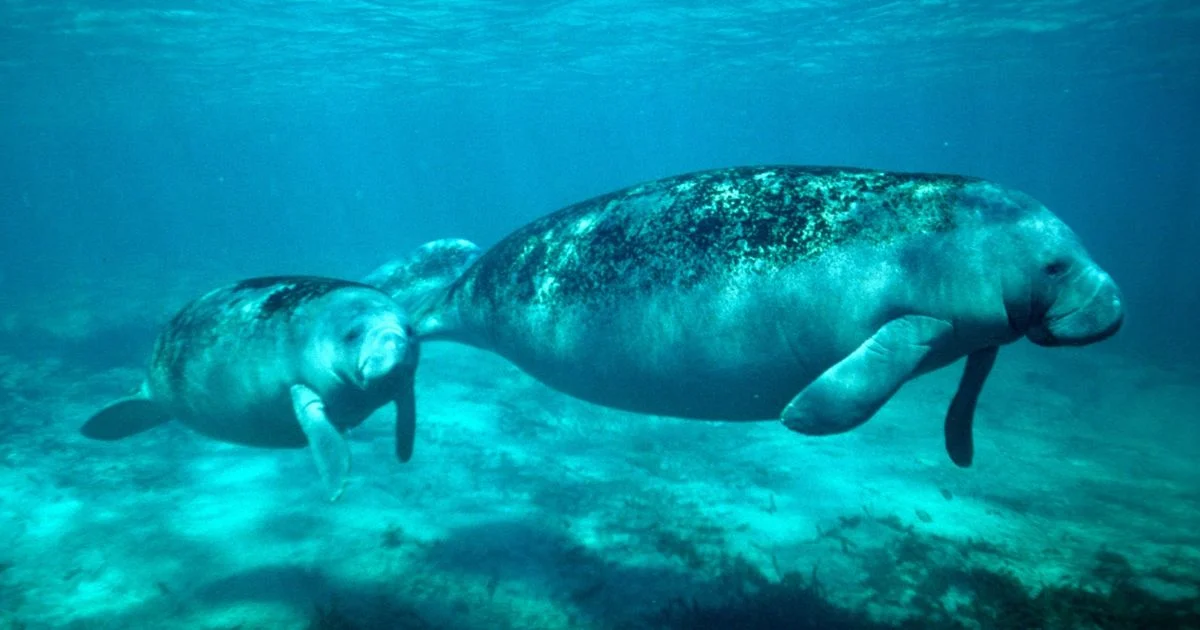
Manatees have unusually smooth brains with a very low brain-to-body size ratio among marine mammals.
Their peaceful, slow-moving lifestyle requires minimal cognitive exertion, making them vulnerable to boat collisions; learn about non-jumping species in our article on mammals that can’t jump. Their gentle nature secures their place among the top 30 animals with lowest IQ, alongside spotted species in our list of animals that have spots.
Final Thoughts
Measuring intelligence across the animal kingdom reveals that survival does not always require high IQ or complex problem-solving skills.
The species listed above prove that simple reflexes, specialized anatomical features, and evolutionary adaptations are often enough to thrive in diverse environments.
FAQs
What Animal Has the Lowest IQ in the World?
Sea sponges, jellyfish, and corals are considered to have the lowest biological intelligence because they lack a central brain entirely.
Can Animals With Low IQ Survive Effectively in the Wild?
Yes, these animals rely on instinct, high reproduction rates, specialized camouflage, or passive feeding mechanisms to survive without needing complex problem-solving abilities.
Does Brain Size Directly Determine an Animal’s Intelligence?
Brain size relative to body weight (encephalization quotient) matters more than total size, though brain folding and structure also play vital roles.