Top 10+ Animals Without Tails (With Pictures)
Many people wonder what animals don’t have tails in the wild or as common domestic companions. While most creatures rely on appendages for balance, direction, or defense, these unique species survive without them.
Understanding the animals without tails reveals fascinating evolutionary adaptations across diverse natural habitats. From small household pets to large wild species, these animals thrive despite lacking a traditional tail.
List Of Animals Without Tails
Here is the List of Animals without Tails:
- Koala
- Guinea Pig
- Frogs and Toads
- Apes
- Barbary Macaque
- Manx Cat
- Capybara
- Spiders
- Kiwi Bird
- Octopus
Koala
Scientific Name: Phascolarctos cinereus
Class: Mammalia
Diet: Herbivore
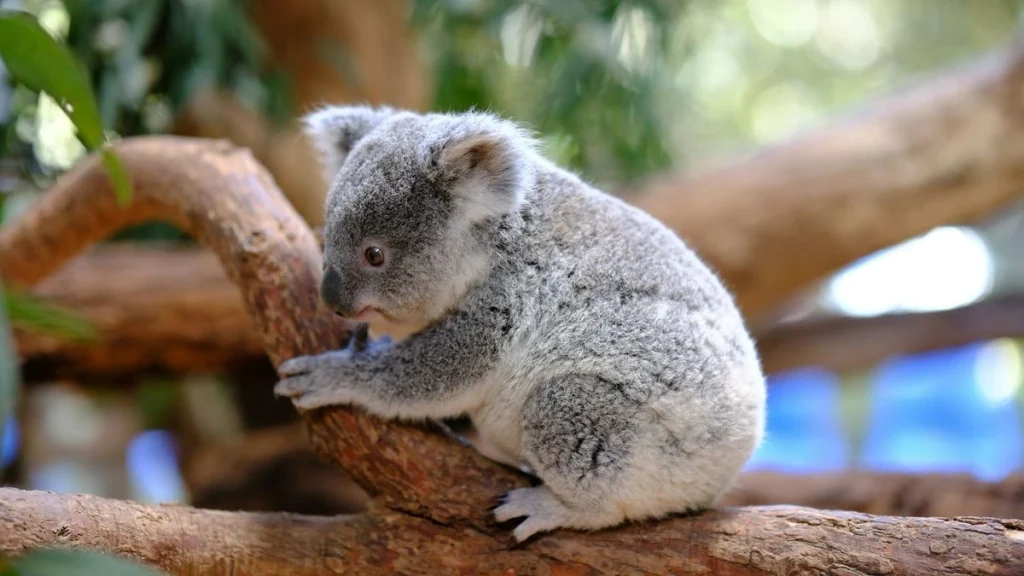
Koalas are famous Australian marsupials that spend most of their lives high up in eucalyptus trees. Many people wonder about animals without tails features when looking closely at these tree-dwelling mammals.
They have only a tiny vestigial remnant hidden beneath their dense fur that serves no real function. This lack of a rear appendage allows them to sit comfortably on firm tree forks for long hours.
These iconic arboreal marsupials sleep up to twenty hours per day to conserve precious energy reserves. Their strong limbs and sharp claws allow them to cling tightly to thick branches without dropping.
Having no external tail prevents interference when squeezing into narrow branch V-shapes high in tree canopies. Their specialized digestive system breaks down tough, fibrous eucalyptus leaves that are toxic to most other species.
Guinea Pig
- Scientific Name: Cavia porcellus
- Class: Mammalia
- Diet: Herbivore
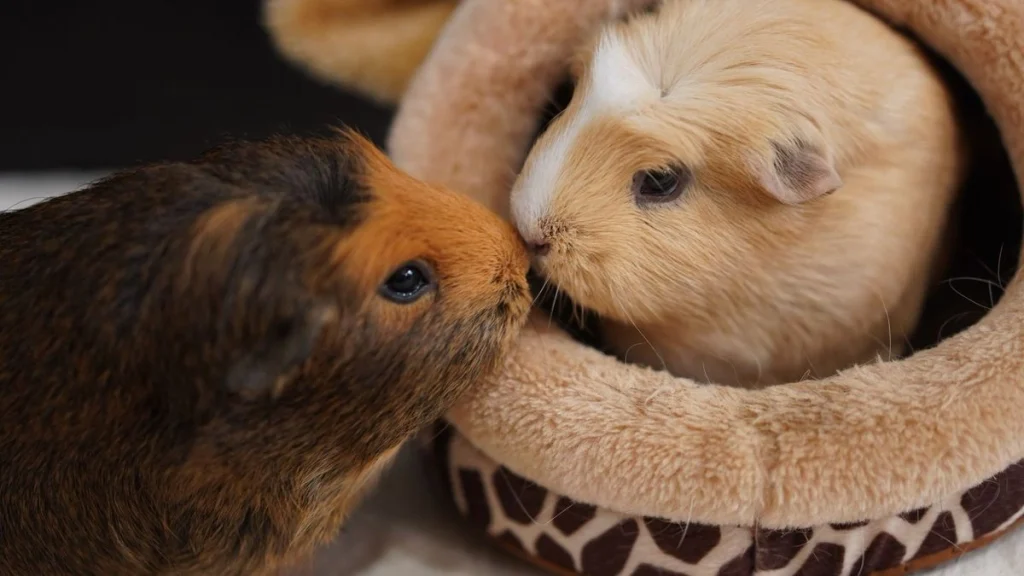
Guinea pigs are one of popular animals without tails and domesticated rodents loved worldwide for their gentle nature and cute squeaks. They are classic examples of pets without tails that families choose for home environments.
Their compact body structure lacks external tail vertebrae entirely, leaving them with a smooth rear end. In wild settings, they must watch out for natural predators like animals that eat rabbits and rodents.
Originating from the South American Andes, these social rodents thrive best when living in compatible pairs. They communicate using distinct squeals, purrs, and chirps to signal happiness, curiosity, or mild alarm.
Their compact body shape makes running through underground tunnels and low vegetation remarkably simple and efficient. A missing tail reduces bulk, helping them slip into hidden burrow entrances when avoiding airborne predators.
Frogs and Toads
- Class: Amphibia
- Diet: Carnivore
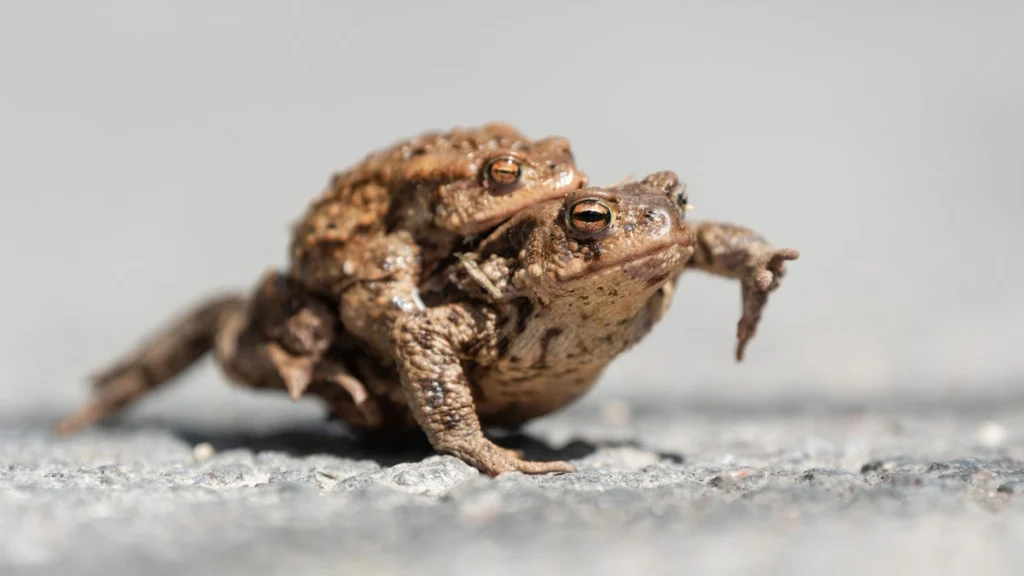
Adult amphibians belonging to the order Anura completely lose their juvenile appendages during metamorphosis. Tadpoles rely on swim structures, but adult frogs and toads transform into animals with no tail.
Their powerful back legs handle jumping and swimming without needing extra appendages for balance. However, living in damp muddy environments often makes people classify them among the dirtiest animals in the world.
The order name Anura literally translates to “tailless,” marking a defining physical trait of adult amphibians. Losing their larval tails provides streamlined bodies engineered for explosive jumping distances across various terrains.
Absorbing the tail tissue during metamorphosis supplies valuable nutrients needed for rapid internal organ development. Their powerful hind legs absorb landing impacts efficiently without requiring a rear balancing appendage during flight.
Apes
- Class: Mammalia
- Diet: Omnivore
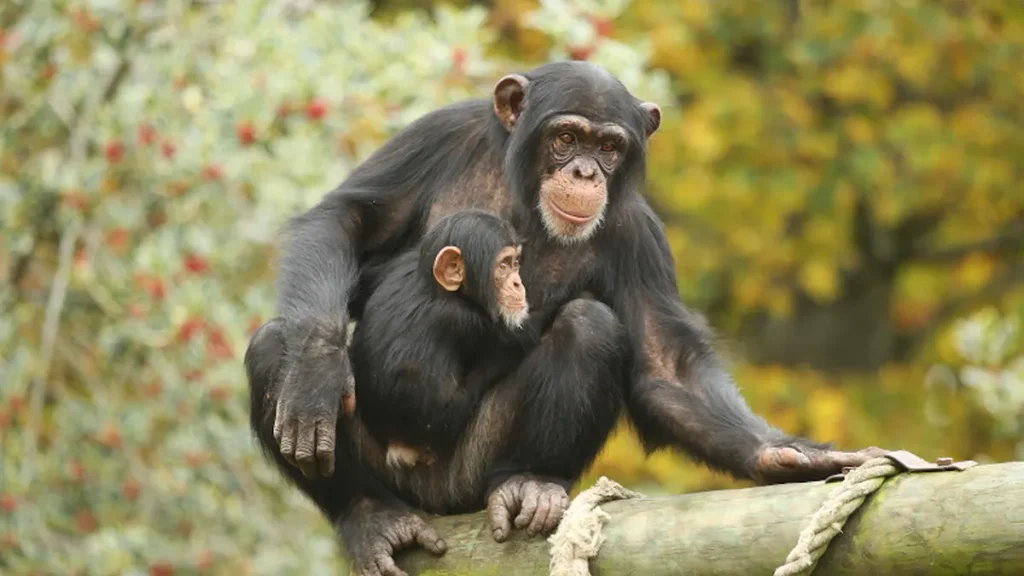
Apes form a major group of primates that includes chimpanzees, gorillas, orangutans, and human beings that are considered animals without tails. Unlike most monkey species, every ape species represents a true animal without tail appendages.
Their tailbones have evolved over millions of years into a small internal bone called the coccyx. They rely instead on flexible shoulders and strong arms to navigate tree canopies easily.
Great apes and lesser apes diverged from ancestral monkey lines that possessed long structural tail extensions. Instead of relying on caudal balance, apes developed highly mobile shoulder joints for upright trunk movement.
Their wide torsos and modified hips support upright sitting, climbing, and complex bipedal locomotion maneuvers. Retaining an internal coccyx anchors critical pelvic floor muscles essential for supporting heavy upright bodies.
Barbary Macaque
- Scientific Name: Macaca sylvanus
- Class: Mammalia
- Diet: Omnivore
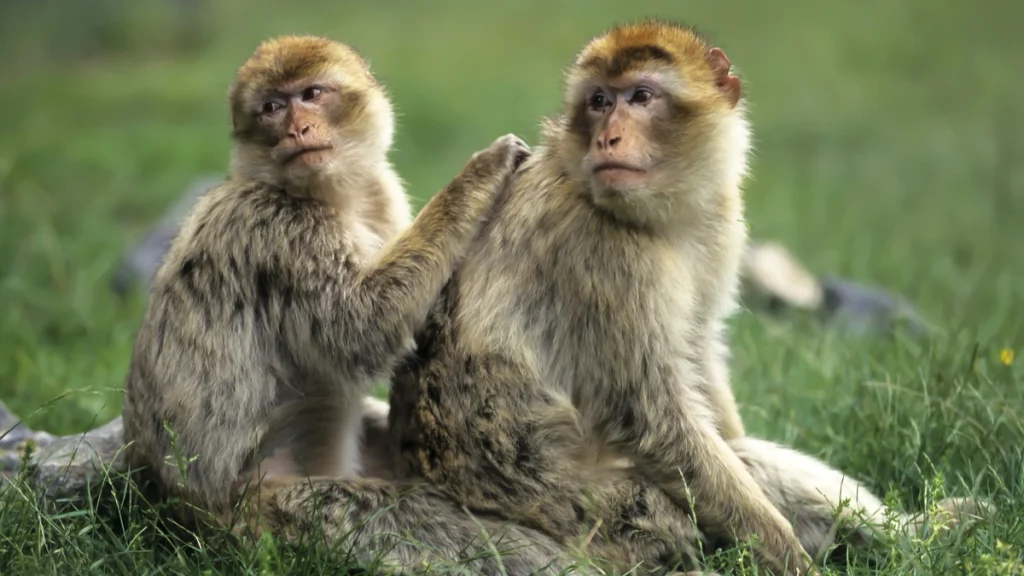
In the list of animals without tails, the Barbary macaque is a unique monkey species native to the Atlas Mountains and Gibraltar. While almost all other Old World monkeys possess long back limbs, this species has no visible rear extension.
They possess only a tiny vestigial bump that remains completely invisible underneath their thick coat. This streamlined body shape helps them navigate rugged rocky terrains without getting caught on vegetation.
These hardy primates represent the only wild monkey population living on the European continent today. They live in complex social troops that brave freezing winters across mountainous cedar forest environments.
Living primarily on rocky slopes makes a long trailing appendage unnecessary and potentially hazardous to retain. Their compact hindquarters prevent cold heat loss and reduce injury risks during scrambles over sharp rocks.
Manx Cat
- Class: Mammalia
- Diet: Carnivore
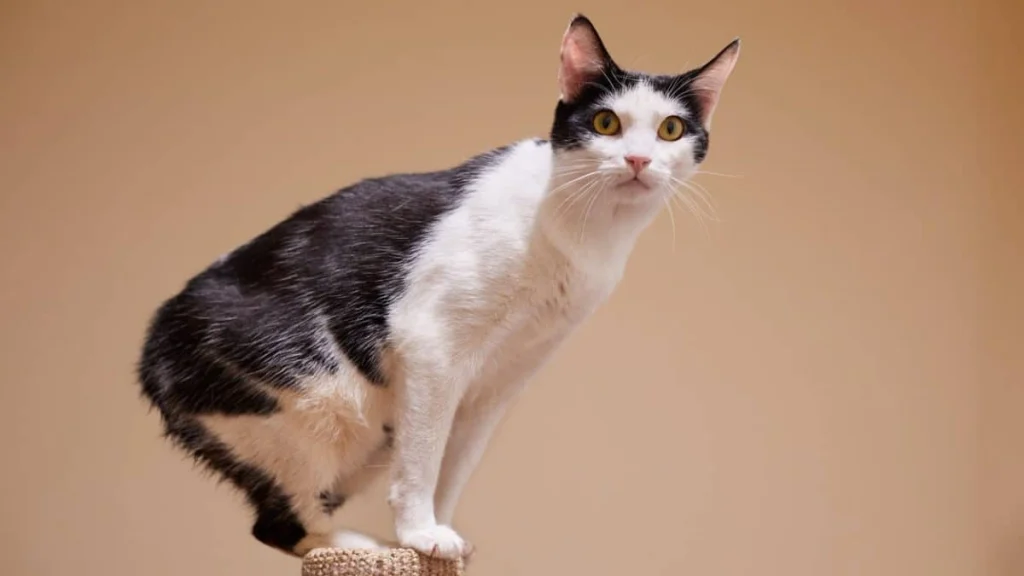
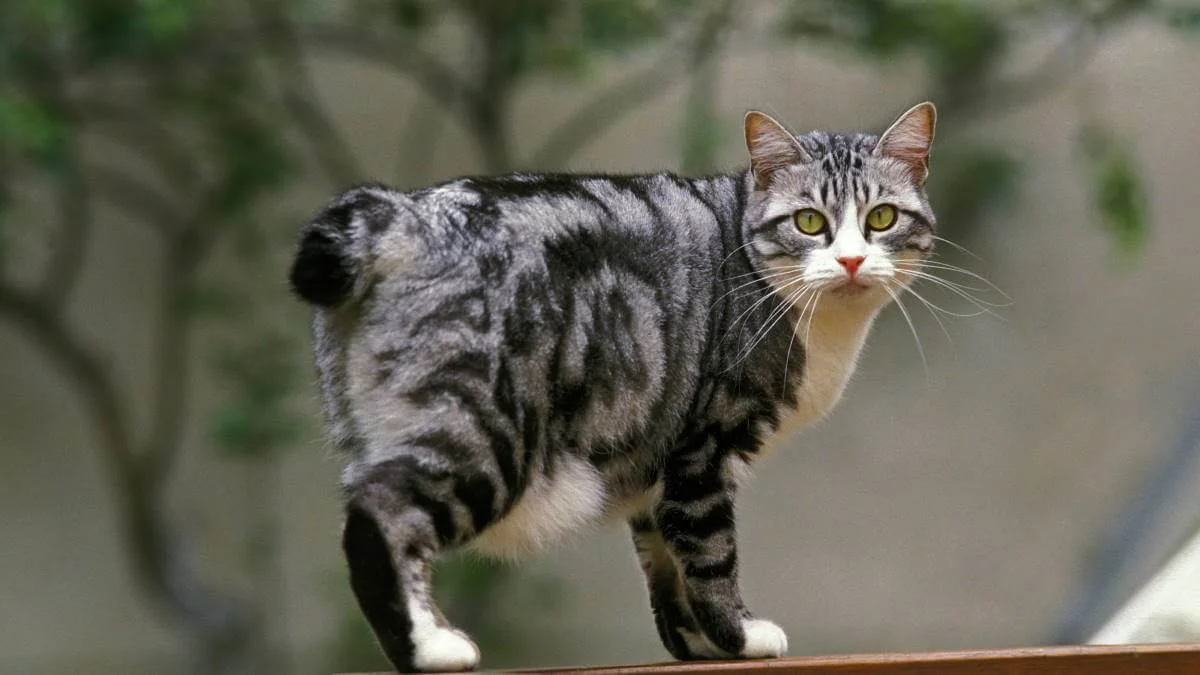
The Manx cat originates from the Isle of Man and is famous for a naturally occurring genetic mutation. They are one of the most recognized domestic animals without tails found in feline breeds today.
This genetic trait shortens the spine, leaving many individuals completely tailless or with short stubs. Despite lacking a rear appendage, they maintain excellent balance, agility, and leaping ability.
Their unique physical look stems from a dominant gene that altered spinal development centuries ago. Pure Manx cats, often called “rumpies,” display a distinct hollow where a tail base normally rests.
They compensate for missing appendages by utilizing exceptionally strong, elongated back legs for powerful leaps. Their calm personality, intelligence, and rounding body features make them cherished companions among cat enthusiasts.
Capybara
- Scientific Name: Hydrochoerus hydrochaeris
- Class: Mammalia
- Diet: Herbivore
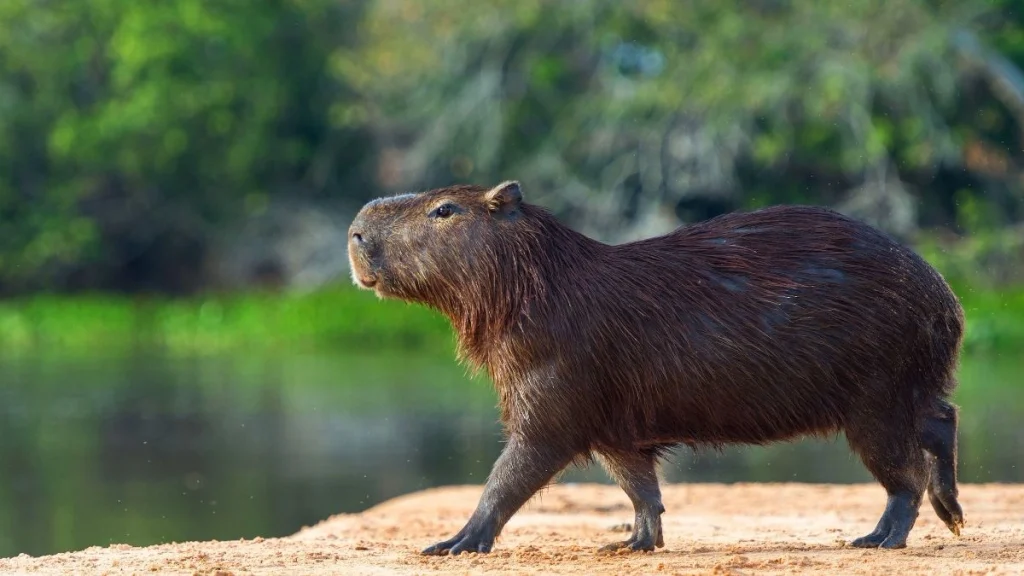
Capybaras are the world’s largest living rodents, native to the lush wetlands of South America. They are prominent semi-aquatic animals with no tails disrupting their heavy, barrel-shaped body structure.
Their lack of a rear extension helps them swim efficiently through rivers and lakes without drag. Their large feet and dense muscle structure make them superb swimmers and graceful grazers.
These gentle giants spend substantial time submerged in water to stay cool and escape land predators. Their eyes, ears, and nostrils rest high on their heads for breathing while keeping hidden under surfaces.
Having no tail prevents unnecessary drag while paddling through dense aquatic vegetation and muddy riverbanks. Their barrel-like torsos and webbed feet provide all necessary propulsion without requiring rear steering aids.
Spiders
- Scientific Name: Araneae
- Class: Arachnida
- Diet: Carnivore
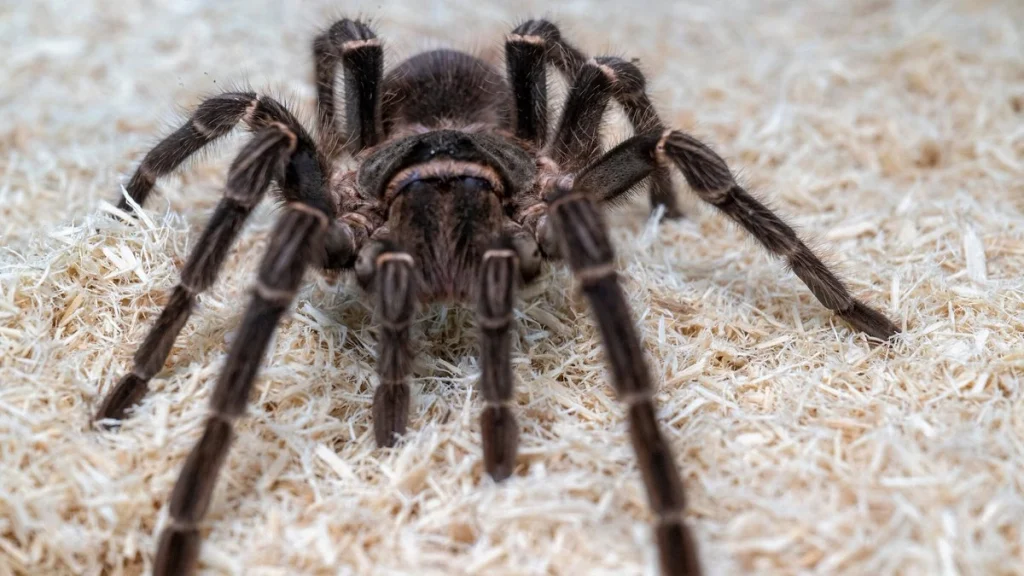
Spiders belong to the arachnid family and possess segmented bodies consisting of a cephalothorax and abdomen. They represent a fascinating invertebrate example of animals with no tails in nature.
Instead of caudal extensions, their abdomens terminate in specialized spinneret organs that produce silk. They use these silk structures to build intricate webs, hunt prey, and protect eggs.
Arachnids possess distinct body organization clearly separate from vertebrates that develop spinal post-anal appendages. Their abdomens hold vital internal organs, digestive tracts, and specialized silk glands for environmental survival.
Having no tail allows unhindered rotation when drawing out silk strands for intricate web weaving. Their eight versatile legs handle locomotion, sensory input, and prey capture with extreme precision and speed.
Kiwi Bird
- Class: Aves
- Diet: Omnivore
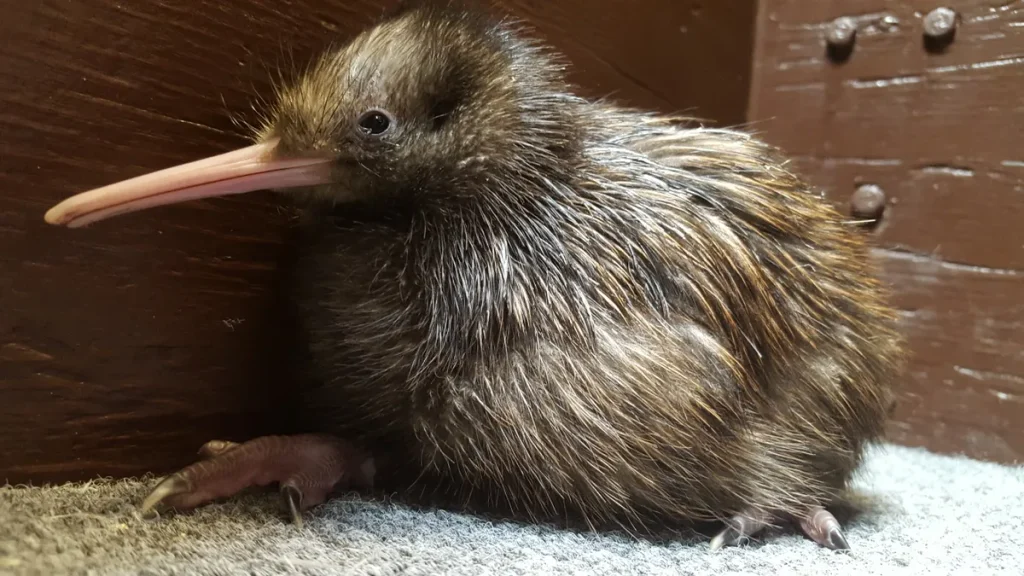
Kiwi birds are small, flightless avian species native exclusively to the islands of New Zealand. Unlike most flying birds that use rear feathers for flight steering, the kiwi has no tail feathers.
Their compact, round bodies are covered in shaggy feathers that resemble coarse hair or fur. They spend their nights snuffling through soil with long beaks to search for invertebrates.
Evolution in isolated island environments without native land mammals rendered avian flight completely unnecessary for kiwis. Over millions of years, their wings shrank to tiny stubs while tail feathers vanished entirely.
Without flight steering demands, a light fan-like tail lost all functional purpose for ground-dwelling foraging routines. Their heavy marrow-filled bones and muscular legs support rapid running through dense, dark forest underbrush.
Octopus
- Scientific Name: Octopus vulgaris
- Class: Cephalopoda
- Diet: Carnivore
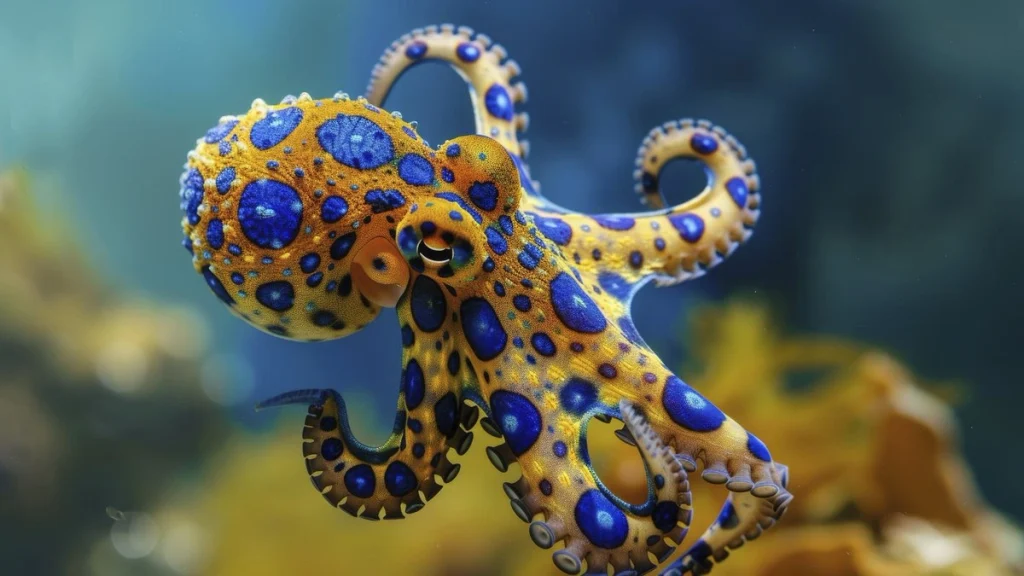
An octopus is an incredibly intelligent marine mollusk that lives in oceans across the globe. They are famous soft-bodied ocean animals without tails structures behind their main mantle head.
Instead of caudal fins, their anatomy consists of a large mantle and eight flexible tentacles. They navigate deep waters by shooting water jets through a funnel to propel themselves forward.
As soft-bodied cephalopods, octopuses lack any internal rigid skeleton or external tail structure entirely. Their bodies can squeeze through tiny crevices in coral reefs to escape oceanic threats quickly.
Hydrodynamic jet propulsion allows swift backward movement without needing caudal tail fins for directional steering. Their highly flexible arms handle intricate maneuvering, camouflage posture changes, and complex tool manipulation.
Conclusion
Exploring these various animals without tails highlights how diverse life on Earth truly is across species. Each organism has adapted perfectly to its lifestyle without needing extra rear appendages for survival.
Whether looking at household pets or wild mammals, these animals thrive through unique traits. Lacking a tail proves that nature always finds innovative ways to adapt every living creature.
Frequently Asked Questions
Why do Some Animals not Have Tails?
Animals evolve without tails when their environment makes a rear appendage unnecessary for balance or defense. Over generations, natural selection removes redundant traits to streamline the body and save energy.
How do Tailless Animals Maintain Their Balance?
Tailless animals use strong core muscles, broader pelvic structures, and specialized limbs for physical balance. Inner ear stability systems also help them adjust their posture and movement dynamically without tails.
Are There any Birds Born Without Tails?
Yes, flightless birds like the kiwi naturally lack tail feathers since they do not navigate through air. Additionally, domestic poultry breeds like Araucana chickens are born naturally rumpless due to genetic traits.
What is the Difference Between a Vestigial Tail and no Tail?
A vestigial tail refers to a reduced internal tailbone remnant, such as the human or ape coccyx. True taillessness means an organism’s skeletal framework or anatomy lacks caudal structures altogether.
Can Animals Without Tails Live Healthy Lives?
Yes, common domestic pets like guinea pigs and Manx cats lead completely normal and active lives. Their inner ear systems and adapted muscular legs fully compensate for the lack of a tail.