Top 30 Energetic Animals in The World (With Images)
The natural world is full of incredible creatures that display high stamina, relentless movement, and unbelievable endurance every single day. From fast predators roaming open plains to tiny insects that work non-stop, each energetic animal brings unique physical abilities to its natural environment. Understanding how these lively creatures move, hunt, and play gives us deep insight into wildlife survival and adaptation across diverse global habitats.
These remarkable physical capabilities allow wildlife to thrive in extreme weather conditions, evade apex predators, and locate scarce resources over massive territories. Observing these dynamic behaviors helps researchers understand the limits of biological speed, cardiovascular efficiency, and metabolic endurance.
List of Most Energetic Animals in The World
Here is the organized list of all the energetic animals featured in the guide:
- Kangaroos
- Mustang Horse
- Squirrel
- Jack Russell Terrier
- Cheetahs
- Meerkat
- Pronghorn
- Ants
- Red Fox
- Capuchin Monkey
- Wolf
- Arctic Tern
- Adélie Penguin
- Tasmanian Devil
- Baby Goats
- African Wild Dogs
- Swallow
- Hummingbirds
- Chimpanzee
- Dolphins
- Siberian Husky
- Shrews
- Dragonfly
- Arabian Horse
- Squirrel Monkeys
- Sea Otters
- Honeybees
- Border Collies
- Gazelle
- Coconut Crab
Kangaroos
- Scientific name: Macropus
- Class: Mammalia
- Diet: Herbivore
Every single kangaroo is a remarkably energetic animal that bounces across the Australian outback with incredible speed. This wild species covers vast distances daily, proving why it stands out as an energetic animal of unmatched physical endurance. Nature lovers often study this species because it functions as an energetic animal full of boundless vitality.
Their muscular hind legs store elastic strain energy in large tendons, allowing them to hop continuously for hours without expending excessive energy. This unique biomechanical design lets them traverse scorching desert landscapes while seeking fresh grazing grass and water holes.
Mustang Horse
- Scientific name: Equus caballus
- Class: Mammalia
- Diet: Herbivore
The free-roaming mustang horse is a lively energetic animal that gallops across rugged plains with relentless stamina. As a powerful species, every horse remains a resilient energetic animal capable of running for hours without stopping. Trainers and wildlife observers admire how each horse behaves as an energetic animal full of untamed spirit.
These wild horses constantly move across rocky terrain to avoid predators, search for water, and protect their herds from rival stallions. Their powerful hearts and strong hoof structures enable them to cover up to twenty miles a day without slowing down.
Squirrel
- Scientific name: Sciurus carolinensis
- Class: Mammalia
- Diet: Omnivore
The agile tree squirrel is a busy energetic animal that dartingly leaps between branches in a non-stop search for food. Every tree species functions as an active energetic animal that treats every park or forest as its personal playground. Observers marvel at how this small rodent stays an energetic animal from sunrise until sunset every day.
Their hyperactive nature is driven by an intense instinct to collect, store, and hide thousands of seeds and nuts before cold weather arrives. Their sharp claws and flexible ankle joints give them the agility to navigate dizzying canopy heights with effortless speed.
Jack Russell Terrier
- Scientific name: Canis lupus familiaris
- Class: Mammalia
- Diet: Omnivore
The lively Jack Russell Terrier is a popular energetic animal packed with an explosive amount of daily stamina. As a driven working breed, this loyal energetic animal thrives when playing fetch, proving it is never idle or sluggish. Owners quickly learn that this energetic animal requires constant mental and physical exercise to stay happy and healthy.
Bred originally for fox hunting, these small dogs possess boundless enthusiasm and a fierce determination to explore every corner of their environment. Their high aerobic capacity means they can run and jump continuously without showing signs of exhaustion.
Cheetahs
- Scientific name: Acinonyx jubatus
- Class: Mammalia
- Diet: Carnivore
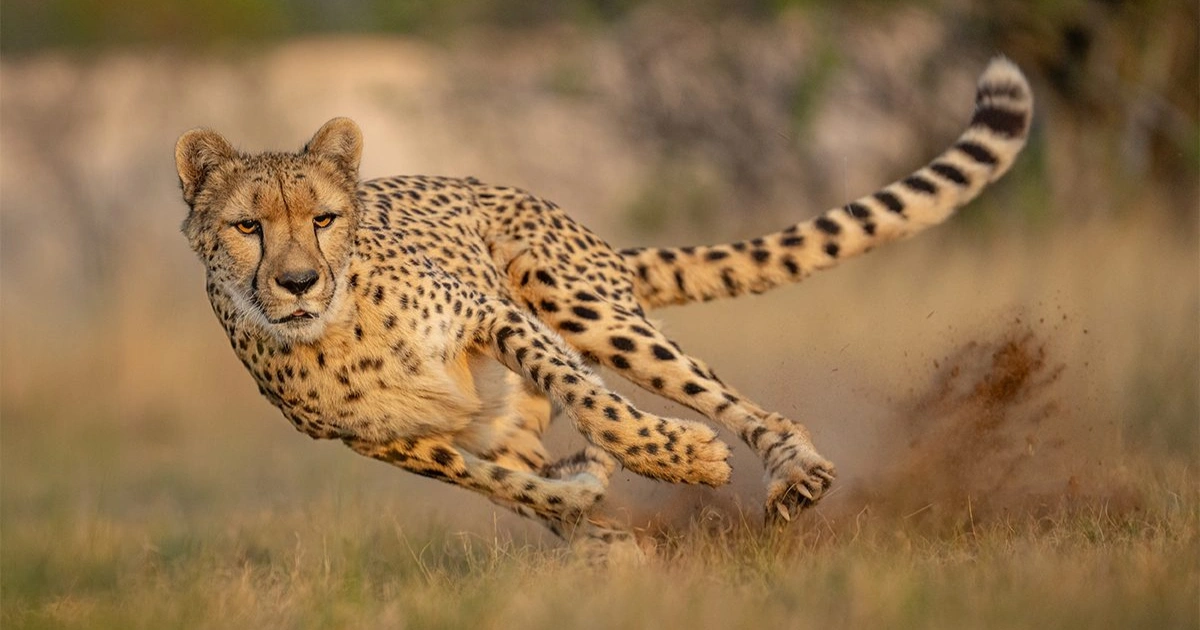
The cheetah is renowned across the globe as the fastest land-dwelling energetic animal on Earth. Capable of accelerating from zero to sixty miles per hour in seconds, this energetic animal relies on high-speed chases to capture prey. Every burst of sprinting demonstrates why this predator remains a top energetic animal in African savannas.
Their specialized anatomy includes large nasal passages, flexible spines, and non-retractable claws that provide maximum traction on dirt paths. Although their sprints are brief, the sheer explosive output required for each pursuit demands peak muscular performance.
Meerkat
- Scientific name: Suricata suricatta
- Class: Mammalia
- Diet: Insectivore
The meerkat is a highly social energetic animal that spends its days digging burrows, foraging, and keeping watch for dangerous predators. Living in complex desert colonies, this energetic animal rarely rests during daylight hours. Its relentless alertness and playfulness highlight how small creatures can be continuously lively in harsh desert climates.
Members of the mob rotate duties constantly, ensuring that while some dig extensive underground tunnels, others stay on sentry duty watching the skies. Their continuous chatter and coordinated actions keep the entire group constantly moving across the arid landscape.
Pronghorn
- Scientific name: Antilocapra americana
- Class: Mammalia
- Diet: Herbivore
The pronghorn is a North American energetic animal built specifically for long-distance running across open prairie habitats. Able to maintain high speeds over many miles, this energetic animal leaves fast predators far behind in intense chases. Wildlife experts frequently rank it as a premier energetic animal due to its incredible aerobic capacity.
Their oversized windpipes, huge lungs, and extra-large hearts allow them to consume massive quantities of oxygen while running at top speeds. This incredible cardiovascular setup enables them to sustain a rapid pace that outlasts almost any other land creature.
Ants
- Scientific name: Formicidae
- Class: Insecta
- Diet: Omnivore
An ant is a tiny energetic animal that works tirelessly alongside thousands of nestmates to build colonies and harvest food. Capable of carrying loads many times its body weight, this insect acts as a dedicated energetic animal throughout its life. Their collective endurance makes them key examples of hyperactive insect life on Earth.
These disciplined insects work in continuous shifts, hauling heavy foliage, excavating underground chambers, and defending their queen from invading colonies. Their tireless physical labor ensures the entire nest survives changing seasons and environmental threats.
Red Fox
- Scientific name: Vulpes vulpes
- Class: Mammalia
- Diet: Omnivore
The red fox is a cunning energetic animal that pounces through snowy fields and dense woods in search of small prey. Known for agile leaps and quick reflexes, this energetic animal covers large territories every night. Its sharp hunting instincts ensure it remains an active energetic animal across varying seasonal landscapes.
They possess exceptional hearing that allows them to detect small rodents moving beneath deep layers of snow before leaping high into the air. This active nocturnal lifestyle requires constant trotting, climbing, and hunting across diverse rural and urban terrains.
Capuchin Monkey
- Scientific name: Cebus
- Class: Mammalia
- Diet: Omnivore
The capuchin monkey is an intelligent energetic animal that spends hours swinging through rainforest canopy tops. Always exploring, playing, or searching for nuts, this energetic animal rarely stays still during its waking hours. Its curious mind and high physical agility clearly show the dynamic lifestyle of tropical primates.
Their prehensile tails act as a fifth limb, enabling them to leap rapidly between branches while carrying heavy forest fruits or specialized tools. Their high cognitive energy drives them to continuously solve complex obstacles to gather hidden food sources.
Wolf
- Scientific name: Canis lupus
- Class: Mammalia
- Diet: Carnivore
The wild wolf is an enduring energetic animal that travels dozens of miles across snowy terrain with its pack. Built for long hunts, this persistent energetic animal tracks prey until the target eventually tires out completely. Its unmatched stamina secures its reputation as an apex predator and resilient energetic animal.
Their broad paws, thick winter coats, and muscular legs are perfectly suited for long marches across deep snowdrifts and freezing winds. By working in organized packs, they maintain a continuous pace that exhausts larger ungulates over prolonged pursuits.
Arctic Tern
- Scientific name: Sterna paradisaea
- Class: Aves
- Diet: Carnivore
The Arctic tern is a migratory seabird and an incredible energetic animal that flies thousands of miles annually between poles. Enduring vast ocean journeys, this energetic animal spends much of its life airborne in relentless flight. Its global migration journey makes it one of the most long-distance energetic creatures on the planet.
By traveling from the Arctic to the Antarctic and back every year, these birds experience two summers annually and catch more daylight than any other creature. Their lightweight bodies and aerodynamically efficient wings allow them to glide effortlessly on oceanic winds.
Adélie Penguin
- Scientific name: Pygoscelis adeliae
- Class: Aves
- Diet: Carnivore
The Adélie penguin is an energetic animal that navigates harsh Antarctic ice and freezing waters with constant movement. Swapping between swift swimming and tobogganing across ice, this energetic animal marches miles to reach breeding grounds. Its determination in extreme cold highlights its place among resilient polar fauna.
During the breeding season, adults work continuously to collect hundreds of small pebbles to construct elevated stone nests on rocky shores. They dive repeatedly into frigid ocean waters to catch krill, traveling vast marine distances to feed their hungry chicks.
Tasmanian Devil
- Scientific name: Sarcophilus harrisii
- Class: Mammalia
- Diet: Carnivore
The Tasmanian devil is a feisty energetic animal known for intense scavenging, vocal growls, and fast movements. Wandering broad territories nightly for food, this energetic animal displays aggressive enthusiasm during feeding frenzies. Its bold personality makes it a unique marsupial native to Australian islands.
Despite their stocky build, these carnivorous marsupials can travel surprisingly fast and cover extensive distances in search of fresh carrion. Their energetic biting force and ferocious eating habits allow them to consume entire carcasses, including bones and hide.
Baby Goats
- Scientific name: Capra hircus
- Class: Mammalia
- Diet: Herbivore
A baby goat is a playful energetic animal famous for springing into the air and climbing steep obstacles with ease. Full of youthful vigor, this domestic energetic animal runs across farm fields in joyful bursts of movement. Their endless jumping and bouncing bring joy to farmers and animal lovers worldwide.
Their sharp instincts push them to practice climbing skills early on, turning rocky mounds, wooden fences, and barn structures into climbing arenas. This endless jumping helps build muscle strength and coordination essential for their adult lives on steep mountain slopes.
African Wild Dogs
- Scientific name: Lycaon pictus
- Class: Mammalia
- Diet: Carnivore
The African wild dog is a cooperative energetic animal that works in tight packs to pursue prey across vast distances. Relying on stamina rather than raw strength, this energetic animal exhausts faster prey through relentless coordination. Their success rate makes them one of the most efficient predatory species on the continent.
Their long, lean legs and large lungs are tailored for sustained pursuits that wear down fast-moving antelopes over several miles. They communicate through high-pitched vocalizations while running, ensuring the pack maintains a tight formation during grueling hunts.
Swallow
- Scientific name: Hirundinidae
- Class: Aves
- Diet: Insectivore
The swallow is an aerial energetic animal that performs acrobatic maneuvers while catching insects mid-flight. Darting swiftly across open skies, this energetic animal rarely touches the ground except when building mud nests. Its graceful, constant flight demonstrates high energy levels throughout warm seasonal months.
They spend hours executing tight turns, rapid dives, and sudden ascents near water sources where swarms of flying insects gather. Their continuous aerial hunting supplies the high caloric intake needed to power their long-distance seasonal migrations.
Hummingbirds
- Scientific name: Trochilidae
- Class: Aves
- Diet: Nectarivore
The hummingbird is a hyperactive bird that flaps its wings up to eighty times per second while hovering over flowers. Driven by a rapid metabolism, this tiny creature must feed constantly throughout the day to survive. Its incredible heart rate and fast movement make it an exceptionally dynamic winged species.
To support such intense physical activity, their hearts beat over a thousand times per minute during active flight maneuvers. They zip between hundreds of nectar-rich blossoms daily, spending almost their entire awake life moving at extreme speeds.
Chimpanzee
- Scientific name: Pan troglodytes
- Class: Mammalia
- Diet: Omnivore
The chimpanzee is a vocal energetic animal that spends its days climbing trees, grooming, and foraging in rainforests. Communicating through lively displays and tool use, this energetic animal maintains complex social hierarchies within the troop. Its high intelligence is paired with powerful physical bursts during daily rainforest life.
They display remarkable physical power when swinging through upper branches or chasing down small game during organized group hunts. Their active days are filled with vocal hooting, drumming on buttress roots, and swinging playfully through forest clearings.
Dolphins
- Scientific name: Delphinidae
- Class: Mammalia
- Diet: Carnivore
The ocean dolphin is an aquatic species that leaps out of waves and swims alongside marine vessels for fun. Displaying high intelligence and constant activity, this marine mammal hunts in organized pods across open seas. Its playful leaps demonstrate the dynamic energy found throughout marine ecosystems.
Using complex echolocation to map their surroundings, they coordinate speed hunts that herd schools of fish into dense underwater balls. Their sleek bodies minimize water resistance, allowing them to glide rapidly through deep ocean currents with minimal effort.
Siberian Husky
- Scientific name: Canis lupus familiaris
- Class: Mammalia
- Diet: Omnivore
The Siberian Husky is an arctic dog breed developed to pull heavy sleds over sub-zero icy conditions for miles. Possessing natural stamina and high enthusiasm, this canine thrives in cold environments with regular heavy exercise. Its endless working drive makes it a legendary working breed worldwide.
Their unique metabolic adaptation allows them to burn calories efficiently without depleting their glycogen stores during long runs. This exceptional physical trait enables them to pull heavy loads across frozen tundra landscapes for hours on end.
Shrews
- Scientific name: Soricidae
- Class: Mammalia
- Diet: Insectivore
The tiny shrew is a hyperactive mammal that must hunt almost continuously day and night to fuel its rapid metabolism. Voracious and quick, this small creature starves if it goes without food for even a few hours. Its rapid heartbeat drives constant foraging activity beneath leaves and soil.
They dart through leaf litter with blinding speed, using their keen sense of touch to detect worms, beetles, and spiders instantly. Their non-stop hunting routine continues around the clock, resting for only brief moments before resuming their fast-paced search.
Dragonfly
- Scientific name: Anisoptera
- Class: Insecta
- Diet: Carnivore
The dragonfly is an agile insect capable of hovering, flying backward, and accelerating rapidly in pursuit of prey. Equipped with compound eyes and four independent wings, this aerial hunter captures insects mid-air with high efficiency. Its aerial acrobatics make it a powerful insect hunter around freshwater lakes.
Each wing is controlled by separate muscle groups, allowing them to execute sharp mid-air stops, backwards flights, and immediate accelerations. Their fast hunting flights make them one of the most successful predators in the entire insect kingdom.
Arabian Horse
- Scientific name: Equus caballus
- Class: Mammalia
- Diet: Herbivore
The Arabian horse is an elegant equine celebrated historically for its endurance across harsh desert terrains. With strong bone structure and efficient respiratory systems, this horse excels in long-distance riding competitions. Its fiery temperament and stamina make it world-renowned among equestrians.
Bred by desert tribes for endurance riding, these horses developed dense bones, large nostrils, and deep ribs for superior oxygen intake. Their high energy and willingness to work allow them to perform exceptionally well in grueling multiday endurance races.
Squirrel Monkeys
- Scientific name: Saimiri
- Class: Mammalia
- Diet: Omnivore
The squirrel monkey is a fast rainforest primate that travels in large, noisy groups through dense forest foliage. Leaping effortlessly from branch to branch, this quick monkey hunts for fruits and insects throughout the canopy. Its active social nature keeps rainforest treetops buzzing with energetic movement.
Their long tails help them balance on thin twigs as they scramble through dense vines to catch moving insects or ripe berries. They maintain constant communication through soft chirps and squeaks while bouncing rapidly through the upper foliage.
Sea Otters
- Scientific name: Enhydra lutris
- Class: Mammalia
- Diet: Carnivore
The sea otter is a marine mammal that spends its life floating, grooming, and diving for shellfish along ocean coasts. To maintain body heat in cold water, this aquatic creature burns calories at a rapid rate while staying active. If you love coastal mammals, explore animals that look like otters for similar species.
Their high metabolic rate requires them to consume up to twenty-five percent of their body weight in seafood every single day. They spend hours diving to the ocean floor, collecting invertebrates, and vigorously grooming their thick fur coats to maintain insulation.
Honeybees
- Scientific name: Apis mellifera
- Class: Insecta
- Diet: Herbivore
The honeybee is an essential insect that flies miles daily collecting nectar and pollen for its colony hive. Communicating through complex waggle dances, this worker insect operates with constant focus during blooming seasons. For more focused species, read our guide on hard-working animals in the world.
A single worker bee can visit thousands of individual flowers during a single day of active foraging trips outside the nest. Their rapid wing beats require continuous energy, which they sustain by consuming small amounts of flower nectar along their routes.
Border Collies
- Scientific name: Canis lupus familiaris
- Class: Mammalia
- Diet: Omnivore
The Border Collie is a premier herding dog widely recognized for its high intelligence and intense work ethic. Driven to herd livestock across wide pastures, this canine demands ongoing physical tasks and mental stimulation. Their focus and speed make them top performers in agility sports.
Equipped with a crouched stance and intense visual focus known as “the eye,” they run miles controlling large herds of sheep. Their boundless enthusiasm keeps them ready to work from early morning until late evening without losing concentration.
Gazelle
- Scientific name: Eudorcas nasalis
- Class: Mammalia
- Diet: Herbivore
The gazelle is an agile African ungulate built for rapid escapes and graceful leaps across dry savanna plains. Executing high jumps called stotting, this swift herbivore deters predators by displaying immense stamina. To see how other species survive harsh habitats, read about animals that eat cactus.
Their slender limbs and lightweight bodies allow them to make sharp turns at high speeds, confusing pursuing cheetahs or lions. They remain vigilant and active throughout the day, constantly scanning open horizons while grazing on fresh grasses.
Coconut Crab
- Scientific name: Birgus latro
- Class: Malacostraca
- Diet: Omnivore
The coconut crab is a massive terrestrial crustacean strong enough to crack open tough tropical nuts with its claws. Roaming tropical islands for food, this powerful climber demonstrates incredible strength during nightly foraging. Learn more about unique feeding habits in our piece on animals that eat coconuts.
These giant arthropods scale tall palm trees to knock down coconuts before using their powerful pincer claws to peel away fibrous husks. Their deliberate, powerful movements allow them to explore large island territories in search of varied food sources.
Conclusion
Exploring these spirited creatures shows the amazing diversity of movement, stamina, and physical strength in the animal kingdom. Whether observing high-speed land predators or tireless insects, every species adapts its physical drive to thrive in its natural environment.
To discover more unique physical traits, check out our article on flexible animals in the world. Alternatively, if you want to explore different aspects of animal intelligence, read about animals with lowest IQ.
FAQs
What Animal Has the Highest Stamina in the World?
Animals like the Arctic tern, pronghorn, and Siberian Husky are famous for unmatched endurance over long distances.
Why are Some Small Animals so Energetic?
Small creatures often have much higher metabolic rates, requiring constant movement and feeding to maintain their energy levels.
Do Energetic Animals Need More Food Daily?
Yes, species with active lifestyles burn calories quickly and need continuous nourishment to sustain high physical output.