Explore Top 14 Animals That Eat Rabbits (With Pictures)
Key Takeaways
- Rabbits face constant pressure from diverse land and aerial predators across every continent they inhabit.
- Speed, agility, camouflage, and deep underground warrens serve as a rabbit’s primary evolutionary defenses.
- Predators maintain critical balance across forest, meadow, and desert habitats by regulating small mammal populations.
- Hunting methods vary wildly in nature, ranging from high-speed aerial stoops to patient, silent underground tracking.
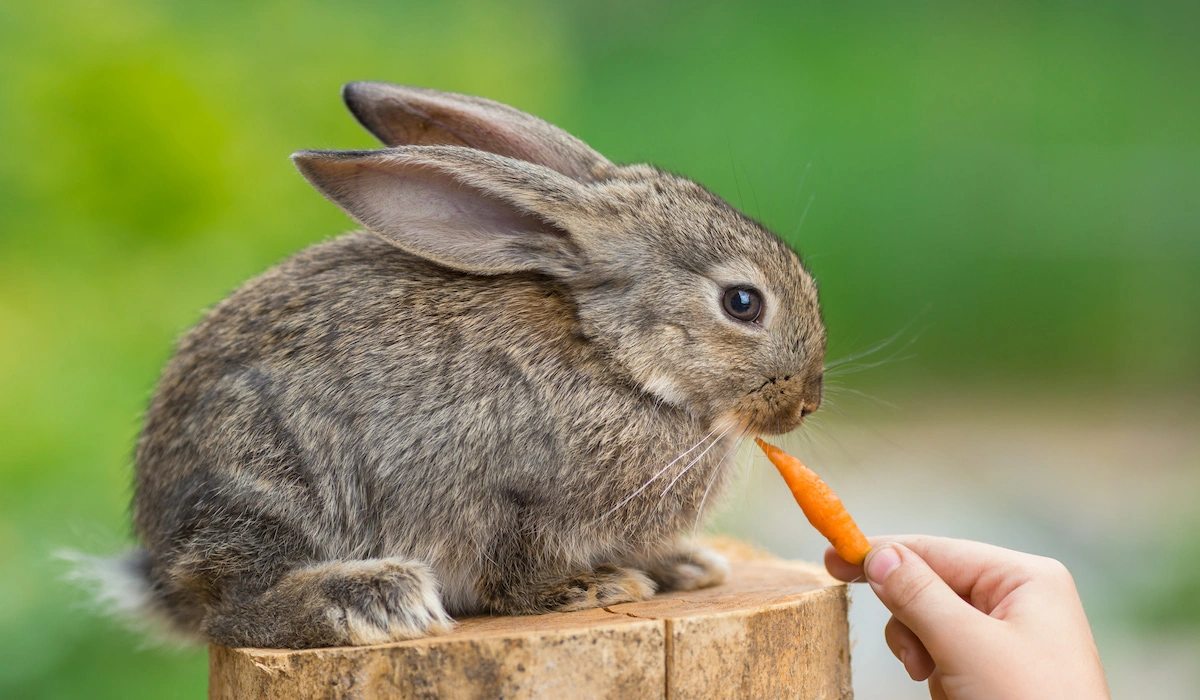
Have you ever watched a tiny wild bunny hopping across a quiet yard and wondered how it manages to stay safe?
It turns out that life in the wild is extremely challenging for these small mammals. Plenty of natural hunters rely on them as an essential source of calorie-dense protein for daily survival across nearly every continent. Understanding which animals that eat rabbits dominate the ecosystem gives us a fascinating, detailed look into nature’s intricate food webs.
Here at Animals Royalty, we love diving deep into wildlife behavior to examine how predator-prey dynamics maintain ecological health and species diversity. Because wild rabbits and hares multiply rapidly, they form a foundational link in terrestrial food chains. From massive apex carnivores to slender subterranean hunters, a vast array of mammals, birds, and reptiles depend on wild lagomorphs.
AI Overview
Rabbits are a fundamental prey species in global terrestrial ecosystems. Numerous ground carnivores, birds of prey, and reptiles hunt them to sustain their populations. The top animals that eat rabbits include red foxes, coyotes, bobcats, great horned owls, red-tailed hawks, snakes, and mustelids like badgers and weasels. These predators utilize strategies such as silent aerial swooping, subterranean excavation, and high-speed pursuit to overcome rabbit defenses.
Comprehensive List of Animals That Eat Rabbits
To survive in environments swarming with predators, wild rabbits must maintain total vigilance. Their lives are spent dodging danger from above, along the ground, and even beneath the earth inside their own warrens. Here is a detailed breakdown of fourteen prominent animals that hunt rabbits in the wild.
1. Red Foxes
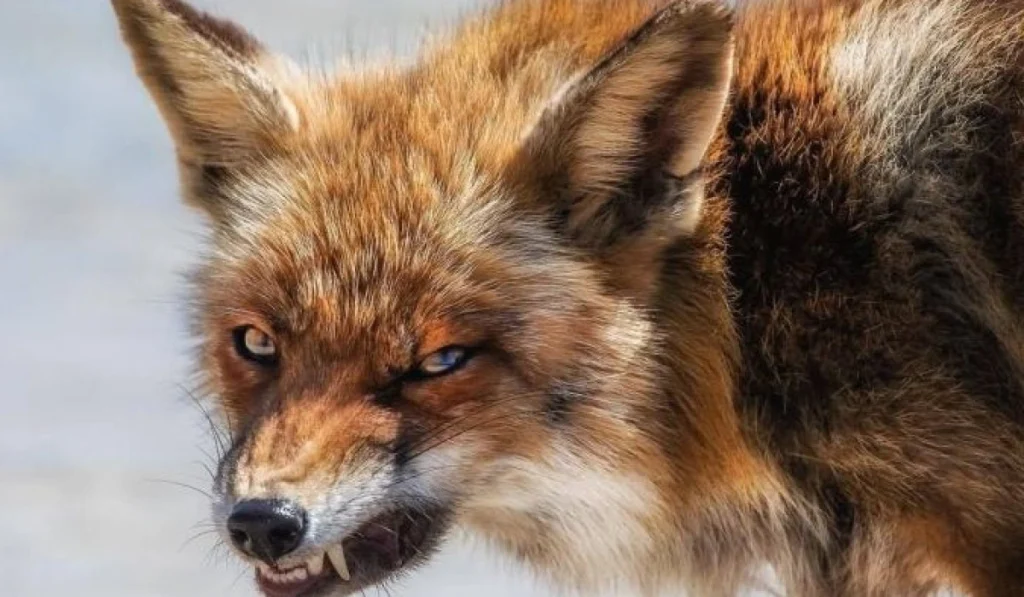
Red foxes (Vulpes vulpes) are perhaps the most widespread and recognizable natural predators of wild rabbits across North America, Europe, and Asia. These intelligent canids possess exceptionally acute hearing tuned to detect the high-frequency rustling of leaves or underground movements inside shallow warrens.
When hunting in open fields, a red fox will freeze, pinpoint the rabbit’s precise location through sound, and execute a characteristic high-arching pounce. Landing directly onto the prey with its front paws, the fox delivers a swift bite to the back of the neck or head, killing the rabbit instantly.
During breeding seasons, when juvenile kits are abundant, rabbits can make up the vast majority of a fox’s daily diet. If a fox catches more rabbits than it can immediately consume, it frequently caches the excess prey in shallow dirt holes or beneath snow cover for leaner days.
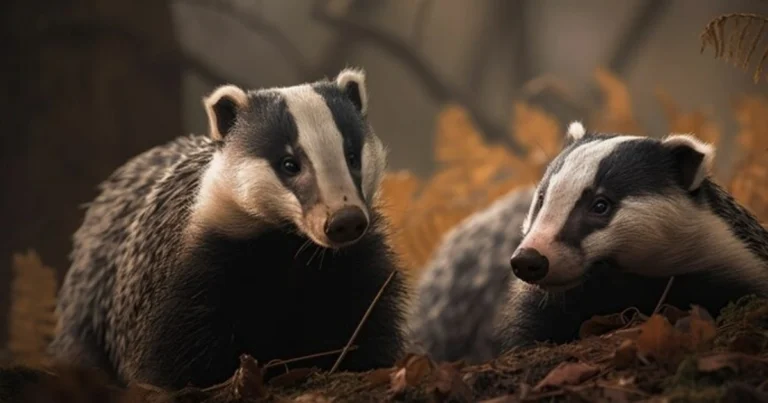
2. Badgers
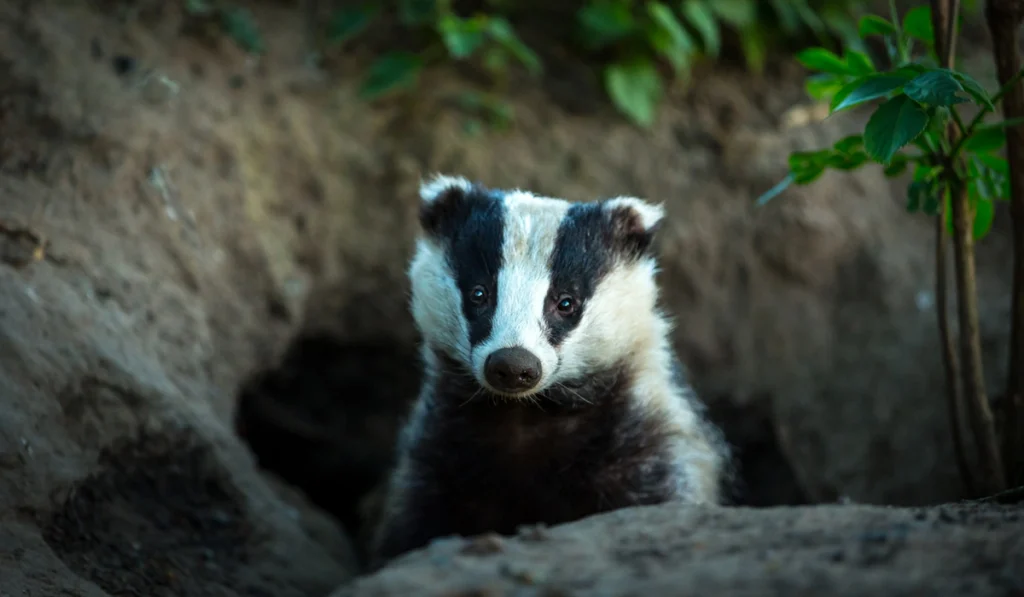
Badgers represent a terrifying threat to rabbits, particularly when those rabbits feel safest underground. Equipped with stocky, muscular bodies, low centers of gravity, and long, knife-like front claws, badgers are built for earthmoving.
While a rabbit can easily outrun a badger on open ground due to the badger’s clumsy gait, underground warrens tell a different story. Badgers use their keen olfactory sense to track scent trails leading down into active warrens.
Once a nest chamber is identified, the badger rapidly digs through packed soil, collapsing escape tunnels and cornering entire rabbit families inside. Badgers frequently target nursery burrows containing helpless newborn kits, unearthing them with brute force during nighttime foraging runs.
3. Bobcats
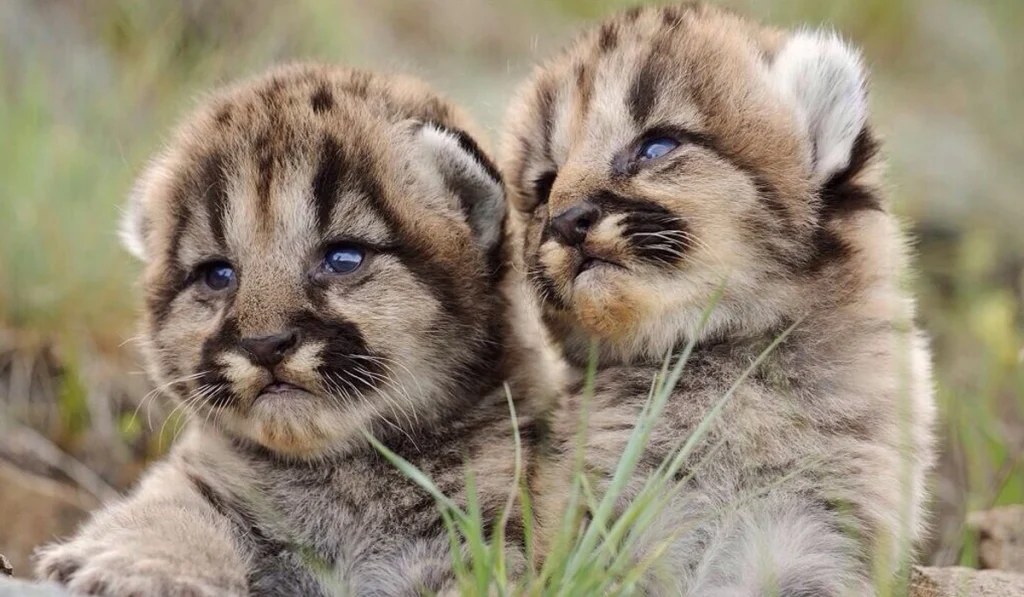
The bobcat (Lynx rufus) is a stealth predator native to North America, ranging from southern Canada deep into central Mexico. These medium-sized wildcats are specialized obligate carnivores that rely heavily on cottontail rabbits and hares as primary prey targets.
Unlike canids that may engage in longer pursuits, bobcats rely almost exclusively on extreme patience, camouflage, and ambush tactics. A bobcat will crouch behind fallen logs, rock outcrops, or brush piles along known rabbit trails, remaining motionless for hours.
When an unsuspecting cottontail hops within striking distance typically within 10 to 20 feet, the bobcat explodes forward in a series of powerful bounding leaps, securing the prey with sharp retractable claws before it can reach top speed.
4. Weasels
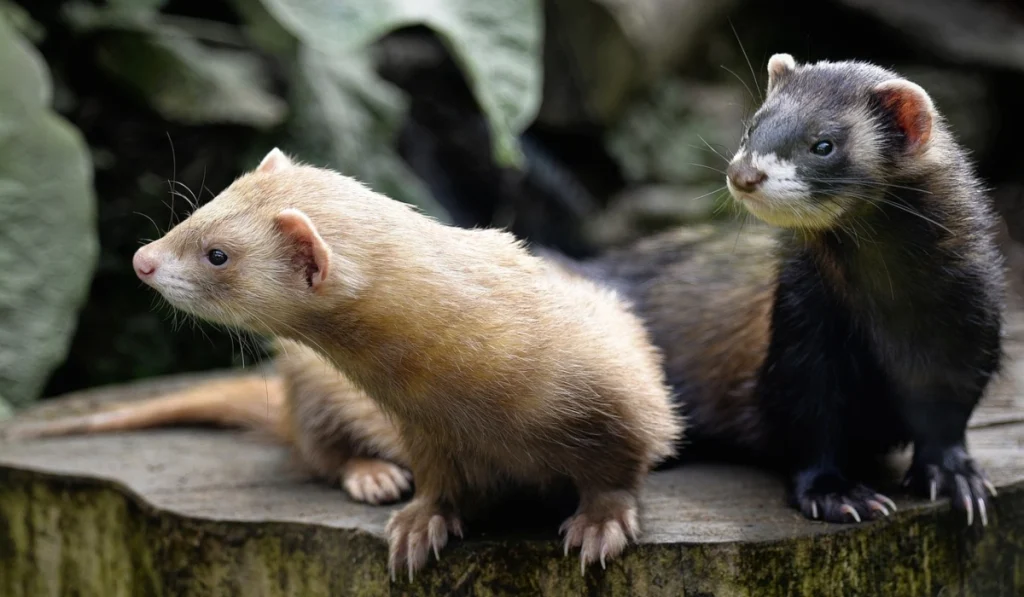
Despite their small, slender frames, weasels (Mustela) are among the most fearless and efficient hunters in the animal kingdom. Species like the short-tailed weasel (stoat) and least weasel routinely target prey several times their own size, including full-grown adult wild rabbits.
A weasel’s long, flexible, cylindrical body allows it to enter rabbit burrows directly, pursuing rabbits through their private escape routes where larger predators cannot follow. Weasels hunt using a combination of relentless tracking and hyper-aggressive strikes, latching onto the base of the rabbit’s skull and delivering powerful bites to sever the spine or windpipe.
Due to a soaring metabolic rate that requires them to consume up to 40% of their body weight daily, weasels hunt continuously day and night.
Related Reading: Check out our detailed guide on the Dirtiest Animals in The World!
5. Wild and Domestic Canines
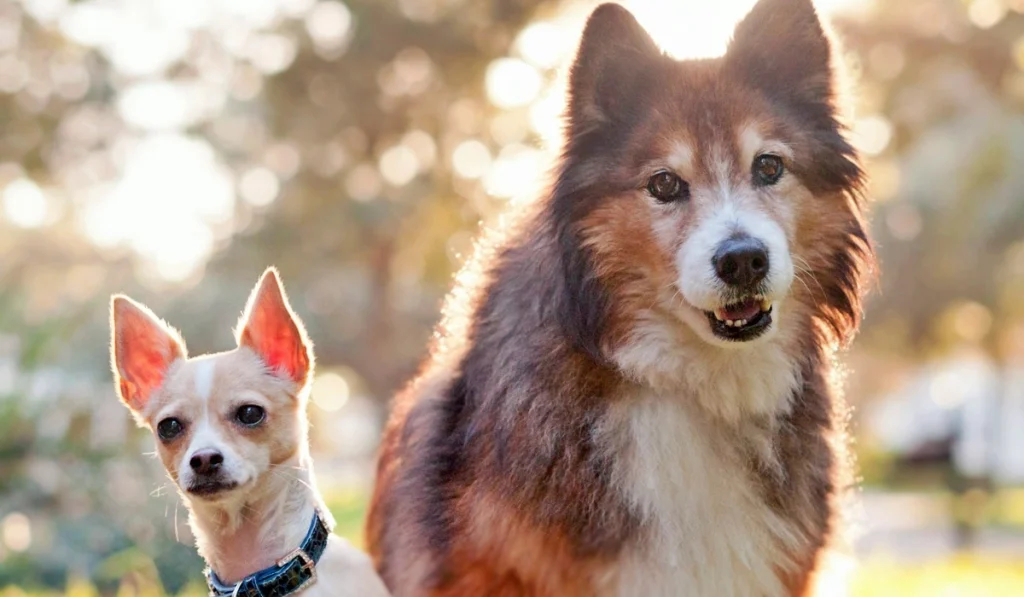
Canines of all sizes present significant threats to rabbit populations globally. Wild canids like jackals, dingoes, and African wild dogs work in coordinated packs or breeding pairs to flush rabbits out of dense thickets into open areas where endurance running gives the canines a clear advantage.
Furthermore, domestic dogs (Canis lupus familiaris) retain deep predatory drive. Sighthounds such as Greyhounds, Salukis, and Whippets were historically bred over centuries for coursing, using superior eyesight and lightning-fast acceleration to catch sprinting hares and rabbits over open terrain. Smaller hunting breeds like Jack Russell Terriers and Dachshunds were selectively bred to go to ground, flushing or killing rabbits inside subterranean burrows.
6. Great Horned Owls
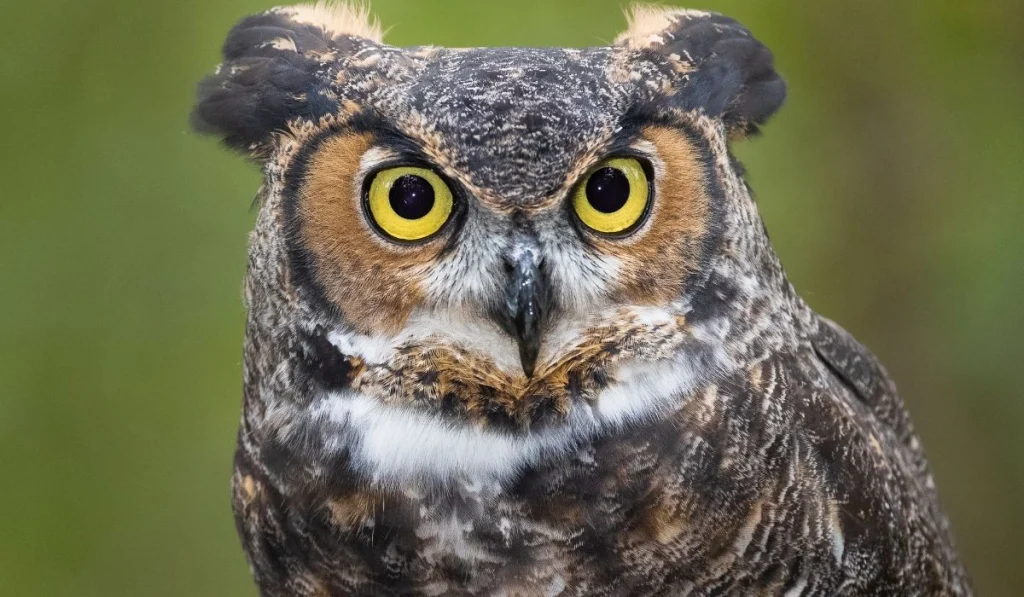
Referred to frequently as the “tiger of the sky,” the Great Horned Owl (Bubo virginianus) is a apex avian predator across the Americas. These massive raptors feature broad wings with comb-like serrations on the leading edges of their primary feathers, which disrupt air turbulence and render their flight entirely silent.
Because rabbits are crepuscular and nocturnal, foraging heavily under the cover of dusk and darkness, they fall directly within the Great Horned Owl’s hunting window. Perched high in tree canopies, the owl uses asymmetric ear openings and exceptional low-light vision to locate a moving rabbit on the ground below.
Gliding downward silently, the owl hits the rabbit with massive talons capable of exerting over 300 pounds per square inch of crushing pressure, instantly paralyzing or killing the prey.
7. Ferrets and Polecats
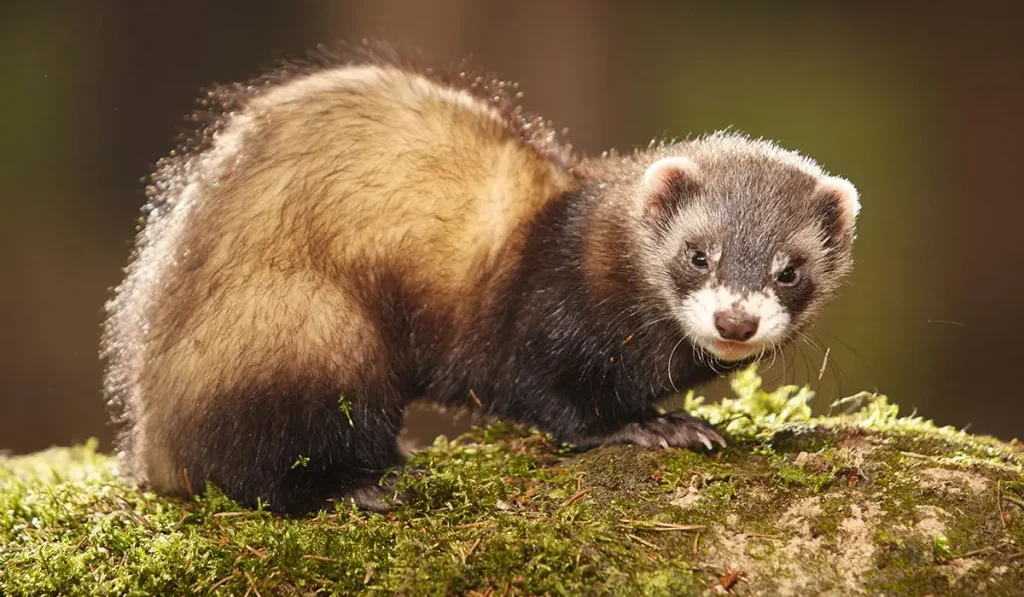
Black-footed ferrets in North America and European polecats in Eurasia are mustelid relatives that specialize in hunting subterranean and ground-dwelling small mammals. Black-footed ferrets, for instance, rely heavily on prairie dogs and wild rabbits for survival.
These sleek carnivores hunt mainly at night or during twilight hours, slipping into underground burrows while rabbits are sleeping or resting. Their long whiskers and acute sense of smell allow them to navigate pitch-black tunnel systems with ease.
Historically, humans recognized this natural hunting proficiency and domesticated ferrets specifically for “ferreting” sending them into wild rabbit burrows to flush the lagomorphs out into nets or waiting hunters.
8. Golden Eagles
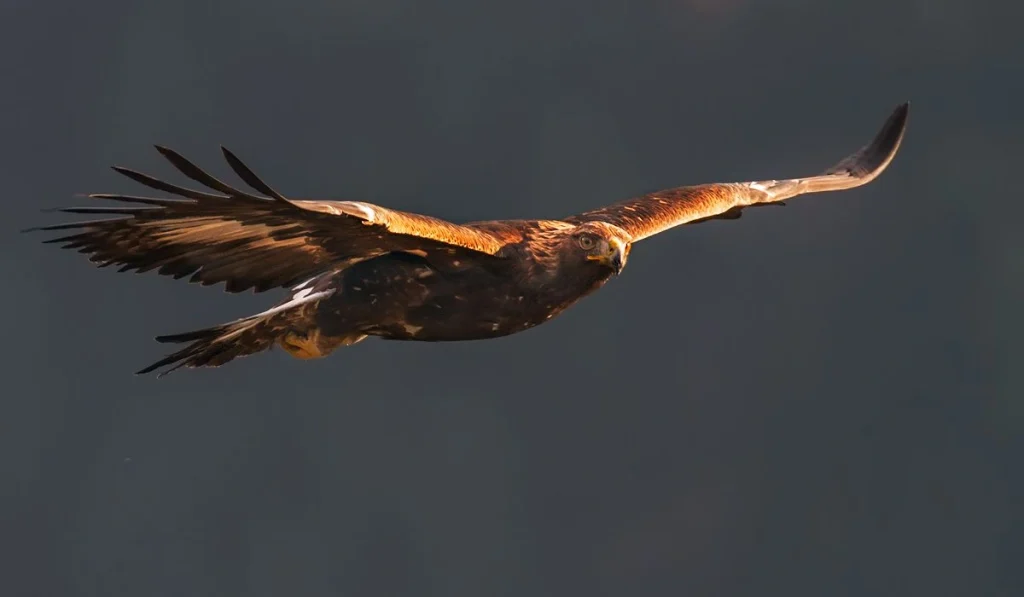
Golden Eagles (Aquila chrysaetos) are apex aerial predators commanding vast mountain ranges, moorlands, and open steppe environments throughout the Northern Hemisphere. With wingspans exceeding seven feet and visual acuity up to eight times sharper than human vision, a Golden Eagle can spot a stationary hare or rabbit from over a mile away.
Once a target is spotted, the eagle tucks its wings and enters a high-speed dive, known as a stoop, reaching speeds over 150 to 200 miles per hour. The impact alone from the eagle’s heavy, sharp talons is often enough to kill an adult rabbit on contact. Eagles routinely carry full-grown rabbits back to cliffside nests to feed their offspring.
9. Wolves
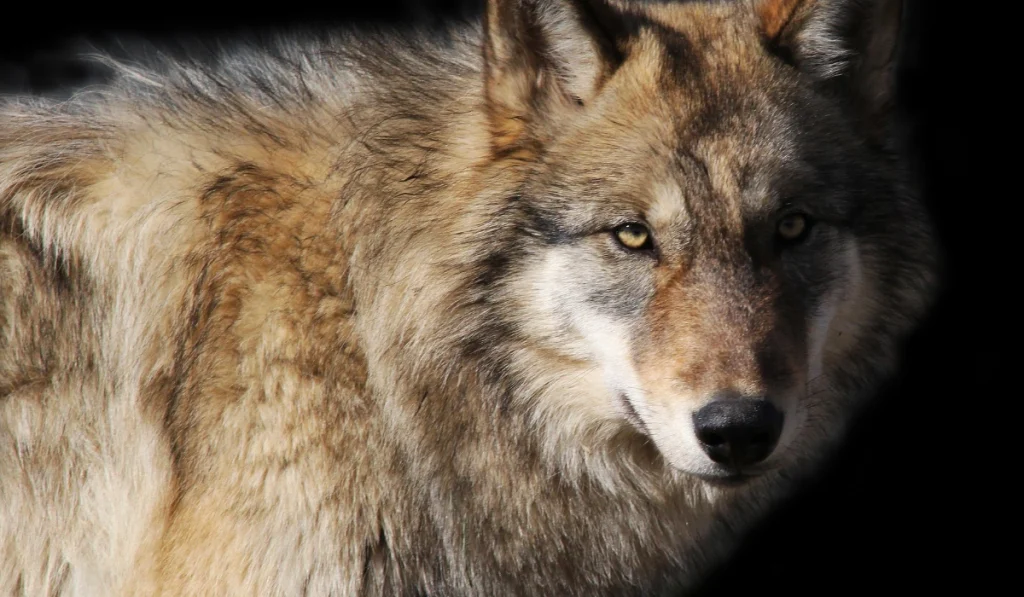
While gray wolves (Canis lupus) are famous for taking down massive ungulates like moose, elk, and bison in pack hunts, smaller prey items are critical for individual survival. Wolves are opportunistic feeders that will not hesitate to snatch a rabbit whenever the chance arises.
Lone wolves, juvenile pack members learning to hunt, or elderly wolves struggling to keep up with large game rely heavily on rabbits, hares, and rodents to satisfy their dietary requirements. In boreal forest regions, snowshoe hares and cottontail rabbits form a vital winter survival food source when large ungulate herds are sparse or difficult to catch in deep snow.
10. Eurasian Lynx
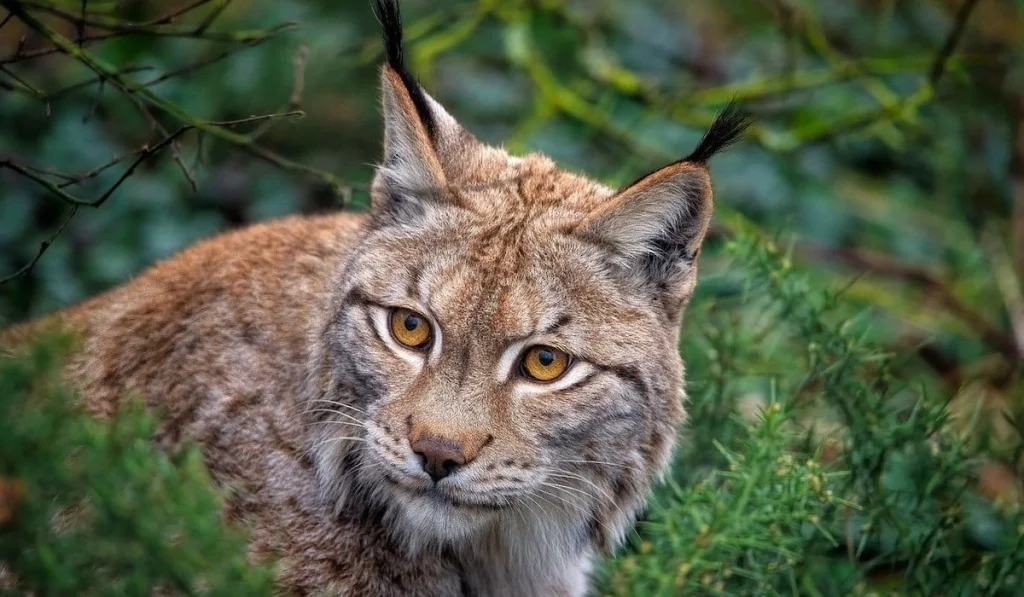
The Eurasian Lynx (Lynx lynx) and its North American cousin, the Canada Lynx (Lynx canadensis), represent classic examples of predators whose population cycles are directly linked to lagomorph numbers. These solitary, forest-dwelling cats have massive, densely furred paws that act like snowshoes, allowing them to travel effortlessly across deep winter snow drifts where rabbits often get bogged down.
Lynxes rely on silent stalking along established game trails, hiding behind low-hanging coniferous branches or rocky ledges. When a rabbit passes beneath, the lynx pounces from above, using its sharp teeth to deliver a fatal bite to the throat or neck. In northern ecosystems, when rabbit populations drop, lynx populations experience a corresponding decline a short time later.
11. Large Snakes
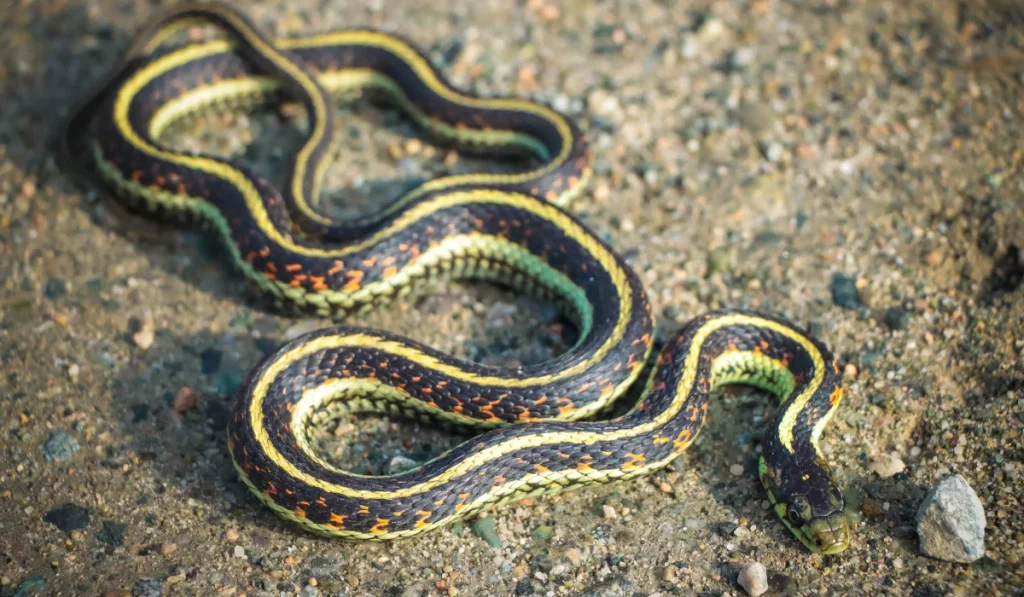
Reptiles also rank high among animals that eat rabbits, particularly inside warmer climates and agricultural zones. Non-venomous constrictors such as gopher snakes, bullsnakes, and large boas, alongside heavy-bodied venomous pit vipers like rattlesnakes, actively enter rabbit burrows in search of prey.
Pit vipers use heat-sensing facial pits to detect the thermal body heat of warm-blooded rabbits in total darkness.
Once struck with venom, the snake tracks the dying rabbit’s scent trail, unhinges its flexible jaws, and swallows the prey whole head-first. Constrictors wrap their powerful muscular bodies around the rabbit, suffocating it by preventing chest expansion before ingestion.
12. Red-Tailed Hawks
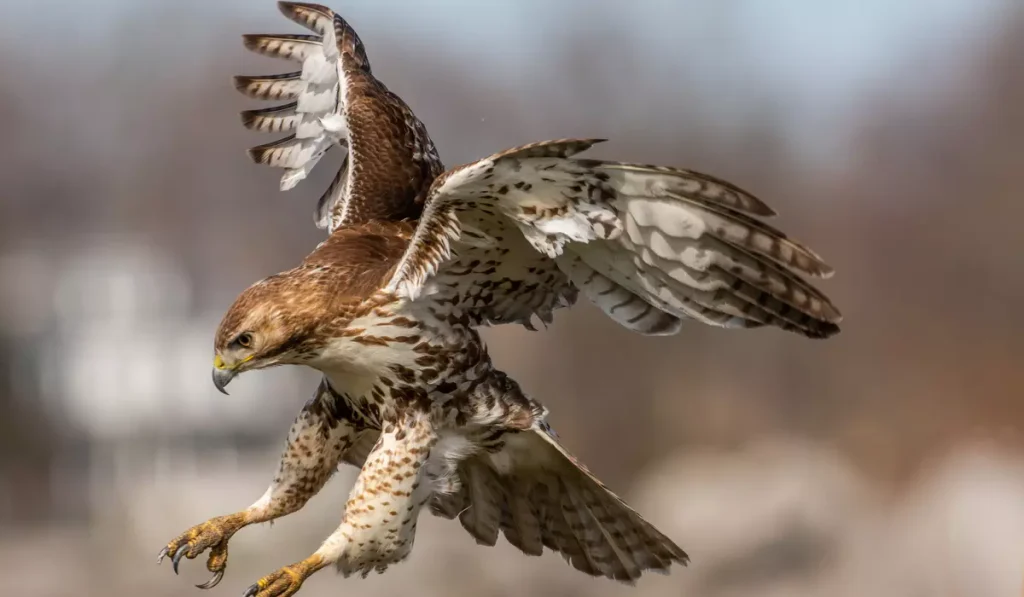
Red-tailed Hawks (Buteo jamaicensis) are among the most visible diurnal birds of prey in North America. Often spotted perching on high highway signs, telephone poles, or dead tree snags bordering fields, these hawks keep a watchful eye on open fields where rabbits emerge to feed.
Red-tailed Hawks possess keen binocular vision that allows them to pick up subtle twitches of a rabbit’s ears or fur in tall grass. Leaving their high perch, the hawk swoops downward at an angle, spreading its wide wings at the last second to break speed before clutching the rabbit in strong, curved talons. The sharp beak is then used to disassemble the prey on a nearby branch or feeding fence post.
13. Bears
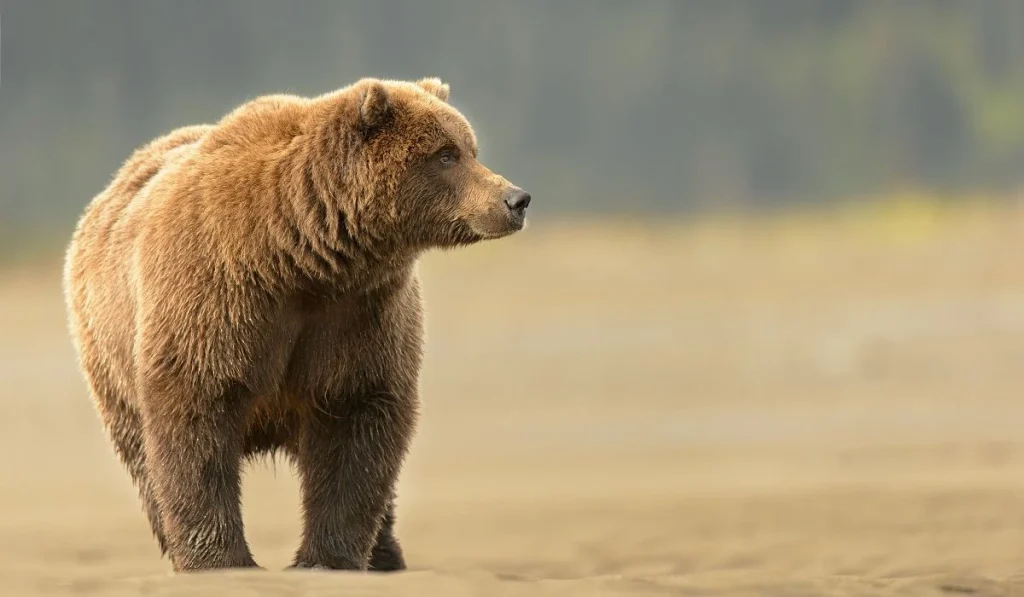
Bears, including brown/grizzly bears (Ursus arctos) and American black bears (Ursus americanus), are large omnivores with surprisingly varied diets. While fruits, nuts, roots, insects, and fish make up the bulk of their intake, protein from small mammals is eagerly sought after when available.
During late spring and early summer, emerging bears use their powerful sense of smell to locate shallow nursery burrows dug by female cottontails.
With a single swipe of their massive, heavily clawed paws, bears easily tear open shallow nests in meadows or forest edges, consuming the nestling kits inside in seconds. Bears will also scavenge rabbit carcasses or ambush injured and weak adult rabbits during foraging runs.
14. Coyotes
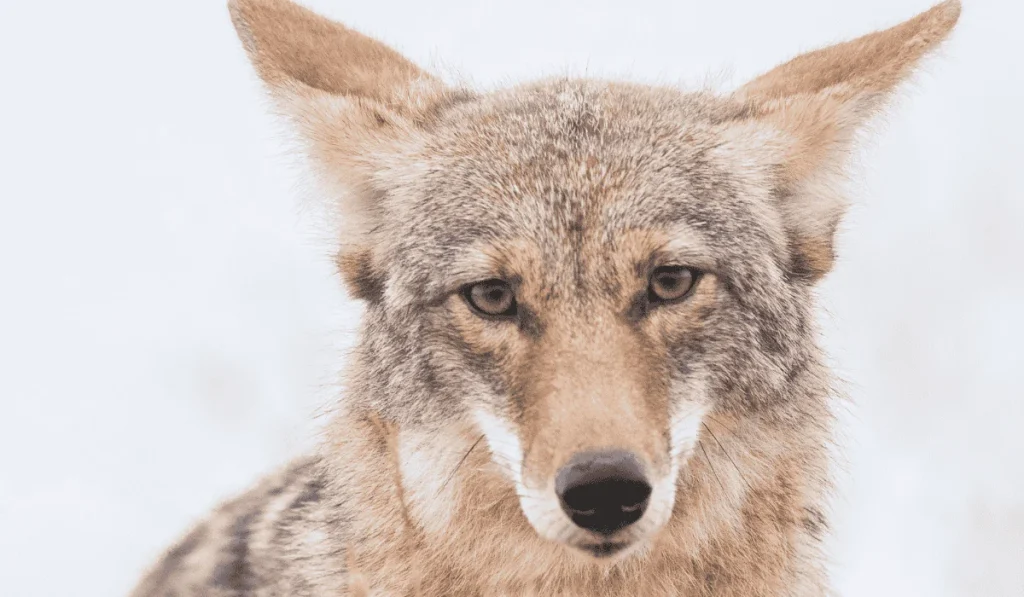
Coyotes (Canis latrans) are legendary for their intelligence, adaptability, and high hunting efficiency across rural, wilderness, and suburban settings. Rabbits and hares constitute one of the single largest dietary components for coyotes throughout North America.
Coyotes employ varied tactics when hunting rabbits. When hunting alone, a coyote will quietly creep through brush before pouncing on a resting rabbit.
When hunting in pairs, one coyote may intentionally flush a hiding rabbit out into the open, driving it directly toward a second partner waiting in ambush along an established trail. Their top running speed of nearly 40 miles per hour allows them to keep pace with escaping rabbits over open ground.
Predator Hunting Styles Comparison
Understanding how diverse predators capture the same prey highlights the varied evolutionary strategies present in nature. Below is a detailed comparative overview of key predators, their primary hunting methods, peak activity hours, and typical hunting habitats.
| Predator Name | Primary Hunting Strategy | Peak Activity Pattern | Primary Hunting Habitat |
| Red Fox | Acoustic tracking followed by high pounce | Crepuscular (Dusk & Dawn) | Meadows, woodlands, farmlands |
| Badger | Earth excavation & warren destruction | Nocturnal (Nighttime) | Deep soils, fields, scrublands |
| Bobcat | Patient stalk and sudden explosive leaps | Crepuscular & Nocturnal | Forests, rocky canyons, thickets |
| Weasel | Underground pursuit inside warrens | Diurnal & Nocturnal (Continuous) | Grasslands, brush piles, warrens |
| Great Horned Owl | Silent aerial swoop & talon crushing | Nocturnal (Nighttime) | Forest canopies, open meadows |
| Red-Tailed Hawk | High perch monitoring & soaring stoop | Diurnal (Daytime) | Open fields, highway borders |
| Coyote | Cooperative flushing and high-speed chase | Crepuscular & Nocturnal | Deserts, prairies, suburbs |
| Pit Viper / Snake | Thermal sensing, venom strike / constriction | Crepuscular & Nocturnal | Warren tunnels, rocks, brush |
How Rabbits Protect Themselves in the Wild
Surviving in a world filled with ground, underground, and aerial hunters requires extraordinary evolutionary adaptations. Wild rabbits have developed an impressive suit of sensory, physical, and behavioral defenses designed to counter the strategies of animals that eat rabbits.
- 360-Degree Panoramic Vision: A rabbit’s large eyes are situated high and on the sides of its head. This anatomical placement provides nearly a 360-degree field of view, allowing the rabbit to monitor the sky for hawks and the horizon for foxes simultaneously without turning its neck. The only blind spot is a tiny zone directly in front of its nose.
- High-Speed Agility and Zig-Zag Sprinting: When chased across open terrain, a rabbit can reach speeds between 30 to 40 miles per hour. Crucially, they do not run in straight lines. Rabbits execute sharp, unpredictable, right-angle zig-zag turns mid-bound. This sudden loss of linear momentum forces larger pursuers like coyotes or dogs to overshoot their target, giving the rabbit critical seconds to gain cover.
- Acoustic Warning Thumping: Rabbits possess powerful hind legs capable of delivering hard strikes to the ground. When a foraging rabbit detects a nearby predator, it thumps its hind feet against the soil. The resulting acoustic vibrations travel deep underground into warren systems, instantly warning colony members to retreat deeper into safety before the predator arrives.
- The “Freeze” Strategy & Counter-Shading Camouflage: A rabbit’s fur coat features earthy brown, gray, and agouti tones that blend seamlessly into dry leaves, soil, and dead grass. When a hunting bird or mammal approaches, a rabbit often drops flat against the ground, tucking its ears back tightly. Remaining motionless leverages the predator’s motion-based vision, allowing the rabbit to go completely unnoticed.
- Extensive Underground WARREN Networks: European wild rabbits dig vast subterranean warren complexes featuring multiple interconnected tunnels, emergency escape exits, and deep nesting chambers. These underground fortresses protect them from weather extremes as well as large surface predators that are too big to enter.
The Ecological Impact of Rabbit Predation
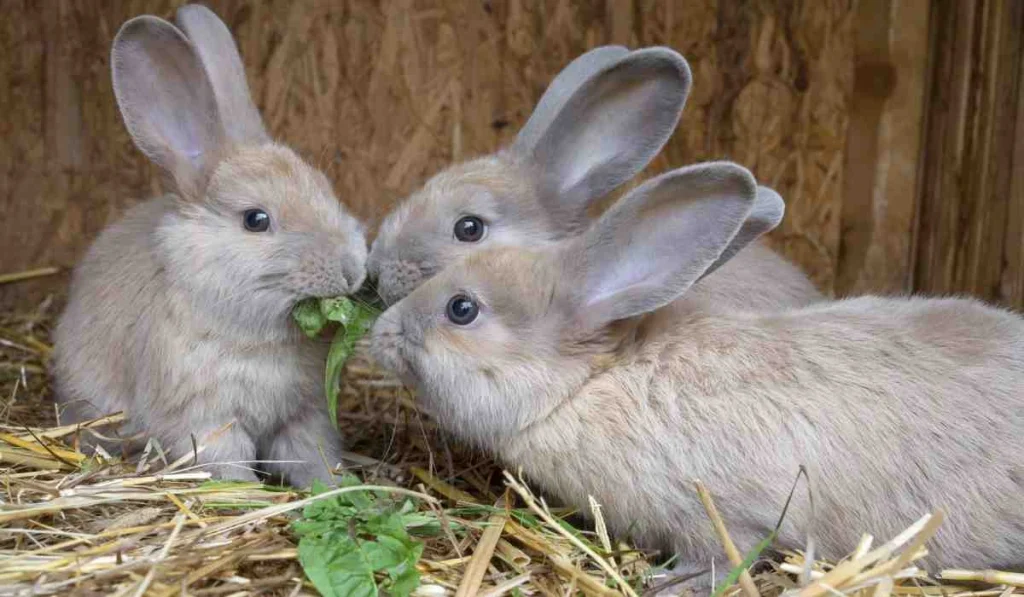
Predators that hunt rabbits are far more than just threats to individual bunnies, they are essential architects of healthy, balanced terrestrial ecosystems. Because wild rabbits possess a legendary capacity to reproduce quickly (a single female can produce multiple litters of 4 to 8 kits every year), unchecked rabbit populations can rapidly cause severe environmental degradation.
| Ecological Factor | Without Natural Predators (Unchecked Rabbits) | With Balanced Predator Populations |
| Vegetation & Flora | Overgrazing leads to deforestation, loss of native plants, and severe topsoil erosion. | Grazing remains sustainable, allowing plant regeneration and maintaining high botanical diversity. |
| Disease Control | Dense overpopulated colonies trigger rapid spread of viral and bacterial epidemics. | Predators remove weak, sick, or elderly individuals, keeping the overall rabbit herd healthy and resilient. |
| Resource Competition | Rabbits consume all low-lying forage, starving out native insects, rodents, and grazing ungulates. | Balanced resource consumption allows diverse native herbivores to thrive alongside lagomorphs. |
| Food Web Support | Ecosystem collapses when rabbit booms trigger boom-and-bust cycles across trophic levels. | Steady rabbit prey bases support stable populations of rare raptors, wildcats, and native mustelids. |
Common Myths About Rabbit Predators
At Animals Royalty, we frequently encounter widespread myths regarding wild predator-prey dynamics. Disentangling folklore from scientific facts helps us appreciate the true realities of wildlife survival.
- Myth 1: Predators easily catch wild rabbits whenever they are hungry.
- Fact: Catching a wild rabbit is extremely difficult. Studies indicate that healthy adult cottontails successfully evade predator attacks well over 50% of the time thanks to their explosive agility, keen hearing, and immediate access to underground cover. Hunting requires vast energy expenditures, and predators frequently fail.
- Myth 2: Only large mammalian carnivores pose a danger to rabbits.
- Fact: Small predators are often far more dangerous to rabbit colonies than large carnivores. While a bear or wolf might occasionally catch a rabbit, tiny hunters like weasels, stoats, ferrets, and snakes can infiltrate warrens directly, posing a constant threat to young nestlings.
- Myth 3: Domestic pet cats are effective at controlling wild rabbit populations.
- Fact: While free-roaming domestic cats (Felis catus) kill millions of songbirds and small rodents annually, they are generally inefficient predators of healthy adult wild rabbits. Full-grown rabbits are fast, aggressive when cornered, and often too heavy for house cats to tackle safely. Cats mostly target tiny juvenile kits if an outdoor nest is exposed.
Final Thoughts
The natural world operates on a delicate, interconnected food web where every organism plays an irreplaceable role. Exploring the diverse list of animals that eat rabbits underscores the tremendous ecological importance of lagomorphs as primary energy converters in wild habitats. By converting plant matter into calorie-rich biomass, rabbits nourish dozens of mammalian, avian, and reptilian species across the globe.
Whether it is a red fox listening intently over frozen winter grass, a Great Horned Owl dropping silently through the dark canopy, or a bobcat waiting patiently in brush, these remarkable predators showcase the raw beauty and relentless drive of nature. The next time you spot a wild cottontail darting across an open field, you will have a newfound appreciation for the incredible senses, agility, and instincts that keep it alive in a world full of watchful eyes!
Frequently Asked Questions
What is the single biggest natural predator of wild rabbits?
In most Northern Hemisphere ecosystems, foxes, coyotes, and large birds of prey (such as red-tailed hawks and great horned owls) are recognized as the primary predators of wild rabbits due to their abundance and hunting overlap.
Do pet dogs and cats present a real danger to wild rabbits?
Yes. Domestic dogs with high prey drives naturally chase wild rabbits and can easily injure them. Domestic cats regularly hunt juvenile rabbit kits found in shallow yard nests, though adult wild rabbits are usually too agile for average house cats.
How do wild rabbits avoid being captured by night predators like owls?
Rabbits rely on exceptionally large ears that capture faint ambient noises, excellent low-light vision, and remaining perfectly still to blend into surrounding foliage. When detected, they sprint in zig-zag patterns to reach deep underground burrows.
Why are wild rabbits considered so vital to terrestrial food webs?
Wild rabbits reproduce rapidly and efficiently digest tough plant material, turning vegetation into protein. This creates a steady, reliable food source that sustains healthy populations of mesopredators, raptors, and top carnivores in forest, grassland, and desert habitats.