Top 20 Happiest Animals in The World (With Pictures)
The natural world is full of incredible creatures that express joy, playfulness, and content expressions. Discovering the happiest animals in the world allows us to appreciate how different species thrive in their habitats. From cheerful smiles to playful displays, these joyful creatures light up the animal kingdom.
Many people wonder what makes these fauna unique beyond their delightful behaviors. While exploring nature, you might also be curious about animals that look like otters or other fascinating species. Let’s dive into our detailed showcase of nature’s most cheerful creatures.
List of Happiest Animals in The World
Here is the whole list:
- Dolphin (Delphinidae)
- Quokka (Setonix brachyurus)
- Kinkajou (Potos flavus)
- Penguin (Spheniscidae)
- Donkey (Equus asinus)
- Goat (Capra hircus)
- Bluebird (Sialia)
- Squirrel (Sciuridae)
- Laughing Kookaburra (Dacelo novaeguineae)
- Sea Otter (Enhydra lutris)
- Dog (Canis lupus familiaris)
- Red Panda (Ailurus fulgens)
- Capybara (Hydrochoerus hydrochaeris)
- Meerkat (Suricata suricatta)
- Kea (Nestor notabilis)
- Sloth (Folivora)
- Chimpanzee (Pan troglodytes)
- Beluga Whale (Delphinapterus leucas)
- Golden Retriever (Canis lupus familiaris)
- Galápagos Tortoise (Chelonoidis niger)
Dolphin
- Scientific name: Delphinidae
- Class: Mammalia
- Diet: Carnivore
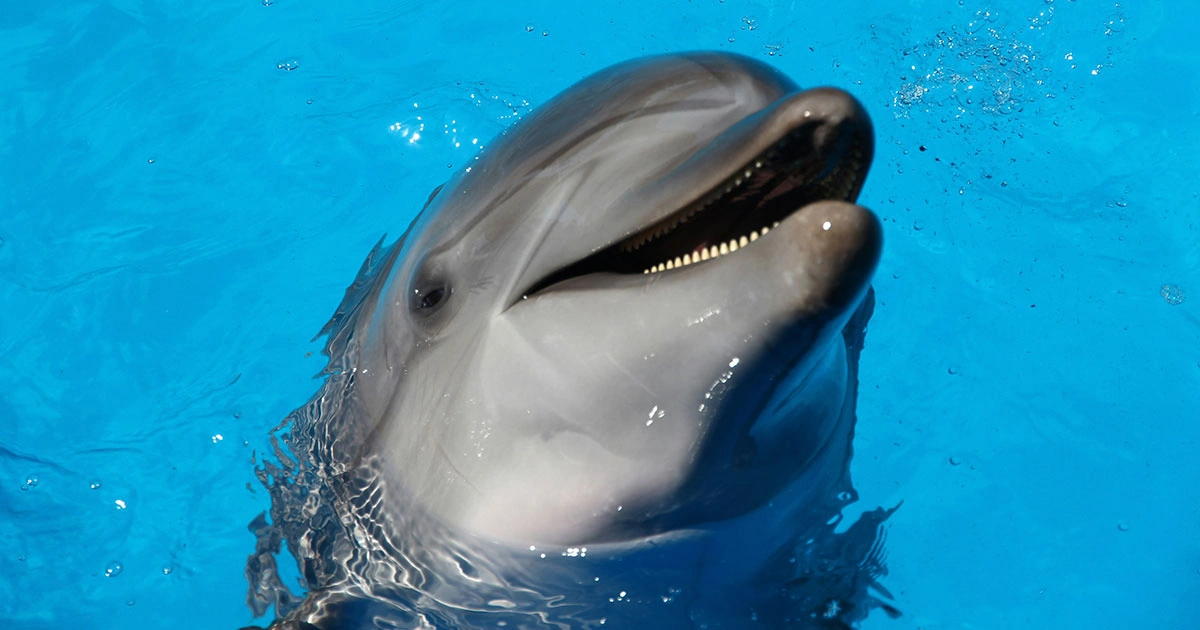
Dolphins are world-famous for their playful acrobatic leaps and permanent curbed smiles. They thrive in warm oceans across the globe while engaging in joyful pod activities. These intelligent marine mammals remain iconic examples when discussing the happiest animals in the world.
Quokka
- Scientific name: Setonix brachyurus
- Class: Mammalia
- Diet: Herbivore
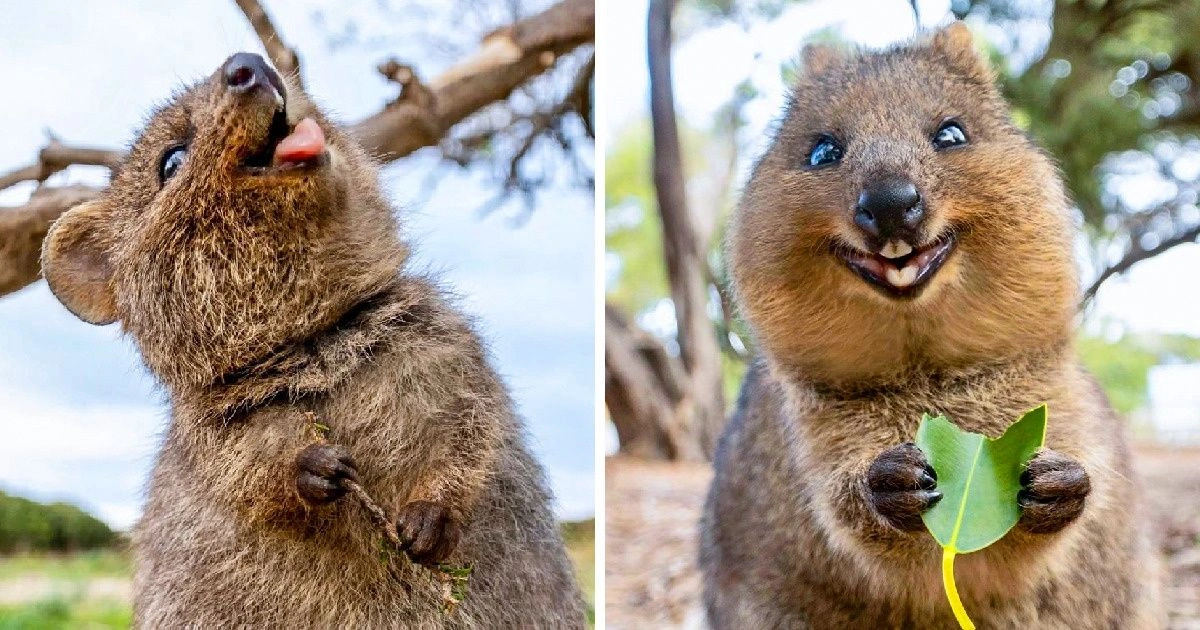
Famous for its friendly facial structure, the quokka is often nicknamed the world’s most joyful creature. Native to Western Australia, these marsupials show no fear of humans and love nibbling on greens. They effortlessly top any list highlighting the happiest animals in the world.
Kinkajou
- Scientific name: Potos flavus
- Class: Mammalia
- Diet: Omnivore
Living high up in rainforest canopies, kinkajous spend their nights playing and foraging for sweet fruits. Some rainforest species are known to be animals that eat coconuts, showing incredible adaptability. Their energetic nocturnal lifestyle easily earns them a spot among the happiest animals in the world.
Penguin
- Scientific name: Spheniscidae
- Class: Aves
- Diet: Carnivore
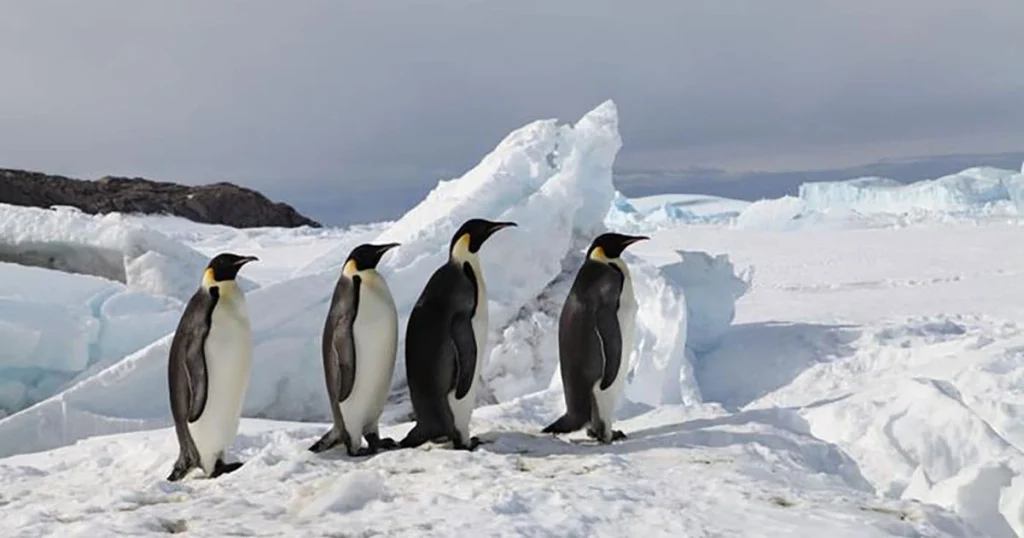
Penguins display immense enthusiasm through their adorable waddling and social colony interactions. They slide across ice sheets and dive into ocean waves with pure, unrestrained energy. Their uplifting community bonds make them standout representatives of the happiest animals in the world.
Donkey
- Scientific name: Equus asinus
- Class: Mammalia
- Diet: Herbivore
Donkeys form affectionate lifelong bonds with human companions and herd mates alike. Known globally as exceptionally hard working animals in the world, they remain calm and cheerful under proper care. Their gentle brays show why they belong among the happiest animals in the world.
Goat
- Scientific name: Capra hircus
- Class: Mammalia
- Diet: Herbivore
Goats are incredibly agile creatures that love jumping around pastures and climbing steep rocks. They are wonderfully adaptable foragers, much like wild animals that eat cactus in arid climates. Their silly antics clearly secure their reputation as some of the happiest animals in the world.
Bluebird
- Scientific name: Sialia
- Class: Aves
- Diet: Omnivore
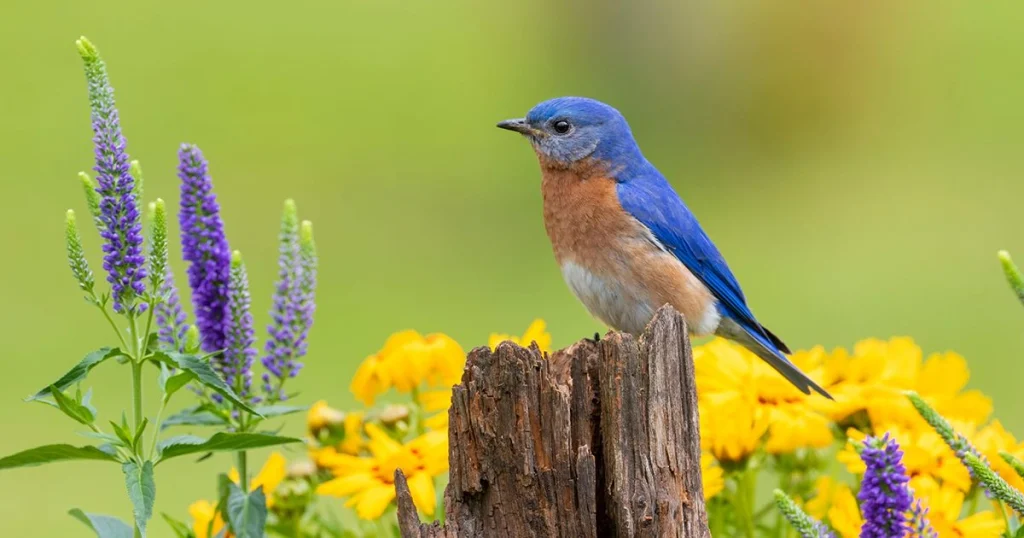
Bluebirds carry a historic symbol of optimism and happiness across North American woodlands. Their pleasant musical songs bring warmth to gardens and forests throughout the spring season. These vivid songbirds are widely celebrated as vibrant members of the happiest animals in the world.
Squirrel
- Scientific name: Sciuridae
- Class: Mammalia
- Diet: Omnivore
Squirrels spend their days zipping up trees and playing acrobatic games across park branches. As remarkably flexible animals in the world, they contort their bodies effortlessly while gathering nuts. Their energetic chatter marks them as cheerful members of the happiest animals in the world.
Laughing Kookaburra
- Scientific name: Dacelo novaeguineae
- Class: Aves
- Diet: Carnivore
The laughing kookaburra fills the Australian bushland with calls that sound identical to human laughter. This vocal behavior helps establish territory while filling listeners with pure delight. Their iconic laugh secures them a proud position among the happiest animals in the world.
Sea Otter
- Scientific name: Enhydra lutris
- Class: Mammalia
- Diet: Carnivore
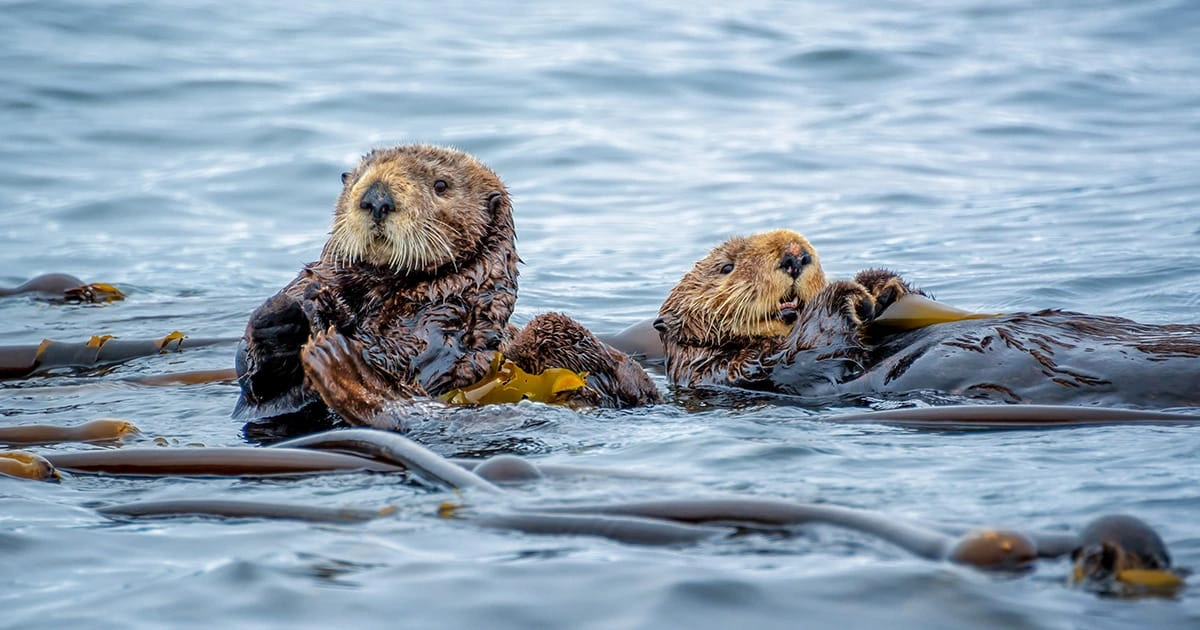
Sea otters hold hands while floating on their backs so they do not drift away in ocean currents. They use rocks to crack open shellfish, displaying both cleverness and contentment in the water. These aquatic mammals are universally loved as part of the happiest animals in the world.
Dog
- Scientific name: Canis lupus familiaris
- Class: Mammalia
- Diet: Omnivore
Dogs demonstrate unconditioned excitement whenever they greet their favorite human family members. Their tail wags, play bows, and happy panting express pure emotional warmth every day. Domestic dogs truly stand out as beloved examples of the happiest animals in the world.
Red Panda
- Scientific name: Ailurus fulgens
- Class: Mammalia
- Diet: Omnivore
Red pandas use their bushy tails for warmth while navigating high forest branches in Asia. Despite misconceptions about animal intelligence, even species grouped under animals with lowest iq display rich emotional lives. Their curious expressions consistently rank them among the happiest animals in the world.
Capybara
- Scientific name: Hydrochoerus hydrochaeris
- Class: Mammalia
- Diet: Herbivore
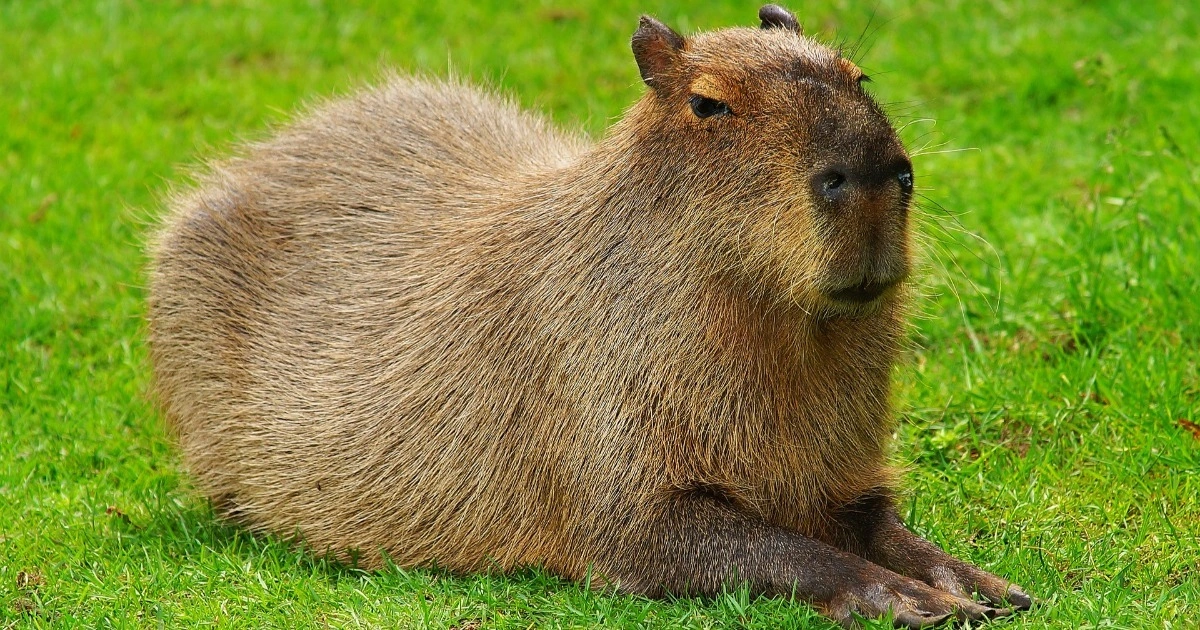
Capybaras are legendary for their calm demeanor and ability to make friends with any animal species. These massive rodents lounge in warm waters while birds and monkeys rest alongside them peacefully. Their tranquil nature easily places them among the happiest animals in the world.
Meerkat
- Scientific name: Suricata suricatta
- Class: Mammalia
- Diet: Carnivore
Meerkats rely on tight-knit family groups to keep watch and warm each other in desert burrows. They play-wrestle and sunbathe together every morning with noticeable enthusiasm. Their social lifestyle reinforces their placement among the happiest animals in the world.
Kea
- Scientific name: Nestor notabilis
- Class: Aves
- Diet: Omnivore
Keas are inquisitive mountain parrots from New Zealand known for solving complex puzzles and playing in snow. They frequently inspect tourist gear with playful curiosity and joyful energy. Their mischievous spirit makes them great additions to the happiest animals in the world.
Sloth
- Scientific name: Folivora
- Class: Mammalia
- Diet: Herbivore
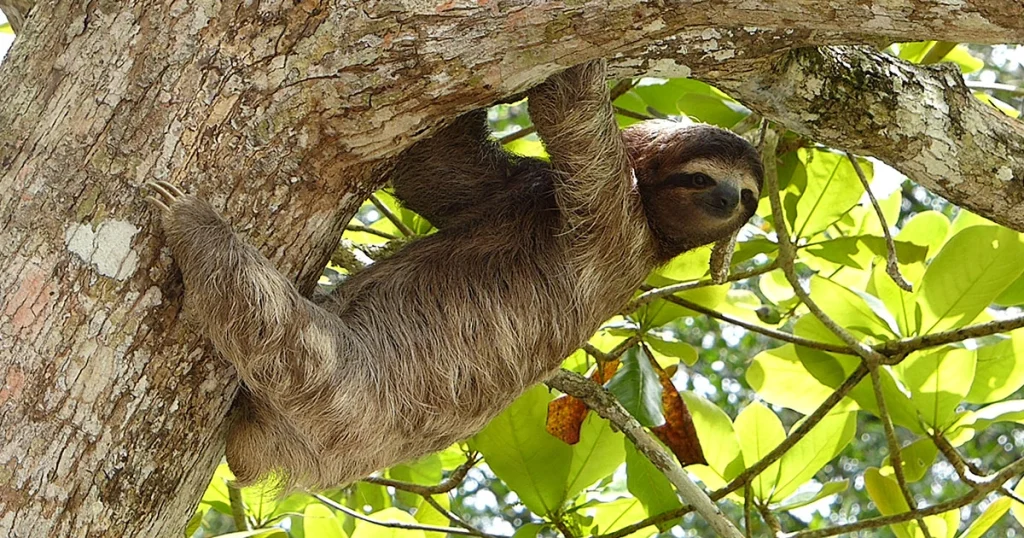
Sloths lead a relaxed life in the tropical rainforest canopy of Central and South America. Their facial bone structure creates a permanent, peaceful grin as they hang lazily from branches. This serene lifestyle ensures they belong in any discussion of joyful wildlife.
Chimpanzee
- Scientific name: Pan troglodytes
- Class: Mammalia
- Diet: Omnivore
Chimpanzees maintain strong social bonds through play, mutual grooming, and expressive vocalizations. They laugh when tickled and share joyful moments during group gatherings in the jungle. Their emotional depth showcases how happiness manifests across higher primates.
Beluga Whale
- Scientific name: Delphinapterus leucas
- Class: Mammalia
- Diet: Carnivore
Beluga whales are often called the canaries of the sea due to their diverse array of vocal sounds. Their flexible facial muscles allow them to form expressions resembling warm, cheerful smiles underwater. They bring immense joy to marine biologists and ocean enthusiasts worldwide.
Golden Retriever
- Scientific name: Canis lupus familiaris
- Class: Mammalia
- Diet: Omnivore

Golden retrievers are famous for their perpetually upbeat, eager-to-please temperament. Whether splashing in mud or fetching a tennis ball, their joy is infectious to anyone around. They remain one of the most popular and cheerful domestic breeds on Earth.
Galápagos Tortoise
- Scientific name: Chelonoidis niger
- Class: Reptilia
- Diet: Herbivore
Galápagos tortoises live peaceful lives stretching over a century in sunny island environments. They bask contentedly under the warm sun while moving slowly through rich vegetation. Their stress-free longevity makes them a fitting final entry for cheerful creatures.
Final Thoughts
Observing cheerful creatures in nature reminds us of the beauty found across Earth’s diverse ecosystems.
Whether swimming in oceans or climbing forest canopies, these creatures bring smiles to people everywhere. Learning about their habits helps foster a deeper appreciation for protecting wildlife habitats worldwide.
FAQs
What is Officially the Happiest Animal in the World?
The quokka is widely considered the happiest animal on Earth due to its natural, smiling facial structure and friendly disposition toward humans on Rottnest Island.
Why do Some Animals Always Look Like They are Smiling?
Facial expressions in animals often stem from unique jaw structures, muscle placements, or evolutionary traits rather than human-like emotional smiling.
Can Wild Animals Actually Experience Happiness?
Yes, researchers have observed that many animals display signs of joy, contentment, and excitement through play behavior, social bonding, and vocal expressions.